

The steel industry has continuously improved its manufacturing methods to increase efficiency, reduce costs, and meet changing material requirements. One of the most widely used technologies today is the Electric Arc Furnace (EAF) process.
Unlike traditional steelmaking methods, EAF technology uses electrical energy to melt steel scrap and other metallic inputs, allowing manufacturers to produce steel with greater flexibility and improved resource efficiency. The process also provides better control over chemical composition and final steel properties.
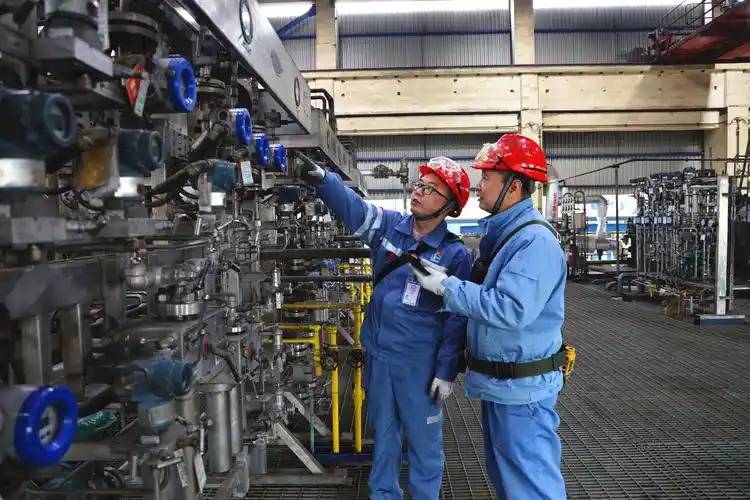
Our team collaborates to harness the power of EAF technology, ensuring sustainable and high-quality steel production.
Why the buzz around EAF? Simply put, it represents a more sustainable, flexible, and often higher-quality approach to steel production compared to traditional methods. It’s about transforming what was once waste into valuable resources, driving a circular economy. Let’s explore what makes EAF products so special and why they’re becoming the go-to choice for many applications.
What Exactly is an Electric Arc Furnace (EAF)?
Before we dive into the products, let’s clarify the process. An EAF is a furnace that heats charged material by means of an electric arc. Unlike traditional blast furnaces that rely on iron ore and coke, EAFs primarily use recycled steel scrap as their main raw material. This fundamental difference is what gives EAF its unique advantages.
The EAF Process: A Closer Look
The EAF process is a fascinating display of industrial power and precision. It involves several key steps:
- Charging: Scrap steel, along with other materials like lime and carbon, is loaded into the furnace.
- Melting: High-power electric arcs, generated between electrodes and the scrap, create intense heat (up to 3,000°F or 1,650°C), rapidly melting the metal.
- Refining: Oxygen is injected to remove impurities, and alloys are added to achieve the desired steel composition.
- Tapping: Once the molten steel reaches the correct chemistry and temperature, it’s tapped into a ladle for further processing.
This entire process is incredibly efficient, often taking just a few hours from scrap to molten steel. It’s a testament to modern metallurgical engineering.
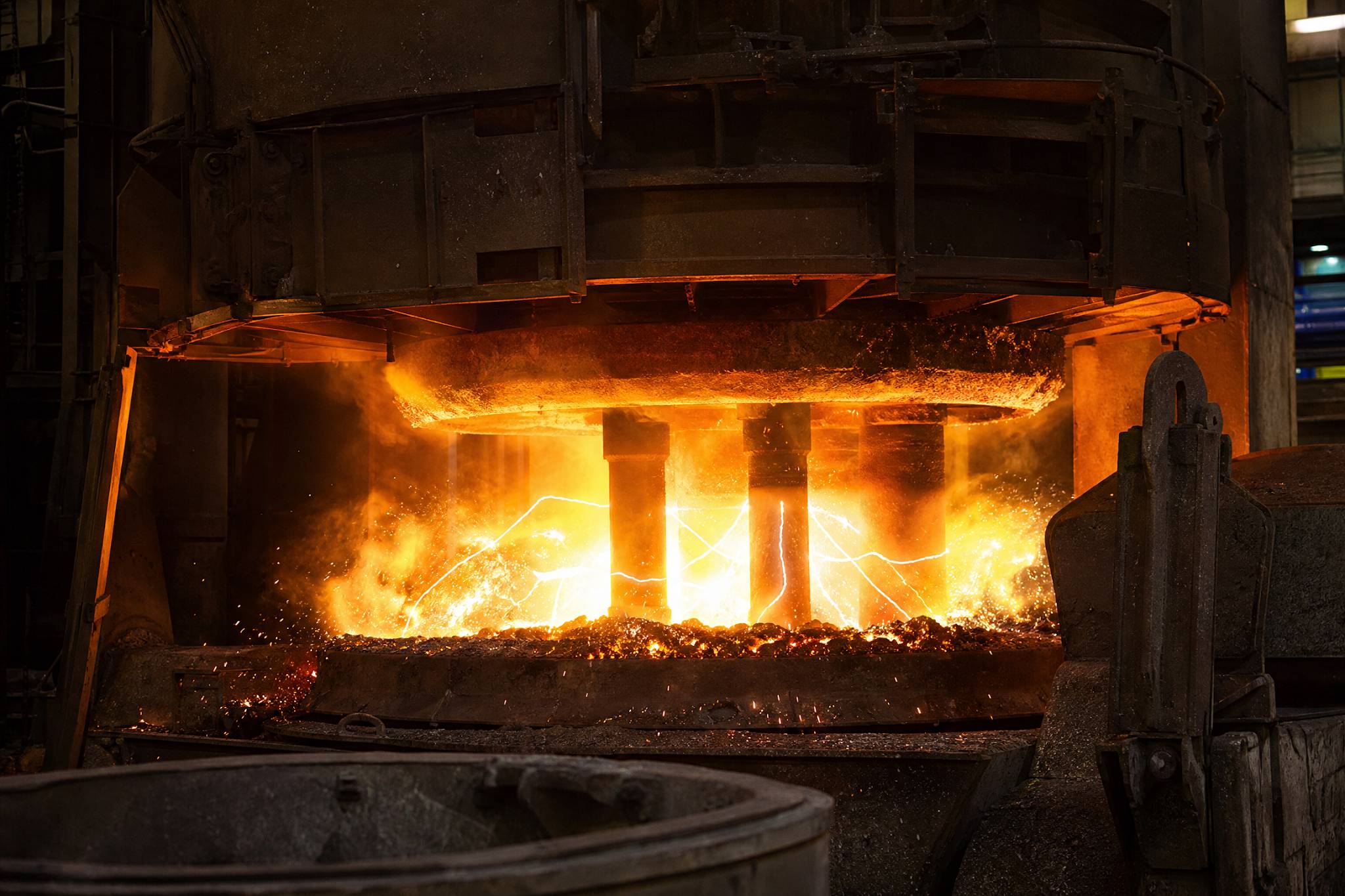
The heart of EAF steelmaking: electric arcs generate immense heat to transform scrap into molten steel.
The Advantages of Electric Arc Furnace (EAF) Products
EAF steel comes with a host of benefits that make it highly desirable across various industries. These advantages stem directly from the EAF steelmaking process itself.
Environmental Sustainability: A Greener Footprint
One of the most compelling reasons for the rise of EAF is its environmental performance. By primarily using recycled scrap steel, EAFs significantly reduce:
- Carbon Emissions: EAF steelmaking produces substantially lower CO2 emissions compared to traditional blast furnace methods. This is a huge win for global sustainability efforts.
- Energy Consumption: While still energy-intensive, the overall energy required per ton of steel is often less, especially when considering the entire lifecycle from raw materials.
- Resource Depletion: It conserves natural resources by reducing the need for virgin iron ore mining.
This commitment to a responsible steel future is a core principle at Camasteel, aligning with global efforts for a greener industry.
Product Quality and Versatility
EAFs are renowned for their ability to produce a wide range of high-quality steel grades, including:
- Specialty Steels: They excel in producing alloy steels, stainless steels, and tool steels, which require precise chemical compositions.
- Clean Steel: The refining capabilities of EAFs allow for the production of
cleaner steel with fewer impurities, which is critical for high-performance applications.
- Flexibility: EAFs can quickly switch between different steel grades, offering greater production flexibility to meet market demands.
Economic Benefits
Beyond environmental and quality aspects, EAFs also offer economic advantages:
- Lower Operating Costs: While initial investment can be high, the operational costs per ton of steel can be lower due to reduced raw material costs (scrap is often cheaper than iron ore) and energy efficiency.
- Market Responsiveness: The ability to start and stop production more easily than blast furnaces allows EAF plants to respond quickly to market fluctuations.
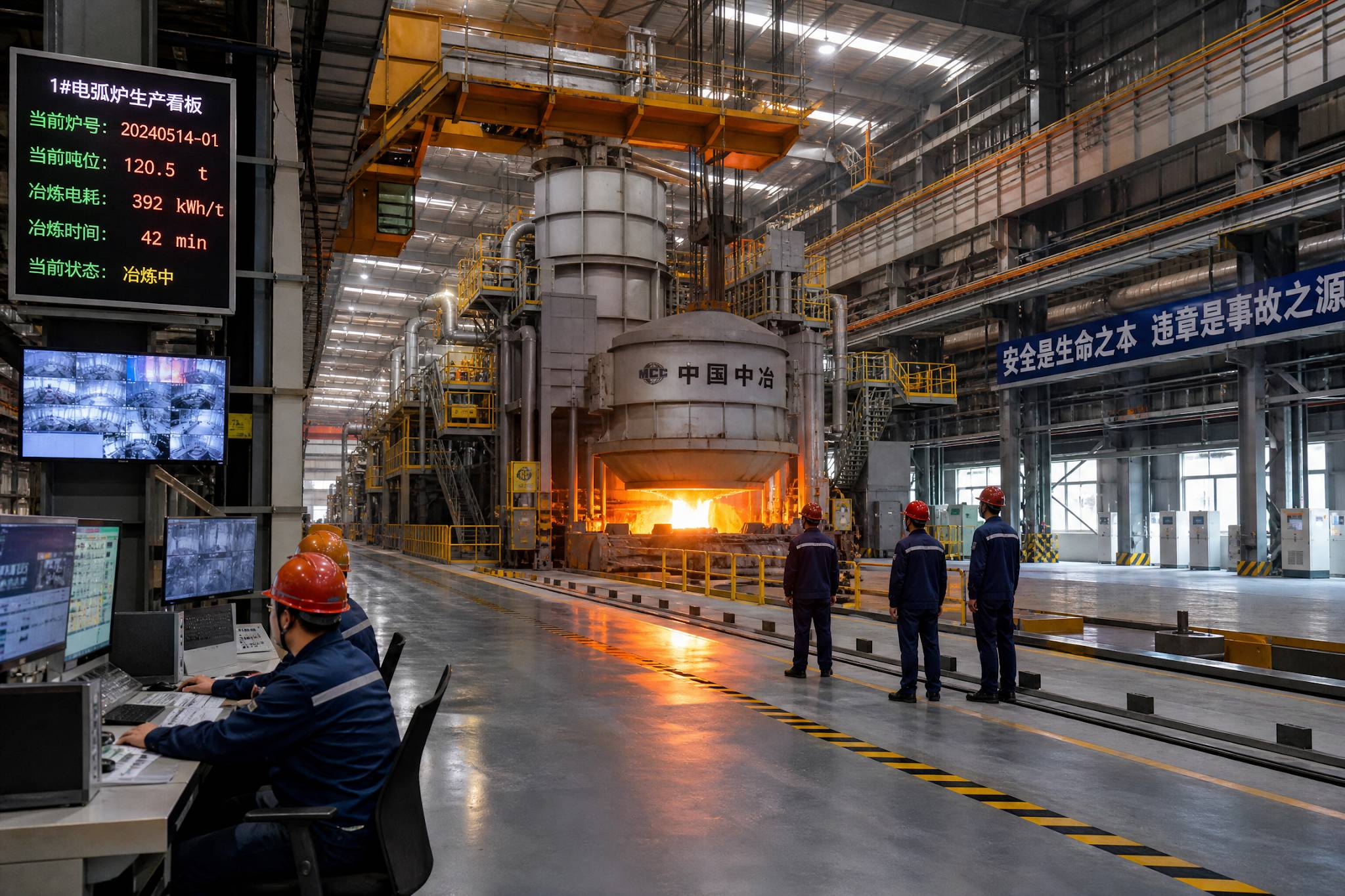
Our factory in China leverages cutting-edge EAF technology to produce superior steel products efficiently.
Key Products Derived from Electric Arc Furnaces
EAFs are incredibly versatile, producing a wide array of steel products that are essential for modern infrastructure and manufacturing. These products often boast superior properties due to the EAF process.
Common EAF Steel Products
- Steel Billets:
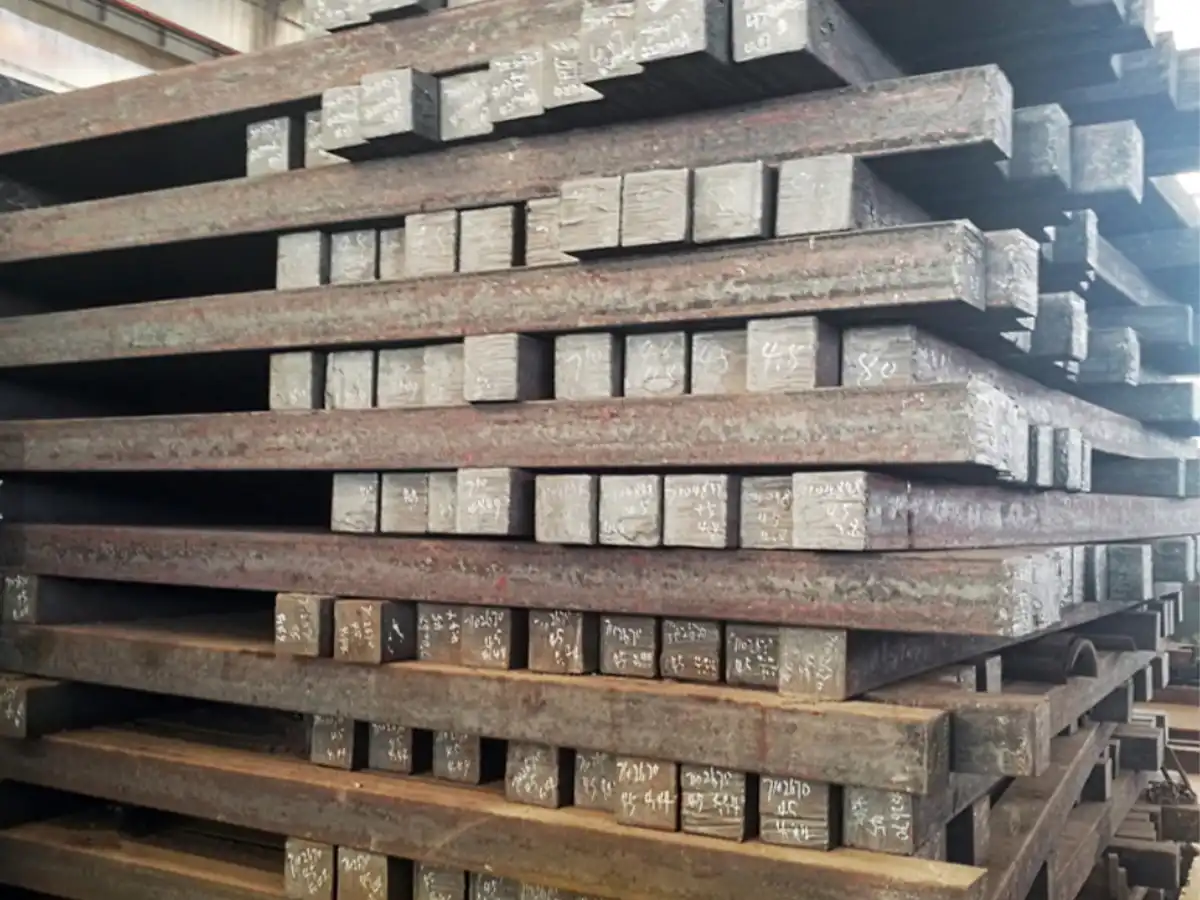
These semi-finished products are a primary output, often square or rectangular, and are further processed into rebar, wire rods, and small sections. EAFs are ideal for producing high-quality billets from recycled scrap.
- Structural Steels:
Beams, channels, and angles used in construction for buildings, bridges, and other infrastructure projects. EAF steel provides the necessary strength and durability.
- Rebar (Reinforcing Bar):
Crucial for concrete reinforcement in construction, EAF-produced rebar often meets stringent quality standards for strength and ductility.
- Wire Rods:
Used to make various wire products, mesh, and fasteners. The clean steel from EAFs is excellent for drawing into fine wires.
- Specialty Alloys:
EAFs are particularly adept at producing high-value alloy steels, including stainless steel, tool steel, and various engineering steels, which are vital for demanding applications in aerospace, automotive, and machinery.
Applications Across Industries
The diverse range of EAF products means they are integral to countless sectors:
- Construction: High-strength rebar, structural beams, and plates for resilient buildings and infrastructure.
- Automotive: Lightweight yet strong components for vehicle chassis, engines, and body parts, contributing to fuel efficiency and safety.
- Machinery and Equipment: Durable parts for industrial machinery, agricultural equipment, and heavy-duty tools.
- Energy Sector: Specialized pipes and components for oil and gas exploration, renewable energy installations, and power generation.
- Consumer Goods: From appliances to everyday tools, EAF steel provides the reliability and quality consumers expect.
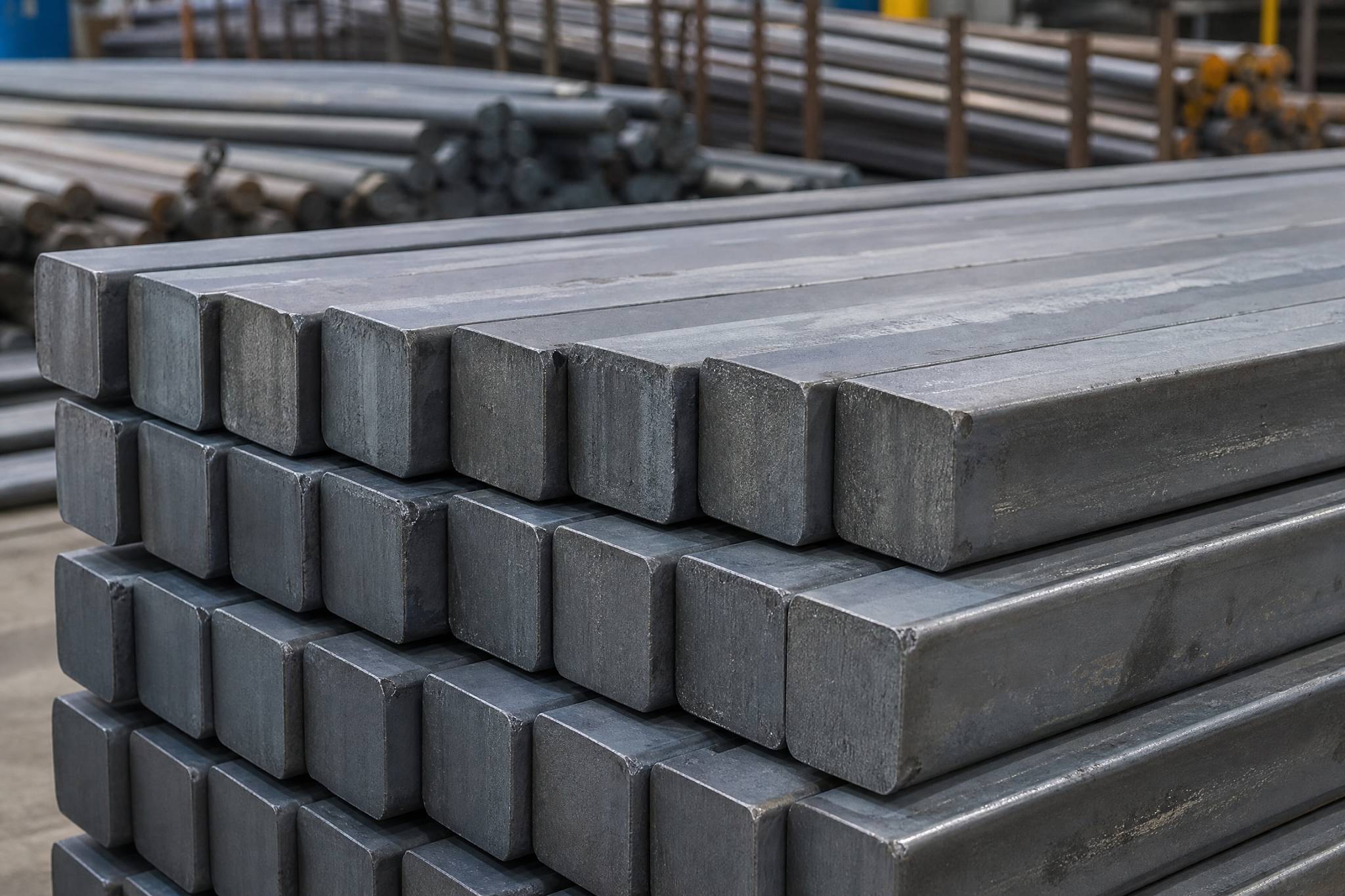
EAF technology produces clean, high-quality steel billets, the foundation for countless finished products.
EAF vs. Blast Furnace: A Comparative Overview
Understanding the differences between EAF and traditional Blast Furnace (BF) steelmaking is key to appreciating the unique value of EAF products.
| Feature | Electric Arc Furnace (EAF) | Blast Furnace (BF) |
| Primary Raw Material | Steel scrap, direct reduced iron (DRI), hot briquetted iron (HBI) | Iron ore, coke, limestone |
| Environmental Impact | Lower CO2 emissions, less energy intensive, promotes recycling | Higher CO2 emissions, more energy intensive, resource extraction |
| Flexibility | High; quick start/stop, easy grade changes | Lower; continuous operation, less flexible for grade changes |
| Product Focus | Specialty steels, long products, high-quality alloys | Commodity steels, flat products, high volume |
| Sustainability | Circular economy model | Linear production model |
Need help sourcing steel from China? Our team helps international buyers compare steel mills, verify certifications, inspect factories, confirm technical specifications, and secure mill-direct pricing before payment. Share your project requirements today for quotation support and supplier evaluation.
WhatsApp Us for Free a Consultation
Ensuring Quality in EAF Products: Our Commitment
At Camasteel, we understand that the quality of EAF products is paramount. Our commitment to excellence ensures that every batch of steel meets the highest international standards. We work closely with best steel companies in China that utilize advanced EAF technology.
Quality Control Measures
- Mill Test Certificates (MTCs):
We insist on comprehensive MTCs for all EAF products, detailing chemical composition and mechanical properties.
- Third-Party Inspections:
Independent inspections by reputable agencies like SGS or BV are conducted to verify product quality and quantity before shipment.
- Supplier Verification:
Our rigorous supplier selection process includes factory audits and background checks to ensure we partner only with reliable manufacturers.
These measures are part of our success stories in delivering consistent quality to our global clientele.
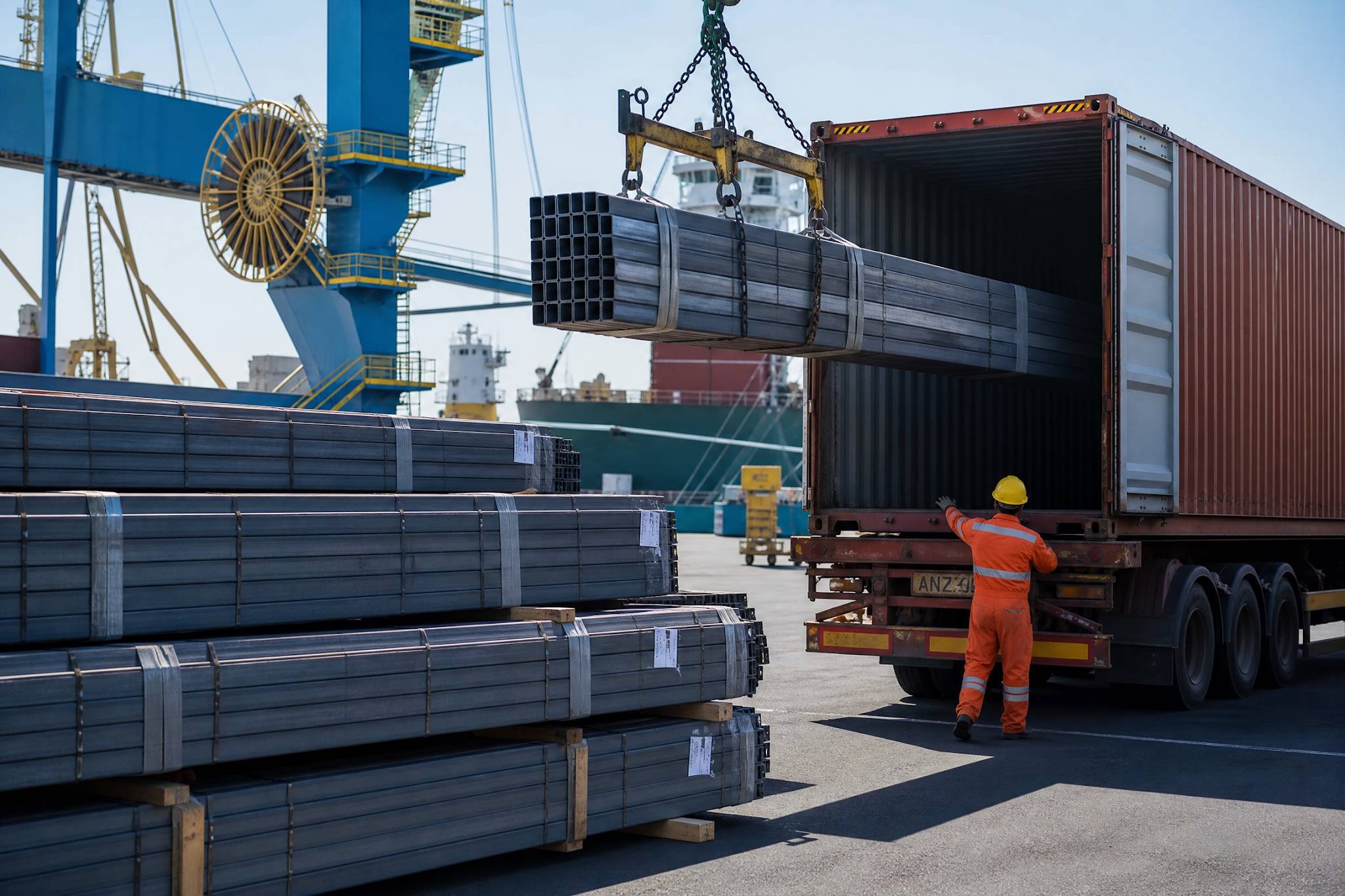
Our robust logistics ensure EAF steel products are efficiently loaded and shipped worldwide, maintaining quality from factory to destination.
Frequently Asked Questions (FAQs) about EAF Products
Q1: Is EAF steel considered “green” steel?
EAF steel is widely considered a more environmentally friendly option due to its reliance on recycled scrap and significantly lower carbon footprint compared to traditional steelmaking. While no industrial process is entirely without impact, EAF technology is a crucial step towards more sustainable and responsible steel production.
Q2: What are the main raw materials for an EAF?
The primary raw material for an Electric Arc Furnace is scrap steel. However, EAFs can also use other iron-bearing materials like direct reduced iron (DRI) or hot briquetted iron (HBI) to adjust the charge and achieve specific steel grades.
Q3: Can EAFs produce all types of steel?
EAFs are highly versatile and can produce a vast range of steel types, particularly excelling in specialty steels, alloy steels, and high-quality long products. While traditional blast furnaces are often favored for high-volume commodity flat products, EAF technology continues to expand its capabilities and market share across almost all steel grades.
Conclusion: The Future is Electric (Arc Furnace)
The Electric Arc Furnace has undeniably revolutionized the steel industry. Its ability to transform recycled scrap into high-quality steel, coupled with its significant environmental benefits, positions EAF products at the forefront of modern manufacturing. From reducing carbon emissions to offering unparalleled flexibility and product versatility, EAF technology is not just an alternative; it’s a pathway to a more sustainable and efficient future for steel.
Choosing EAF products means investing in quality, sustainability, and innovation. At Camasteel, we are committed to connecting you with the best EAF steel solutions, ensuring your projects benefit from this advanced technology. Our team is ready to provide expert guidance and support for all your steel procurement needs.
Industrial Buyers: Planning to Buy Steel from China?
 Do you know your steel specifications?
Are you buying large quantities of steel?
Do you need support to check if your supplier is a real steel mill (not trader)?
Do you need factory verification before you pay a large deposit?
Do you need pre-shipment inspection to make sure the steel grade is correct?
If yes, you may be handling a serious steel purchase. [Share Your Requirements]