
When it comes to structural steel, the U beam is one of the most versatile and widely used profiles in the industry. Whether you’re building a massive warehouse, a modern bridge, or a specialized piece of machinery, the decision to buy U beams is often at the core of your structural design. In 2026, the global steel market offers a sophisticated range of U beam options, with China leading the way in both production volume and technical innovation.
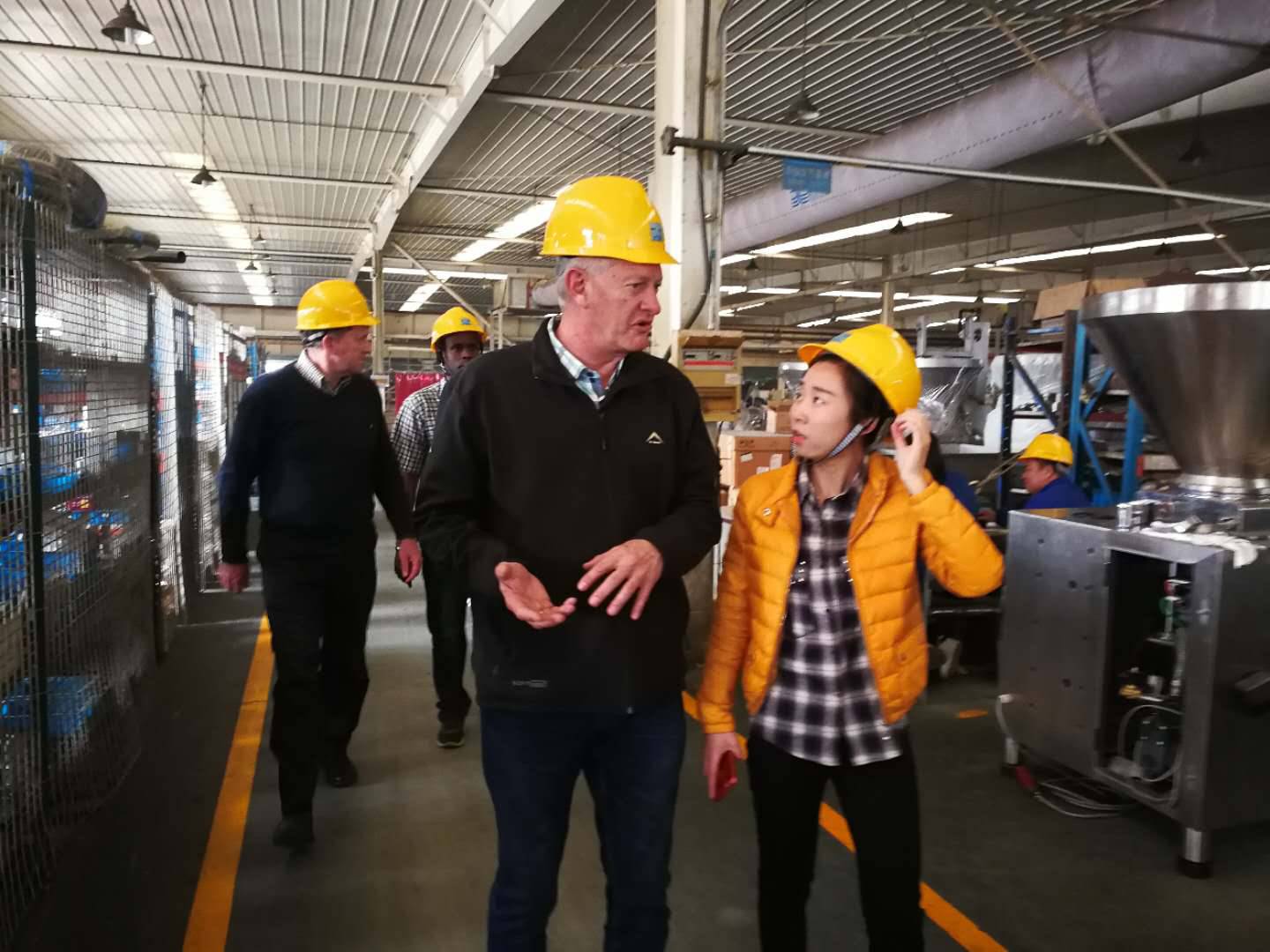
Our team of expert engineers works closely with international clients to ensure that every U beam order meets the precise structural requirements of their projects.
This guide explains how industrial buyers source U beams from China safely, avoid supplier risks, and verify steel quality before placing large-volume orders.
What are U Beams? Understanding the Basics
A U beam, also called a Parallel Flange Channel (PFC) or U-channel, is a structural steel profile with a U-shaped cross-section. It has a flat web and two parallel flanges, making it strong, easy to connect, and suitable for heavy structural work.
Industrial buyers often choose U beams for:
- Warehouse structures
- Bridge supports
- Steel framing systems
- Machinery bases
- Industrial platforms
Their design provides strong load capacity while keeping steel usage efficient.
The Structural Advantages of the U Shape
For project-scale procurement, U beams are preferred because they offer:
- Strong load-bearing performance
- Easier bolting and welding
- Better structural alignment
- Faster installation on site
- Lower fabrication and labor costs
The parallel flanges make connections more reliable than tapered channels, which is especially important for large industrial construction projects.
U Beam vs. C Channel: What’s the Difference?

The parallel flanges of our high-quality U beams make them easier to join and bolt, providing a superior structural solution for modern framing.
U beams and C channels look similar, but the main difference is the flange shape.
- U Beams (PFC): parallel flanges with equal thickness
- C Channels: tapered flanges, thicker near the web and thinner at the edges
For industrial projects, U beams are usually preferred because parallel flanges make bolting, welding, and structural alignment easier and more accurate.
Why Parallel Flanges Matter for Your Project
For large steel projects, parallel flange U beams help reduce installation problems by improving:
- Bolt connection accuracy
- Welding reliability
- Structural alignment
- Installation speed
- Labor efficiency on site
This reduces delays and improves joint strength, especially in high-precision construction work.
Technical Specifications and Standards for U Beams
Before buying U beams, buyers should confirm the correct grade, size, and international standard required for the project.
Many Chinese mills can produce U beams to:
- ASTM A36
- EN 10025 (S235JR / S355JR)
- JIS G3101 (SS400)
- GB/T 700 (Q235 / Q355)
However, buyers should always verify mill capability, certifications, and production quality before placing any deposit.
Common Steel Grades and Standards
- ASTM A36: The most common carbon structural steel standard in North America, known for its excellent weldability and strength.
- EN 10025 (S235JR, S355JR): The European standard for structural steel, with S355JR being a popular high-strength option for more demanding projects.
- JIS G3101 (SS400): A widely used Japanese standard for general structural purposes, often found in projects across Asia.
- GB/T 700 (Q235, Q355): The Chinese national standard, which is equivalent to many international benchmarks and offers exceptional value.
2026 U Beam Specification and Price Reference Table
| Standard | Common Grade | Typical Application | Estimated Price (USD/ton) |
| ASTM A36 | A36 | General Construction, Framing | $580 – $680 |
| EN 10025 | S235JR | Light Structural Work, Bracing | $590 – $690 |
| EN 10025 | S355JR | Heavy Construction, Bridges | $650 – $780 |
| JIS G3101 | SS400 | General Industrial Use | $580 – $670 |
| GB/T 700 | Q235B | Cost-Effective Structural Support | $570 – $660 |
Need help sourcing steel from China? Our team helps international buyers compare steel mills, verify certifications, inspect factories, confirm technical specifications, and secure mill-direct pricing before payment. Share your project requirements today for quotation support and supplier evaluation.
WhatsApp Us for Free a Consultation
The U Beam Manufacturing Process

Our factory partners utilize state-of-the-art hot-rolling technology to produce U beams with exceptional strength and dimensional accuracy.
Most U beams are produced through a hot-rolling process in steel mills.
The process includes:
- Heating steel billets to high temperatures
- Passing them through heavy rollers
- Forming the final U-shaped profile
- Cooling and straightening
- Quality testing before shipment
This process gives U beams strong load capacity, uniform structure, and reliable mechanical performance for industrial use.
Hot-Rolled vs. Cold-Formed U Beams
There are two common production methods:
Hot-Rolled U Beams
Best for:
- Heavy structural projects
- Bridges
- Warehouses
- Industrial buildings
They offer higher strength and better load-bearing performance.
Cold-Formed U Beams
Best for:
- Lighter applications
- Smaller fabricated parts
- Projects needing tighter tolerances
They provide smoother surfaces but lower structural strength than hot-rolled sections.
How to Buy U Beams: A Step-by-Step Procurement Guide
Large U beam orders involve risks beyond price. Buyers must check supplier authenticity, steel grade accuracy, certifications, and payment security before placing an order.
For safe procurement:
- Confirm technical specifications
- Verify if the supplier is a real mill or trader
- Check certifications and Mill Test Certificates
- Inspect production capability
- Arrange pre-shipment inspection before export
For project-scale imports, supplier verification is often more important than the lowest quoted price.
The Procurement Checklist
- Define Your Requirements: Start by identifying the exact dimensions, steel grade, and standard required for your project.
- Select a Verified Supplier: Choose a supplier with a strong reputation and a history of success stories in the international market.
- Request a Detailed Quote: Ensure the quote includes the price per ton, lead times, and shipping terms (e.g., FOB, CIF).
- Verify Quality Documentation: Always request a Mill Test Certificate (MTC) to confirm the steel meets the specified standards.
- Plan for Logistics: Coordinate the shipping and delivery to your site, ensuring the beams are properly packaged and protected.
Packaging and Shipping Your U Beam Orders

We take great care in packaging our U beams to ensure they arrive at your site in perfect condition, free from damage or corrosion.
Once you’ve decided to buy U beams, the final step is ensuring they reach your project site safely. Proper packaging is essential for protecting the beams during transit, especially for international sea shipments. Most U beams are shipped in bundles, secured with heavy-duty steel straps and often protected with plastic caps or waterproof wrapping. This attention to detail prevents surface damage and corrosion, ensuring that the steel you receive is ready for immediate use.
Efficient Global Logistics and Delivery

Our world-class logistics network ensures that your U beam orders are delivered efficiently and on time to any destination worldwide.
Shipping large quantities of structural steel requires a robust logistics network. At Camasteel, we manage the entire process, from the mill to the final destination. Whether you’re shipping in standard containers or as break-bulk cargo, we ensure that your U beam order is handled with the utmost care. Our team’s expertise in international trade means you can buy U beams with the peace of mind that your shipment will arrive on time and in compliance with all local regulations.
People Also Ask: U Beam Buying FAQ
Q1: What is the most common use for U beams in construction?
U beams are most frequently used for framing and bracing in buildings and bridges. Their shape makes them ideal for creating strong, lightweight structures that can withstand significant stress. Many engineers choose to buy U beams for floor joists, roof supports, and as part of the structural skeleton of industrial warehouses.
Q2: Can I buy U beams in custom lengths?
Yes, while there are standard lengths (typically 6m or 12m), many mills can produce custom lengths to meet your specific project requirements. This can significantly reduce on-site cutting and waste, saving you time and money. When you buy U beams through a comprehensive supplier like Camasteel, we can help coordinate these custom requirements with the mill.
Q3: How do I know if I need a U beam or an I beam?
The choice depends on the direction and magnitude of the load. I beams are generally better for carrying heavy vertical loads over long spans, while U beams are excellent for framing, bracing, and applications where the beam needs to be bolted to a flat surface. If you’re unsure, it’s always best to consult with a structural engineer before you buy U beams.
Q4: What should I look for in a Mill Test Certificate (MTC)?
An MTC should include the chemical composition, mechanical properties (tensile strength, yield strength, elongation), and the standard to which the steel was manufactured. It’s your primary proof of quality when you buy U beams, and you should always insist on receiving one for every shipment.
Conclusion: Secure High-Quality U Beams for Your Next Project
Choosing to buy U beams is a critical decision for the success of your structural projects. By understanding the technical specifications, comparing the different standards, and working with a verified supplier, you can ensure that you receive high-performance materials that meet your exact needs. In 2026, the combination of Chinese manufacturing excellence and global logistics expertise makes it easier than ever to source the best U beams for your business.
At Camasteel, we’re here to support you at every step of the procurement process. Our team of experts is ready to help you navigate the complexities of the international steel market and ensure your project’s success. Ready to get started? Contact us today for a free consultation and a competitive quote on your next U beam order.
Industrial Buyers: Importing Steel to Mexico?
Are you navigating a serious steel purchase? We understand the complexities involved.
✅ Do you know your steel specifications?
✅ Are you buying in bulk?
✅ Do you need supplier verification in China?
✅ Do you need inspection before shipment?
✅ Do you need support shipping to Mexico?
If you answered yes to these questions, you’re likely handling a significant steel procurement. Share Your Requirements with us today to streamline your import process.