
Buying I-beam steel in bulk requires more than comparing price per ton. Buyers must verify steel grade, mill capability, dimensional tolerances, and supplier legitimacy before placing large structural orders. I-beam steel is widely used in warehouses, bridges, factories, industrial buildings, and heavy structural framing where load-bearing performance is critical.
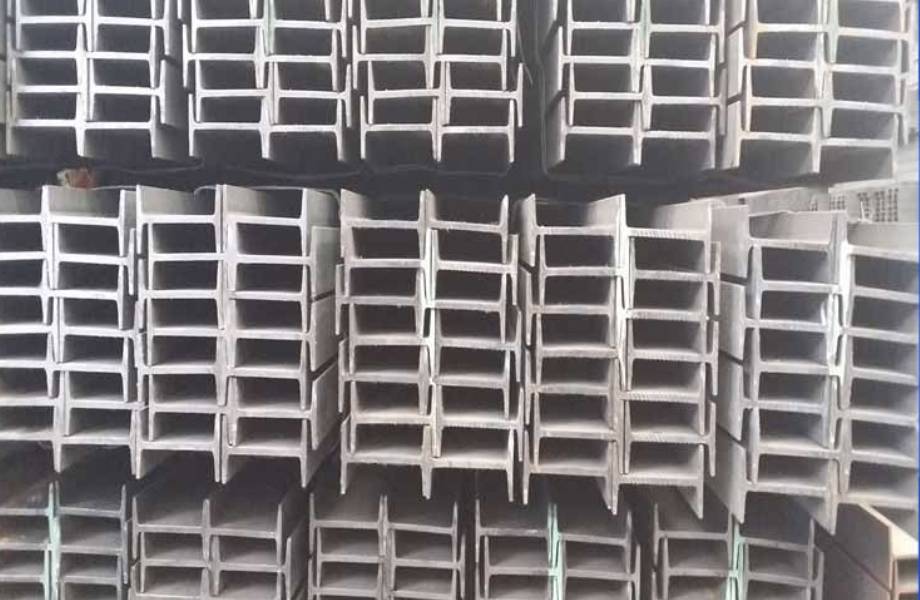
China’s leading structural steel mills to ensure every I-beam meets your exact grade and dimensional specifications for your construction projects
In 2026, China continues to dominate the global market, offering an unparalleled combination of scale, quality, and competitive pricing. This guide explains how industrial buyers source I-beam steel safely from China by verifying mill capability, structural grades, and production quality before shipment.
What is I-Beam Steel? Defining the Structural Backbone
An I-beam, also known as a universal beam or a structural beam, is a hot-rolled steel product with an I-shaped cross-section. It consists of two horizontal elements, known as flanges, and a vertical element, known as the web. This unique shape is engineered to resist bending and shear loads, making it the ideal choice for load-bearing applications.
When you buy I-beam steel, you are purchasing a material that provides maximum strength with minimum weight, a key requirement for modern structural engineering.
The Role of I-Beams in Modern Infrastructure
For large construction and infrastructure projects, I-beam quality directly affects structural safety, fabrication efficiency, and long-term project performance. It is the lifeblood of the structural framing industry, where it is used to create the skeletons of our most iconic buildings.
In 2026, as global infrastructure projects become more complex and ambitious, the demand for high-quality I-beams with precise chemical compositions and dimensional tolerances is at an all-time high. Many Chinese mills can supply ASTM, EN, and GB standard I-beams, but buyers should verify mill ownership, export capability, and certification before sending any deposit.
Technical Specifications: Grades, Sizes, and Standards
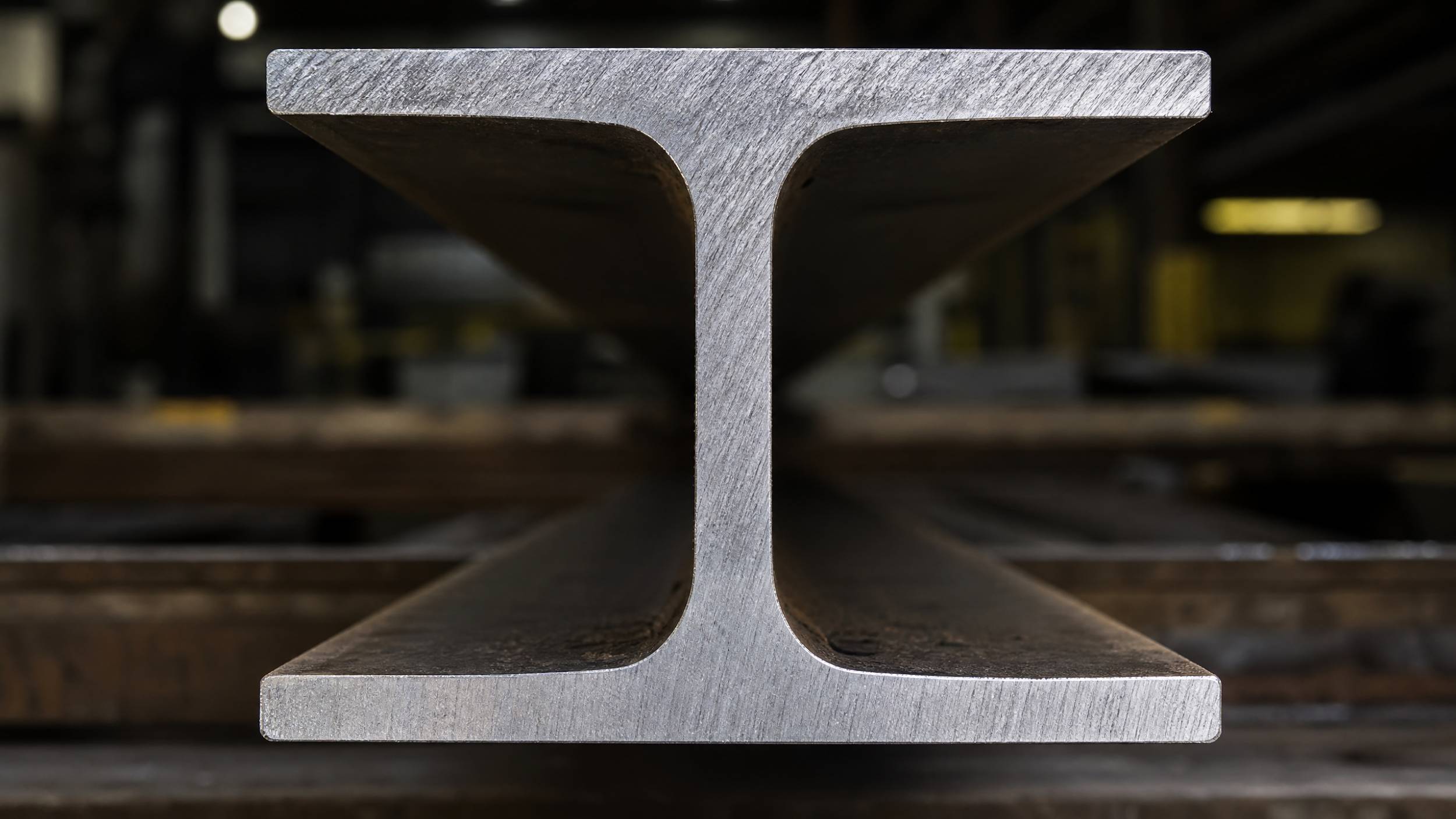
The engineered I-shape is designed to provide exceptional structural integrity, allowing for longer spans and heavier loads in modern building designs.
When you look to buy I-beam steel, understanding the grading system and dimensional standards is crucial. The most common international standards are the ASTM A36 and the European S235JR or S355JR grades. These standards define the steel’s yield strength and chemical composition, ensuring it can handle the stresses of structural applications.
Furthermore, dimensional tolerances are critical; an I-beam that is out of square or has inconsistent web thickness can cause significant issues during fabrication and assembly. Always insist on a Mill Test Certificate (MTC) that details the exact properties of your order to ensure it meets responsible steel standards.
I-Beam vs. H-Beam: Choosing the Right Profile
While often used interchangeably, there are technical differences between I-beams and H-beams. I-beams typically have tapered flanges and a thinner web, making them lighter and better suited for shorter spans. H-beams, on the other hand, have parallel flanges and a thicker web, providing greater strength for long spans and heavy loads. Understanding these differences is essential when you buy I-beam steel for specific engineering requirements.Choosing the correct beam profile and verifying actual production capability helps prevent fabrication delays, wrong material supply, and costly project disruptions.
2026 I-Beam Steel Specification and Price Reference Table
| Grade | Common Standards | Typical Application | Estimated Price (USD/ton) |
| ASTM A36 | US Standard | General Construction, Framing | $580 – $620 |
| S235JR | EN 10025 | Light Structural, Machinery | $590 – $630 |
| S355JR | EN 10025 | Heavy Structural, Bridges | $650 – $720 |
| Q235B | GB/T 700 | General Purpose, Industrial | $570 – $610 |
| Q345B | GB/T 1591 | High-Strength Structural | $630 – $680 |
Need help sourcing steel from China? Our team helps international buyers compare steel mills, verify certifications, inspect factories, confirm technical specifications, and secure mill-direct pricing before payment. Share your project requirements today for quotation support and supplier evaluation.
WhatsApp Us for Free a Consultation
The I-Beam Steel Manufacturing Process
The production of I-beam steel is a high-temperature, high-precision operation. In 2026, the leading Chinese mills utilize advanced hot-rolling technology where a steel billet is heated to over 1,100°C and then passed through a series of specialized rolling stands. These rollers gradually shape the steel into the final I-profile, ensuring uniform grain structure and consistent mechanical properties throughout the beam. This rapid processing, followed by controlled cooling, is what gives the I-beam its exceptional strength-to-weight ratio.
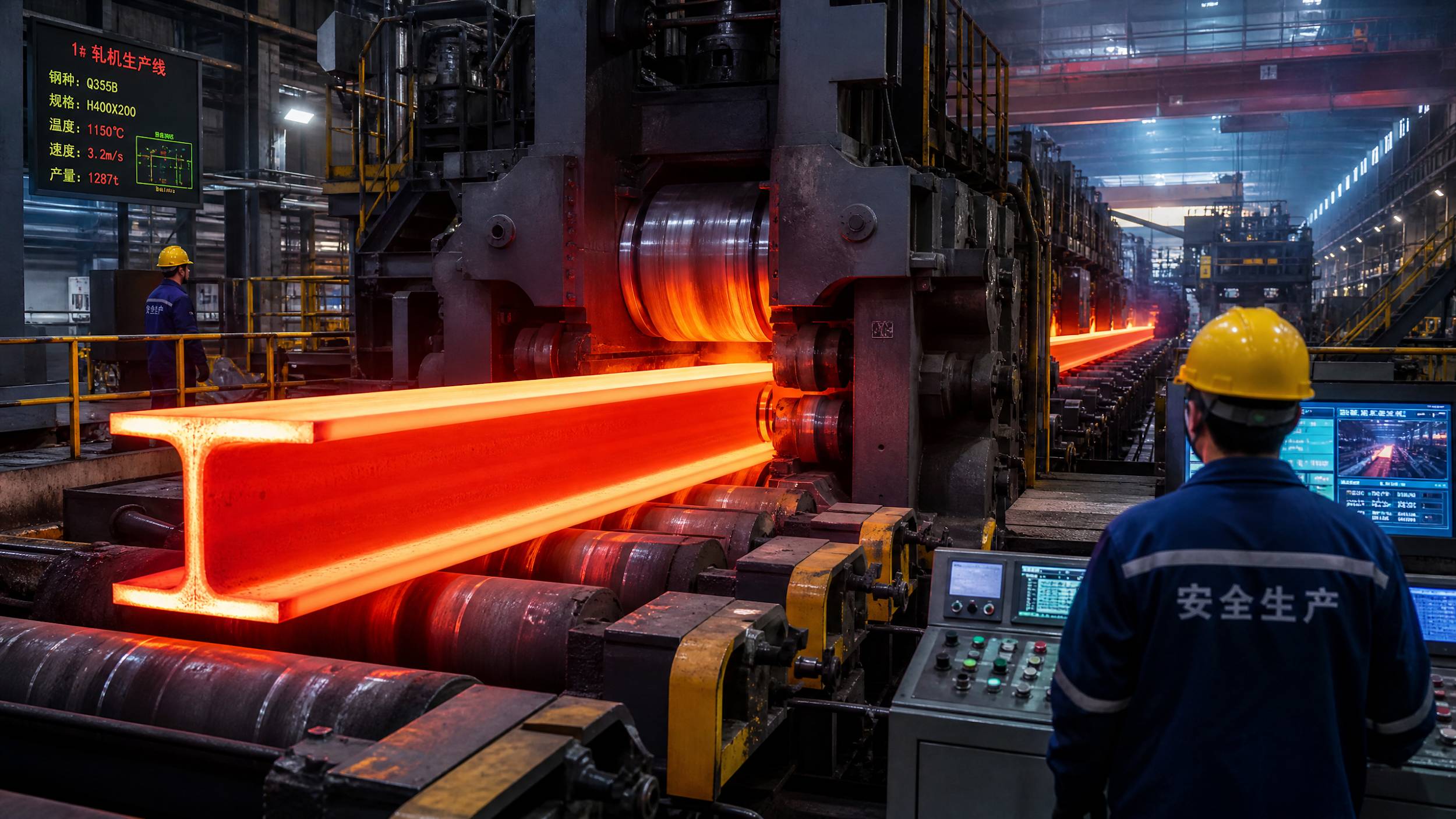
Our factory partners utilize state-of-the-art hot-rolling technology to produce I-beams with exceptional dimensional precision and structural uniformity.
Quality Control and Surface Integrity
After the final rolling pass, the I-beam steel is carefully inspected for dimensional accuracy and surface quality. Modern mills use sophisticated laser-measuring systems to ensure the beam meets the required tolerances for height, flange width, and straightness. Furthermore, the surface is often shot-blasted and primed to prevent corrosion during storage and transit.
Dimensional accuracy, straightness, and surface condition must be checked before shipment to avoid installation problems and structural compliance issues on site.
How to Buy I-Beam Steel: A Procurement Guide
Large I-beam orders involve risks beyond price, including trader misrepresentation, incorrect steel grades, dimensional tolerance failures, and payment exposure before production begins.
In 2026, while the market is highly efficient, it still requires a deep understanding of structural standards, logistics, and trade regulations. Whether you are a large-scale developer or a construction firm, following a structured procurement process is essential for securing the best value. Working with an experienced partner like Camasteel ensures that every step of your purchase is handled with expertise and transparency.
The Procurement Journey
1. Define Your Technical Requirements:
Clearly specify the grade (e.g., S355JR), dimensions (height, flange width), and any specific tolerances required.
2. Select a Verified Mill:
Do not rely only on supplier profiles or emails. Verify whether the supplier is a real steel mill, check rolling capacity, and confirm export experience before releasing payment.
3. Request a Comprehensive Quote:
Ensure the quote covers the price, lead times, and all relevant shipping terms (FOB, CIF).
4. Insist on Quality Documentation:
Always require a Mill Test Certificate (MTC) and consider third-party inspections before shipment.
5. Coordinate Logistics:
Work with a logistics expert to manage the shipping and delivery of your beams to their final destination.
Packaging and Shipping for Global Export
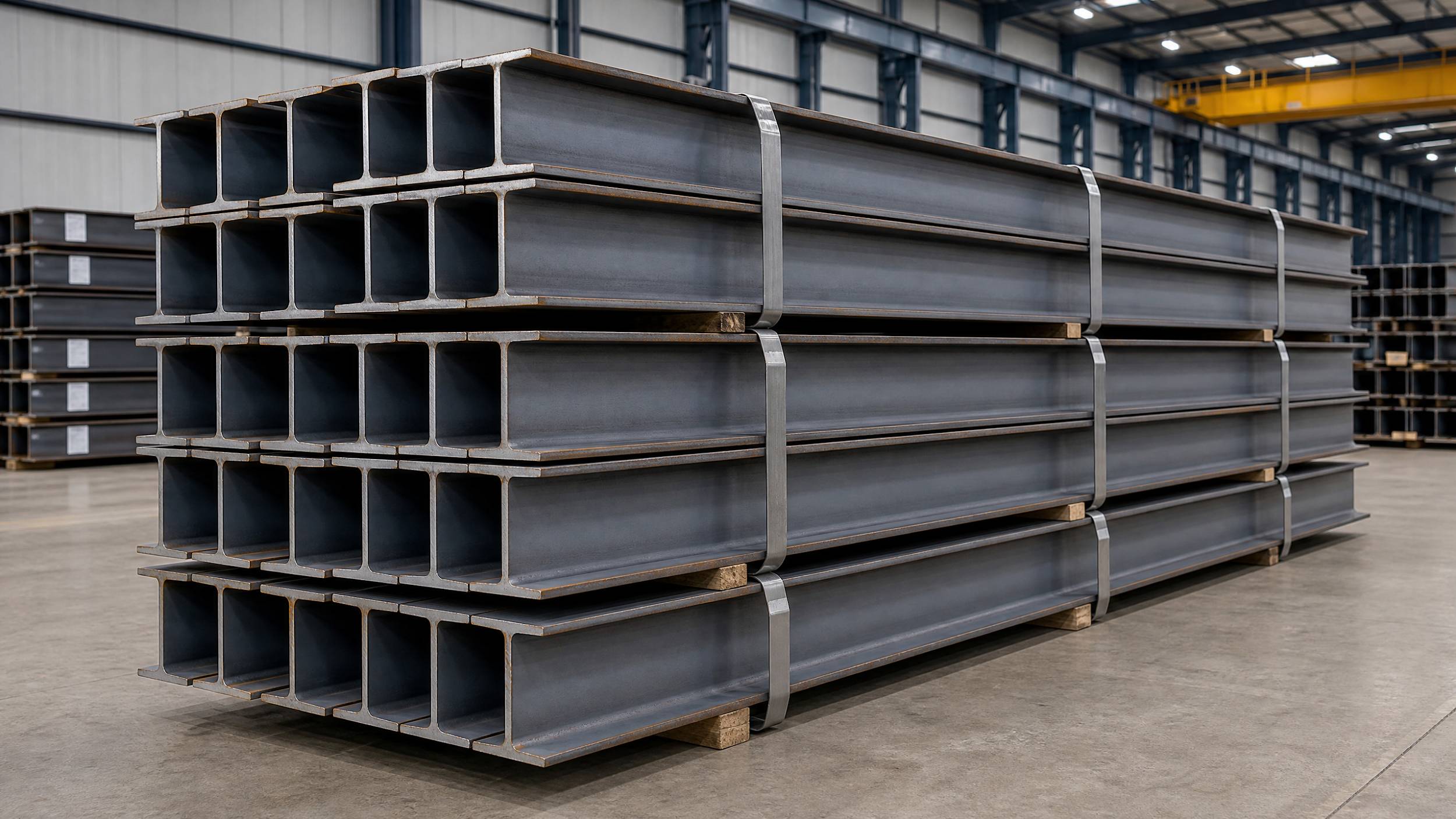
We ensure that every I-beam is securely bundled and strapped to prevent any shifting or damage during international transit, ensuring they arrive in perfect condition.
Once your I-beam steel is produced, ensuring it reaches your facility in perfect condition is the final challenge. Beams are typically shipped in bundles, secured with heavy-duty steel straps to prevent them from shifting or bending during transport. While the steel is robust, proper handling is still essential to avoid surface nicks or localized damage that could compromise the structural integrity.
At Camasteel, we take great pride in our packaging and logistics processes, ensuring that your order arrives exactly as expected.
Efficient Logistics and Port Handling
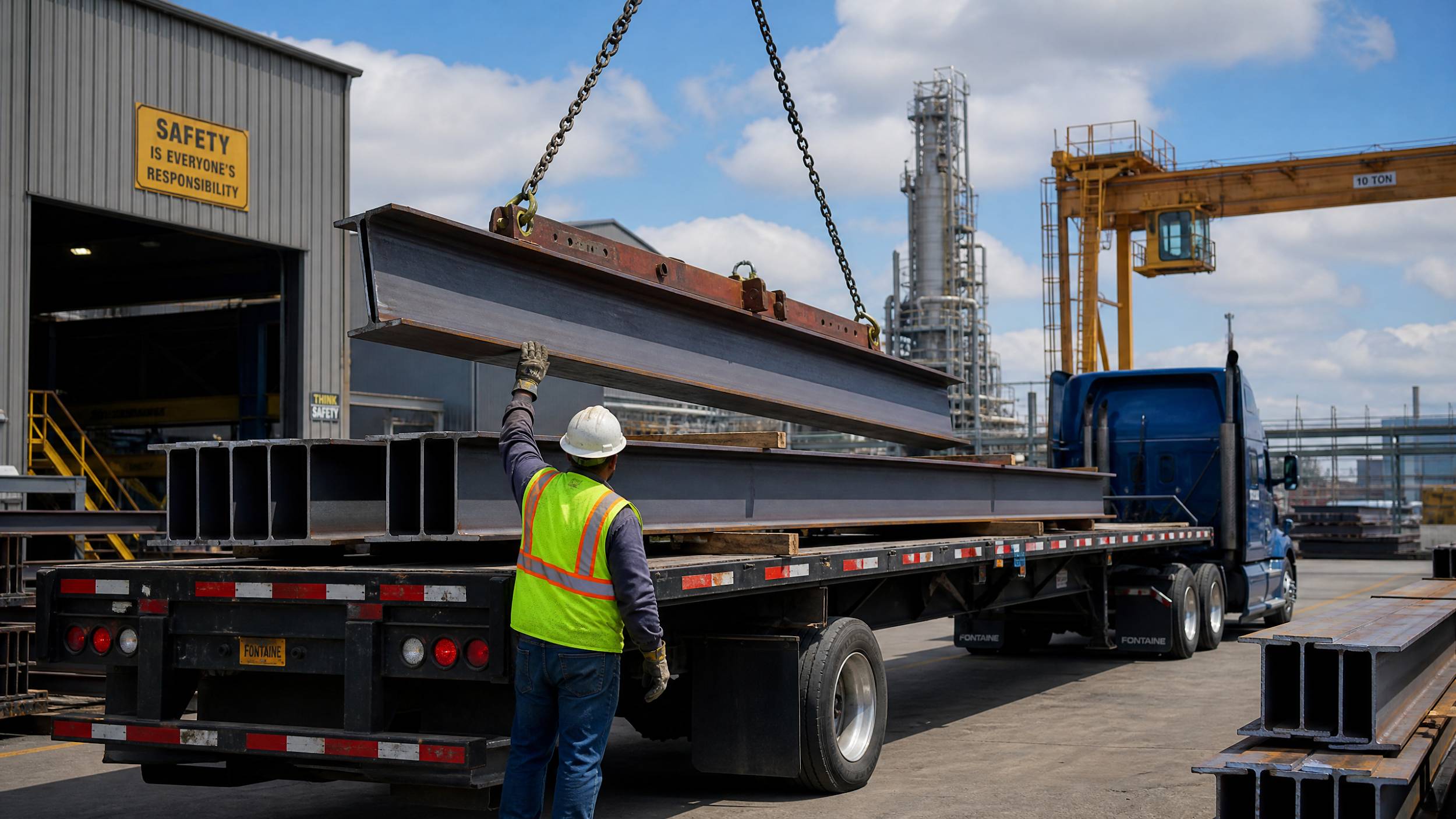
Our world-class logistics network manages the efficient loading and transport of I-beam steel to major ports and construction sites worldwide.
Shipping thousands of tons of I-beam steel requires a sophisticated logistics operation. Most international shipments are handled as break-bulk cargo on large ocean-going vessels. This requires careful coordination with port authorities and stevedores to ensure the beams are loaded and secured correctly. Our team’s deep experience in international trade means you can source your I-beams with the confidence that your shipment will be handled professionally from the mill to your doorstep.
People Also Ask: I-Beam Steel FAQ
What is the difference between an I-beam and a Universal Beam (UB)?
In many markets, “I-beam” and “Universal Beam” are used interchangeably. However, “Universal Beam” is a specific term used in the UK and Australian standards (BS 4-1 / AS/NZS 3679.1), while “I-beam” is a more general term used globally. Both refer to the same structural shape.
Can I-beams be used for residential construction?
Yes, I-beams are commonly used in residential construction for floor joists and roof supports, especially in larger homes or those with open-plan designs. They allow for longer spans without the need for intermediate support columns.
Can I-beam steel be recycled?
Yes, steel is 100% recyclable. Old structural beams can be melted down and cast into new billets, which are then rolled into new steel products. This circularity is a key part of the industry’s move toward more sustainable production and responsible steel practices.
How do I verify the quality of an I-beam shipment?
The most important document is the Mill Test Certificate (MTC), which provides the chemical and mechanical properties of the steel. Additionally, you can hire third-party inspection services like SGS or BV to perform visual inspections and dimensional testing before the beams are loaded for shipment.
Conclusion: Secure Your Supply of High-Quality I-Beam Steel
Securing a reliable supply of I-beam steel is a fundamental requirement for any successful construction or engineering operation. By understanding the technical specifications, the manufacturing process, and the best practices for procurement, you can ensure that your business has the high-quality structural material it needs to thrive. In 2026, the global steel market offers incredible opportunities for those who know how to navigate it with professional expertise.
At Camasteel, we are dedicated to helping our clients succeed by providing the best steel products and procurement support in the industry. Our team is ready to help you find the perfect I-beams for your specific needs. Before placing a large steel deposit, verify the supplier, confirm structural specifications, and inspect production to reduce procurement risk and protect your project.
Industrial Buyers: Planning to Buy Steel from China?
✅ Do you know your steel specifications?
✅ Are you buying large quantities of steel?
✅ Do you need support to check if your supplier is a real steel mill (not trader)?
✅ Do you need factory verification before you pay a large deposit?
✅ Do you need pre-shipment inspection to make sure the steel grade is correct?
If yes, you may be handling a serious steel purchase. [Share Your Requirements]