
Steel Balls Introduction
Grinding balls are important parts of mining and industrial grinding operations.
Choosing the right grinding media is an important decision for mining companies because grinding balls directly affect mill performance, operating costs, and production efficiency.
The two most common types of grinding media are:
- Forged steel grinding balls
- Cast grinding balls
Both products are used for grinding, but they are made differently. This affects their:
- Hardness
- Wear resistance
- Impact strength
- Service life
- Overall cost
Choosing the right grinding balls can help companies improve grinding efficiency and reduce replacement costs.
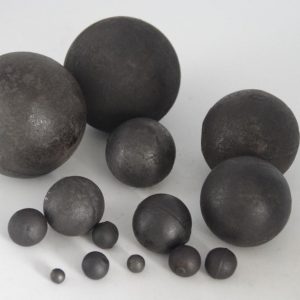
In this article, we will compare forged and cast grinding balls and explain the key differences to help you choose the right grinding media for your application.
What Are Grinding Balls and How Do They Work in Ball Mills?
Grinding balls are steel balls used inside grinding mills to crush and grind materials into smaller particles.
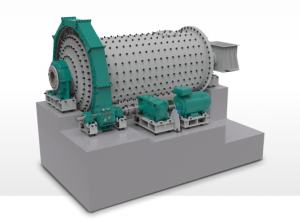
In mining operations, grinding balls are mainly used in ball mills. A ball mill is a large rotating machine that contains grinding balls and the material being processed.
Forged Steel Grinding Balls vs Cast Grinding Balls: What Is the Difference?
Both forged and cast grinding balls are used as grinding media in mining and industrial applications.
The main difference is how they are made. The manufacturing process affects their strength, toughness, wear resistance, and performance during grinding.
Forged vs Cast Grinding Balls Comparison
| Item | Forged Steel Grinding Balls | Cast Grinding Balls |
|---|---|---|
| Manufacturing process | Made by heating and forging steel | Made by pouring molten metal into molds |
| Strength | Higher toughness and impact resistance | Lower toughness compared with forged balls |
| Breakage | Lower risk of cracking and breaking | Higher risk of breakage under heavy impact |
| Wear resistance | Good wear resistance for demanding applications | Depends on alloy and application |
| Best suited for | Mining, large ball mills, and high-impact grinding | Cement and general grinding applications |
For mining operations, where grinding balls experience continuous impact inside ball mills, forged steel grinding balls are usually the preferred choice because they provide better durability and lower breakage rates.
How Are Forged and Cast Grinding Balls Made?
The manufacturing process is one of the main differences between forged and cast grinding balls.
Different production methods create different material structures, which affect the strength, toughness, and performance of the grinding balls.
How Are Forged Steel Grinding Balls Made?
Forged steel grinding balls are made from high-quality steel bars or billets.
The steel is heated to a high temperature and then shaped into balls using forging equipment. After forging, the balls go through heat treatment to improve hardness and toughness.
This process creates a strong internal structure, helping forged grinding balls resist impact and reduce breakage during heavy grinding operations.
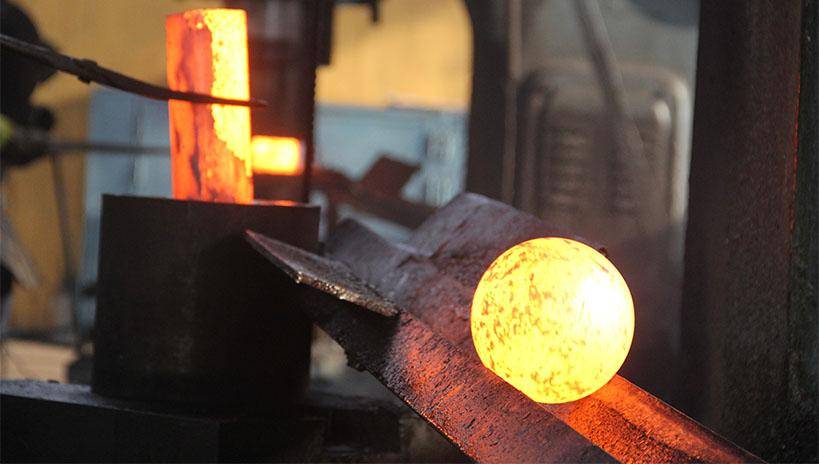
Manufacturing steps:
- Steel billets are heated
- Steel is forged into grinding balls
- Balls are heat treated
- Balls are inspected and tested
How Are Cast Grinding Balls Made?
Cast grinding balls are made by melting steel or alloy materials and pouring the molten metal into molds.
After cooling and solidification, the balls are removed from the molds and processed to achieve the required size and hardness.
Manufacturing steps:
- Metal or alloy is melted
- Molten metal is poured into molds
- Balls are cooled and removed
- Balls are processed and inspected
Which Grinding Balls Should You Choose for Mining?
For most mining applications, forged steel grinding balls are the preferred choice because they provide better impact resistance, lower breakage rates, and longer service life.
Mining ball mills operate under heavy conditions. Grinding balls are continuously dropped, impacted, and worn during the grinding process. This means the grinding media must have enough strength to handle repeated impact.
Forged Steel Grinding Balls Production Video
VIDEO: Forged Steel Grinding Balls — Production & Buying Guide
Choose Grinding Balls Based on Your Application
When selecting grinding balls, consider:
Mining operation
Different ores and minerals require different grinding conditions. Harder materials usually need stronger grinding media.
Ball mill type and size
Large ball mills with higher impact forces often require tougher grinding balls.
Material being processed
The hardness and size of the material affect grinding performance and ball wear.
Operating conditions
Factors such as mill speed, impact level, and grinding environment can affect the service life of grinding balls.
While cast grinding balls may work for some applications, forged steel grinding balls are commonly chosen for demanding mining operations where reliability and low breakage are important.
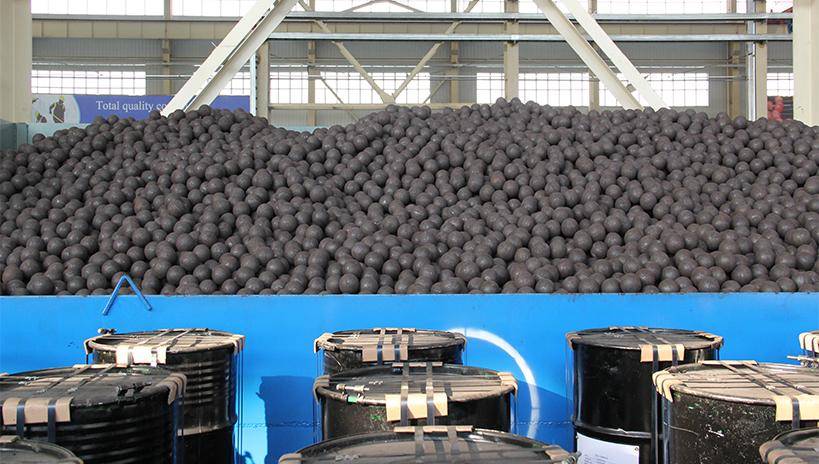
Why Do Mining Companies Prefer Forged Steel Grinding Balls?
Mining companies often choose forged steel grinding balls because mining operations require grinding media that can handle heavy impact and continuous wear.
Inside a ball mill, grinding balls repeatedly hit the ore and each other. This creates strong impact forces that can cause weaker balls to crack or break.
Forged steel grinding balls offer several advantages:
Higher Impact Resistance
Forged balls have a strong internal structure, allowing them to handle repeated impact inside large ball mills.
Lower Breakage Rate
Because of their higher toughness, forged grinding balls are less likely to crack or break during operation.
Longer Service Life
Better wear resistance means forged balls can last longer, reducing the need for frequent replacement.
More Consistent Performance
High-quality forged grinding balls provide stable performance throughout the grinding process, helping mining companies maintain efficient operations.
For demanding mining applications, forged steel grinding balls are widely used because they provide a reliable balance of strength, durability, and cost efficiency.
What Should You Check Before Buying Grinding Balls From China?
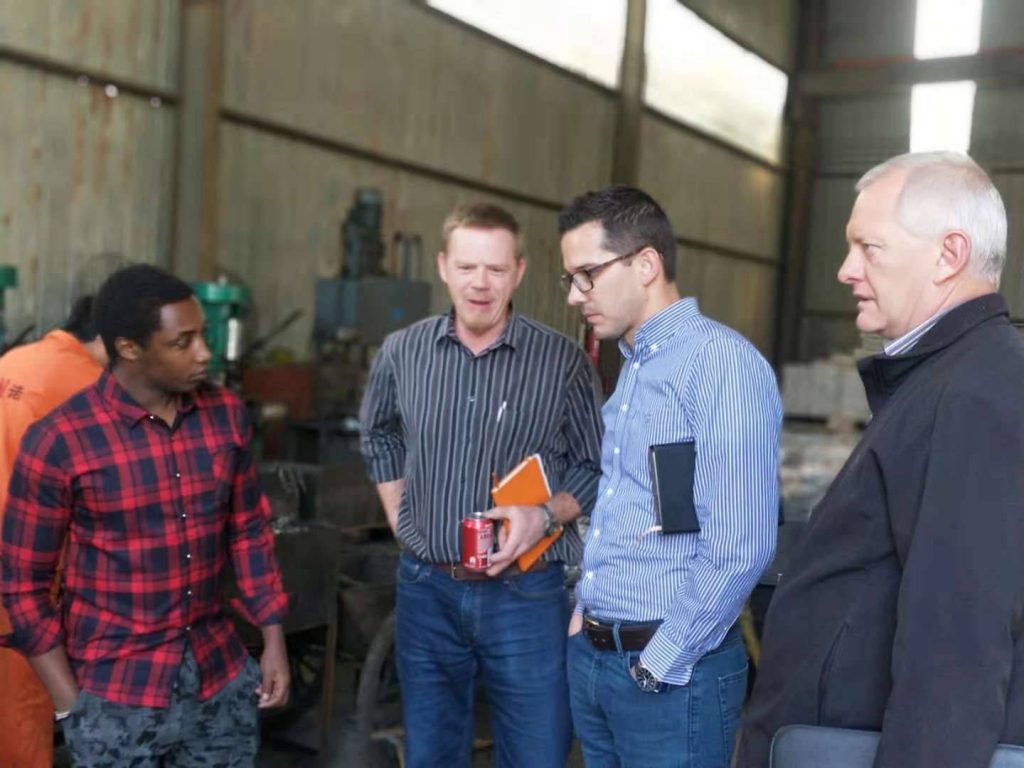
Buying grinding balls from China can provide cost advantages, but choosing the right manufacturer is important.
Before placing an order, buyers should check several key factors to ensure they receive reliable grinding media.
Steel Grade and Specifications
Grinding balls should meet the required specifications for your application, including size, material grade, hardness, and chemical composition.
Manufacturer Experience
An experienced grinding ball manufacturer should understand mining requirements and have the production capability to supply consistent quality.
Quality Inspection and Testing
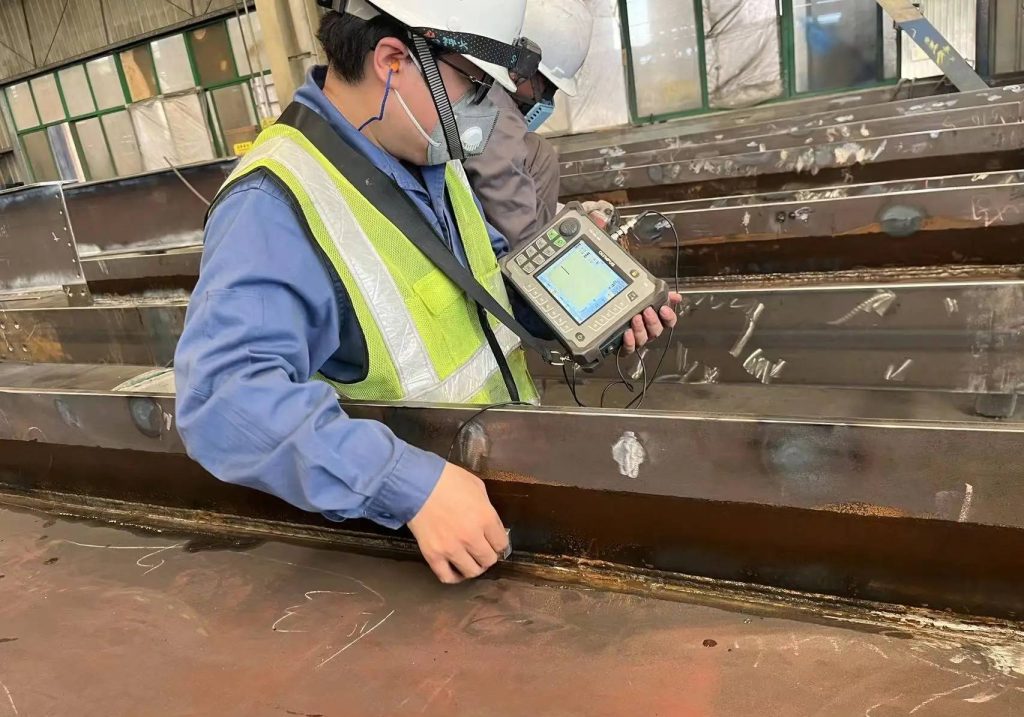
Reliable suppliers should inspect grinding balls before shipment. Important checks include hardness testing, size inspection, impact testing, and surface quality checks.
Mill Test Certificates
Mill test certificates provide important information about the steel material and production quality. These documents help buyers confirm that the products meet the required standards.
Third-Party Inspection
For larger orders, buyers may choose third-party inspection companies to verify product quality before shipment.
Choosing the right supplier is just as important as choosing the right type of grinding ball. A reliable manufacturer can help reduce quality risks and ensure stable supply for mining operations.
Frequently Asked Questions About Grinding Balls
Are forged grinding balls better than cast grinding balls?
For most mining applications, forged grinding balls are considered the better choice because they offer higher toughness, better impact resistance, and lower breakage rates.
Cast grinding balls can be suitable for some applications, but forged balls are usually preferred for heavy-duty mining operations.
What size grinding balls do mining companies use?
The size of grinding balls depends on the type of ore, mill size, and grinding requirements.
Common grinding ball sizes used in mining include 20 mm to 150 mm, with larger mills often using larger diameter balls.
How long do grinding balls last?
The service life of grinding balls depends on factors such as material hardness, mill conditions, ore type, and operating environment.
High-quality forged grinding balls usually provide longer service life because they have better wear resistance and impact strength.
Can I buy grinding balls directly from China?
Yes, many mining companies purchase grinding balls directly from Chinese manufacturers.
When sourcing from China, buyers should check supplier experience, product specifications, quality testing procedures, and export capability before placing an order.
Conclusion: Choosing the Right Grinding Media Supplier
Choosing the right grinding balls is important for improving grinding performance and reducing operating problems.
While both forged and cast grinding balls have their applications, forged steel grinding balls are usually the preferred choice for mining operations because of their higher toughness, lower breakage rate, and longer service life.
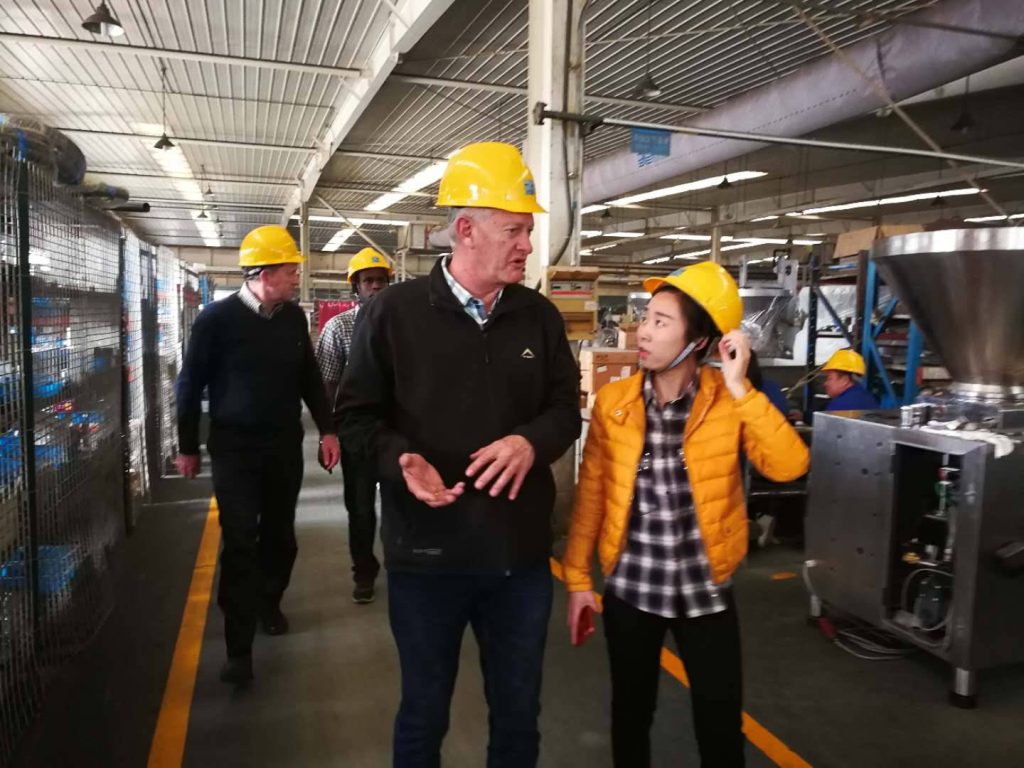
However, selecting the right product is only part of the decision. Working with a reliable supplier is also important to ensure consistent quality, accurate specifications, and reliable delivery.
At Camasteel, we help mining companies source quality forged steel grinding balls from China with strict quality control, factory inspections, and third-party testing options.
Contact us today to discuss your grinding media requirements and find the right solution for your mining operation.