
Importing steel to Australia is a sophisticated process that demands more than just finding a competitive price. In 2026, the Australian market is governed by some of the world’s strictest quality standards and complex trade regulations. For industrial buyers, EPC contractors, and large-scale manufacturers, navigating this landscape requires a strategic and professional approach.
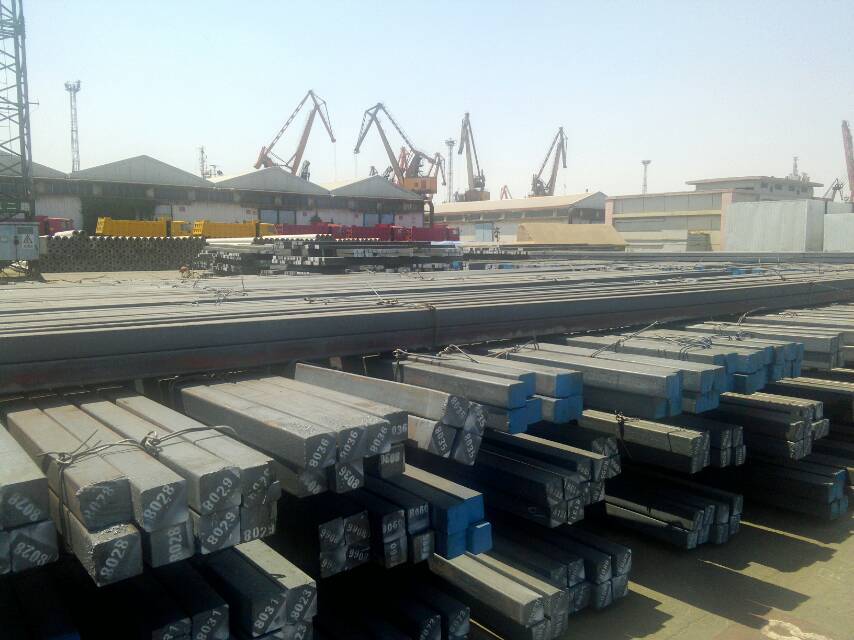
Major Australian ports like Sydney, Melbourne, and Brisbane serve as the primary gateways for high-quality steel imports destined for large-scale infrastructure projects.
The Australian construction and manufacturing sectors rely heavily on high-quality steel imports to supplement local production. However, failure to comply with AS/NZS standards or a misunderstanding of anti-dumping duties can lead to catastrophic project delays and financial losses. This guide provides the essential roadmap for a successful and safe procurement journey.
Why Import Steel to Australia?
The decision to import steel is often driven by the need for specific technical capabilities and economic efficiency. While Australia has a robust domestic steel industry, international sourcing offers several critical advantages for large-scale projects. Understanding these drivers is the first step in your procurement strategy.
In 2026, the global steel market is highly dynamic, and the best steel companies in China have invested heavily in meeting Australian technical requirements. This allows buyers to access a broader range of specialized products that may not be available locally in the required volumes.
Access to Specialized Steel Grades
Many advanced infrastructure and energy projects require specialized steel grades that local mills may not produce in bulk. Importing allows you to source high-performance materials like weather-resistant steel or specialized alloys directly from world-class mills. This ensures your project utilizes the most appropriate materials for its specific environment.
Cost Competitiveness for Large Volumes
For major construction projects, the economies of scale offered by international mills can provide significant cost savings. Even with shipping costs and tariffs, importing large volumes often remains more cost-effective than local sourcing. At Camasteel, our about us mission is to help you leverage these global advantages safely.
Navigating Australian Steel Standards (AS/NZS)
The most critical factor in importing steel to Australia is compliance with the relevant Australian Standards. The AS/NZS framework is designed to ensure the safety and structural integrity of buildings and infrastructure across the continent. Non-compliant steel is not just a regulatory risk; it’s a safety hazard.
In 2026, the primary standards for structural steel include AS/NZS 3678, AS/NZS 3679.1, and the comprehensive AS/NZS 5131 for structural steelwork. Every batch of imported steel must be accompanied by a Mill Test Certificate (MTC) that explicitly demonstrates compliance with these specific codes.
The Importance of AS/NZS 5131 Compliance
AS/NZS 5131 defines the requirements for the fabrication and erection of structural steelwork. It categorizes projects into “Construction Categories” (CC1 to CC4) based on risk. Ensuring your supplier understands these categories is vital for project success. This focus on technical excellence is central to our responsible steel commitment.
Verification and Third-Party Testing
Never rely solely on a supplier’s word; independent verification is essential. For high-risk projects, we recommend third-party laboratory testing in Australia to confirm the chemical and mechanical properties of the imported steel. This proactive approach is a hallmark of the many success stories we’ve facilitated for Australian clients.
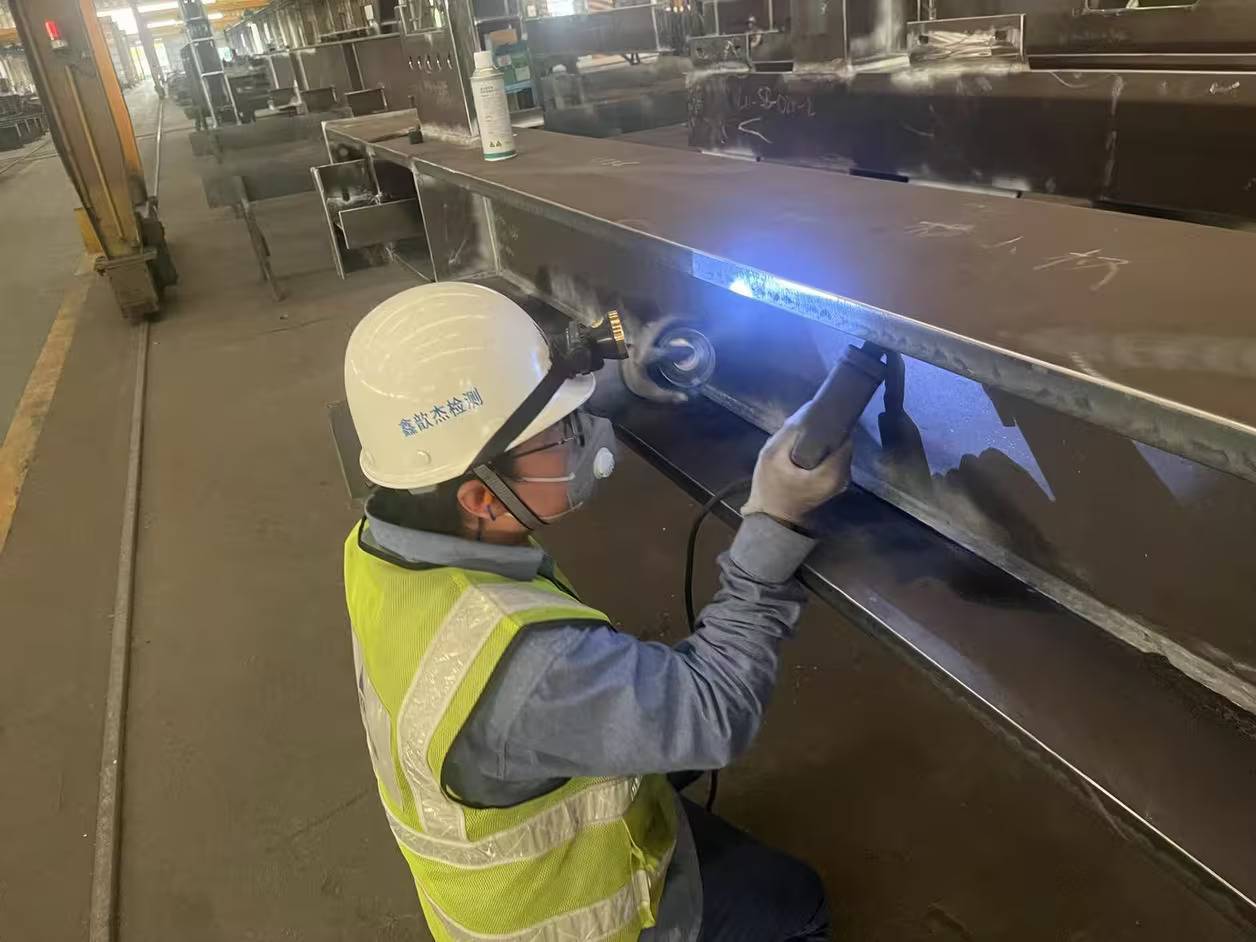
Professional on-site inspection is mandatory steps to ensure that every imported steel beam meets Australia’s strict structural safety standards.
2026 Australia Steel Import Reference Table
| Product Category | Relevant AS/NZS Standard | Common Grades | Estimated Price (AUD/tonne) |
| Structural Beams | AS/NZS 3679.1 | 300, 350, 350L0 | $1,800 – $2,200 |
| Steel Plate | AS/NZS 3678 | 250, 350, 450 | $1,650 – $2,100 |
| Hollow Sections | AS/NZS 1163 | C250L0, C350L0 | $1,900 – $2,400 |
| Reinforcing Bar | AS/NZS 4671 | 500N, 500E | $1,400 – $1,750 |
| Coated Coils | AS/NZS 2728 | G300, G550 | $2,200 – $2,800 |
Need help sourcing steel from China? Our team helps international buyers compare steel mills, verify certifications, inspect factories, confirm technical specifications, and secure mill-direct pricing before payment. Share your project requirements today for quotation support and supplier evaluation.
WhatsApp Us for Free a Consultation
Understanding Tariffs and Anti-Dumping Duties
Australia actively protects its domestic steel industry through a series of anti-dumping and countervailing duties. In 2026, these duties can significantly impact the final landed cost of your steel. It is essential to check the latest findings from the Anti-Dumping Commission before finalizing any purchase.
The Impact of Anti-Dumping Measures
Anti-dumping duties are applied to specific products from specific countries to prevent unfair competition. For example, certain types of hot-rolled coil or structural sections from various countries may be subject to duties ranging from 5% to over 80%. Accurately calculating these costs is a vital part of your financial planning.
Tariff Concession System (TCS)
If a specific steel product is not produced in Australia, you may be eligible for a Tariff Concession Order (TCO). This can reduce the general duty rate to zero, providing a significant cost advantage. Navigating the TCS requires detailed technical knowledge of both the imported product and the local manufacturing landscape.
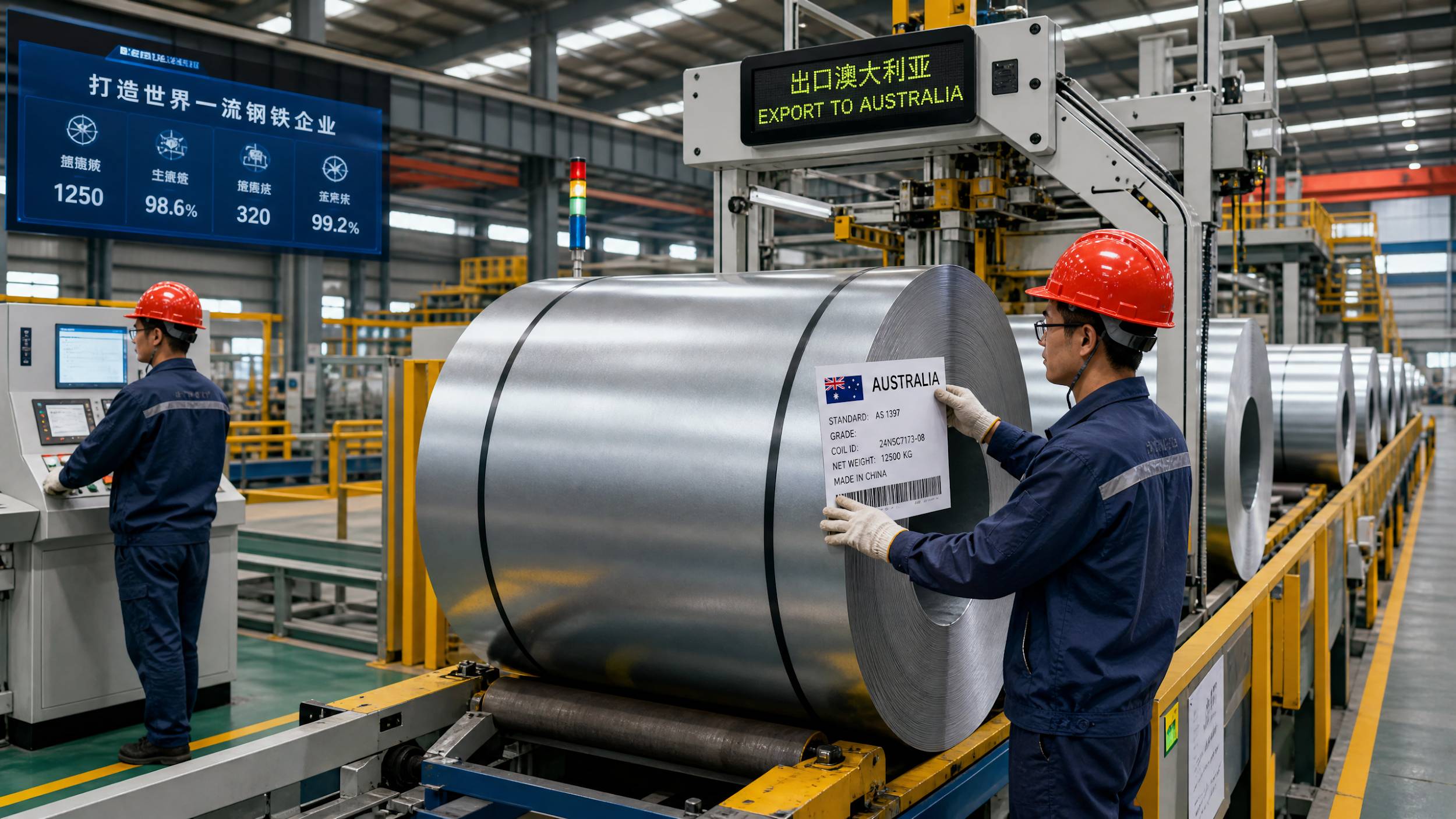
Top-tier Chinese mills utilize advanced automated production lines specifically calibrated to meet the chemical and mechanical requirements of Australian steel standards.
How to Import Steel to Australia: A Step-by-Step Guide
A successful import operation requires a structured and disciplined approach. In 2026, the process has become more data-driven, but the fundamental steps remain the same. Follow this professional guide to ensure your steel procurement is efficient, compliant, and cost-effective.
1. Detailed Technical Specification
Start by defining your requirements using the exact AS/NZS codes. Don’t just ask for “Grade 350 steel”; specify the standard, the thickness tolerances, and any specific testing requirements (like Charpy V-notch impact testing). Clear specifications are the only way to ensure you receive what you pay for.
2. Rigorous Supplier Prequalification
Only work with mills that have a proven track record of exporting to Australia. Ask for previous MTCs and evidence of third-party certifications. If possible, conduct a factory audit to verify their quality management systems and production capacity. A verified supplier is your best insurance against project delays.
3. Comprehensive Quality Control Plan
Implement a quality control plan that includes pre-shipment inspections by a reputable third party like SGS or BV. This inspection should verify the dimensions, surface quality, and marking of the steel. Never allow a shipment to leave the port without a confirmed inspection report that matches your specifications.
4. Strategic Logistics and Customs Planning
Work with a specialized customs broker who understands the complexities of steel imports. Ensure all documentation, including the MTC, Bill of Lading, and Commercial Invoice, is perfectly aligned. Proper planning will ensure smooth clearance through the Australian Border Force and minimize port storage fees.
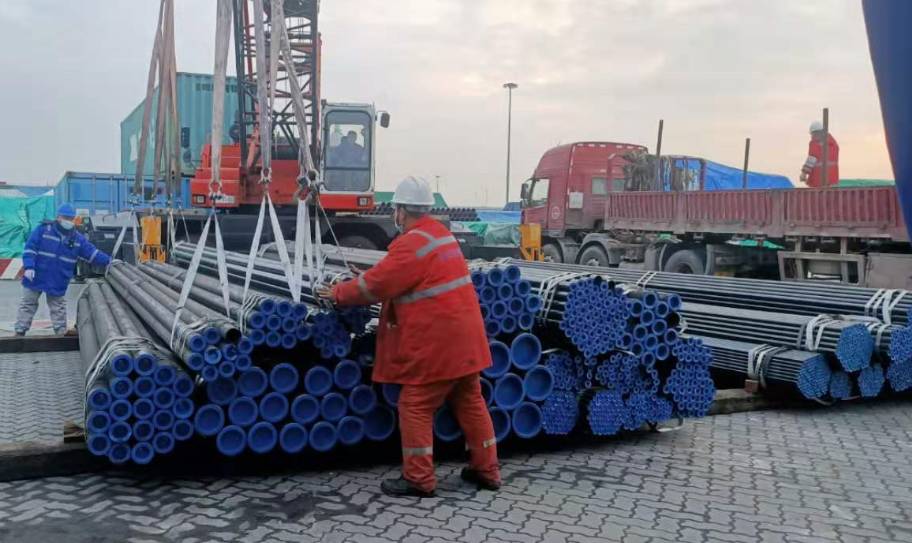
Professional port handling and secure loading are essential to maintain the physical integrity of structural steel during the long-haul transit to Australian construction sites.
People Also Ask: Australian Steel Import FAQ
What is the most important document for importing steel to Australia?
The Mill Test Certificate (MTC) is the most critical document. It provides the chemical composition and mechanical properties of the steel and must explicitly state compliance with the relevant Australian Standard (e.g., AS/NZS 3678). Without a valid MTC, the steel cannot be certified for use in Australian construction.
How long does it take to ship steel from China to Australia?
The typical transit time for sea freight from major Chinese ports (like Shanghai or Tianjin) to Australian ports (like Melbourne or Sydney) is between 15 to 25 days. However, you must also account for production lead times and port handling, which can add several weeks to the total procurement timeline.
Are there any specific labeling requirements for Australian steel?
Yes, structural steel must be clearly marked with the manufacturer’s name, the grade, and the heat number. This allows for full traceability back to the original production batch. For certain products, the standard also requires specific color coding on the ends of the beams or bundles for easy identification..
Conclusion: Building a Compliant Supply Chain
Importing steel to Australia is a powerful way to enhance your project’s competitiveness and technical capability. By strictly adhering to AS/NZS standards and navigating trade regulations with professional expertise, you can build a reliable and cost-effective global supply chain.
At Camasteel, we are committed to helping our Australian clients achieve their goals through expert procurement support and world-class steel products. Whether you are building a skyscraper or a wind farm, our team is ready to help you succeed. Contact us today for a professional consultation on your next import project.
Industrial Buyers: Importing Steel to Mexico?
Are you navigating a serious steel purchase? We understand the complexities involved.
✅ Do you know your steel specifications?
✅ Are you buying in bulk?
✅ Do you need supplier verification in China?
✅ Do you need inspection before shipment?
✅ Do you need support shipping to Mexico?
If you answered yes to these questions, you’re likely handling a significant steel procurement. Share Your Requirements with us today to streamline your import process.