
The Israeli steel industry is a critical component of the nation’s robust construction, infrastructure, and defense sectors. As of 2026, Israel continues to rely significantly on imported steel to meet its growing demands, particularly for specialized grades and large volumes. This reliance necessitates a strategic approach to procurement, ensuring compliance with stringent local standards.
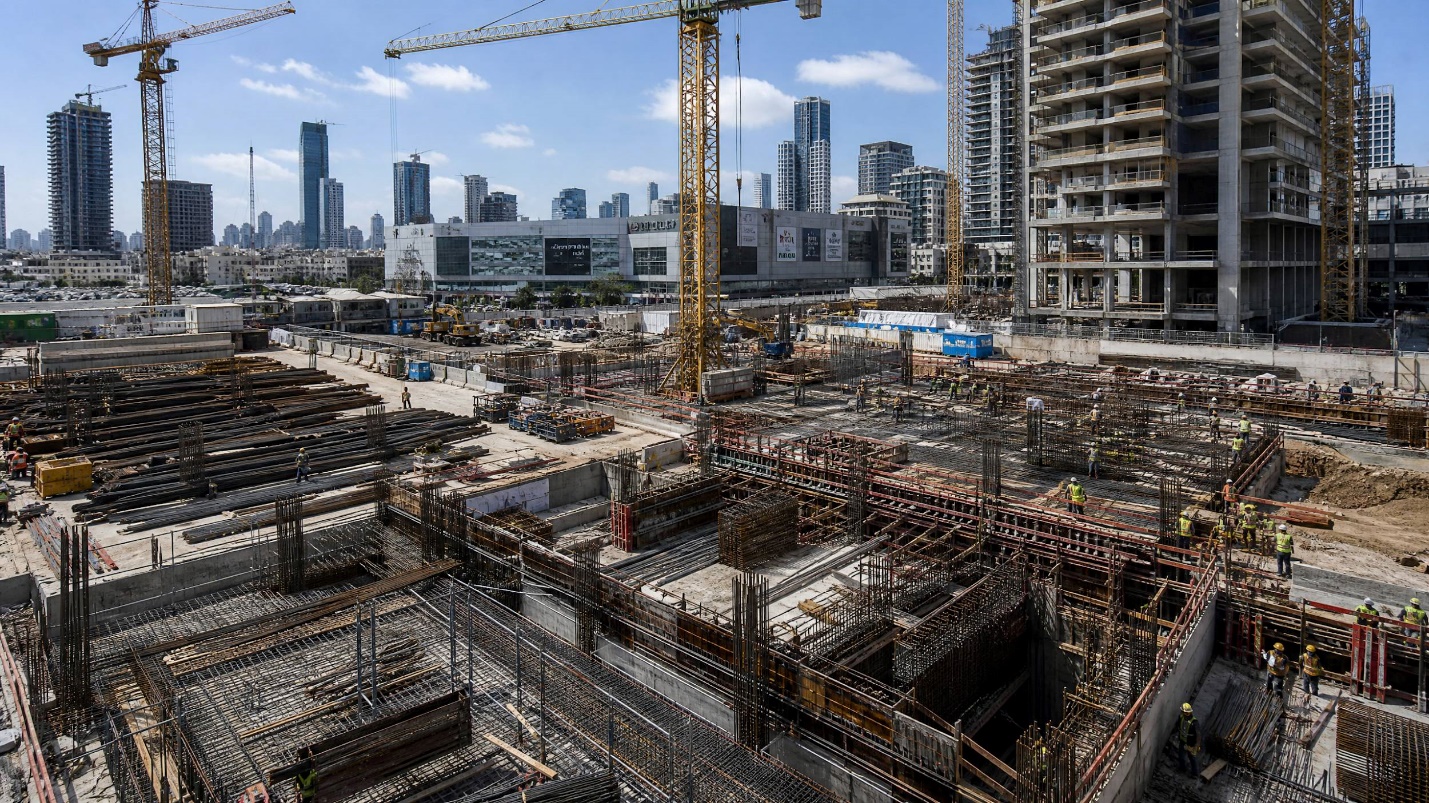
Steel is the backbone of Israel’s urban development, with massive quantities imported to support the construction of modern high-rise buildings and infrastructure.
Navigating the complexities of international steel trade requires a deep understanding of both global market dynamics and specific Israeli regulations. This comprehensive guide aims to provide industrial buyers, contractors, and manufacturers with the essential knowledge needed for successful and compliant steel procurement in Israel. We will cover everything from market trends to quality standards and import procedures.
The Current State of the Israeli Steel Market
In 2026, the Israeli steel market is characterized by strong demand driven by ongoing urban development, large-scale infrastructure projects, and a thriving technology sector. While domestic production exists, it primarily focuses on specific niches, making imports indispensable for the broader market. This dynamic environment creates both opportunities and challenges for buyers.
Understanding these market forces is crucial for securing a stable and cost-effective supply chain. Many Israeli firms are increasingly turning to the best steel companies in China to meet their diverse needs. At Camasteel, our about us mission is to facilitate these crucial international partnerships.
Key Drivers of Steel Demand in 2026
Major infrastructure projects, including new transportation networks and desalination plants, are significant consumers of steel. The residential and commercial construction boom, particularly in urban centers like Tel Aviv and Jerusalem, also fuels a consistent demand for various steel products. These projects often require specialized materials that are efficiently sourced internationally.
The Role of Specialized Imports
Israel’s advanced industries, such as high-tech manufacturing and defense, often require steel with precise specifications and high-performance characteristics. Importing these specialized grades ensures that local industries have access to the best materials available globally. This commitment to quality and innovation aligns with our responsible steel principles.
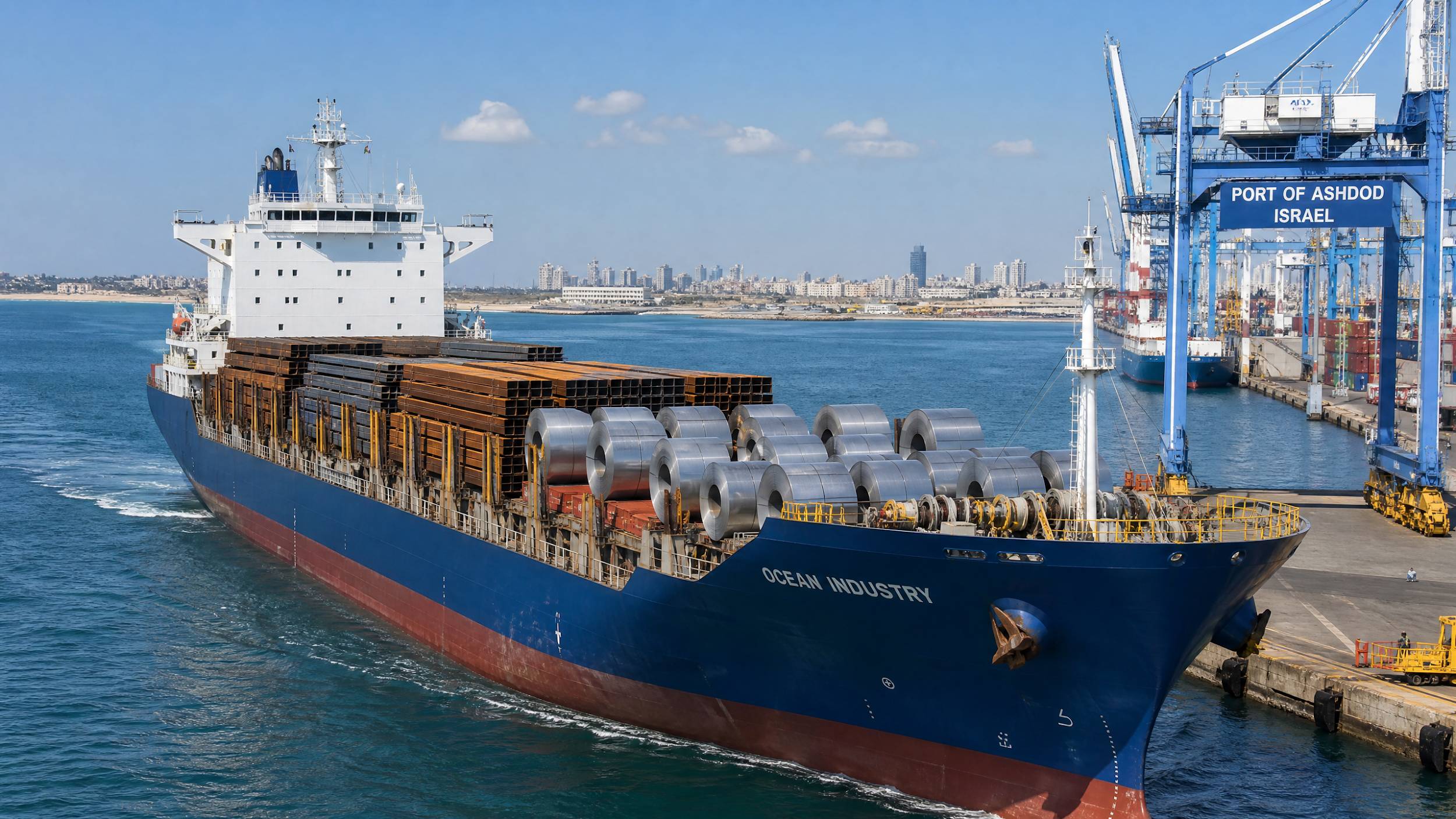
The Port of Ashdod is a vital entry point for steel imports, supporting Israel’s rapid urban and infrastructure development in 2026.
Understanding SII Standards and Compliance
All steel products imported into Israel must comply with the standards set by the Standards Institution of Israel (SII). These national standards, often based on European (EN) or international (ISO) norms, are legally binding and ensure the safety, quality, and performance of materials used in the country. Non-compliance can lead to significant delays and rejection of shipments.
In 2026, the SII framework continues to evolve, with a strong emphasis on traceability and material certification. Every batch of imported steel must be accompanied by a valid Mill Test Certificate (MTC) that explicitly confirms adherence to the relevant SII standards. This rigorous approach is a cornerstone of the many success stories we’ve helped achieve for our Israeli clients.
The Importance of SII Compliance
Adhering to SII standards is not merely a regulatory hurdle; it is fundamental to ensuring the structural integrity and safety of construction projects. Buyers must ensure their suppliers are fully aware of and capable of meeting these specific Israeli requirements. This includes understanding the nuances of material composition and mechanical properties.
Third-Party Verification and SII Marks
For high-value or critical projects, independent third-party verification is highly recommended. This process involves on-site inspections and laboratory testing in Israel to confirm that the steel’s properties match the MTC and SII requirements. Proactive quality control minimizes risks and ensures project continuity.
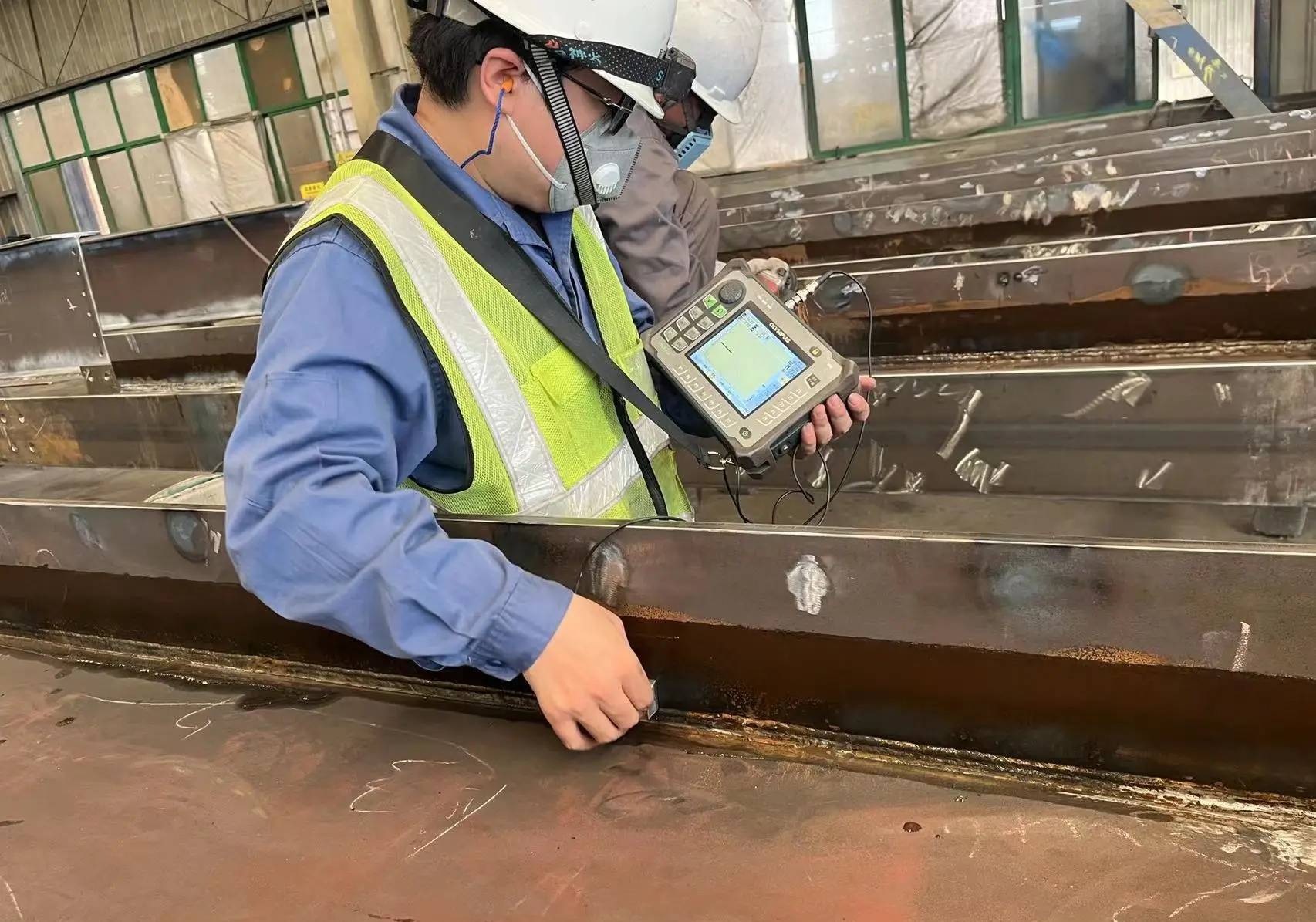
Rigorous inspection against SII standards is crucial for all steel imports, guaranteeing material quality and project safety in Israel.
2026 Israel Steel Specification and Price Reference Table
| Product Category | Relevant SII Standard | Common Grades | Estimated Price (USD/tonne) |
| Structural Sections | SII 4466 (EN 10025) | S275JR, S355JR | $850 – $1,100 |
| Steel Plate | SII 4466 (EN 10025) | S235JR, S355J2 | $800 – $1,050 |
| Reinforcing Bar | SII 446 (EN 10080) | B500B, B500C | $750 – $950 |
| Galvanized Sheet | SII 1050 (EN 10346) | DX51D+Z, S280GD+Z | $950 – $1,200 |
| Seamless Pipe | SII 1020 (EN 10210) | S235JRH, S355J2H | $1,100+ |
Need help sourcing steel from China? Our team helps international buyers compare steel mills, verify certifications, inspect factories, confirm technical specifications, and secure mill-direct pricing before payment. Share your project requirements today for quotation support and supplier evaluation.
WhatsApp Us for Free a Consultation
Navigating Israeli Import Regulations and Duties
Importing steel into Israel involves navigating specific customs regulations, tariffs, and sometimes anti-dumping duties. The Israeli Tax Authority and the Ministry of Economy and Industry oversee these regulations, which are designed to protect local industries and ensure fair trade practices. Understanding these aspects is crucial for accurate cost estimation.
The Impact of Anti-Dumping Duties
Anti-dumping duties can be applied to specific steel products originating from certain countries if they are found to be sold below fair market value. These duties can significantly increase the landed cost of steel, making it imperative for buyers to check the latest rulings from the Ministry of Economy and Industry before placing orders.
Import Licenses and Certificates
Certain steel products may require specific import licenses or permits from the Ministry of Economy and Industry. Additionally, a Certificate of Conformity from the SII is often mandatory for customs clearance. Proactive engagement with a knowledgeable customs broker is essential to ensure all necessary documentation is in place, preventing costly delays at the port.
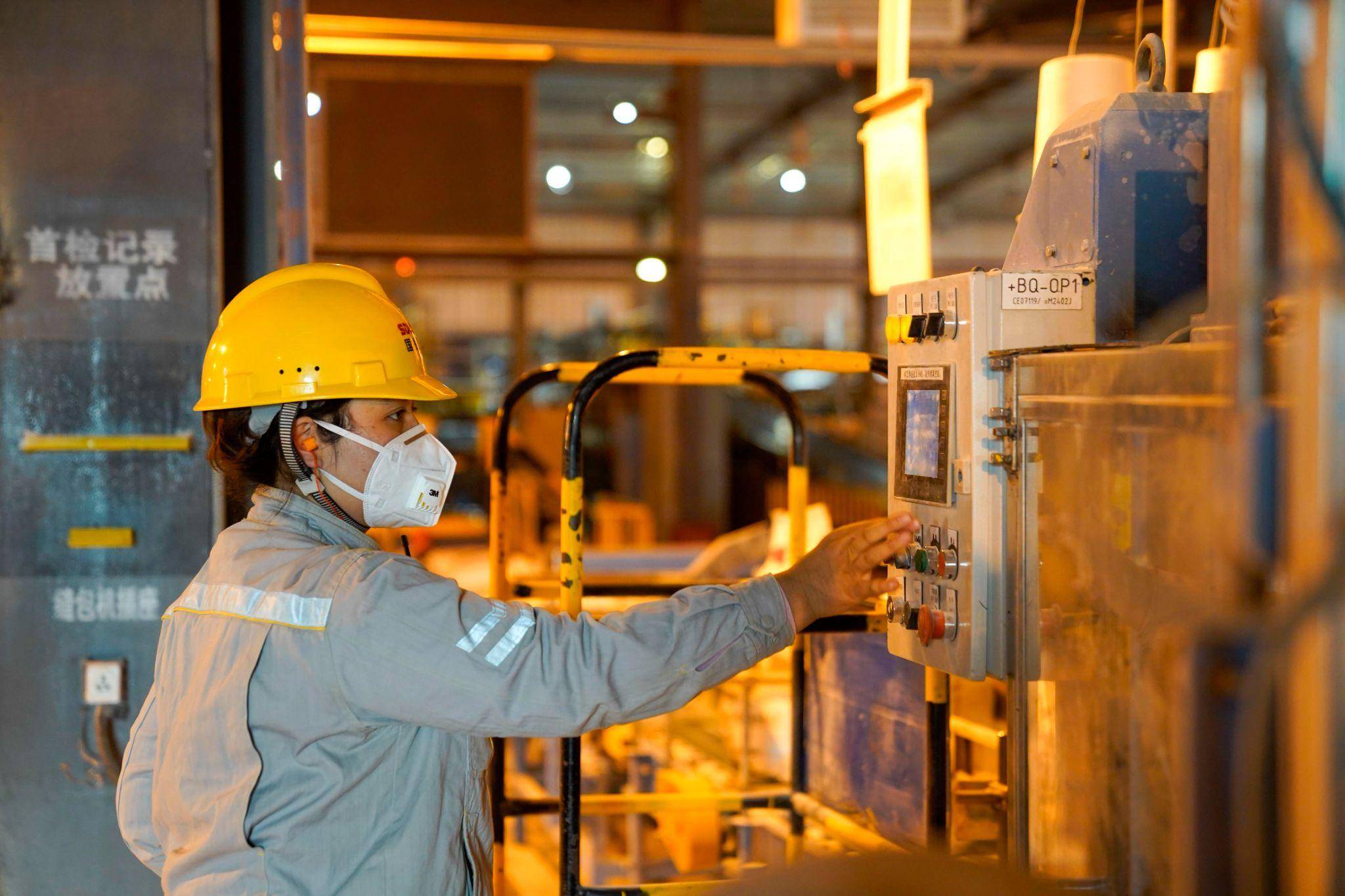
Advanced Chinese mills leverage state-of-the-art technology to produce steel that meets the exact technical and quality specifications required by Israeli standards.
How to Buy Steel for Israel: A Procurement Guide
Procuring steel for the Israeli market demands a systematic and meticulous approach. In 2026, the process is more complex than ever, requiring careful attention to quality, compliance, and logistics. Follow this professional guide to ensure your steel imports are efficient, compliant, and ultimately successful.
1. Precise Technical Specification
Begin by meticulously defining your steel requirements using the exact SII standards and grades. Specify dimensions, tolerances, and any special testing needs (e.g., impact testing). Clear and unambiguous specifications are the foundation for accurate quotations and successful material delivery.
2. Comprehensive Supplier Verification
Partner only with manufacturers who possess a proven track record of exporting to Israel and demonstrating SII compliance. Request previous MTCs and evidence of relevant certifications. For large orders, a factory audit is highly recommended to verify production capabilities and quality management systems, safeguarding your investment.
3. Implement Pre-Shipment Inspection
Never allow steel to ship without a thorough third-party pre-shipment inspection. This inspection should verify quantity, dimensions, surface quality, and correct marking, including SII labels. This critical step ensures that the physical goods match the MTC and your specifications, preventing issues upon arrival in Israel.
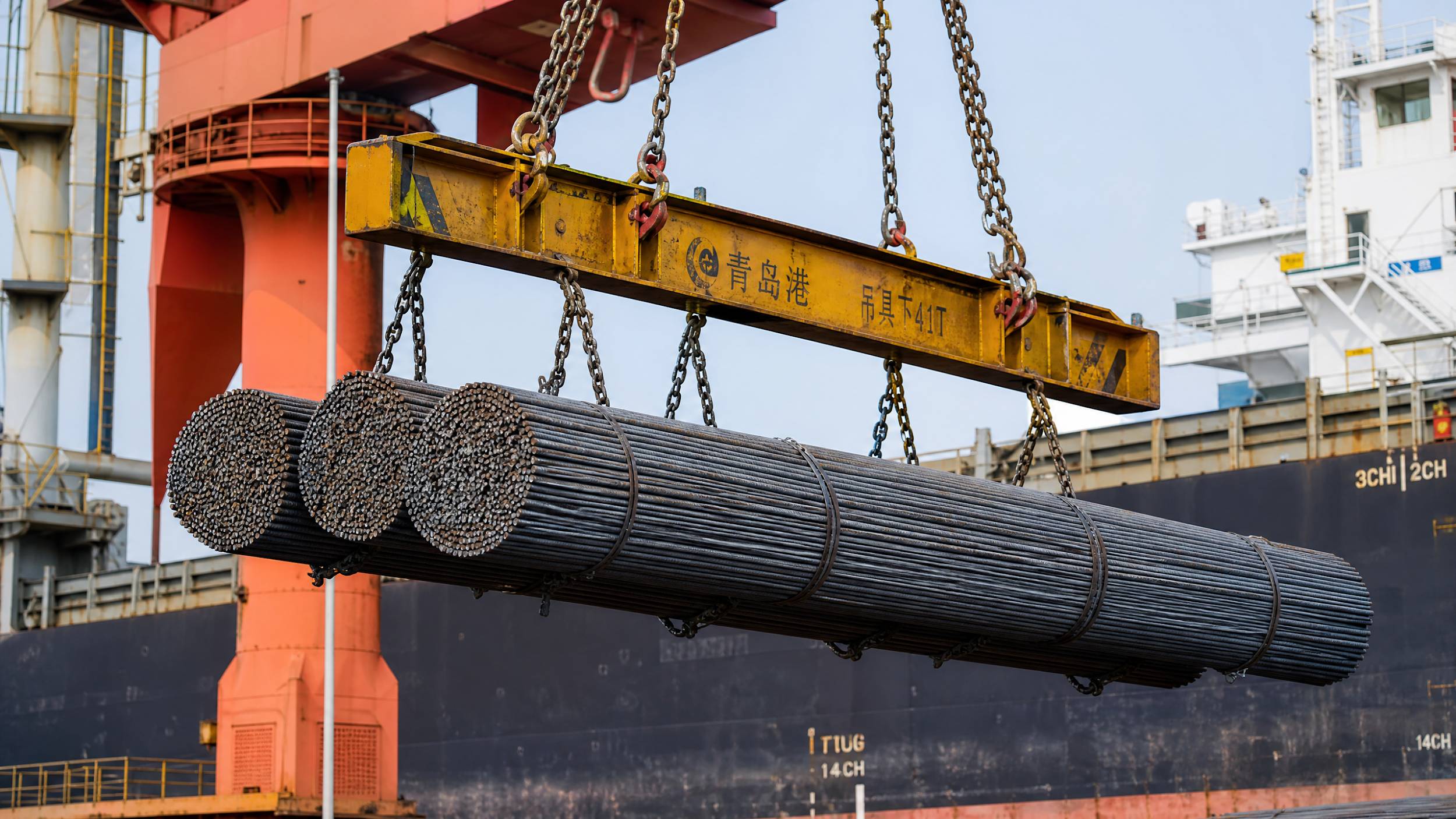
Efficient port operations and secure loading are vital to protect the integrity of steel products during the long sea voyage to Israeli construction sites.
4. Coordinate Professional Logistics and Customs
Engage an experienced freight forwarder and customs broker who are well-versed in Israeli import procedures for steel. Ensure all documentation, including MTCs, bills of lading, and import licenses, is meticulously prepared and aligned. Proactive customs planning is key to avoiding delays and demurrage charges at Israeli ports.
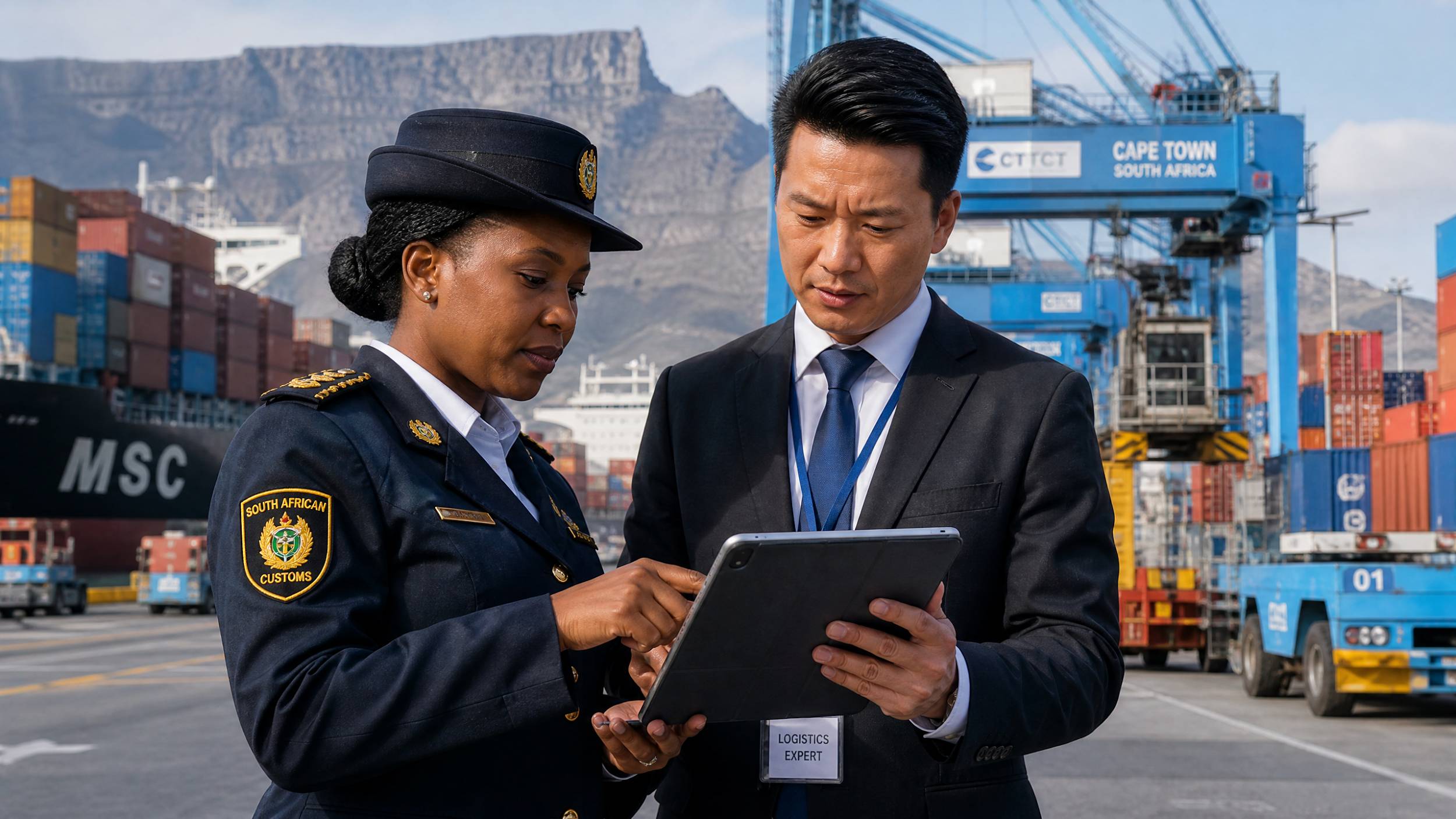
Efficient customs clearance is crucial for timely steel imports, requiring meticulous documentation and expert coordination between all parties.
People Also Ask: Israel Steel Import FAQ
What are the main ports for steel imports in Israel?
The primary ports for steel imports in Israel are Ashdod and Haifa. Both ports are equipped to handle large cargo volumes and heavy industrial materials. Ashdod is particularly important for the central and southern regions, while Haifa serves the northern parts of the country.
How long does it take to ship steel from China to Israel?
The typical transit time for sea freight from major Chinese ports (e.g., Shanghai, Tianjin) to Israeli ports (Ashdod, Haifa) ranges from 20 to 30 days. However, this estimate does not include production lead times, port handling, and customs clearance, which can add several weeks to the overall timeline.
Are there specific marking requirements for steel imported into Israel?
Yes, steel products must be clearly marked with the manufacturer’s name, the steel grade, and the heat number for full traceability. For certain structural steels, specific color coding or stamping may also be required by SII standards to facilitate identification and ensure proper usage on construction sites.
Conclusion: Building a Resilient Steel Supply Chain for Israel
Importing steel to Israel in 2026 presents a strategic opportunity for businesses to access high-quality, specialized materials from the global market. By diligently adhering to SII standards, navigating import regulations, and partnering with experienced procurement experts, you can establish a resilient and cost-effective supply chain.
At Camasteel, we are committed to empowering our Israeli clients with the knowledge and support needed to succeed in complex international trade. Whether your project involves large-scale construction or specialized industrial applications, our team is ready to assist. Contact us today for a professional consultation on your next steel import project.
Industrial Buyers: Importing Steel to Isreal?
Are you navigating a serious steel purchase? We understand the complexities involved.
✅ Do you know your steel specifications?
✅ Are you buying in bulk?
✅ Do you need supplier verification in China?
✅ Do you need inspection before shipment?
✅ Do you need support shipping to Israel?
If you answered yes to these questions, you’re likely handling a significant steel procurement. Share Your Requirements with us today to streamline your import process.