
The Indonesian steel industry is undergoing a period of rapid expansion and strategic importance in 2026. As the nation focuses on massive infrastructure projects and industrial downstreaming, the demand for high-quality steel products has reached new heights. This guide provides a comprehensive overview of the current market and the essential steps for successful steel procurement.
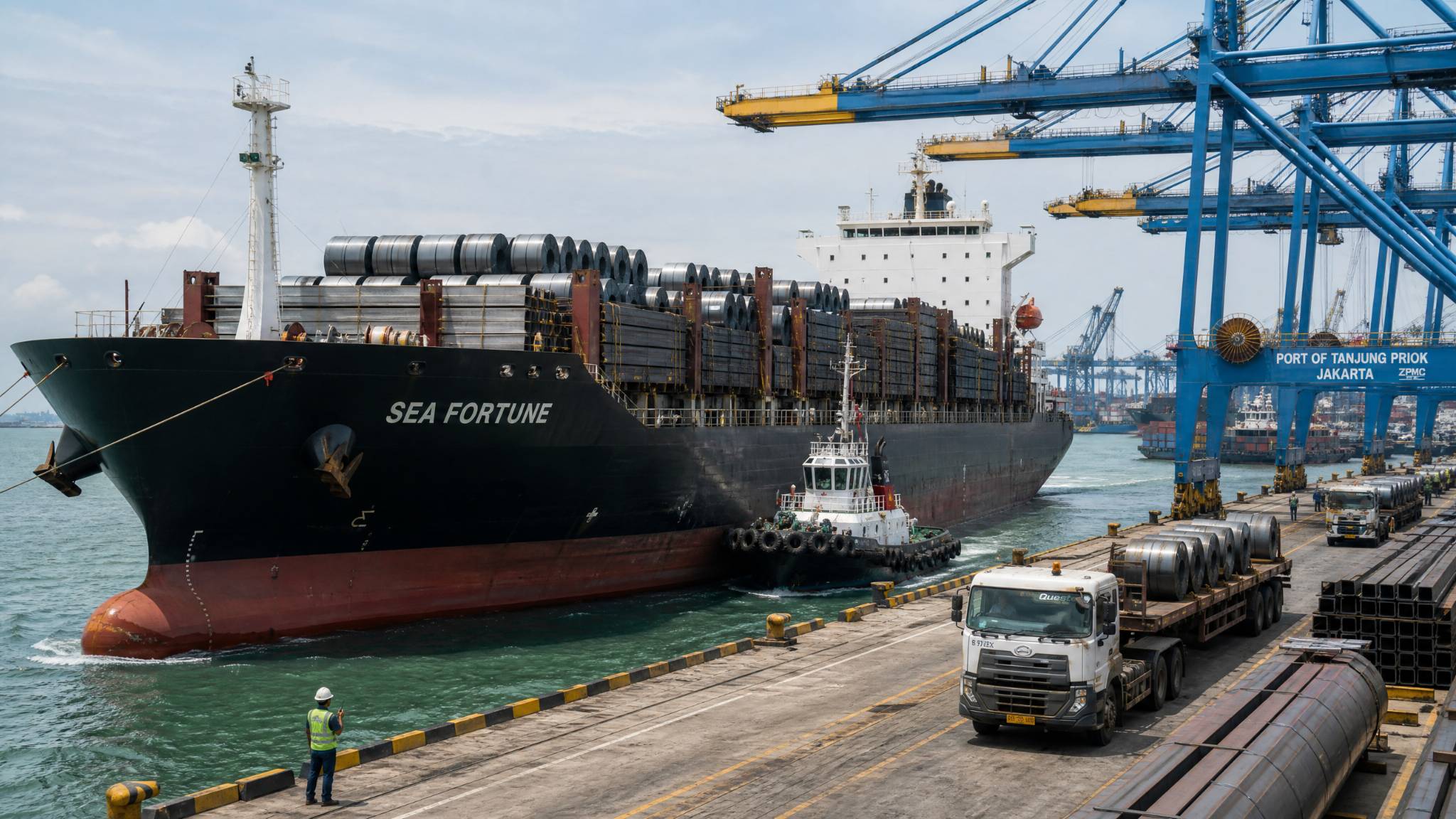
Tanjung Priok Port remains the primary gateway for high-volume steel imports, serving as a critical hub for Indonesia’s construction and manufacturing sectors in 2026
Navigating the Indonesian market requires a deep understanding of local regulations and international quality standards. For industrial buyers, the ability to source steel efficiently is a major competitive advantage. This article will explore the critical aspects of the industry, from mandatory SNI certifications to the latest import procedures and market trends.
The Current State of the Indonesian Steel Market
In 2026, Indonesia’s steel market is a dynamic hub of activity, driven by the government’s commitment to national development. The construction of the new capital city, Nusantara, and various energy infrastructure projects have created a sustained need for structural steel. This environment offers significant opportunities for both domestic and international suppliers.
Understanding these market dynamics is essential for any business looking to secure a reliable supply of steel. Many Indonesian firms are increasingly partnering with the best steel companies in China to access a wider range of products. At Camasteel, our about us mission is to facilitate these vital trade connections safely.
Key Drivers of Steel Demand in 2026
The primary drivers of steel demand in Indonesia include large-scale transportation networks and the expansion of the mining sector. These industrial projects require vast quantities of high-strength steel, rebar, and specialized piping. The ability to source these materials in bulk is crucial for maintaining the momentum of Indonesia’s economic growth.
The Role of Specialized Imports
Specialized imports play a critical role in filling technical gaps within the Indonesian domestic supply chain. Whether it’s advanced alloys for the energy sector or high-precision sections for manufacturing, international sourcing provides access to global innovation. This focus on technical excellence is a core part of our responsible steel commitment.
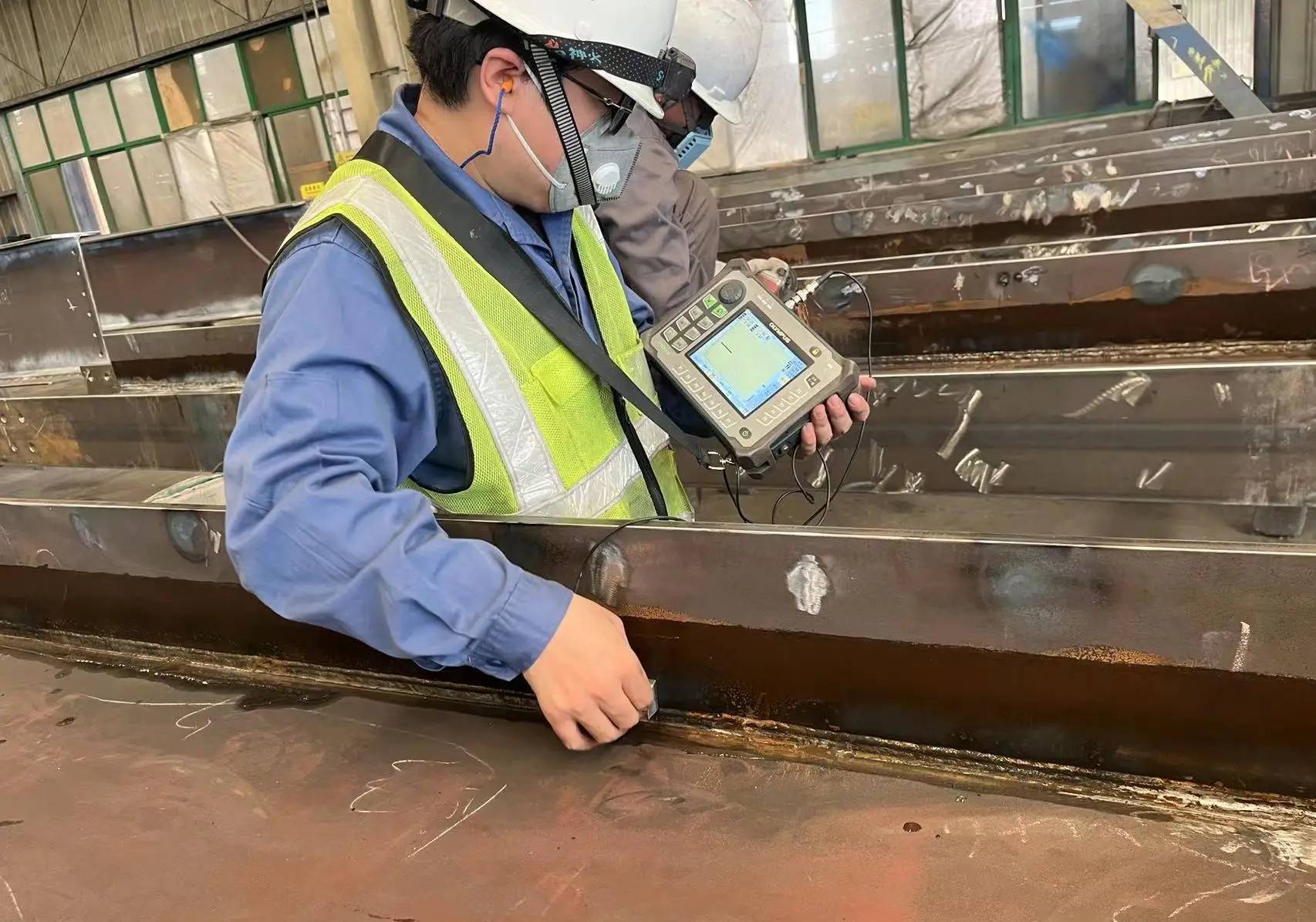
Professional document verification and physical inspection are mandatory steps in the 2026 procurement process to ensure all imported steel meets Indonesian safety codes.
Understanding SNI Standards and Compliance
For any steel product to be legally marketed or used in Indonesia, it must comply with the Standar Nasional Indonesia (SNI). These mandatory standards are designed to ensure the safety and quality of materials used in public and private projects. Non-compliant steel can lead to severe legal penalties and project rejections.
In 2026, the SNI framework has been strengthened to include more rigorous testing for chemical composition and mechanical durability. Every shipment of imported steel must be accompanied by a valid SNI certificate and a Mill Test Certificate (MTC). This technical diligence is why we have so many success stories across Indonesia.
The Importance of SNI Certification
SNI certification is a mark of quality that is highly valued by Indonesian engineers and contractors. Ensuring that your supplier can provide SNI-certified materials is the first step toward a successful procurement project. Working with experienced partners ensures that every ton of steel delivered meets these exact national requirements.
Third-Party Verification and LSPR Marks
For major infrastructure projects, we highly recommend independent third-party verification through an LSPR (Lembaga Sertifikasi Produk). This involves factory audits and laboratory testing to confirm that the steel’s properties match the SNI codes. Proactive verification is the only way to protect your project from the risks of sub-standard materials.
2026 Indonesia Steel Specification and Price Reference Table
| Product Category | Relevant SNI Standard | Common Grades | Estimated Price (IDR/tonne) |
| Structural Sections | SNI 0329:2013 | Bj P 24, Bj P 41 | Rp 16,500,000 – Rp 19,000,000 |
| Steel Plate | SNI 07-0722-2006 | SS400, ASTM A36 | Rp 15,000,000 – Rp 18,500,000 |
| Reinforcing Bar | SNI 2052:2017 | BjTS 420, BjTS 520 | Rp 13,000,000 – Rp 15,500,000 |
| Galvanized Sheet | SNI 07-2053-2006 | Z12, Z18 | Rp 19,500,000 – Rp 23,000,000 |
| Seamless Pipe | SNI 0039:2013 | Medium, Heavy | Rp 21,000,000+ |
Need help sourcing steel from China? Our team helps international buyers compare steel mills, verify certifications, inspect factories, confirm technical specifications, and secure mill-direct pricing before payment. Share your project requirements today for quotation support and supplier evaluation.
WhatsApp Us for Free a Consultation
Navigating Lartas Regulations and Import Permits
Importing steel into Indonesia involves navigating complex Lartas (Larangan dan Pembatasan) regulations. These rules are designed to control the flow of specific goods and protect the domestic industry from unfair competition. In 2026, understanding these requirements is vital for any business looking to import steel products successfully.
The Impact of Import Approval (PI)
Most steel products require a specific Import Approval (Persetujuan Impor or PI) from the Ministry of Trade. Obtaining a PI requires detailed technical information and a clear justification for the import. Professional procurement support can streamline this process, ensuring all regulatory hurdles are cleared before the shipment departs.
Technical Verification (Laporan Surveyor)
Before steel can be cleared through Indonesian customs, it must undergo technical verification by a designated surveyor. This verification results in a Surveyor Report (Laporan Surveyor or LS), which confirms the goods’ compliance with the PI and SNI. Accurate documentation is essential to avoid costly delays at the port of entry.
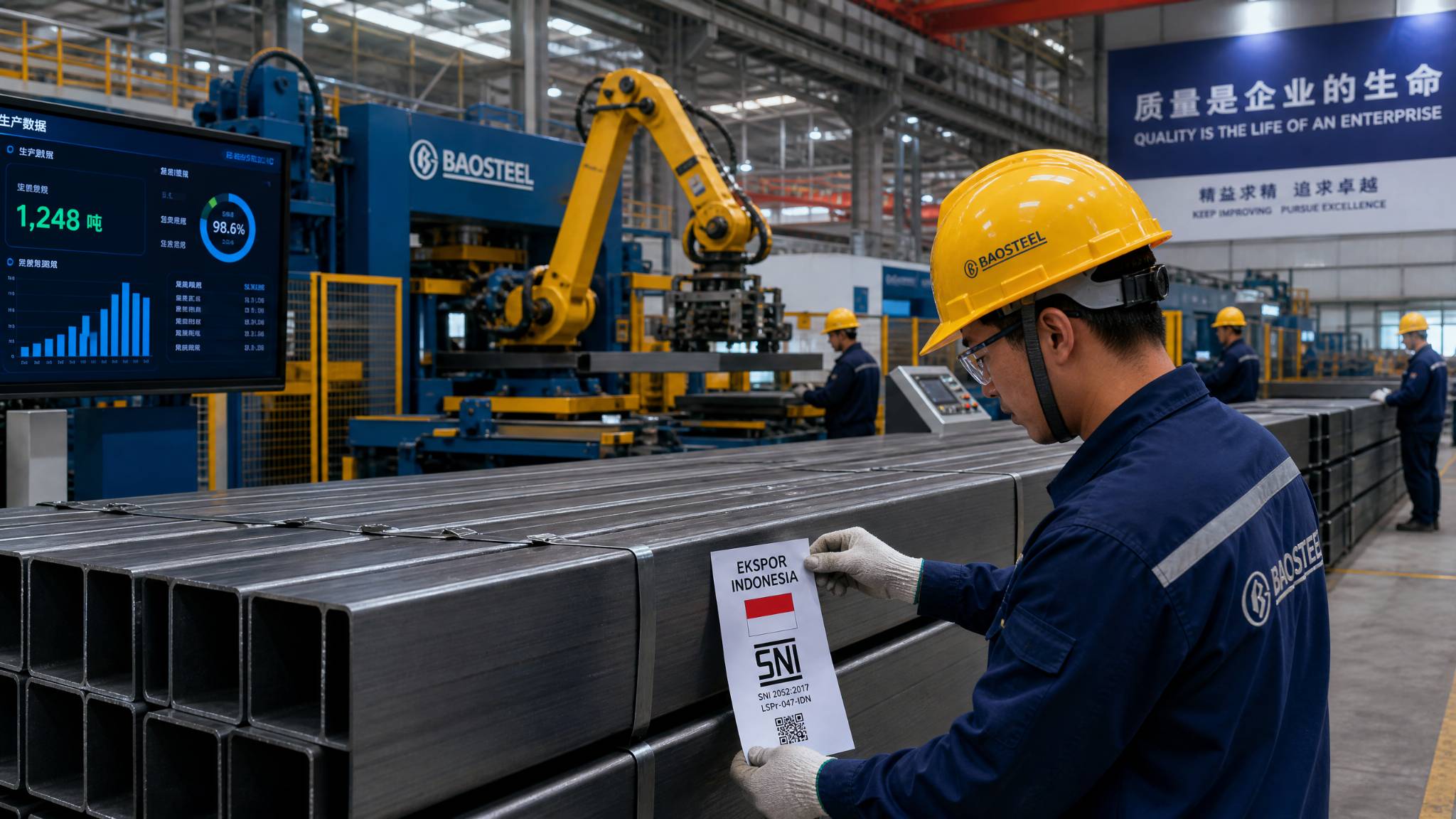
Advanced Chinese mills utilize sophisticated automated machinery to ensure that every structural section produced for the Indonesian market meets the exact SNI 2052:2017 specifications.
How to Buy Steel for Indonesia: A Procurement Guide
Buying steel in bulk for the Indonesian market requires a structured and disciplined approach. In 2026, the process has become more complex due to increased regulatory oversight and quality demands. Follow this professional guide to ensure your steel procurement is efficient, compliant, and cost-effective.
1. Precise Technical Specification
Start by defining your requirements using the exact SNI codes. Don’t just ask for “structural steel”; specify the grade (e.g., BjTS 420), the dimensions, and any specific testing requirements. Clear and detailed specifications are the only way to ensure the supplier provides the correct material for your project.
2. Comprehensive Supplier Verification
Only work with manufacturers who have a proven history of successfully exporting to Indonesia. Ask for previous SNI-compliant MTCs and evidence of international quality certifications. A thorough factory audit is highly recommended for large-scale orders to verify the mill’s actual production capabilities.
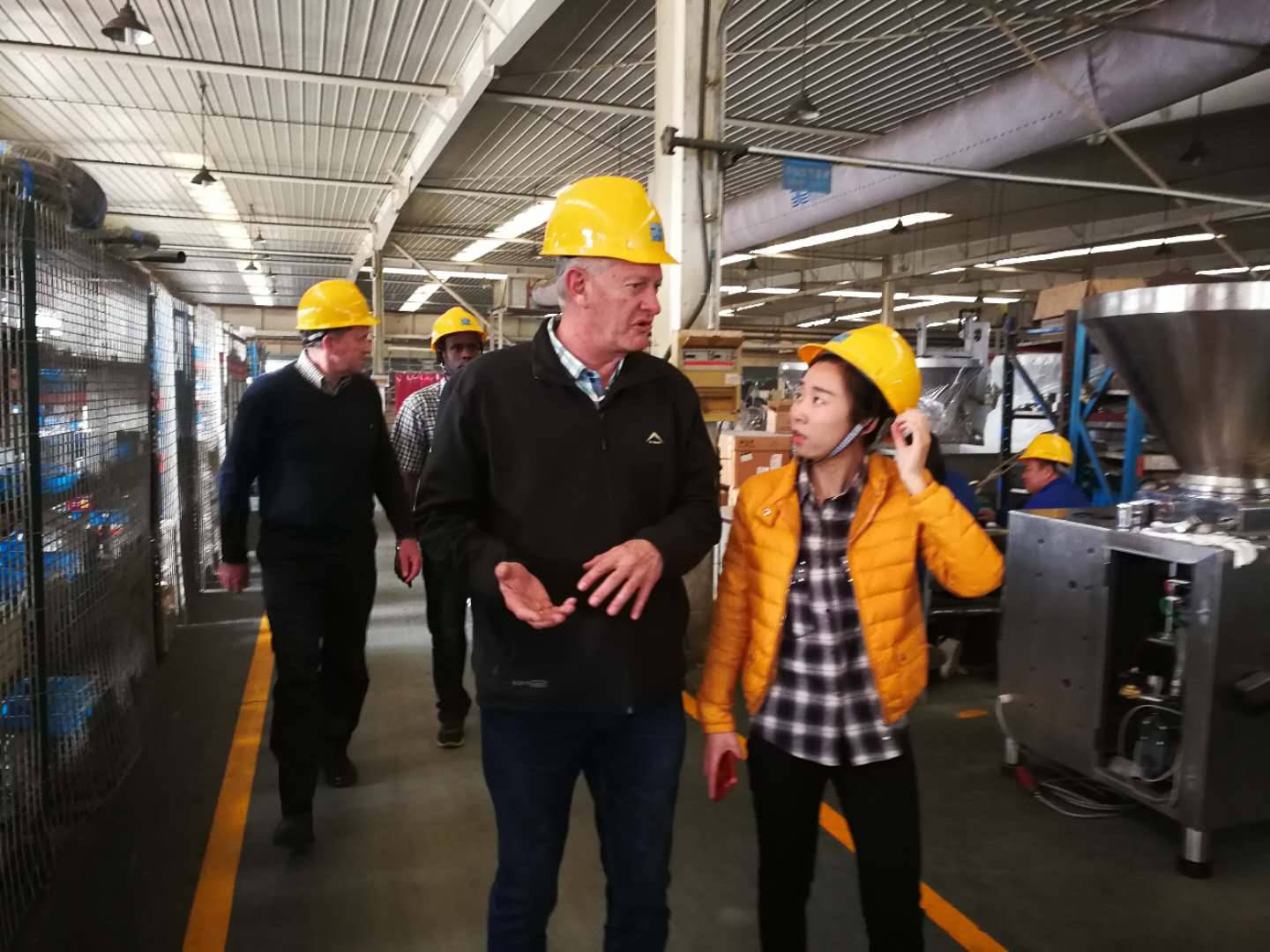
Direct consultation between Indonesian industrial buyers and manufacturing experts is the key to ensuring technical compliance and project success in the 2026 market.
3. Implement Pre-Shipment Inspection
Never allow a shipment to leave the factory without a third-party inspection. This inspection should verify the quantity, dimensions, surface quality, and marking of the steel. Ensuring the SNI marks are correctly applied and the MTC matches the physical goods is a critical step in protecting your investment.
4. Coordinate Professional Logistics
Work with an experienced clearing and forwarding agent who understands the nuances of the Indonesian port system. Ensure all documentation is perfectly aligned with Lartas requirements and customs regulations. Proper planning will prevent costly delays at Tanjung Priok or Tanjung Perak.
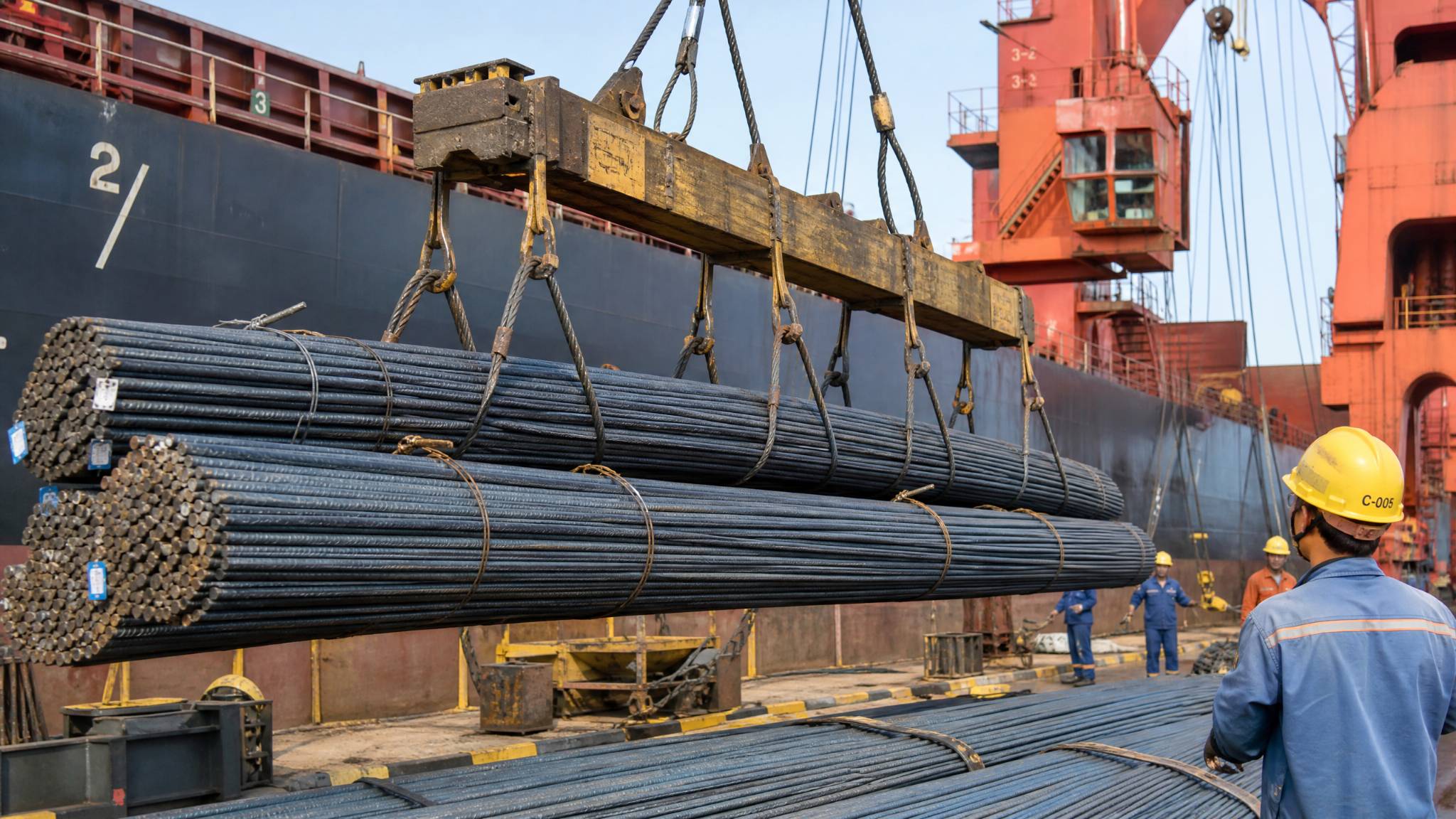
Efficient port handling and secure loading are essential to maintain the structural integrity of heavy steel bundles during the long-haul sea voyage to Indonesian ports.
People Also Ask: Indonesia Steel FAQ
What is the difference between BjTS 420 and BjTS 520 steel?
These are grades of reinforcing bar defined by SNI 2052:2017. BjTS 420 has a minimum yield strength of 420 MPa, while BjTS 520 has a higher minimum yield strength of 520 MPa. BjTS 520 is often used in high-rise buildings and heavy infrastructure where superior load-bearing capacity is required.
How long does it take to ship steel from China to Indonesia?
The typical transit time for sea freight from major Chinese ports to Tanjung Priok is between 10 to 15 days. However, you must also factor in production lead times, port handling, and customs clearance, which can add several weeks to the total procurement timeline for large orders.
Do I need a special license to import steel into Indonesia?
Yes, you must have an API (Angka Pengenal Importir) and be registered with the OSS (Online Single Submission) system. Additionally, you will need a specific Import Approval (PI) for steel products. Ensuring all these registrations are in place is vital to avoid significant delays and penalties.
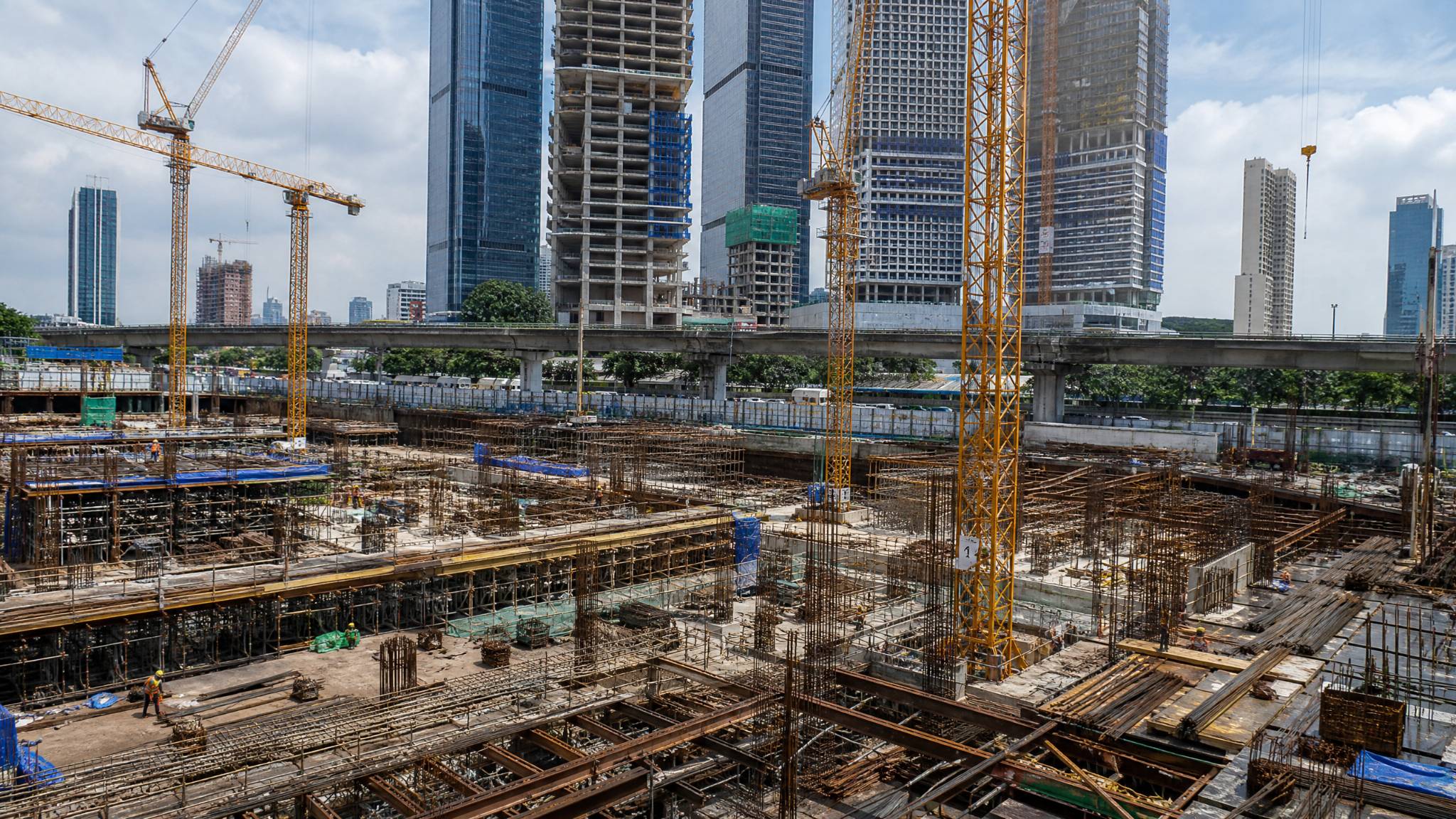
Steel is the backbone of Indonesia’s urban development, with massive quantities imported to support the construction of modern high-rise buildings and infrastructure.
Conclusion: Navigating the Future of Indonesian Steel
The Indonesian steel industry in 2026 offers both challenges and significant opportunities for those who understand its complexities. By prioritizing SNI compliance, navigating Lartas regulations with care, and leveraging high-quality global imports, you can build a resilient and cost-effective supply chain.
At Camasteel, we are dedicated to helping our Indonesian clients achieve their goals through expert procurement support and world-class steel products. Whether you are building a new capital city or expanding an industrial complex, our team is ready to help you succeed. Contact us today for a professional consultation.
Industrial Buyers: Importing Steel to Indonesia?
Are you navigating a serious steel purchase? We understand the complexities involved.
✅ Do you know your steel specifications?
✅ Are you buying in bulk?
✅ Do you need supplier verification in China?
✅ Do you need inspection before shipment?
✅ Do you need support shipping to Indonesia?
If you answered yes to these questions, you’re likely handling a significant steel procurement. Share Your Requirements with us today to streamline your import process.