
Navigating the Global Steel Landscape: China vs. Vietnam
The global steel market is a dynamic and ever-changing environment. For years, China has stood as the undisputed leader in steel production, a powerhouse supplying the world. Yet, a new contender has steadily risen: Vietnam. This Southeast Asian nation is rapidly transforming into a significant player, offering compelling alternatives for international buyers.
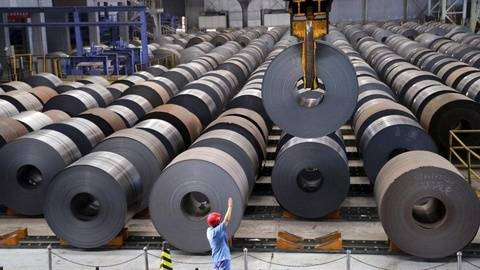
High-volume steel coil storage in a Vietnamese steel facility
This article dives deep into the steel industries of both China and Vietnam. We aim to provide a comprehensive overview of their individual strengths, the challenges they face, and what you absolutely need to consider when sourcing steel from either country.
We’ll cover everything from their production capacities and the range of products they offer, to critical aspects like quality control and logistical considerations. Our goal is to equip you with the knowledge to navigate this vital market with complete confidence.
The Remarkable Ascent of Vietnam’s Steel Industry
Vietnam’s steel industry has seen truly remarkable growth over the last decade. It has successfully transitioned the nation from being a net importer of steel to a formidable exporter. This impressive expansion is driven by several key factors: robust domestic demand, substantial foreign investment, and well-planned government policies focused on industrialization. Furthermore, Vietnam’s strategic geographical location, with its extensive coastlines, naturally facilitates efficient international trade and logistics.
- Impressive Growth Trajectory:
Vietnam’s crude steel output reached a five-year high in 2025. Total sales soared to 24.1 million tons, marking a significant 12.9% year-on-year increase. This demonstrates a strong upward trend in the nation’s production capabilities.
- Growing Export Prowess:
Alongside domestic growth, steel exports also experienced a substantial rise of 12.8% in 2025. This highlights Vietnam’s increasing capacity and ambition to serve international markets effectively.
- Strategic Investments and Modernization:
Major industry players, such as Hoa Phat Group and Formosa Ha Tinh Steel, have poured significant investments into state-of-the-art production facilities. These investments are crucial for enhancing both production capacity and technological sophistication.
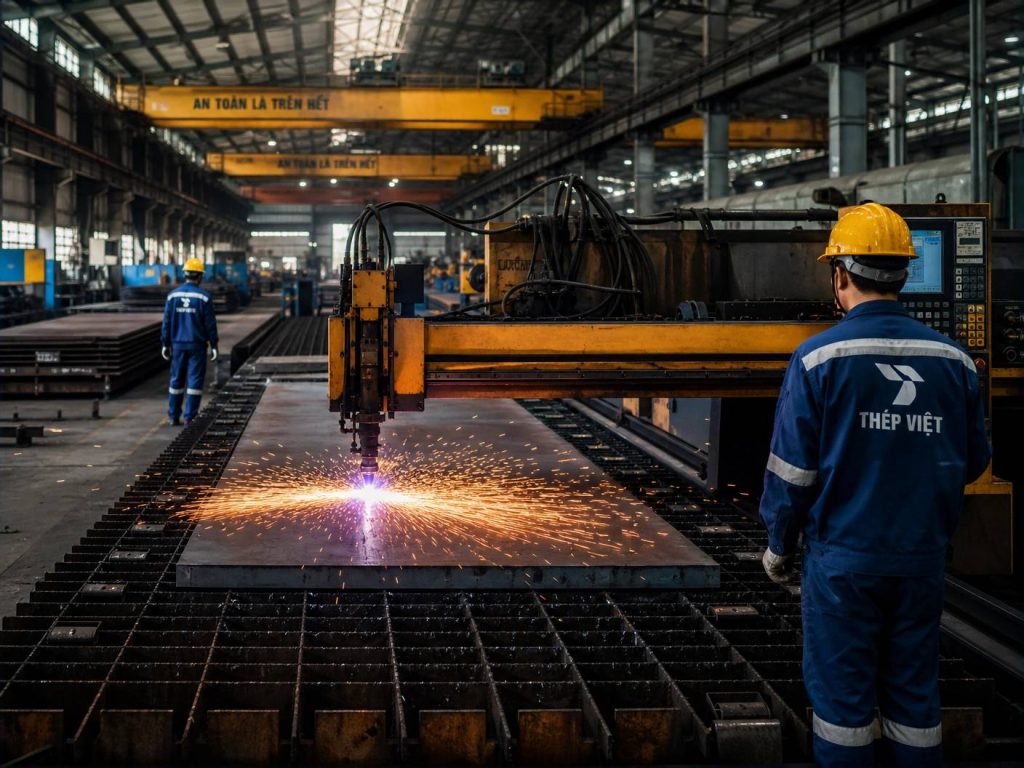
Modern steel production in a leading Vietnamese steel mill
China’s Enduring Dominance in Global Steel Production
China continues to hold its position as the undisputed global leader in steel production. It accounts for more than half of the world’s total output. This immense capacity is underpinned by a vast industrial infrastructure, cutting-edge technology, and an unparalleled scale of production. These factors enable China to offer an incredibly diverse range of steel products at highly competitive prices. For many decades, China has been the primary source for bulk steel procurement, supporting countless construction and manufacturing projects across the globe.
- Unmatched Production Scale:
Chinese steel mills possess an extraordinary capacity to meet even the most massive demands. This makes them an ideal choice for large-scale projects that require significant volumes of steel.
- Extensive and Diverse Product Portfolio:
From standard construction grades to highly specialized alloys designed for niche industrial applications, China’s steel industry offers an incredibly wide variety of products. If you need a unique grade or a custom specification, it’s highly probable that a Chinese supplier can meet your needs.
- Significant Cost Advantages:
The sheer economies of scale and highly efficient production processes in China often translate into substantial cost advantages. This is particularly true for bulk orders, which can lead to considerable savings on overall project costs.
Chinese Vs Vietnam Steel: A Detailed Comparative Analysis for Buyers
When you’re faced with the decision of sourcing steel, weighing the options between Chinese and Vietnamese suppliers is a critical step. Each market brings its own set of unique advantages and potential considerations. Let’s delve into a detailed comparison of the key differences to help you make the most informed choice for your specific requirements.
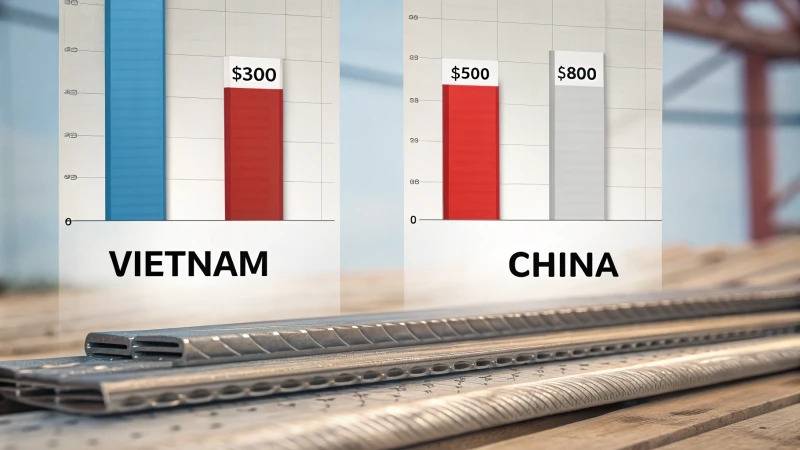
Side-by-side comparison of Chinese and Vietnamese steel products
1. Price Competitiveness: Where Can You Find the Best Value?
Historically, Chinese steel has been celebrated for its highly competitive pricing. This is largely a result of its massive production scale and exceptionally efficient supply chains. However, Vietnam’s rapidly growing industry is becoming increasingly competitive on price, especially for certain product categories and within specific regional markets.
- China’s Edge:
Often provides lower prices for bulk orders, directly benefiting from its vast economies of scale. This can translate into significant cost reductions for large-scale projects.
- Vietnam’s Growing Appeal:
Prices are becoming more and more competitive as its production capacity continues to expand. For some buyers, particularly those located in Southeast Asia, Vietnamese steel might offer a more attractive overall cost when factoring in logistics and potential tariff advantages.
2. Quality Standards and Certifications: Ensuring Your Project’s Integrity
Both China and Vietnam adhere to recognized international quality standards. However, the level of scrutiny and the specific certifications held can vary between individual suppliers. Ensuring that the steel you procure meets your project’s exact specifications is absolutely paramount, regardless of its country of origin.
- Chinese Standards:
Chinese steel frequently conforms to GB/T standards, which are comprehensive and widely accepted globally. Many mills also hold prestigious international certifications such as ISO, ASTM, and EN. Nevertheless, it’s always wise to diligently verify Mill Test Certificates (MTCs) and consider third-party inspections. This proactive approach helps prevent potential issues like incorrect material grades or fraudulent certifications.
- Vietnamese Standards:
Vietnamese steel producers are increasingly adopting and complying with international standards and certifications. This is a direct response to their growing ambition to cater to global markets. As the industry matures, there’s a strong emphasis on robust quality control and strict adherence to specifications. Implementing thorough inspection protocols, similar to what you’d do when sourcing from any international market, remains crucial.
Side-by-side comparison of Chinese and Vietnamese steel products
3. Product Range and Specialization: Finding What You Need
While China offers an almost limitless array of steel products, Vietnam is rapidly expanding its specialization, particularly in certain high-demand categories that are critical for various industries.
- China’s Vast Offerings:
Boasts an incredibly diverse product range, spanning from standard construction steel to highly specialized alloys used in advanced industrial applications. If your project demands a unique grade or a custom specification, China is very likely to have a supplier who can meet that need.
- Vietnam’s Focused Strengths:
Excels in key product segments such as hot-rolled coil (HRC), cold-rolled coil (CRC), rebar, and various types of pipes. Its strategic focus on these high-volume products makes it a strong and reliable contender for projects specifically requiring these materials.
4. Lead Times and Logistics: Getting Your Steel On Time
Geographical proximity and the efficiency of established trade routes play a significant role in determining lead times and overall logistical efficiency. This is a key factor for project planning.
- China’s Logistical Prowess:
Benefits from a highly developed logistics infrastructure and frequent, well-established shipping routes to most global destinations. While sea freight times can still be substantial, the overall efficiency of Chinese ports and freight forwarders is generally very high.
- Vietnam’s Evolving Logistics:
While its logistics infrastructure is developing rapidly, lead times might occasionally be longer compared to China, especially for less common routes or highly specialized shipments. However, for buyers in Southeast Asia or those looking to diversify their supply chain, Vietnam offers a strategic advantage in terms of potentially reduced transit times and lower shipping costs.
5. Market Dynamics and Trade Policies
Understanding the market dynamics and trade policies of both countries is essential for long-term procurement strategies. Tariffs, anti-dumping duties, and government incentives can significantly impact the final cost and feasibility of importing steel.
- China:
Has faced various trade restrictions and anti-dumping duties from different countries due to its massive export volumes. Buyers need to stay informed about these policies to avoid unexpected costs.
- Vietnam:
While generally enjoying more favorable trade relations, Vietnam has also implemented tariffs on Chinese steel imports to protect its domestic industry
- . This highlights the importance of staying updated on regional trade agreements and regulations.
How to Buy Steel from Vietnam: A Practical Step-by-Step Guide
Sourcing steel from Vietnam can be a straightforward and rewarding process if you approach it with a clear, structured plan. Here’s a practical guide to help ensure a smooth and successful procurement experience, minimizing risks and maximizing efficiency.
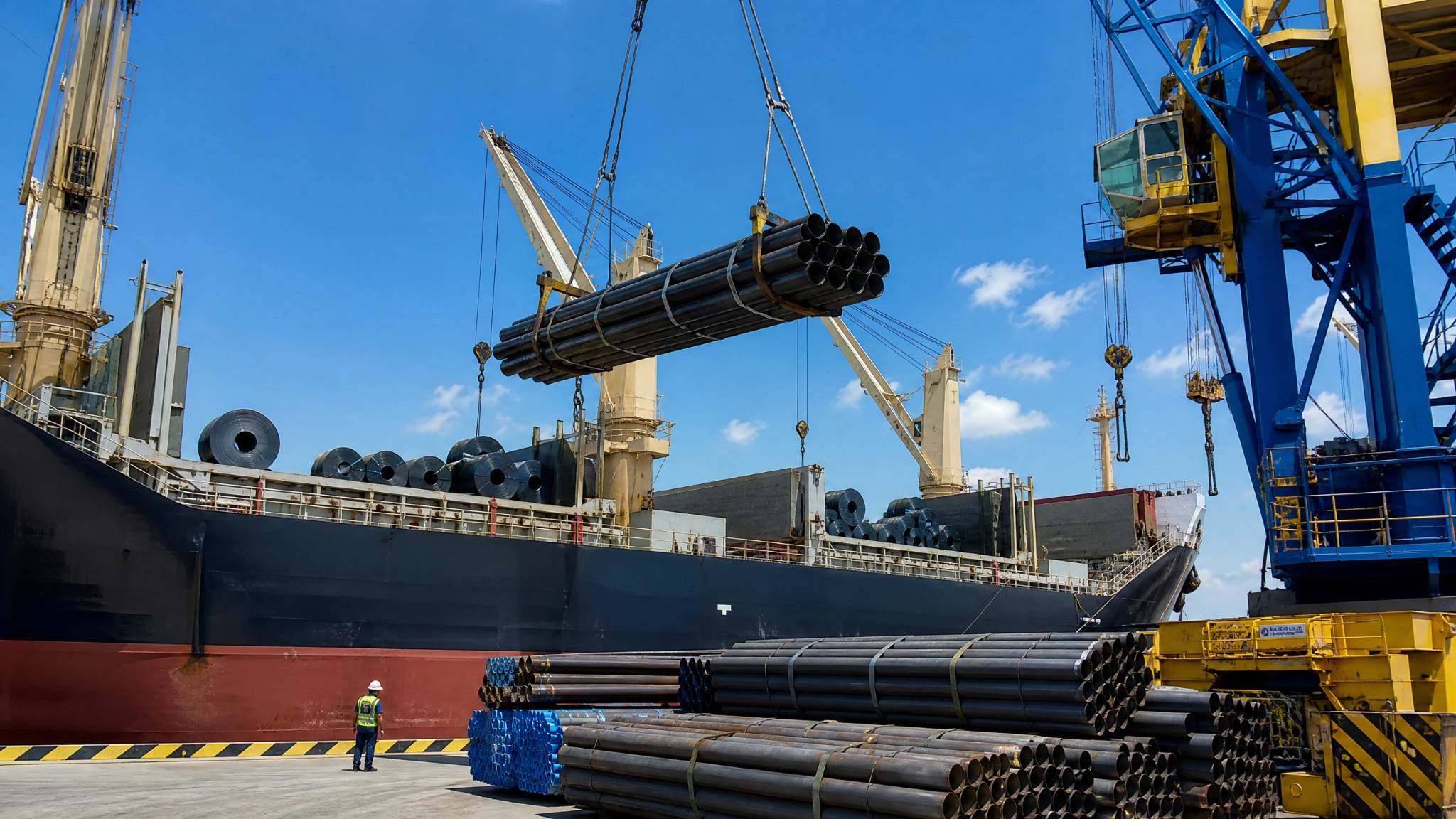
Bulk steel shipment ready for international export
Step 1: Define Your Steel Specifications Precisely
Before you even think about contacting suppliers, you must clearly and meticulously outline your exact requirements. This includes the specific type of steel you need (e.g., rebar, Hot-Rolled Coil (HRC), Cold-Rolled Coil (CRC)), its precise grade, exact dimensions, the required quantity, and any specific technical standards or certifications that are mandatory for your project. This level of precision at the outset is critical for obtaining accurate quotations and ensuring successful procurement.
Step 2: Identify and Thoroughly Vet Potential Suppliers
Begin by researching reputable Vietnamese steel manufacturers and established trading companies. Look for suppliers who can demonstrate a proven track record, possess relevant product expertise, and maintain robust quality control processes. Valuable resources for this stage include online industry directories, professional trade associations, and international trade shows.
Consider partnering with experienced sourcing experts, such as Camasteel. We can significantly assist you in comparing various mills, verifying their certifications, and helping you secure mill-direct pricing, ensuring you get the best possible deal.
Step 3: Implement Robust Quality Control Measures
Quality assurance is absolutely non-negotiable when importing steel. Always insist on receiving comprehensive Mill Test Certificates (MTCs) from your supplier. These documents are vital for confirming the chemical composition and mechanical properties of the steel.
For an added layer of assurance, consider engaging independent third-party inspection services, such as SGS, to conduct pre-shipment inspections. This will verify both the product quality and quantity before it leaves the factory. This proactive approach is key to minimizing risks and guaranteeing compliance with your project’s stringent standards.
Step 4: Navigate Payment and Contractual Agreements with Care
It is essential to establish clear and unambiguous payment terms, along with comprehensive contractual agreements. These documents should meticulously cover all aspects, including pricing structures, precise delivery schedules, detailed quality clauses, mechanisms for dispute resolution, and force majeure provisions. Working with experienced legal counsel who specialize in international trade can provide an invaluable extra layer of protection and peace of mind.
Step 5: Arrange Efficient Shipping and Logistics
Collaborate closely with experienced logistics partners to expertly manage the sea freight process from Vietnam to your final destination. This critical stage involves handling all aspects of customs clearance, preparing and submitting necessary documentation, and arranging for efficient inland transportation once the steel arrives at port. Key Vietnamese ports, such as Hai Phong and Ho Chi Minh City, are well-equipped and strategically located to handle large volumes of steel cargo, ensuring your shipment is processed efficiently.
Key Considerations: Chinese Vs Vietnam Steel – A Comparative Overview
To help you quickly grasp the core differences and make an informed decision, here’s a comparative table summarizing the key aspects of sourcing steel from China versus Vietnam:
| Feature | Chinese Steel | Vietnamese Steel |
| Production Scale | Massive, world’s largest producer | Rapidly growing, significant regional player |
| Price | Highly competitive for bulk orders | Increasingly competitive, especially regionally |
| Product Range | Extremely diverse, specialized alloys available | Strong in high-demand products (HRC, rebar) |
| Quality Control | Adheres to GB/T, ISO, ASTM; requires diligent verification | Adopting international standards; robust inspection advised |
| Lead Time | Efficient logistics, established routes | Developing logistics, potentially longer for some routes |
| Market Focus | Global supplier for all needs | Strong regional presence, growing global reach |
| Trade Policies | Subject to various anti-dumping duties and restrictions | Generally favorable, but watch for regional tariffs |
Need help sourcing steel from China? Our team helps international buyers compare steel mills, verify certifications, inspect factories, confirm technical specifications, and secure mill-direct pricing before payment. Share your project requirements today for quotation support and supplier evaluation.
Why Choose Camasteel for Your Steel Procurement Needs?
At Camasteel, we deeply understand the intricate complexities of global steel procurement. Whether your needs lead you to source from China or Vietnam, our extensive expertise ensures a seamless and highly reliable experience. We specialize in connecting international buyers with thoroughly verified mills, meticulously managing quality control processes, and expertly streamlining logistics for projects of all scales, particularly large-scale endeavors. Our unwavering commitment to responsible steel sourcing means you can place your trust in the ethical and sustainable practices of all our partners.
We are here to help you:
- Compare Steel Mills:
Gain access to our carefully curated network of trusted manufacturers in both China and Vietnam, ensuring you find the perfect match for your project.
- Verify Certifications:
We ensure that all products meet stringent international quality standards, giving you peace of mind.
- Inspect Factories:
We conduct thorough audits to confirm the legitimacy and robust production capabilities of potential suppliers.
- Confirm Technical Specifications:
We guarantee that the steel you receive precisely matches your project’s unique and demanding requirements.
- Secure Mill-Direct Pricing:
Benefit from highly competitive rates and completely transparent transactions, optimizing your budget.
Our numerous success stories are a testament to our unwavering dedication to client satisfaction and exceptionally efficient procurement. We invite you to learn more about us and discover how we can powerfully support your next significant project.
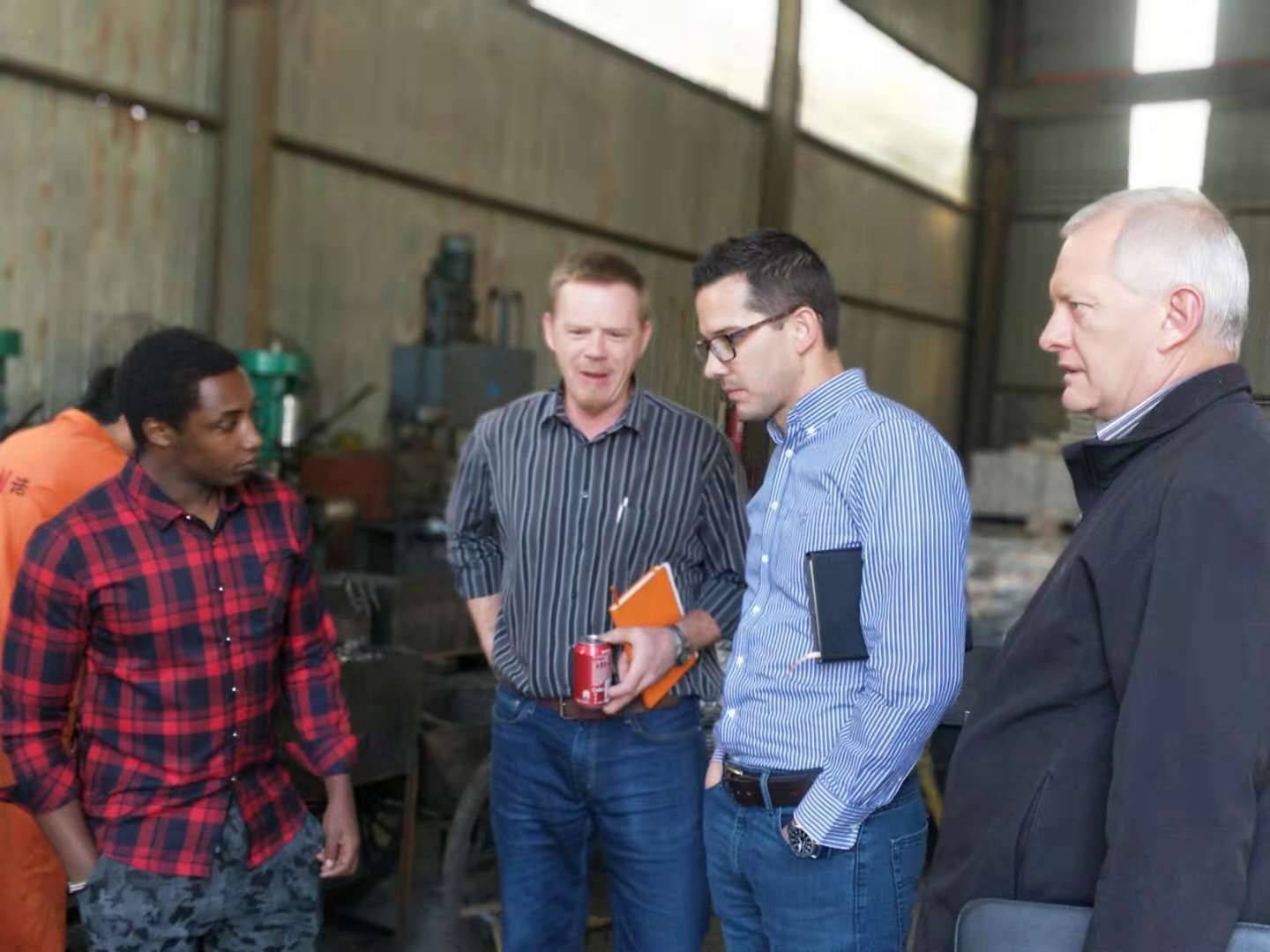
Professional factory inspection and supplier meeting
Frequently Asked Questions (FAQs) About International Steel Sourcing
Q1: Is Vietnamese steel generally more affordable than Chinese steel?
A: Not necessarily. While Chinese steel often boasts highly competitive pricing due to its immense scale of production, Vietnamese steel can prove to be more cost-effective for specific products or for buyers located in certain regions. This is especially true when you factor in overall logistics costs and potential tariff advantages. It’s always crucial to obtain detailed, specific quotations from both markets for a direct comparison tailored to your unique needs.
Q2: What are the primary challenges when importing steel from China or Vietnam?
A: Common challenges include consistently ensuring product quality, diligently verifying supplier legitimacy, effectively managing complex international logistics and customs procedures, and safeguarding payment security. Issues such as incorrect material grades, unexpected delayed shipments, and even potential fraud can unfortunately arise if proper due diligence and stringent inspection protocols are not firmly in place. Partnering with experienced sourcing agents can significantly mitigate these inherent risks.
Q3: How can I confidently ensure the quality of steel when buying internationally?
A: To confidently ensure quality, you must always request comprehensive Mill Test Certificates (MTCs) directly from the supplier. Additionally, it is highly recommended to engage independent third-party inspection services, such as SGS, to conduct thorough pre-shipment inspections. Implementing factory audits and including clear, robust contractual quality clauses are also absolutely vital. For more in-depth insights into reliable sourcing practices, we encourage you to explore our detailed guide on the best steel companies in China.
Q4: What are the typical lead times for steel shipments originating from Asia?
A: Lead times can vary quite significantly. They depend heavily on the specific product, the quantity ordered, the supplier’s current production schedule, and your ultimate shipping destination. Generally, you can expect lead times to range from 4 to 8 weeks for sea freight from either China or Vietnam to major international ports. It is absolutely crucial to carefully factor in production time, potential port congestion, and the time required for customs clearance when meticulously planning your project timeline.
Q5: What are the key differences in steel grades between China and Vietnam?
A: Both China and Vietnam produce steel according to various international standards. China primarily uses its national GB/T standards, which are quite comprehensive, alongside international standards like ASTM, EN, and JIS. Vietnam’s steel industry also aligns with these international standards, with a growing focus on producing steel that meets global specifications for export. When sourcing, always specify the exact standard (e.g., ASTM A36, JIS G3101 SS400) you require, and ensure the supplier’s MTCs confirm compliance.
Conclusion: Making the Right Steel Procurement Choice for Your Business
Choosing between Chinese and Vietnamese steel is a significant strategic decision that should be carefully aligned with your project’s unique requirements, budgetary constraints, and critical timelines. Both nations present compelling advantages: China offers unparalleled scale and product diversity, while Vietnam is rapidly emerging as a strong, competitive alternative, boasting growing capacity and increasingly high-quality output.
Don’t allow the inherent complexities of international steel procurement to slow down your progress or hinder your success. For expert guidance, reliable sourcing solutions, and a partner committed to your success, connect with Camasteel today. We are here to empower you to make smart, cost-effective, and strategic decisions for all your steel needs.
Industrial Buyers: Importing Steel to China?
Are you navigating a serious steel purchase? We understand the complexities involved.
✅ Do you know your steel specifications?
✅ Are you buying in bulk?
✅ Do you need supplier verification in China?
✅ Do you need inspection before shipment?
✅ Do you need support shipping to China?
If you answered yes to these questions, you’re likely handling a significant steel procurement. Share Your Requirements with us today to streamline your import process.