
If you source grinding media for mining, cement, or industrial milling, you already know this choice matters. Forged steel balls and cast steel balls are not interchangeable. The wrong choice can increase your breakage rate, raise your cost per ton, and slow down production.
This guide breaks down exactly how each type is made, where each performs best, and which one makes more sense depending on your application and budget. By the end, you will have a clear answer — not a vague “it depends.”
What Are Forged Steel Balls?
Forged steel balls are produced by heating a solid steel billet, then mechanically pressing or hammering it into a spherical shape under high force. After forming, the balls go through heat treatment — typically quenching and tempering — to reach the required hardness and toughness.
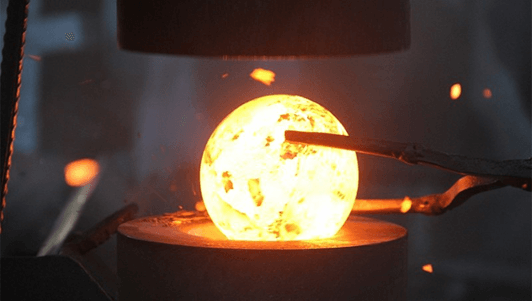
Quality inspection of forged steel balls at our manufacturing facility — each batch is tested before shipment.
This process does something important to the steel’s internal structure. Forging refines the grain flow and aligns it throughout the ball. That means fewer internal voids, less porosity, and a more uniform microstructure compared to cast alternatives. The result is a ball with higher impact toughness and better resistance to cracking under repeated stress.
Key characteristics of forged steel balls:
- Hardness typically ranges from 60–68 HRC depending on alloy and heat treatment
- Dense, refined grain structure with fewer internal defects
- High impact toughness — important in high-energy ball mills
- Consistent roundness, which reduces uneven wear and mill liner damage
- Lower breakage rates over the service life
How Forged Steel Balls Are Made
The manufacturing process follows a defined sequence:
- Billet selection — High-quality steel stock is chosen based on the required alloy composition (typically carbon steel or alloy steel with chromium or manganese).
- Heating — The billet is heated to forging temperature, usually between 1,100°C and 1,250°C.
- Forging — The heated steel is formed under mechanical press or hammer into a sphere shape. This step compresses the grain structure and eliminates voids.
- Heat treatment — Quenching (rapid cooling) followed by tempering sets the final hardness and toughness balance.
- Surface finishing and inspection — Balls are measured for roundness, surface defects, and hardness before packaging.
Where Forged Steel Balls Work Best
Forged balls are the standard choice in:
- Hard-rock mining (gold, copper, iron ore) where mills run at high impact velocities
- Cement grinding in ball mills where wear rate and breakage cost is closely tracked
- Power plants using coal grinding systems
- SAG (Semi-Autogenous Grinding) mills where impact energy is high
What Are Cast Steel Balls?
Cast steel balls are made by pouring molten steel into a mold — either through sand casting or a precision method like permanent mold casting. Once cooled, the ball solidifies in the shape of the mold. Some manufacturers apply heat treatment after casting to improve hardness.
The casting process can produce a wide variety of shapes at lower tooling costs. However, it also introduces a higher risk of internal porosity, shrinkage cavities, and inconsistent microstructure — particularly without rigorous quality controls.
Key characteristics of cast steel balls:
- Hardness range varies widely — typically 45–65 HRC depending on alloy and process
- Internal structure may contain porosity or micro-voids depending on foundry controls
- Can achieve complex shapes and larger diameters more easily than forging
- Generally lower upfront production cost at equivalent volume
- Breakage risk is higher in high-impact milling environments
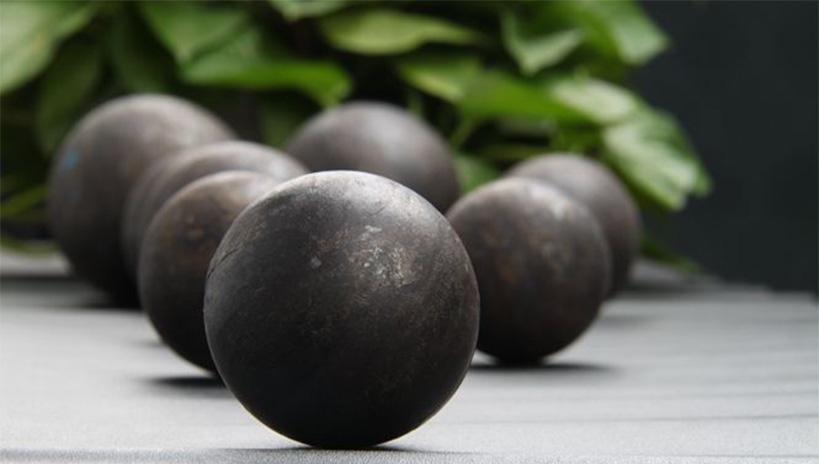
Cast steel balls used in cement and chemical processing applications — available in multiple size ranges.
How Cast Steel Balls Are Made
- Mold preparation — Sand molds or permanent metal molds are prepared in the shape of the ball.
- Melting and pouring — Steel is melted in a furnace and poured into the prepared mold.
- Cooling and shakeout — The mold is removed after the steel solidifies.
- Optional heat treatment — Some cast balls undergo quenching and tempering to improve hardness, though this step varies by manufacturer.
- Inspection — Dimensional and hardness checks are performed before shipment.
Where Cast Steel Balls Are Commonly Used
- Cement ball mills where grinding conditions are moderate
- Chemical processing with mixing and milling needs
- Non-ferrous mineral processing with lower impact requirements
- Applications where budget is the primary constraint and breakage rate is acceptable
Forged Steel Balls vs. Cast Steel Balls: Head-to-Head Comparison
This table gives procurement managers a direct comparison across the factors that affect purchasing decisions most.
| Factor | Forged Steel Balls | Cast Steel Balls |
|---|---|---|
| Manufacturing process | Heated and mechanically pressed/forged | Molten steel poured into mold |
| Internal structure | Dense, refined grain — fewer defects | Higher porosity risk without tight process controls |
| Hardness range | 60–68 HRC (typical) | 45–65 HRC (varies by alloy and process) |
| Impact toughness | High — suited for high-energy mills | Lower — higher breakage risk under heavy impact |
| Breakage rate | Low | Moderate to high in high-impact conditions |
| Roundness and consistency | Tightly controlled | Can vary depending on mold quality |
| Unit cost | Higher upfront | Lower upfront |
| Cost per ton of ore ground | Often lower over service life | Can be higher due to faster consumption |
| Best application | Mining, SAG mills, high-energy cement grinding | Moderate milling, chemical processing, budget-constrained jobs |
| ISO compliance potential | Yes | Yes — depends on manufacturer’s QC process |
| Heat treatment included? | Standard | Varies by manufacturer — confirm before buying |
Need help sourcing steel from China? Our team helps international buyers compare steel mills, verify certifications, inspect factories, confirm technical specifications, and secure mill-direct pricing before payment. Share your project requirements today for quotation support and supplier evaluation.
WhatsApp Us for Free a Consultation
What Procurement Managers Get Wrong When Choosing Between the Two
Buyers often make this decision based on unit price alone. That approach is understandable — procurement has cost targets. But it can lead to higher total spend.
Here is what typically goes wrong:
1. Choosing cast because the per-ball price is lower
If your mill is running hard-rock ore at high energy, cast balls break faster. You replace them more often. The savings on unit price disappear quickly. Ask suppliers for breakage rate data at your specific milling conditions, not just hardness numbers.
2. Not confirming whether heat treatment was applied to cast balls
Heat treatment significantly affects the performance of cast steel balls. Not all manufacturers include it as standard. Without heat treatment, a cast ball’s surface hardness can drop sharply toward its core — which means it wears unevenly and breaks sooner.
3. Assuming all forged balls are the same
The alloy composition matters. A low-carbon forged ball and a high-chromium alloy forged ball behave very differently in corrosive slurry environments. Match the alloy to the application — not just the manufacturing method.
4. Ignoring roundness specifications
Out-of-round balls create uneven contact in the mill. This increases wear on mill liners and reduces grinding efficiency. Forged balls typically hold tighter roundness tolerances. Confirm roundness specs in writing before ordering.
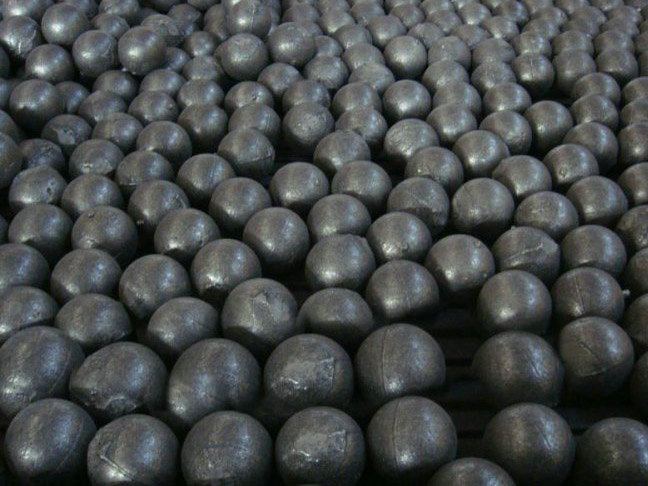
Our factory in China — equipped with fully integrated forging, heat treatment, and quality inspection lines for steel grinding media.
How Forged and Cast Steel Balls Perform in Demanding Conditions
High-Impact Milling Environments
Forged steel balls outperform cast in high-energy applications. The aligned grain structure absorbs impact loads without cracking the way cast balls can. In SAG mills running large rocks, a cast ball with internal porosity can fracture on the first few cycles. A well-forged, properly heat-treated ball holds its shape throughout its service life.
That said, not all cast balls fail in high-impact conditions. Manufacturers with tight alloy control and consistent heat treatment can produce cast balls that perform adequately in moderate-impact mills. The risk is inconsistency — especially when sourcing from suppliers without documented QC processes.
Corrosive Slurry Conditions
Corrosion resistance is primarily a function of alloy chemistry, not manufacturing method. Both forged and cast balls can be formulated with chromium, manganese, or other alloying elements to resist oxidation and chemical wear.
In acidic or highly corrosive slurry environments (common in gold and copper processing), high-chrome cast balls are widely used and can perform well when the alloy and microstructure are properly controlled. High-chrome forged balls are less common but offer superior toughness where both corrosion and impact are factors.
If your application involves corrosive conditions, specify the alloy — not just “forged” or “cast.”
Temperature Performance
Both types can operate at elevated temperatures used in standard industrial grinding. Forged steel balls generally handle thermal shock better due to their tighter grain structure, which reduces micro-cracking under rapid temperature changes. This is especially relevant in dry grinding applications or kilns.
Testing and Quality Standards
Both forged and cast steel balls can be manufactured to meet international standards, including:
- ISO 3290 (ball standards for dimensional tolerances)
- AS 4761 (Australian standard for grinding media — referenced in mining)
- SGS and third-party testing for hardness, breakage, and chemical composition
The difference is consistency. Forged balls, by nature of the process, have a more predictable internal structure. Quality assurance for cast balls depends heavily on the foundry’s process controls — mold quality, pour temperature, cooling rate, and heat treatment protocol.
When sourcing either type, request:
- Mill certificate (chemical composition)
- Hardness test report (surface and core)
- Breakage rate data from comparable applications
- Third-party inspection reports if ordering at scale
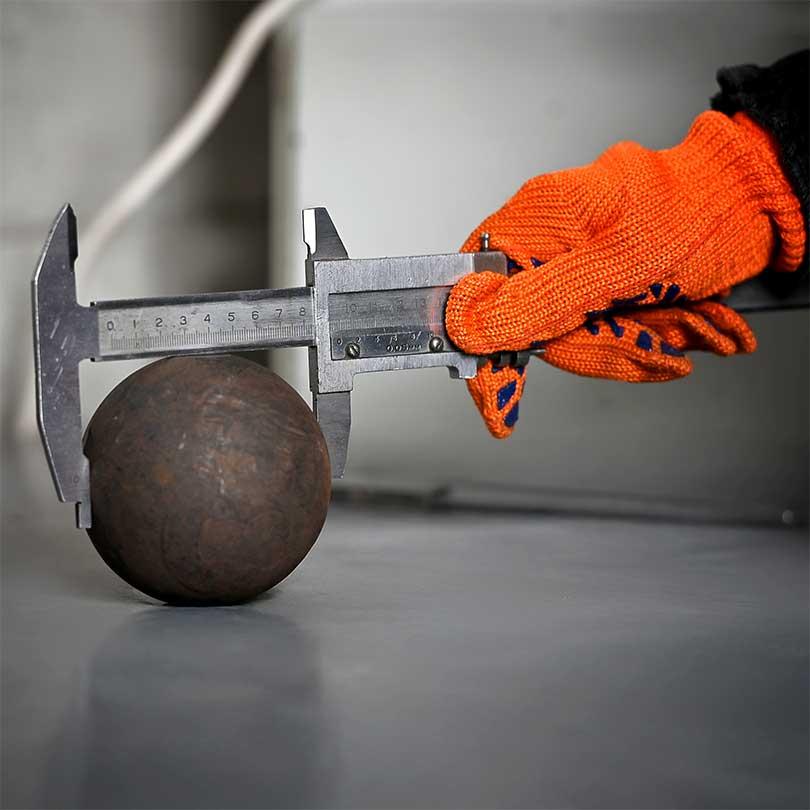
Every batch of forged steel balls goes through hardness and breakage testing at our QC lab before export approval.
Real-World Application: What Camasteel Customers Choose
Procurement managers sourcing grinding media from China through Camasteel typically fall into two groups:
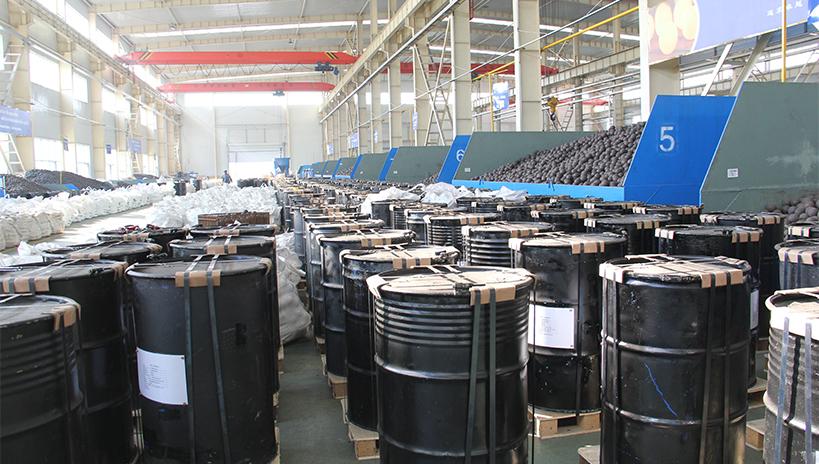
Camasteel packages forged steel balls in export-grade steel drums or bulk bags based on customer specifications.
Group 1 — Mining and Heavy Industrial:
These buyers prioritize toughness, consistent hardness, and low breakage rates. They almost always choose forged steel balls because the total cost of ownership is lower, even when the unit price is higher. A mine running 24 hours a day cannot afford unplanned mill shutdowns from ball fractures.
Group 2 — Cement and Chemical Processing:
These buyers have more flexibility. Their mills run at moderate energy levels. Some use forged, some use cast — often based on previous supplier relationships and established performance benchmarks. For this group, a well-made cast ball from a quality-controlled manufacturer can be the right call.
See how our customers source steel from China and what they look for when evaluating suppliers for long-term contracts.
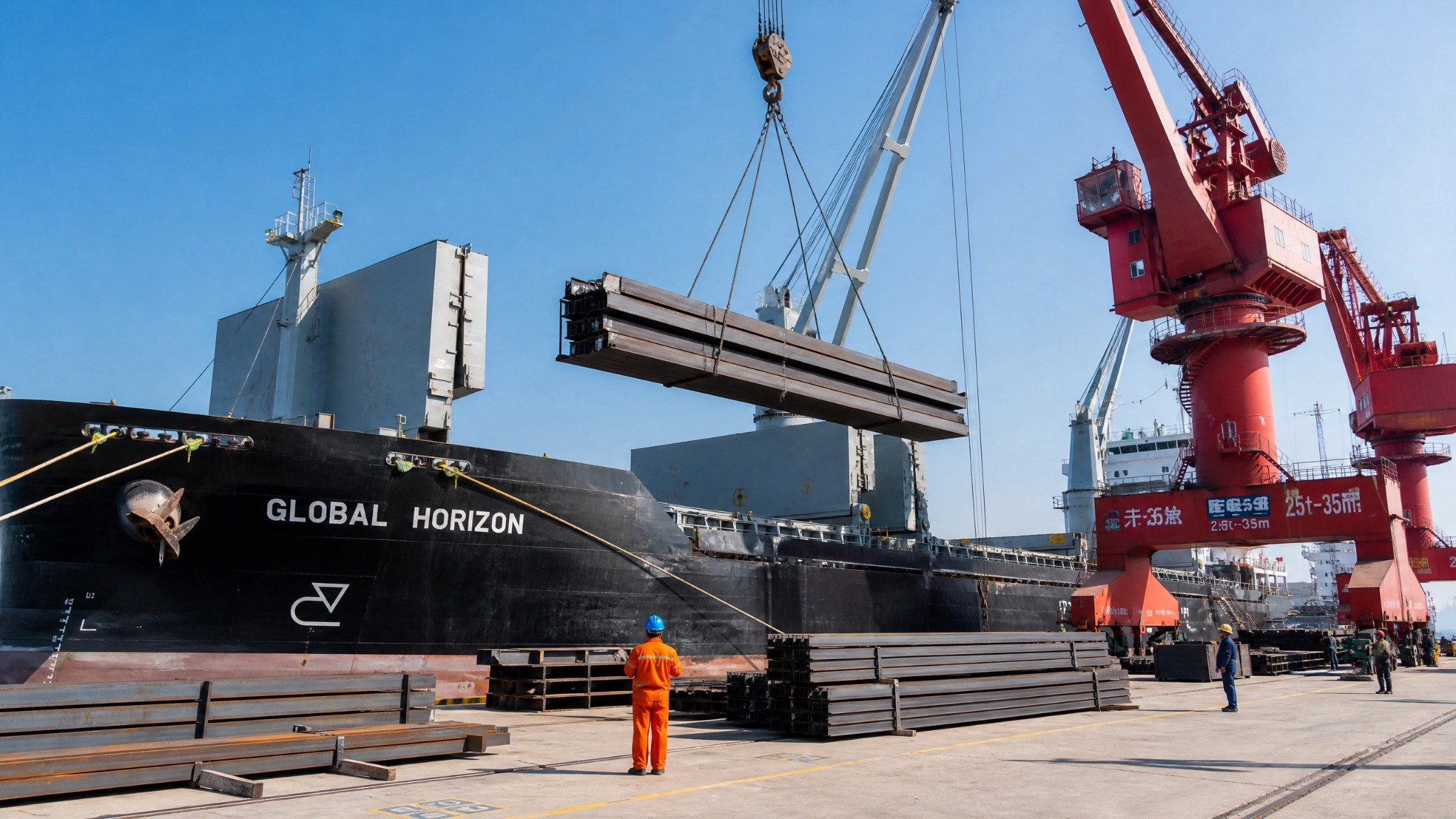
Our logistics team handles full container loads of steel grinding media to ports worldwide — with documentation and export certification included.
Frequently Asked Questions About Forged vs. Cast Steel Balls
Is forged steel always better than cast steel for grinding?
Not in every case. Forged steel balls are generally better in high-impact milling applications because their refined grain structure provides higher toughness and lower breakage rates. For moderate-energy grinding, a well-manufactured cast ball with proper heat treatment can deliver acceptable performance at a lower unit cost. The right answer depends on your mill type, ore hardness, and operating conditions.
Why do forged steel balls cost more upfront?
The forging process requires higher energy input, more precise tooling, and additional steps like heat treatment and surface finishing. These add to the per-unit cost. However, forged balls typically last longer and break less, so the cost per ton of material ground is often lower over time.
Can cast steel balls meet ISO standards?
Yes. Both forged and cast steel balls can be produced to meet relevant ISO and industry standards. What matters is the manufacturer’s process control, alloy consistency, and quality assurance documentation. Always request mill certificates and third-party test reports regardless of ball type.
What hardness should grinding media be for mining applications?
For hard-rock mining applications, forged steel balls typically target 60–65 HRC surface hardness with a tougher core (around 55–60 HRC). The exact specification depends on the ore type, mill size, and grinding circuit. Hardness that is too high can make balls brittle and prone to cracking under impact.
How do I know if my supplier’s cast balls have been heat treated?
Ask for the heat treatment certificate and hardness profile — including both surface and core hardness. A properly quenched and tempered cast ball will show consistent hardness from surface to core. A ball without heat treatment will show a significant drop in hardness toward the center. Request this data before placing an order.
What is the typical size range for forged steel grinding balls?
Forged steel balls are commonly available from 20mm to 150mm diameter. The appropriate size depends on the mill diameter, feed size, and material being ground. Camasteel can supply custom sizes within this range based on your grinding circuit requirements.
Conclusion: Which Steel Ball Should You Choose?
Forged steel balls are the stronger performer in high-impact, high-energy grinding environments. Their refined internal grain structure, consistent hardness, and lower breakage rate make them the practical choice for mining and heavy industrial applications where downtime is expensive.
Cast steel balls are a legitimate option in moderate milling conditions — particularly where budget is constrained and breakage rates are manageable. The key is sourcing from a manufacturer with documented quality controls, confirmed heat treatment, and verifiable test data.
Industrial Buyers: Importing Steel to China?
Are you navigating a serious steel purchase? We understand the complexities involved.
✅ Do you know your steel specifications?
✅ Are you buying in bulk?
✅ Do you need supplier verification in China?
✅ Do you need inspection before shipment?
✅ Do you need support shipping to China?
If you answered yes to these questions, you’re likely handling a significant steel procurement. Share Your Requirements with us today to streamline your import process.