
Have you ever found yourself at a crossroads, pondering which metal to choose for your next big project? The decision between Aluminium v. Galvanized Steel is a common one, and it’s far more critical than you might think. Both materials are workhorses in various industries, from construction to automotive, but they each bring a unique set of properties to the table.
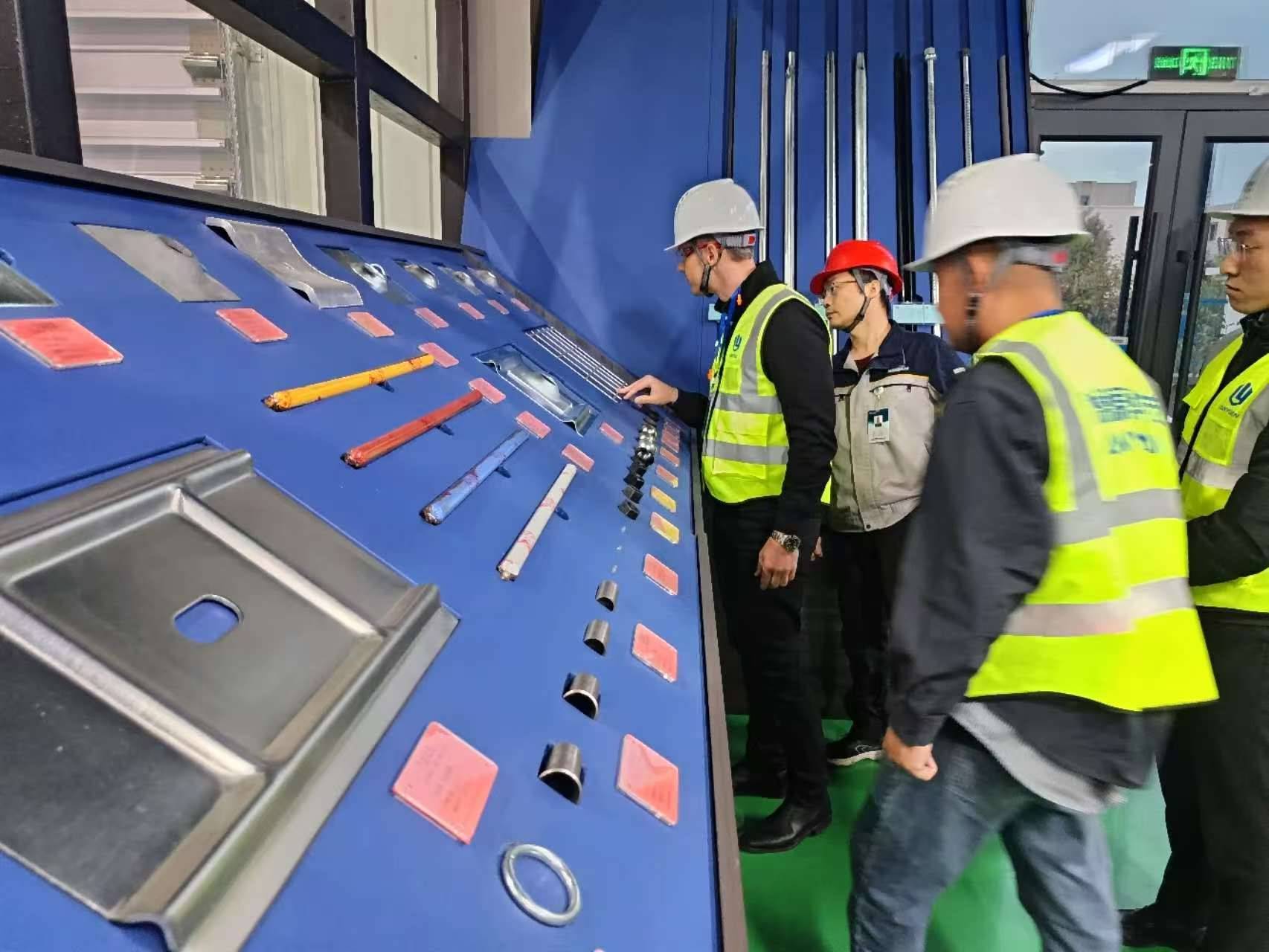
Making the right material choice is crucial for project success.
Understanding these differences, especially concerning corrosion resistance, weight, and cost, is paramount to making an informed choice that ensures the longevity and success of your application.
At Camasteel, we understand the complexities of material selection. We’re committed to providing high-quality, responsible steel solutions and expert guidance to help you navigate these choices. Let’s dive deep into the characteristics of aluminium and galvanized steel to uncover which material might be the perfect fit for your specific needs.
Understanding the Core Differences: Aluminium vs. Galvanized Steel
When we talk about metals, it’s easy to lump them all together. However, aluminium and galvanized steel are distinct in their fundamental composition and how they behave under different conditions. Steel, primarily an alloy of iron and carbon, gains its “galvanized” status from a protective zinc coating. Aluminium, on the other hand, is a lightweight, non-ferrous metal known for its natural resistance to corrosion.
What is Aluminium?
Aluminium is a silvery-white, lightweight metal, celebrated for its low density and excellent thermal and electrical conductivity. It’s the most abundant metallic element in the Earth’s crust, making it a readily available resource. Its natural corrosion resistance comes from a passive oxide layer that forms on its surface when exposed to air, acting as a protective barrier.
What is Galvanized Steel?
Galvanized steel is essentially steel that has been coated with a layer of zinc. This process, known as galvanization, is primarily done to protect the steel from rusting. The zinc acts as a sacrificial layer, corroding before the steel underneath, thereby extending the lifespan of the material, especially in harsh environments.
Corrosion Resistance: A Critical Comparison
Corrosion is the enemy of metal, leading to degradation and structural failure over time. Both aluminium and galvanized steel offer good corrosion resistance, but they achieve it through different mechanisms and perform differently in various environments.
How Aluminium Resists Corrosion
Aluminium’s inherent corrosion resistance is due to its ability to form a thin, tough, and self-repairing oxide layer. This passive layer prevents further oxidation and protects the underlying metal. This makes aluminium particularly effective in:
- Atmospheric exposure: Excellent resistance to weathering.
- Water environments: Good performance in freshwater and many saltwater applications, though specific alloys are better for marine use.
- Chemical resistance: Generally resistant to a wide range of chemicals, but can be attacked by strong acids and alkalis.
How Galvanized Steel Fights Rust
Galvanized steel relies on its zinc coating for protection. The zinc layer provides two main forms of defense:
- Barrier Protection:
The zinc physically separates the steel from corrosive elements.
- Sacrificial Protection (Cathodic Protection):
If the coating is scratched or damaged, the zinc, being more reactive than steel, corrodes first, protecting the
exposed steel. This self-healing property is a significant advantage.
However, the effectiveness of galvanized steel’s corrosion resistance can vary:
- Environmental Factors:
Performance depends heavily on the thickness of the zinc coating and the corrosivity of the environment (e.g., humidity, industrial pollutants, salt spray).
- Damage:
Deep scratches that penetrate both the zinc and steel layers can lead to rust if the sacrificial protection is overwhelmed.
Weight: The Lightweight Champion vs. The Sturdy Contender
Weight is a significant factor in many applications, influencing everything from fuel efficiency in transportation to ease of installation in construction.
The Advantage of Aluminium’s Low Density
Aluminium is remarkably lightweight, with a density approximately one-third that of steel. This characteristic makes it highly desirable for applications where weight reduction is critical, such as:
- Aerospace and Automotive: Improves fuel efficiency and performance.
- Portable Structures: Easier to transport and assemble.
- Consumer Goods: Lighter products for everyday use.
The Strength and Density of Galvanized Steel
Steel, even when galvanized, is considerably denser and heavier than aluminium. While this might be a disadvantage in weight-sensitive applications, it contributes to steel’s renowned strength and rigidity. For structures where robustness and load-bearing capacity are paramount, the weight of steel is often a necessary trade-off for its superior mechanical properties.
Cost Considerations: Initial Investment vs. Long-Term Value
Cost is almost always a deciding factor. When comparing Aluminium v. Galvanized Steel, it’s essential to look beyond the initial purchase price and consider the total cost of ownership, including installation, maintenance, and lifespan.
The Price Tag of Aluminium
Generally, aluminium has a higher upfront material cost per pound than galvanized steel. However, its lightweight nature can lead to savings in other areas:
- Transportation: Lower shipping costs due to reduced weight.
- Installation: Easier handling and faster assembly can reduce labor costs.
- Maintenance: Excellent corrosion resistance often translates to lower long-term maintenance expenses.
The Economic Appeal of Galvanized Steel
Galvanized steel typically boasts a lower initial material cost. This makes it an attractive option for budget-conscious projects. Its durability and corrosion resistance (thanks to the zinc coating) also contribute to a good cost-to-performance ratio over its lifespan, especially in less aggressive environments. However, factors like weight can increase transportation and installation costs compared to aluminium.
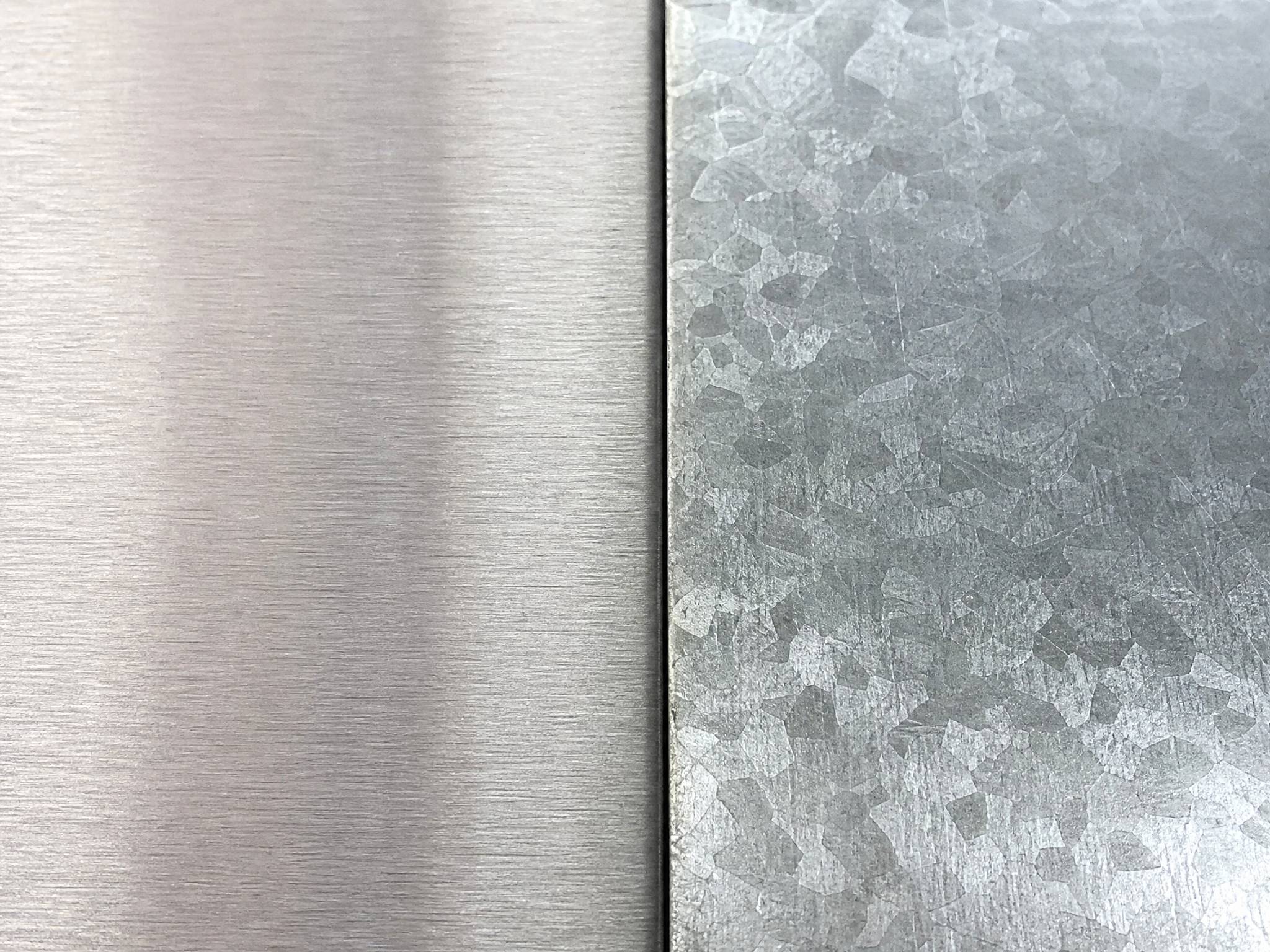
Visualizing the surface differences between aluminium and galvanized steel.
Applications: Where Each Metal Shines
Both metals have found their niche, excelling in applications that leverage their unique properties.
Common Uses for Aluminium
Aluminium’s combination of lightness, strength, and corrosion resistance makes it ideal for:
- Aerospace: Aircraft components, fuselage.
- Automotive: Car bodies, engine parts, wheels.
- Construction: Window frames, roofing, architectural panels.
- Packaging: Cans, foils.
- Electronics: Heat sinks, casings.
Common Uses for Galvanized Steel
Galvanized steel is preferred where strength, durability, and cost-effectiveness are key, particularly in environments prone to rust:
- Construction: Structural beams, roofing, fencing, guardrails.
- Automotive: Car chassis, exhaust systems.
- Agriculture: Farm equipment, silos.
- Utilities: Electrical towers, pipelines.
Key Factors to Consider When Choosing
Making the right choice between Aluminium v. Galvanized Steel involves a holistic assessment of your project’s requirements. Here are some crucial factors to weigh:
Environmental Conditions
- High humidity or salt spray? Aluminium generally performs better in highly corrosive atmospheric conditions, especially marine environments. Galvanized steel can also perform well, but its lifespan is more directly tied to the zinc coating’s integrity.
- Chemical exposure? Specific alloys of both metals are designed for chemical resistance, but general-purpose aluminium often outperforms galvanized steel in diverse chemical settings.
Structural Requirements
- Load-bearing capacity? Steel, including galvanized steel, typically offers superior tensile strength and rigidity, making it suitable for heavy-duty structural applications.
- Weight limitations? If weight is a critical constraint, aluminium is the clear winner.
Fabrication and Workability
- Forming and Welding:
Both metals can be formed and welded, but they require different techniques and considerations. Aluminium is generally easier to machine but can be trickier to weld than steel.
- Aesthetics:
Aluminium can be anodized and polished to a high sheen, offering diverse aesthetic options. Galvanized steel has a distinctive spangled finish, which can be painted.
Longevity and Maintenance
- Expected lifespan:
Both can last for decades, but aluminium’s natural corrosion resistance often gives it an edge in maintenance-free longevity, especially if the galvanized coating is compromised.
- Maintenance costs:
Aluminium typically requires less maintenance for corrosion protection. Galvanized steel might need re-galvanizing or painting over time, depending on the environment.
A Quick Comparison Table
To summarize the key differences, here’s a quick overview:
| Feature | Aluminium | Galvanized Steel |
| Density (Weight) | Low (approx. 2.7 g/cm³) | High (approx. 7.85 g/cm³) |
| Corrosion | Excellent (self-passivating oxide layer) | Good (sacrificial zinc coating) |
| Strength | Good strength-to-weight ratio | High tensile strength and rigidity |
| Cost (Material) | Higher upfront | Lower upfront |
| Workability | Easier to machine, harder to weld | Easier to weld, harder to machine |
| Applications | Aerospace, automotive, architectural, packaging | Construction, automotive chassis, agriculture, utilities |
Need help sourcing steel from China? Our team helps international buyers compare steel mills, verify certifications, inspect factories, confirm technical specifications, and secure mill-direct pricing before payment. Share your project requirements today for quotation support and supplier evaluation.
WhatsApp Us for Free a Consultation
The Manufacturing Process: A Glimpse Behind the Scenes
Understanding how these materials are produced can shed light on their properties and cost. At Camasteel, we partner with leading manufacturers, including some of the best steel companies in China, to ensure quality and efficiency.
Aluminium Production
Aluminium is primarily extracted from bauxite ore through the Bayer process (to produce alumina) and then the Hall-Héroult process (to smelt alumina into aluminium). This energy-intensive process is followed by alloying and various forming techniques like extrusion, rolling, and casting.
Galvanized Steel Production
Galvanized steel starts as regular steel, which is then coated with zinc. The most common method is hot-dip galvanizing, where fabricated steel is immersed in a bath of molten zinc. This creates a metallurgical bond between the steel and the zinc, forming a durable, protective layer.
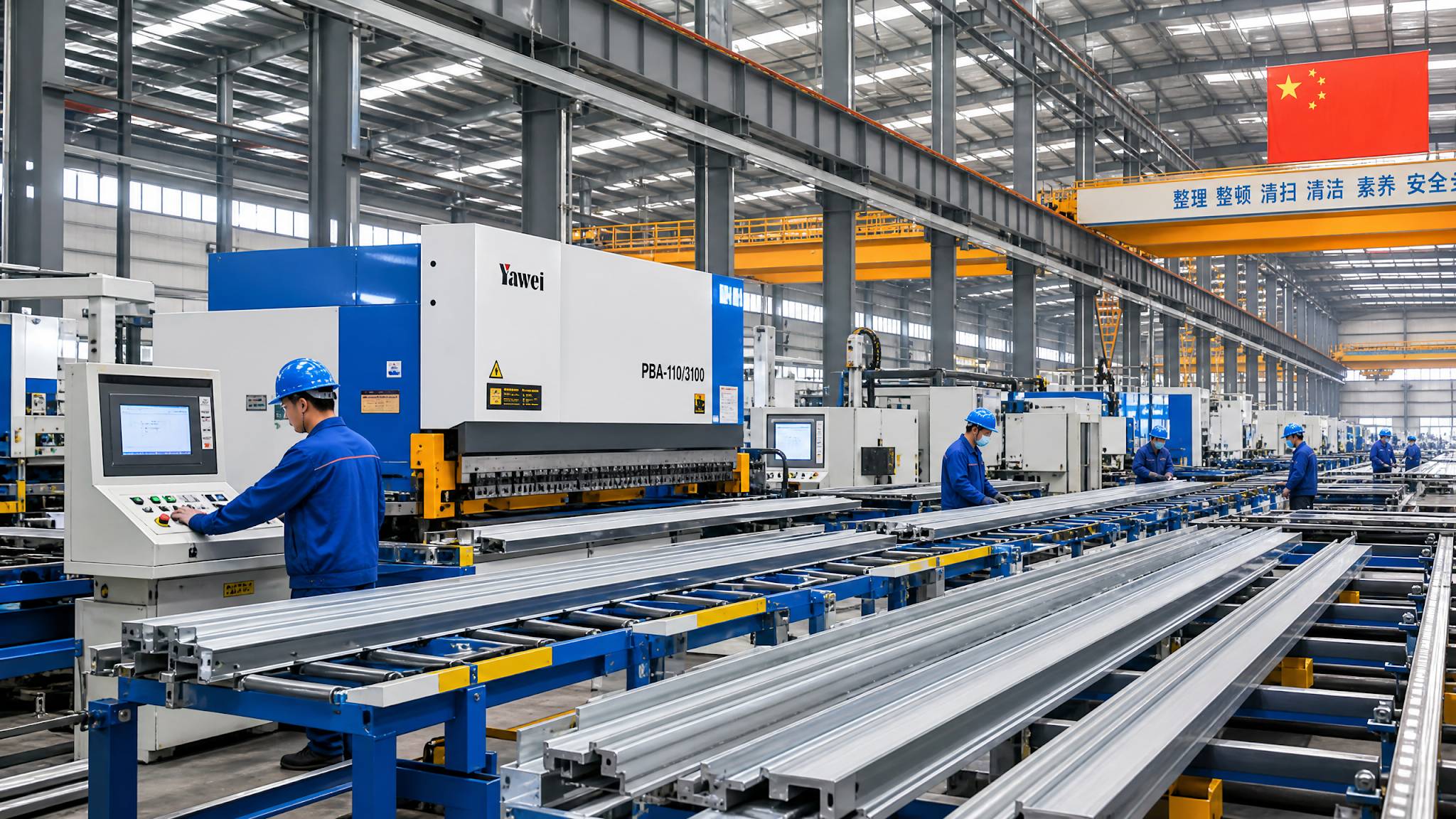
Our factory in China utilizes advanced technology for precision metal production.
Ensuring Quality and Reliability
Regardless of whether you choose aluminium or galvanized steel, ensuring the quality of the material is paramount. This is where robust quality control and supplier verification come into play. We have numerous success stories from clients who have benefited from our rigorous sourcing and inspection processes.
Quality Control for Aluminium
For aluminium, quality checks often involve:
- Alloy Composition: Verifying the precise mix of alloying elements.
- Mechanical Properties: Testing tensile strength, yield strength, and hardness.
- Surface Finish: Inspecting for defects and ensuring aesthetic requirements are met.
Quality Control for Galvanized Steel
For galvanized steel, key quality considerations include:
- Coating Thickness: Ensuring the zinc layer meets specified standards for corrosion protection.
- Adhesion: Checking that the zinc coating is properly bonded to the steel.
- Uniformity: Verifying an even coating across the entire surface.
Packaging and Shipping: Protecting Your Investment
Proper packaging and efficient shipping are vital to ensure your materials arrive in pristine condition, ready for your project. This is especially true for international shipments.
Aluminium Packaging
Aluminium products, particularly coils and sheets, are typically packaged to prevent surface damage and moisture ingress. This often involves:
- Protective Films: To guard against scratches.
- Desiccants: To absorb moisture and prevent water staining.
- Sturdy Crates or Pallets: For secure transport.
Galvanized Steel Packaging
Galvanized steel also requires careful packaging to protect its zinc coating. Common practices include:
- VCI (Volatile Corrosion Inhibitor) Paper: To prevent “white rust” during transit.
- Waterproof Wrapping: To shield against rain and humidity.
- Edge Protectors and Strapping: To secure bundles and prevent shifting.
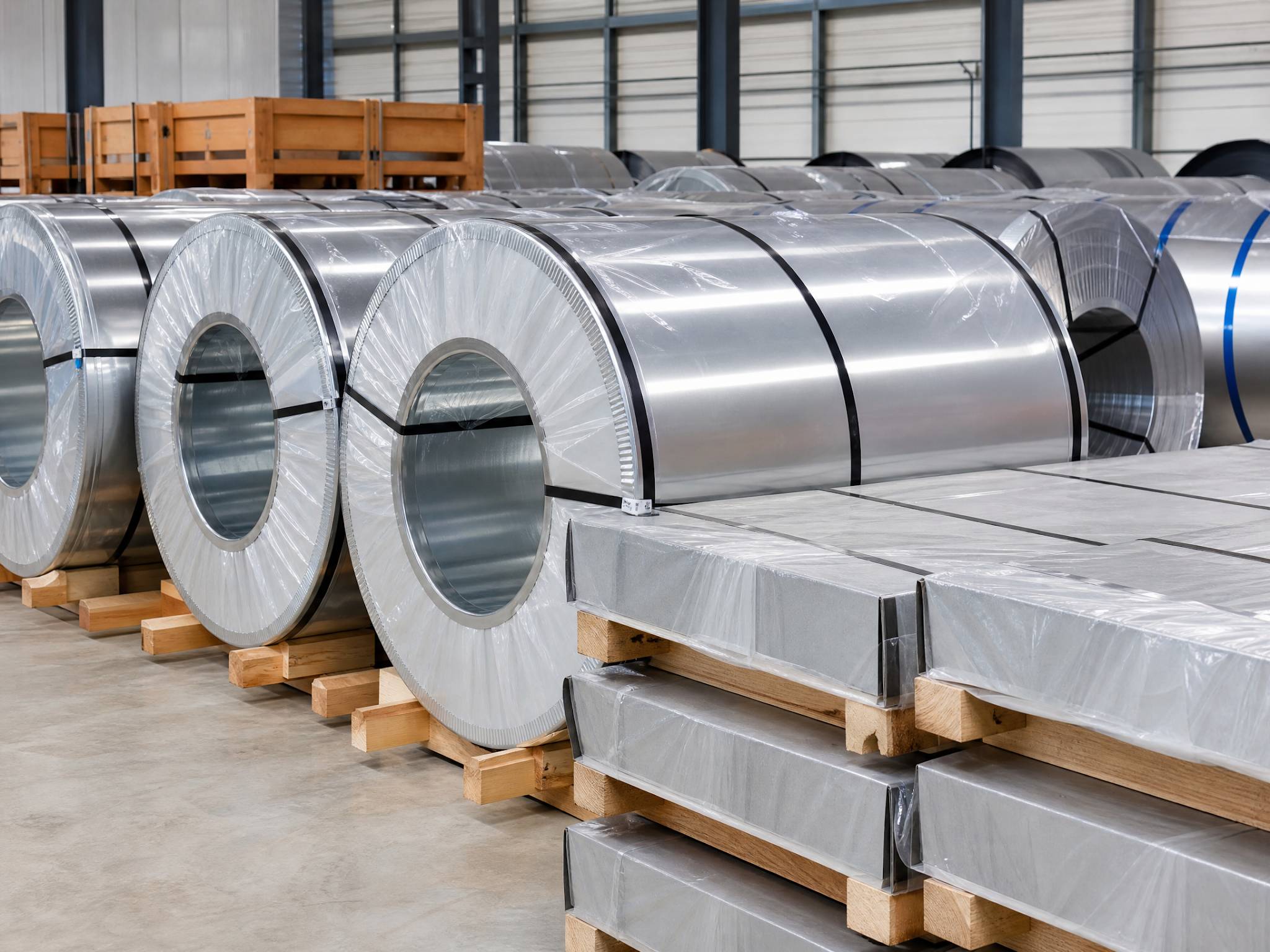
Meticulous packaging ensures metals arrive in perfect condition.
The Logistics of Global Metal Supply
Whether you’re sourcing aluminium or galvanized steel, especially from international markets, logistics play a crucial role. Efficient global supply chains are essential for timely and cost-effective delivery.
International Shipping of Metals
- Shipping metals globally involves careful planning, including:
- Containerization: Utilizing standard or specialized containers for secure transport.
- Freight Forwarding: Partnering with experts to manage customs, documentation, and transit.
- Port Operations: Navigating busy ports to ensure smooth loading and unloading.
Why Choose Camasteel for Your Metal Needs?
At Camasteel, we pride ourselves on being a trusted partner in global metal procurement. Our expertise spans both aluminium and various steel products, ensuring you get the right material for your project. Learn more about us and our commitment to excellence.
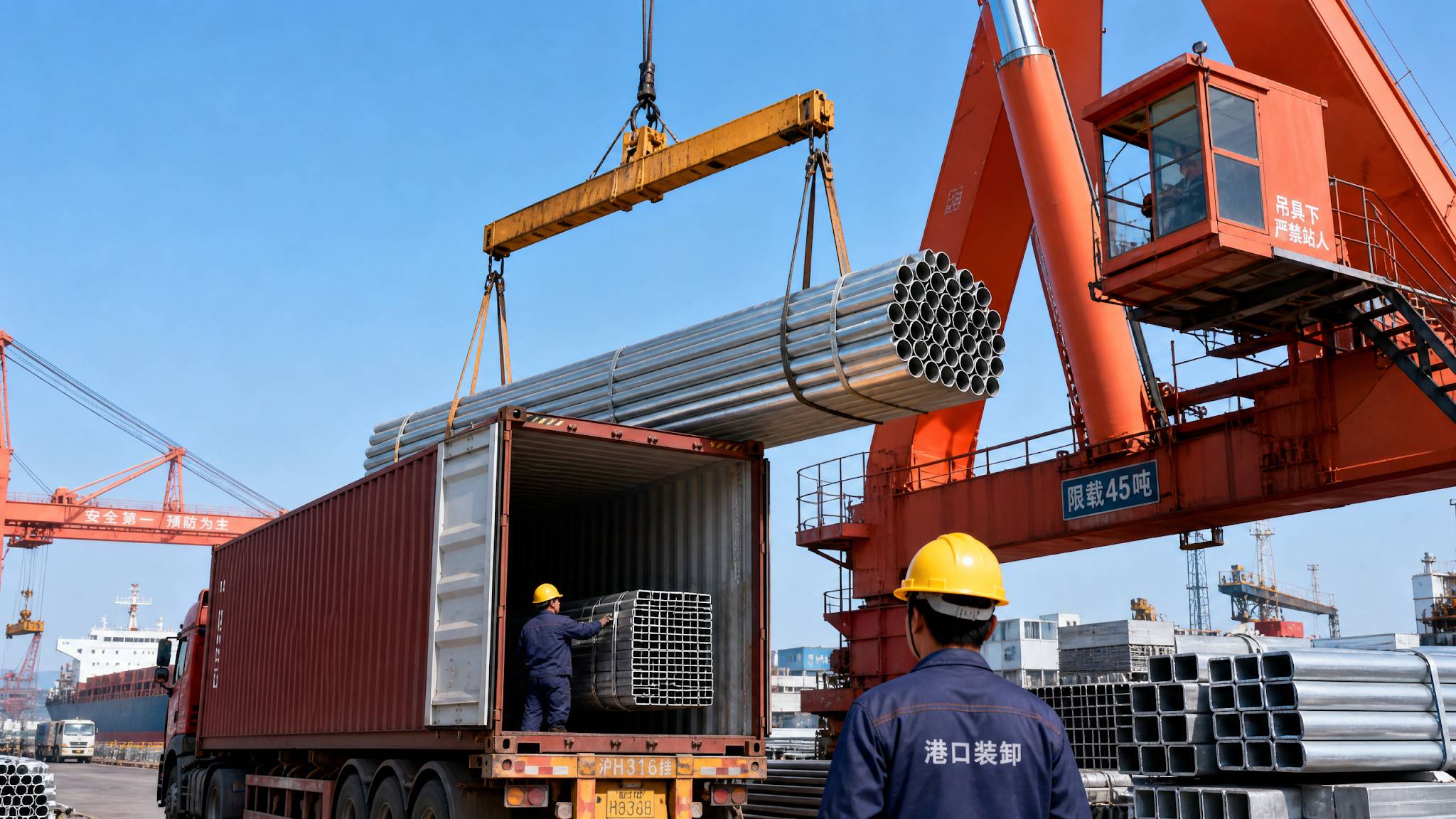
Efficient logistics are key to global metal supply.
People Also Ask: Your Top Questions Answered
We often hear similar questions when discussing these two vital materials. Let’s address some of the most common queries.
Q: Is aluminium stronger than galvanized steel?
A: In terms of tensile strength, galvanized steel is generally stronger and more rigid than aluminium. However, aluminium offers a better strength-to-weight ratio, meaning it provides comparable strength at a much lower weight. So, “stronger” depends on the context of the application.
Q: Which is more expensive, aluminium or galvanized steel?
A: Typically, aluminium has a higher upfront material cost per unit of weight than galvanized steel. However, when considering factors like transportation, installation, and long-term maintenance, the total cost of ownership can sometimes favor aluminium, especially in weight-sensitive or highly corrosive applications.
Q: Can you weld galvanized steel to aluminium?
A: Welding galvanized steel directly to aluminium is challenging and generally not recommended due to significant differences in melting points and metallurgical properties, which can lead to brittle joints and galvanic corrosion. Specialized techniques or mechanical fasteners are usually required if these two metals must be joined.
Q: Which material is better for outdoor use?
A: Both are excellent for outdoor use, but their performance varies. Aluminium’s natural oxide layer provides superior long-term corrosion resistance in many outdoor settings, especially marine environments. Galvanized steel, with its sacrificial zinc coating, is highly effective against rust in most atmospheric conditions, but its coating can degrade over time, especially in highly acidic or alkaline environments.
Conclusion: Making Your Informed Decision
Choosing between Aluminium v. Galvanized Steel isn’t about one being inherently “better” than the other; it’s about selecting the material that best aligns with your project’s specific demands for corrosion resistance, weight, and cost. Aluminium offers lightweight resilience and superior natural corrosion resistance, often at a higher initial cost. Galvanized steel provides robust strength and effective rust protection through its zinc coating, typically at a more economical price point.
By carefully evaluating your application’s environment, structural needs, budget, and desired lifespan, you can confidently make a choice that optimizes performance and value. Remember, the right material choice is an investment in your project’s future.
Industrial Buyers: Importing Steel to China?
Are you navigating a serious steel purchase? We understand the complexities involved.
✅ Do you know your steel specifications?
✅ Are you buying in bulk?
✅ Do you need supplier verification in China?
✅ Do you need inspection before shipment?
✅ Do you need support shipping to China?
If you answered yes to these questions, you’re likely handling a significant steel procurement. Share Your Requirements with us today to streamline your import process.