
When you’re looking to buy steel, especially for projects in Brazil, understanding the local standards isn’t just good practice—it’s essential. Brazil operates under the technical guidelines set by the Associação Brasileira de Normas Técnicas, or ABNT. These standards ensure that steel products meet specific quality, safety, and performance criteria, aligning with both national requirements and often, international benchmarks.

Our team collaborates to ensure every steel product meets stringent ABNT standards, guaranteeing quality and reliability.
Ignoring these standards can lead to significant issues, from project delays and cost overruns to structural failures. So, if you’re planning to source steel for construction, manufacturing, or any industrial application in Brazil, getting familiar with ABNT is your first crucial step. It’s about ensuring your investment is sound and your projects stand strong.
What is ABNT?
ABNT (Brazilian Association of Technical Standards) is Brazil’s official standards organization. Founded in 1940, it develops technical standards that ensure the quality, safety, and consistency of products across industries, including steel. As a founding member of ISO, many ABNT standards align with international best practices.
Key ABNT Steel Standards
ABNT NBR 7480 – Covers steel bars and wire used for concrete reinforcement, including CA-25, CA-50, and CA-60 grades.
ABNT NBR 6648 – Specifies requirements for heavy carbon steel plates and coils used in structural applications.
ABNT NBR 6330 – Defines standards for carbon steel wire rod used in manufacturing wire products and mesh.
ABNT vs International Standards
Many ABNT steel standards are comparable to ASTM and other international specifications. However, differences in chemical composition, testing methods, and certification requirements may exist, so buyers should always verify the exact standard before purchasing.
Steel Production in Brazil
Brazilian steel mills follow strict ABNT requirements throughout the manufacturing process, ensuring steel products meet the quality and performance standards required for construction, infrastructure, and industrial projects.
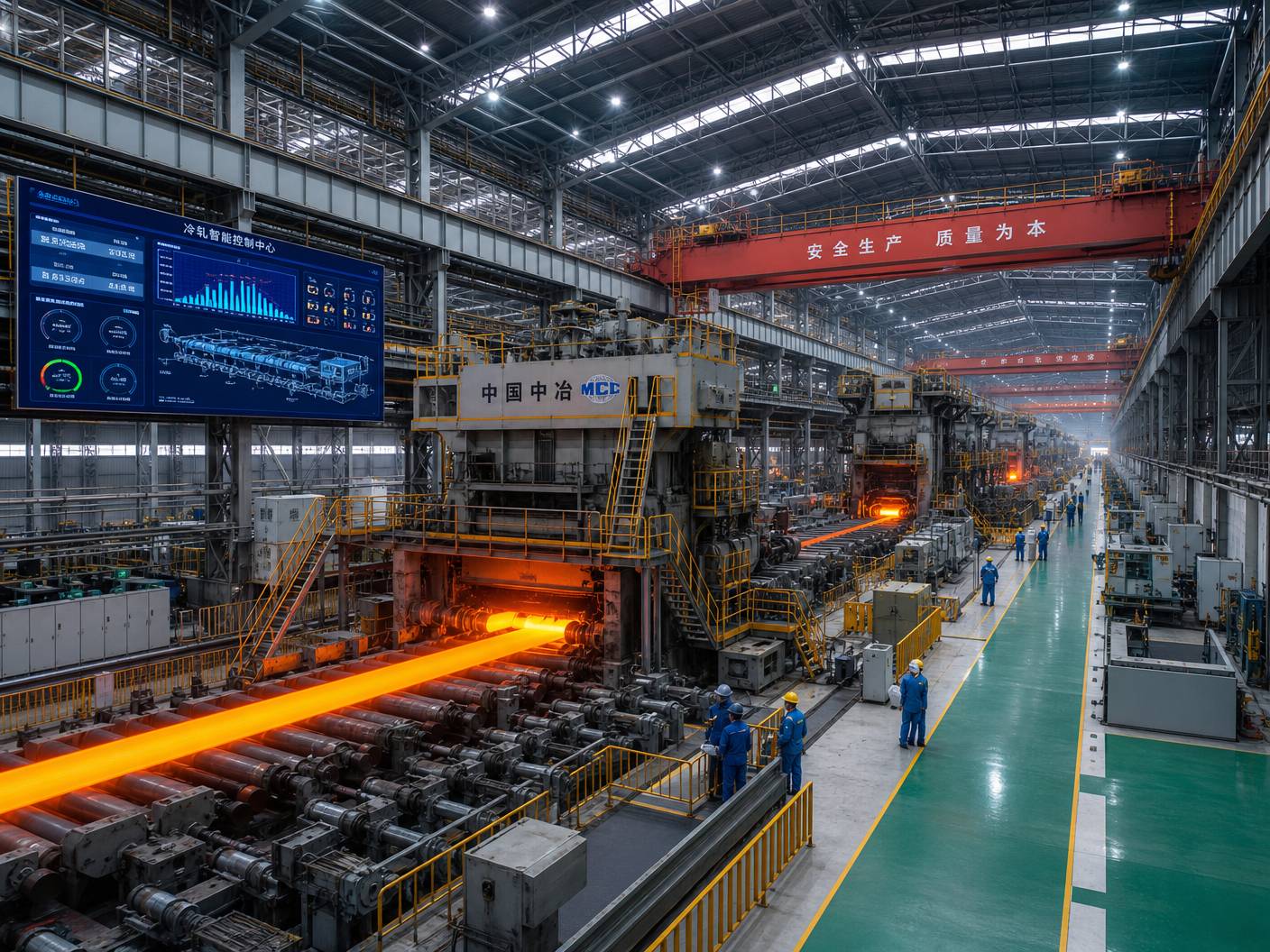
Our factory partners utilize state-of-the-art high-speed rolling mills to produce steel with exceptional quality and precision.
Manufacturing Excellence and Quality Control
Brazilian steel mills maintain strict quality control to ensure compliance with ABNT standards. Every stage of production—from raw material selection to final testing—is carefully monitored to guarantee consistent quality and performance.
Key quality control steps include:
- Raw Material Selection: High-quality iron ore and alloys are chosen to achieve required steel properties.
- Melting and Refining: Advanced processes remove impurities and ensure the correct chemical composition.
- Hot Rolling: Steel is formed into bars, rods, plates, and other products while meeting dimensional requirements.
- Controlled Cooling: Cooling methods are carefully managed to achieve the desired strength and ductility.
- Testing and Certification: Steel undergoes chemical, mechanical, and dimensional testing before a Mill Test Certificate (MTC) is issued.
ABNT Steel Grades and Applications
ABNT steel grades are designed for specific applications, ranging from concrete reinforcement and structural construction to industrial manufacturing. Selecting the correct grade ensures compliance, safety, and long-term performance for your project.
| ABNT NBR Standard | Grade | Common Applications |
|---|---|---|
| ABNT NBR 7480 | CA-25 | General concrete reinforcement, less demanding structures |
| ABNT NBR 7480 | CA-50 | Standard concrete reinforcement, beams, columns, slabs |
| ABNT NBR 7480 | CA-60 | High-strength concrete reinforcement, pre-stressed concrete, smaller diameter wires |
| ABNT NBR 6648 | CG-26 | Heavy structural components, thick plates, industrial machinery frames |
| ABNT NBR 6330 | MR-250 | Wire rod for drawing, nails, mesh, general purpose wires |
This table provides a quick reference, but always refer to the full ABNT NBR document for complete specifications and requirements. Choosing the correct grade is a critical decision that impacts the safety and longevity of your project.
Need help sourcing steel from China? Our team helps international buyers compare steel mills, verify certifications, inspect factories, confirm technical specifications, and secure mill-direct pricing before payment. Share your project requirements today for quotation support and supplier evaluation.
WhatsApp Us for Free a Consultation
How to Buy Steel in Brazil
Buying steel in Brazil requires a clear understanding of ABNT standards, supplier capabilities, and quality verification procedures.
Define Your Requirements
Before requesting quotations, specify:
- ABNT standard and steel grade (e.g., NBR 7480 CA-50)
- Dimensions and tolerances
- Required mechanical and chemical properties
- Surface finish or coating requirements
Clear specifications help prevent costly errors and ensure compliance.
Choose a Reliable Supplier
Work with suppliers that offer:
- ABNT and ISO certifications
- Proven experience in the Brazilian steel market
- Strong quality control procedures
- Technical support and transparent documentation
Always verify the supplier’s reputation and production capabilities before placing an order.
Verify Documentation and Quality
To ensure compliance:
- Review the Mill Test Certificate (MTC)
- Confirm chemical and mechanical properties
- Consider third-party inspections for large or critical orders
- Verify packaging and shipping arrangements before dispatch
A structured procurement process helps buyers secure high-quality, ABNT-compliant steel while reducing risks related to quality, delays, and documentation issues.

Our steel wire rod coils are meticulously produced to ensure exceptional surface quality and dimensional precision.
The Importance of Proper Packaging and Shipping
Steel products, especially heavy items like wire rods and plates, require robust packaging and careful handling during transit. This is particularly true for international shipments to Brazil. Coils are typically secured with heavy-duty steel straps to prevent movement and damage. Proper labeling ensures efficient identification and handling at ports and warehouses.

Our world-class logistics network manages the efficient loading and transport of steel wire rod to major ports worldwide.
Our team ensures that every coil of steel wire rod is securely strapped and clearly labeled to facilitate efficient handling and prevent damage during transit. This meticulous approach minimizes risks and ensures your order arrives in perfect condition.
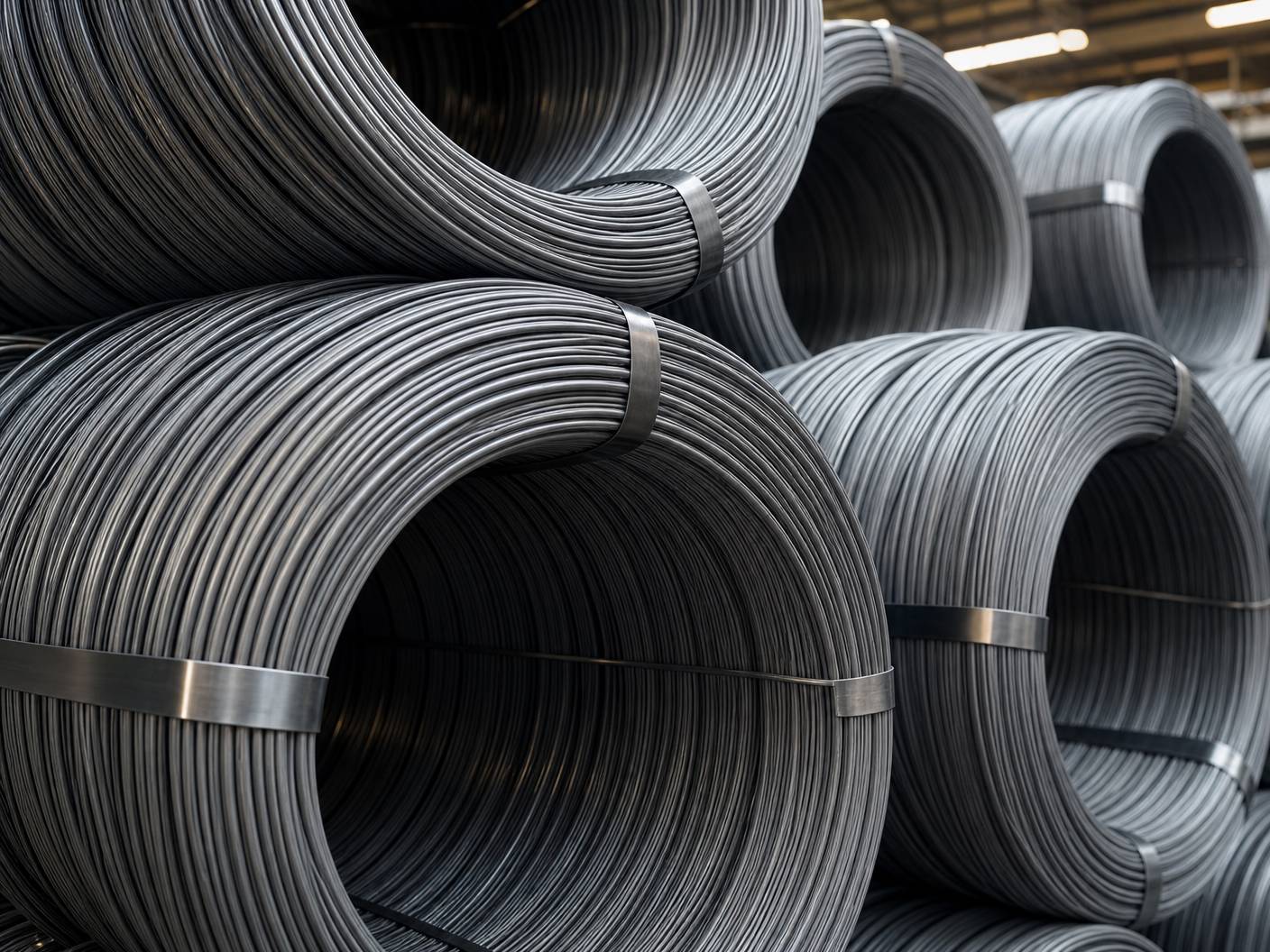
We ensure every steel product is securely packaged and clearly labeled for safe and efficient global export.
People Also Ask
What is the purpose of ABNT steel standards?
ABNT standards ensure the quality, safety, and consistency of steel products used in Brazil. They define technical requirements for manufacturing, testing, and performance.
How do ABNT standards compare with ASTM or EN standards?
Many ABNT standards are similar to ASTM and EN specifications, but differences in testing methods, chemical composition, and certification requirements may apply. Always verify the exact standard before purchasing.
Can non-ABNT steel be used in Brazil?
For most regulated construction and industrial projects, ABNT-compliant steel is required. Using non-compliant materials can result in project delays, legal issues, and safety risks.
Where can I access official ABNT standards?
Official ABNT NBR standards can be purchased directly from the ABNT website or authorized standards distributors.
Conclusion
Understanding ABNT steel standards is essential for successful steel procurement in Brazil. By selecting the correct grade, verifying compliance through MTCs and inspections, and working with reliable suppliers, buyers can ensure quality, safety, and regulatory compliance. A structured sourcing process helps reduce risks and improves project outcomes.
Industrial Buyers: Importing Steel to China?
Are you navigating a serious steel purchase? We understand the complexities involved.
✅ Do you know your steel specifications?
✅ Are you buying in bulk?
✅ Do you need supplier verification in China?
✅ Do you need inspection before shipment?
✅ Do you need support shipping to China?
If you answered yes to these questions, you’re likely handling a significant steel procurement. Share Your Requirements with us today to streamline your import process.