
For industrial roofing projects, corrugated roofing sheets are widely used because they offer strong weather resistance, fast installation, and lower structural load compared to heavier roofing systems. The corrugated profile increases load strength and water drainage efficiency, making it suitable for warehouses, factories, workshops, and agricultural buildings.
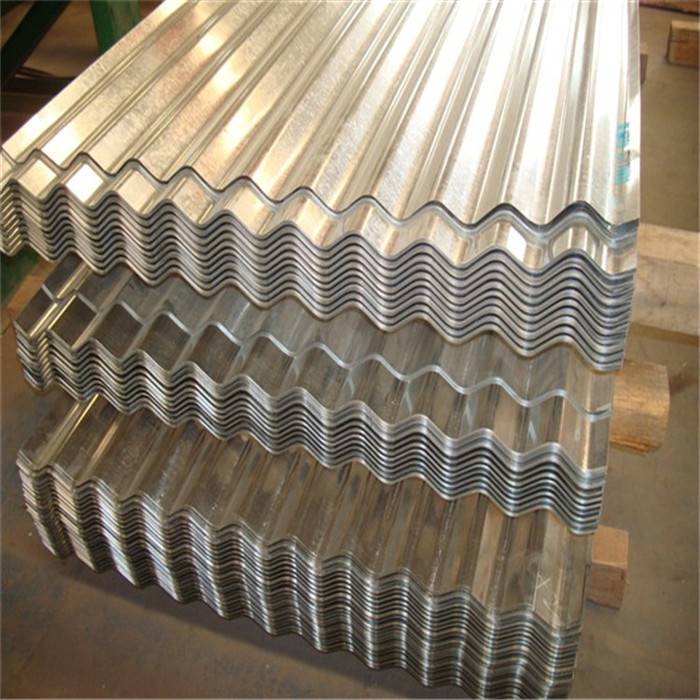
China remains one of the largest suppliers of corrugated roofing sheets, especially for bulk industrial projects requiring stable supply and competitive mill pricing. Buyers can source GI, GL, PPGI, and PPGL roofing sheets depending on corrosion requirements, project environment, and expected service life.
What is a Corrugated Roofing Sheet?
A corrugated roofing sheet is a metal plate that has been roll-formed into a series of parallel ridges and grooves. This “corrugation” process significantly increases the bending stiffness of the sheet in the direction of the ribs. This allows it to span larger distances between supports without sagging.

State-of-the-art Chinese factories use automated roll-forming technology to ensure perfect wave symmetry and consistent quality across every batch.
Most modern roofing sheets are made from steel, which is then treated with protective coatings to prevent rust and corrosion. Whether you are building a simple warehouse or a complex industrial facility, choosing the right type of corrugated sheet is essential for the long-term durability of your structure.
The Versatility of Corrugated Metal
The popularity of the corrugated roofing sheet stems from its incredible versatility across different sectors. In 2026, we see these sheets being used in everything from large-scale agricultural buildings to modern architectural homes. Their ability to shed water efficiently makes them ideal for regions with heavy rainfall.
Furthermore, the lightweight nature of these sheets reduces the load on the building’s structural frame. This can lead to significant cost savings during the initial construction phase. At For bulk imports, supplier verification, factory audits, and pre-shipment inspection are often more important than price alone, especially when buying directly from China.
Technical Specifications and Material Types
When you decide to buy a corrugated roofing sheet, understanding the material specifications is the first step toward a successful purchase. The most common materials include Galvanized Iron (GI), Galvalume (GL), and Pre-Painted Galvanized Iron (PPGI). Each offers different levels of protection.
In 2026, buyers often prioritize PPGI for its aesthetic appeal and enhanced corrosion resistance. These sheets are available in a vast array of colors and finishes. Working with the best steel companies in China ensures that you receive materials that meet strict international quality standards.
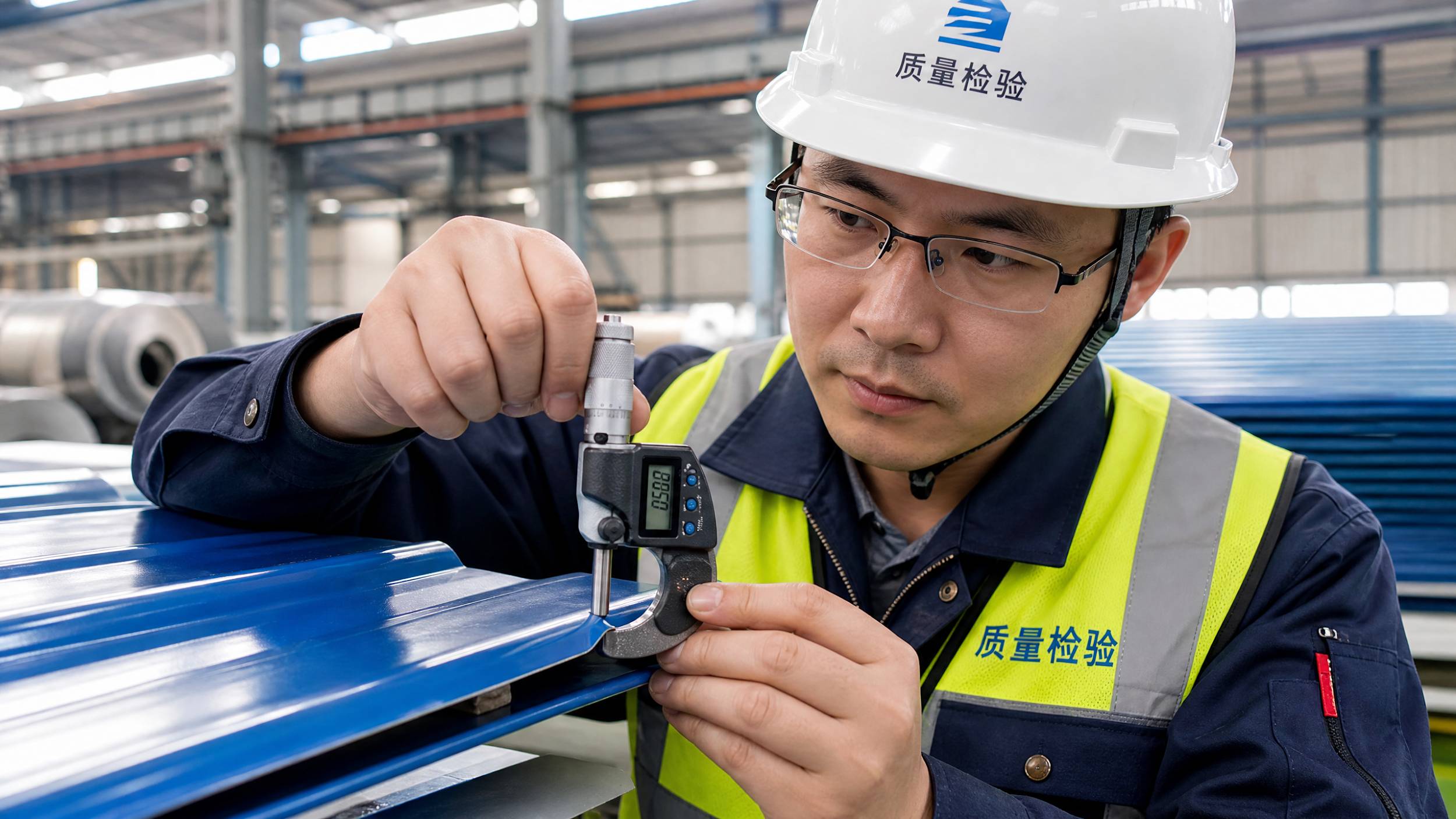
Every shipment of corrugated roofing sheets undergoes rigorous thickness and coating weight verification to ensure long-term performance.
Common Dimensions and Thickness
Standard thicknesses for roofing sheets typically range from 0.12mm to 1.2mm, depending on the required strength. The width of the sheets is usually around 600mm to 1250mm, while the length can be customized to fit your specific roof dimensions. Precise measurement is key to minimizing waste.
Coating Weights and Durability
The lifespan of your roofing is directly tied to the weight of its protective coating. For galvanized sheets, this is measured in grams per square meter (GSM). A higher GSM rating means better protection against the elements. For export orders, coating weight verification and MTC review are critical because lower zinc mass often causes early corrosion and costly project failures.
2026 Corrugated Roofing Sheet Price and Spec Reference Table
| Material Type | Common Thickness (mm) | Standard Width (mm) | Estimated Price (USD/ton) |
| Galvanized (GI) | 0.14 – 0.80 | 600 – 1250 | $520 – $580 |
| Galvalume (GL) | 0.15 – 0.70 | 600 – 1000 | $550 – $620 |
| Pre-Painted (PPGI) | 0.12 – 1.00 | 750 – 1250 | $600 – $750 |
| Trapezoidal Profile | 0.30 – 0.60 | 840 – 1050 | $580 – $650 |
| Custom Color PPGL | 0.20 – 0.80 | Custom | $650+ |
Need help sourcing steel from China? Our team helps international buyers compare steel mills, verify certifications, inspect factories, confirm technical specifications, and secure mill-direct pricing before payment. Share your project requirements today for quotation support and supplier evaluation.
WhatsApp Us for Free a Consultation
Why Source Corrugated Roofing Sheets from China?
The decision to source from China in 2026 is driven by the country’s unparalleled manufacturing scale and technological advancement. Chinese suppliers have mastered the art of producing high-quality roofing materials at competitive prices. This allows international buyers to maximize their project budgets without compromising on quality.
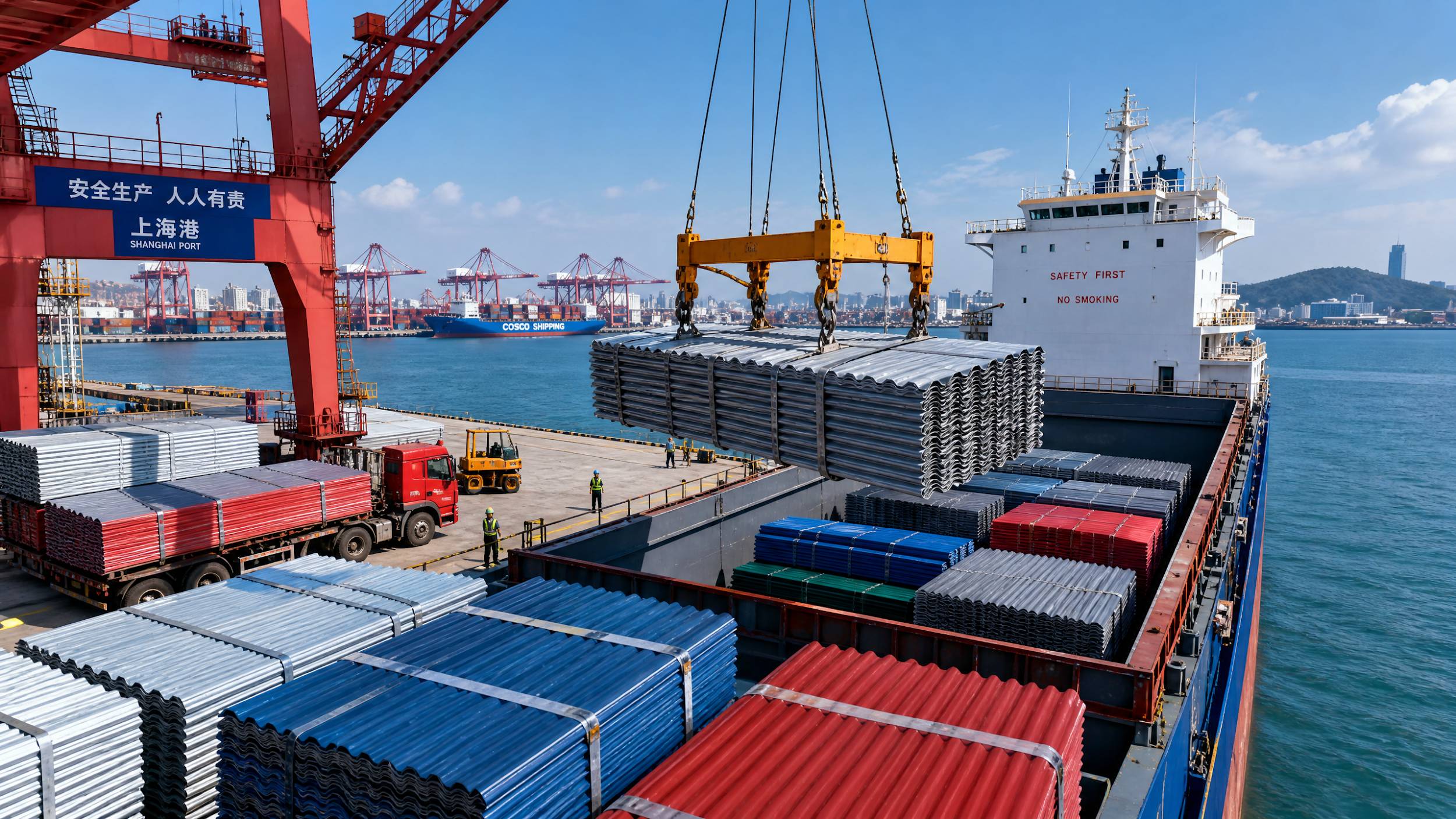
Professional logistics management ensures that heavy bundles of roofing sheets are loaded securely for safe international transit.
Unmatched Production Capacity
Chinese mills can handle orders of any size, from small residential projects to massive industrial complexes. This massive capacity ensures shorter lead times and more consistent quality across large orders. It’s one of the many reasons behind our numerous success stories with global clients.
Advanced Coating Technology
Modern Chinese factories utilize sophisticated multi-layer coating lines that provide superior adhesion and color retention. This technology ensures that your roofing will look great and perform well for decades. These advancements have made Chinese roofing sheets the preferred choice for professional contractors worldwide.
How to Buy Corrugated Roofing Sheets: A Procurement Guide
Buying in bulk from an international supplier requires a structured approach to ensure you get exactly what you need. In 2026, the process has become more streamlined, but professional oversight is still essential. Follow these steps to secure a high-quality supply for your next project.

High-quality corrugated sheets are designed for easy installation, allowing for rapid project completion and excellent weather protection.
1. Identify Your Specific Project Needs
Start by determining the total area to be covered and the required sheet profile. Consider the local climate, as this will dictate whether you need standard galvanized or premium color-coated sheets. Having a clear technical specification will prevent misunderstandings with the supplier.
2. Evaluate and Verify Suppliers
Don’t settle for the first quote you receive; take the time to verify the supplier’s credentials. Look for manufacturers with international certifications and a proven track record of exporting to your region. A factory audit is always a wise investment for large-scale orders.
3. Request Detailed Quotations
Ensure that every quote includes the material grade, thickness, coating weight, and shipping terms (FOB/CIF). Compare these details carefully, as a lower price might sometimes mean a thinner coating or lower-grade steel. Transparency in pricing is vital for a successful deal.
4. Arrange for Pre-Shipment Inspection
Before the final payment is made, arrange for a third-party inspection to verify the quality of the goods. This includes checking the dimensions, color consistency, and packaging. This step provides peace of mind and ensures that the shipment meets your exact requirements.
People Also Ask
What is the difference between GI and PPGI roofing sheets?
GI stands for Galvanized Iron, which is steel coated with a layer of zinc for rust protection. PPGI is Pre-Painted Galvanized Iron, which has an additional layer of paint over the zinc coating. PPGI offers better aesthetic options and superior corrosion resistance compared to standard GI sheets.
How long do corrugated metal roofing sheets last?
The lifespan of a corrugated roofing sheet depends on the material and the environment. High-quality galvanized sheets can last 20-30 years, while premium color-coated (PPGI) or Galvalume (GL) sheets can last 40-50 years or more with proper maintenance in moderate climates.
Can corrugated roofing sheets be used for siding?
Yes, corrugated sheets are incredibly popular for industrial and agricultural siding. Their structural strength and ease of installation make them an excellent choice for wall cladding. They provide a modern, industrial look while offering the same level of durability as they do on a roof.
Conclusion: Choosing the Right Roofing Solution
Selecting the right corrugated roofing sheet is a critical decision that impacts the longevity and safety of your building. By leveraging the advanced manufacturing capabilities of the Chinese steel industry, you can secure high-performance materials that fit your budget.
At Camasteel, we are committed to helping our clients succeed by providing expert procurement support and world-class products. Whether you are starting a new project or upgrading an existing one, our team is ready to help. Contact us today for a free, no-obligation quote on your next order.
Industrial Buyers: Planning to Buy Steel from China?
✅ Do you know your steel specifications?
✅ Are you buying large quantities of steel?
✅ Do you need support to check if your supplier is a real steel mill (not trader)?
✅ Do you need factory verification before you pay a large deposit?
✅ Do you need pre-shipment inspection to make sure the steel grade is correct?
If yes, you may be handling a serious steel purchase. [Share Your Requirements]