
In the demanding world of mining and mineral processing, the efficiency of your milling operation often comes down to a single, critical component: your grinding media. Whether you are crushing ore or cement clinker, the decision to buy grinding media is one of the most significant procurement choices you will make.

High-temperature forging process of premium grinding media balls
In 2026, China remains the global powerhouse for high-quality steel balls, offering a sophisticated range of forged and cast options that meet the rigorous demands of modern industrial mills. This guide will help you navigate the complexities of the market and ensure you get the best value for your operation.
What is Steel Grinding Media? Understanding the Basics
Steel grinding media are the high-density balls or rods used in a mill to crush and grind bulk materials into finer powders. When you buy grinding media, you are essentially purchasing the “teeth” of your milling machine. These media work through a combination of impact and attrition, where the falling balls strike the material and the rolling action grinds it down.
The quality of the steel used is paramount, as it must be hard enough to resist wear but tough enough to withstand constant high-impact collisions without breaking.
The Role of Grinding Balls in Industrial Milling
The performance of a ball mill is directly tied to the quality of the grinding balls inside it. High-quality media ensure a consistent particle size distribution, which is essential for downstream processes like flotation or leaching in mining. By choosing to buy grinding media that is engineered for your specific material, you can significantly reduce your energy consumption and lower your overall cost per ton of ground material.
In 2026, as sustainability becomes a priority, the efficiency of your grinding media is more important than ever.
Forged vs. Cast Steel Balls: Which Should You Choose?

Forged steel balls are renowned for their high density and superior impact toughness, making them the ideal choice for high-impact SAG mills.
One of the most common questions when looking to buy grinding media is whether to choose forged or cast steel balls. While they may look similar, the manufacturing processes result in very different performance characteristics. Forged balls are made by heating a steel bar and then hammering or rolling it into a sphere, which creates a dense, uniform internal structure. Cast balls, on the other hand, are made by pouring molten steel into molds, often with high chromium content to provide exceptional wear resistance in abrasive environments.
Matching Media to Your Milling Environment
- Forged Steel Balls:
These are the preferred choice for high-impact environments like SAG (Semi-Autogenous Grinding) mills. Their superior toughness means they are less likely to break or chip under heavy impact.
- High Chrome Cast Balls:
These are ideal for abrasive environments where impact is lower, such as in cement mills or secondary grinding stages. The high chromium content provides a hard surface that resists wear from abrasive materials.
- Grinding Rods:
Used in rod mills for coarse grinding, these provide a more uniform product with fewer fines, which is critical for certain mineral processing applications.
Technical Specifications and Quality Standards
To ensure you get the right product when you buy grinding media, you must understand the technical specifications. Grinding balls are categorized by their diameter, hardness, and chemical composition. In 2026, the best steel companies in China produce media that comply with all major international standards, ensuring they can handle the stresses of global mining operations.
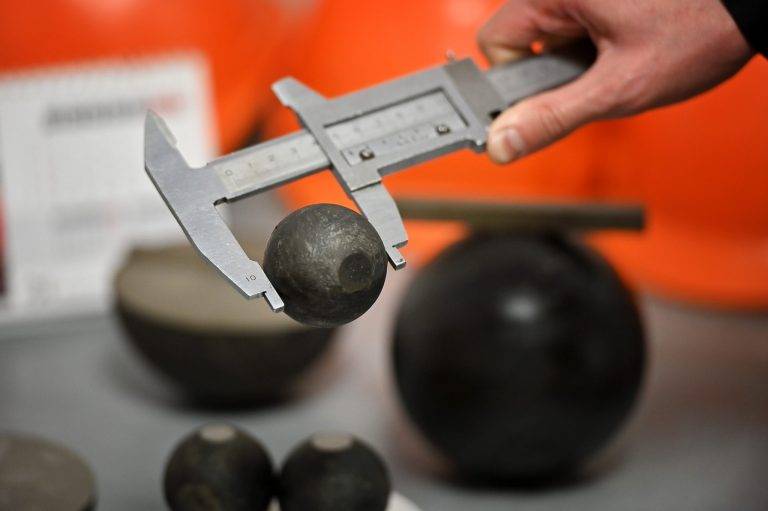
Strict quality control inspection ensuring precise dimensions of grinding media balls
Hardness and Wear Resistance
The hardness of a grinding ball is typically measured on the Rockwell C scale (HRC). Most high-quality steel balls have a surface hardness of 55-65 HRC. However, it’s not just the surface that matters; the volumetric hardness (the hardness throughout the ball) is also critical for ensuring even wear as the ball gets smaller. When you buy grinding media, always request a detailed hardness profile to ensure the balls will perform consistently throughout their lifecycle.
2026 Grinding Media Specification and Price Reference Table
| Media Type | Common Sizes (mm) | Typical Hardness (HRC) | Estimated Price (USD/ton) |
| Forged Steel Balls | 20 – 150 | 58 – 65 | $550 – $650 |
| High Chrome Cast | 20 – 120 | 60 – 66 | $600 – $750 |
| Low Chrome Cast | 20 – 120 | 45 – 55 | $450 – $550 |
| Grinding Rods | 40 – 100 (Dia) | 45 – 55 | $580 – $680 |
| Steel Cylpebs | 12×12 – 35×35 | 55 – 62 | $520 – $620 |
Need help sourcing steel from China? Our team helps international buyers compare steel mills, verify certifications, inspect factories, confirm technical specifications, and secure mill-direct pricing before payment. Share your project requirements today for quotation support and supplier evaluation.
WhatsApp Us for Free a Consultation
The Grinding Media Manufacturing Process
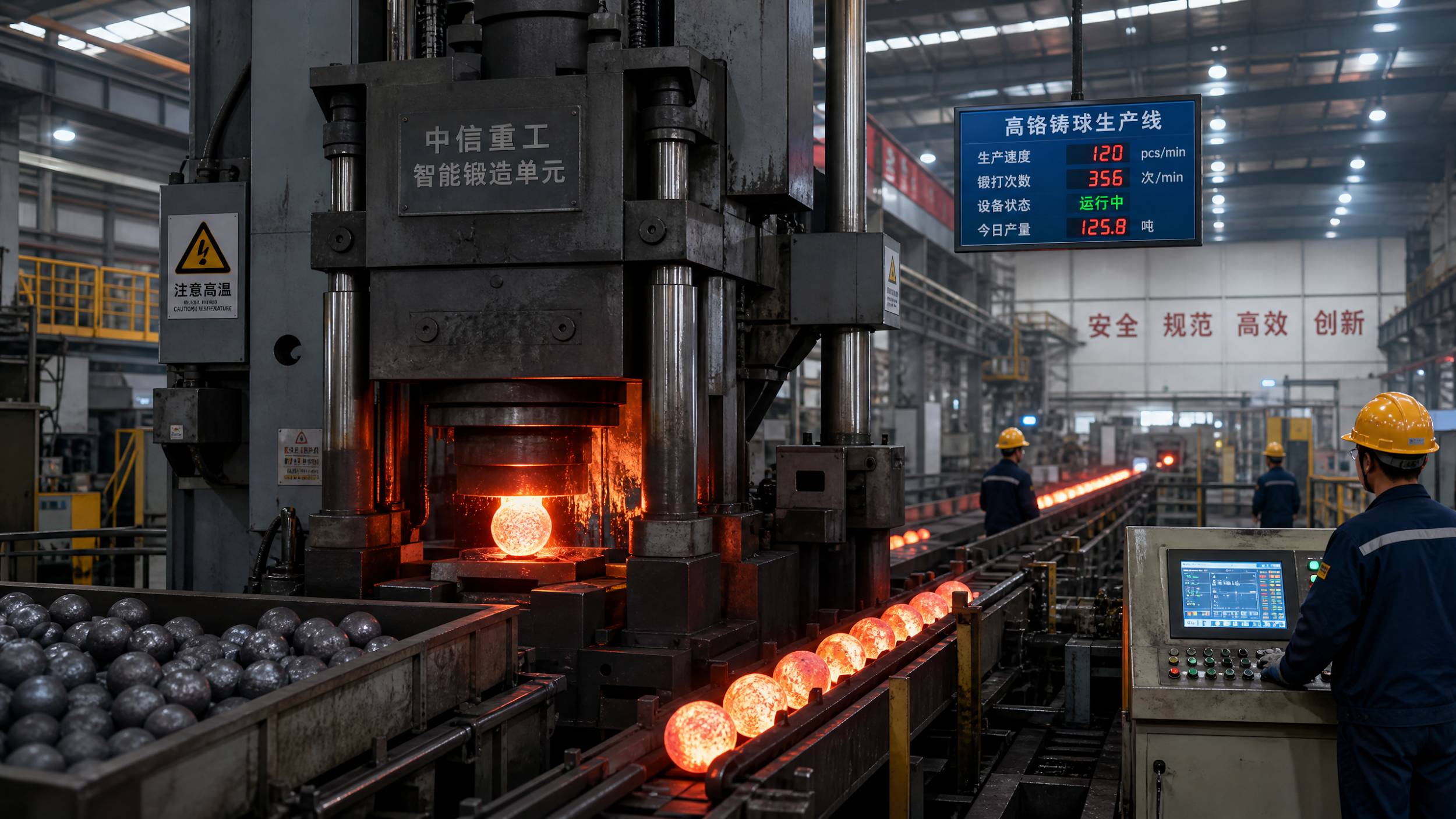
Our factory partners utilize state-of-the-art automatic forging lines to produce grinding balls with exceptional dimensional accuracy and internal density.
The production of high-quality grinding media is a precision process. In 2026, the leading Chinese factories use fully automated production lines to ensure consistency across every batch. For forged balls, the process begins with high-quality steel round bars that are heated in an induction furnace and then forged into spheres. This is followed by a sophisticated heat treatment process, including quenching and tempering, to achieve the desired hardness and toughness. When you buy grinding media from a top-tier factory, you are getting a product that has been engineered for maximum durability.
Quality Control and Testing
Rigorous testing is essential for ensuring the reliability of your grinding media. Top manufacturers perform a variety of tests, including drop ball tests (to simulate high-impact conditions), hardness testing, and chemical analysis. A breakage rate of less than 1% is the industry standard for high-quality forged balls. By insisting on these tests before you buy grinding media, you can avoid the costly downtime associated with media failure in your mill. This commitment to quality is a core part of responsible steel practices.
How to Buy Grinding Media: A Step-by-Step Guide
Procuring grinding media in bulk requires a strategic approach to ensure you get the right quality at a competitive price. In 2026, the global market is more accessible than ever, but it still requires careful management to ensure your success stories are not marred by supply chain issues.
Whether you are a large mining conglomerate or a local cement plant, following a structured process will help you buy grinding media with confidence. Working with an experienced partner like Camasteel ensures that every aspect of your procurement is handled professionally.
The Procurement Journey
1. Analyze Your Milling Needs:
Determine the hardness and abrasiveness of the material you are grinding to select the right media type.
2. Select a Verified Supplier:
Choose a supplier with a proven track record of supplying major mining and industrial operations.
3. Request a Detailed Quote:
Ensure the quote includes technical specs, lead times, and shipping terms (e.g., FOB, CIF).
4. Verify Quality Documentation:
Always request a Mill Test Certificate (MTC) and results from drop ball and hardness tests.
5. Manage Logistics and Delivery:
Coordinate the shipping to your site, ensuring the media is properly packaged to prevent corrosion.
Packaging and Shipping Your Grinding Media Orders
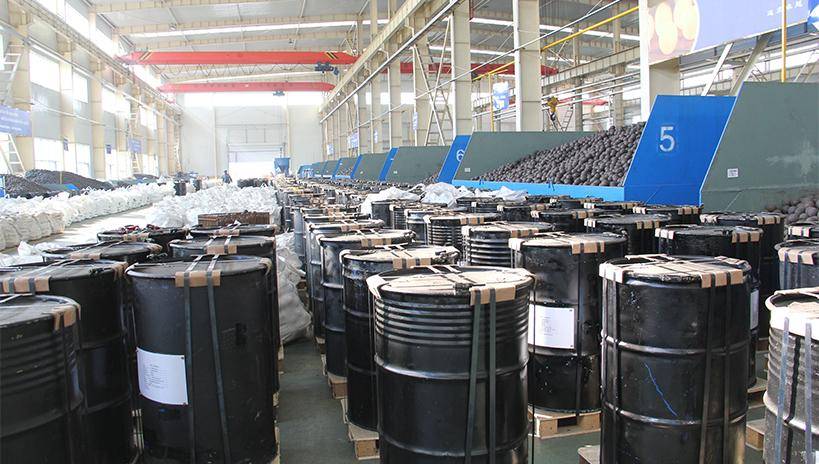
We use heavy-duty steel drums and reinforced pallets to ensure your grinding media arrives at your site safely and ready for immediate use.
Once you have decided to buy grinding media, the final step is ensuring it reaches your site in perfect condition. Proper packaging is essential for protecting the media during long-distance sea transport. Most grinding balls are shipped in heavy-duty steel drums or reinforced flexible bags (ton bags), which are then secured on pallets. This packaging not only protects the media from the elements but also facilitates efficient handling at the port and at your facility.
Efficient Global Logistics and Delivery

Our world-class logistics network ensures that your grinding media orders are delivered efficiently and on time to any mining or industrial site worldwide.
Shipping thousands of tons of steel balls requires a robust logistics operation. At Camasteel, we manage the entire process, from the factory to your doorstep. Whether you are shipping to a remote mine site in Africa or a cement plant in South America, we ensure that your grinding media order is handled with the utmost care. Our team’s expertise in international trade means you can buy grinding media with the peace of mind that your shipment will arrive on time and in compliance with all local regulations.
People Also Ask: Grinding Media Buying FAQ
How do I determine the right ball size for my mill?
The ideal ball size depends on the size of the feed material and the desired fineness of the final product. Generally, larger balls are used for coarser feed, while smaller balls are used for fine grinding. A common practice is to use a “ball charge” consisting of a mix of sizes. When you buy grinding media, our technical experts can help you calculate the optimal ball charge for your specific mill.
What is the typical lifespan of a grinding ball?
The lifespan depends on the hardness of the material being ground, the mill’s operating conditions, and the quality of the ball itself. High-quality forged balls typically have a lower wear rate than cast balls in high-impact environments. By choosing to buy grinding media with the right hardness profile, you can significantly extend the time between media additions.
Can I use cast balls in a SAG mill?
While it is possible, it is generally not recommended for high-impact SAG mills. Cast balls, especially those with high chromium content, can be brittle and may break under the heavy impact of a SAG mill. For these applications, it is almost always better to buy grinding media that is forged, as it offers the necessary toughness to withstand the impact.
How does the chromium content affect the performance of cast balls?
Chromium is added to cast balls to form hard chromium carbides, which provide exceptional wear resistance. Generally, the higher the chromium content, the better the wear resistance in abrasive environments. However, higher chromium also makes the balls more expensive. When you buy grinding media, you should balance the cost of the chromium with the expected reduction in wear rate.
Conclusion: Optimize Your Milling Operation with High-Quality Media
Choosing to buy grinding media is a critical decision that directly impacts the efficiency and profitability of your milling operation. By understanding the differences between forged and cast media, focusing on technical specifications, and working with a verified supplier, you can ensure that you receive high-performance materials that meet your exact needs. In 2026, the combination of Chinese manufacturing excellence and global logistics expertise makes it easier than ever to source the best grinding media for your business.
At Camasteel, we are committed to helping our clients optimize their operations by providing the best steel products and procurement support in the industry. Our team of experts is ready to help you navigate the complexities of the international market and ensure your project’s success. Ready to get started? Contact us today for a free consultation and a competitive quote on your next grinding media order.
Industrial Buyers: Planning to Buy Steel from China?
✅ Do you know your steel specifications?
✅ Are you buying large quantities of steel?
✅ Do you need support to check if your supplier is a real steel mill (not trader)?
✅ Do you need factory verification before you pay a large deposit?
✅ Do you need pre-shipment inspection to make sure the steel grade is correct?
If yes, you may be handling a serious steel purchase. [Share Your Requirements]