Cast Iron Grinding Balls Product: The Ultimate Guide for Industrial Grinding
In the demanding world of mineral processing, cement production, and various other industries, efficient grinding is paramount. It’s the process that transforms raw materials into fine powders, ready for the next stage of production. At the heart of this critical operation are Cast Iron Grinding Balls, unsung heroes that endure immense stress to deliver consistent results. These specialized grinding media are engineered for durability and performance, playing a vital role in achieving optimal particle size reduction.
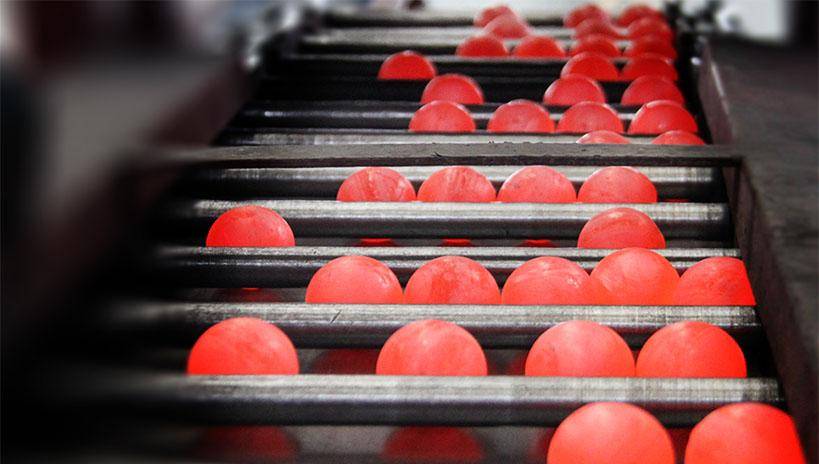
High-temperature production of premium cast iron grinding balls
Understanding the nuances of these products is essential for any business aiming for peak operational efficiency and cost-effectiveness. This guide will delve into everything you need to know about cast iron grinding balls, from their composition to their diverse applications.
What are Cast Iron Grinding Balls?
Cast iron grinding balls are spherical grinding media specifically designed for use in ball mills and other grinding equipment. They are produced by casting molten iron into molds, followed by controlled cooling and heat treatment processes. Unlike forged steel balls, cast iron balls derive their hardness and wear resistance primarily from their unique microstructure, which is rich in carbides. This makes them particularly effective in applications requiring high abrasion resistance.
These balls are indispensable in industries where raw materials need to be crushed and ground into finer particles. Their robust nature allows them to withstand the continuous impact and abrasive forces within grinding mills, ensuring a long service life and consistent grinding performance.
The Science Behind Their Strength
The exceptional performance of cast iron grinding balls stems from their metallurgical composition and the manufacturing process. The presence of elements like chromium significantly enhances their hardness and wear resistance. When you look closely, it’s a fascinating blend of engineering and material science working together to create a product that can endure extreme conditions.
- High Hardness: Achieved through specific alloying elements and heat treatment, providing excellent resistance to abrasive wear.
- Carbide Structure: The formation of hard carbide phases within the iron matrix is key to their grinding efficiency and longevity.
- Cost-Effectiveness: Often a more economical choice compared to forged balls for certain applications, offering a balance of performance and price.
Types of Cast Iron Grinding Balls
Not all cast iron grinding balls are created equal. Their properties vary significantly based on their chemical composition, particularly the chromium content. This variation allows for tailored solutions to meet the specific demands of different grinding environments. Understanding these types is crucial for selecting the right grinding media for your operation.
High Chrome Cast Iron Grinding Balls
These are the workhorses for highly abrasive applications. High chrome cast iron grinding balls typically contain 11-30% chromium, which forms hard chromium carbides (M7C3) within a martensitic matrix. This microstructure provides superior wear resistance and impact toughness, making them ideal for grinding hard and abrasive materials.
- Composition: High chromium content (11-30%), carbon (2.0-3.0%), manganese (up to 1.5%), silicon (up to 1.0%).
- Hardness: Surface hardness typically ranges from 58-68 HRC, with through hardness also being very high.
- Applications: Cement clinker, mining ores (gold, copper, iron), power plant coal grinding, and other highly abrasive mineral processing.
Low Chrome Cast Iron Grinding Balls
Low chrome cast iron grinding balls contain a lower percentage of chromium, usually between 1-3%. While not as wear-resistant as their high chrome counterparts, they offer a more economical solution for less abrasive grinding tasks. They are often characterized by a pearlitic or bainitic microstructure.
- Composition: Lower chromium content (1-3%), carbon (2.5-3.5%), manganese (0.5-1.5%), silicon (0.5-1.5%).
- Hardness: Typically in the range of 45-55 HRC.
- Applications: Grinding of limestone, slag, and other softer materials where abrasion is moderate.
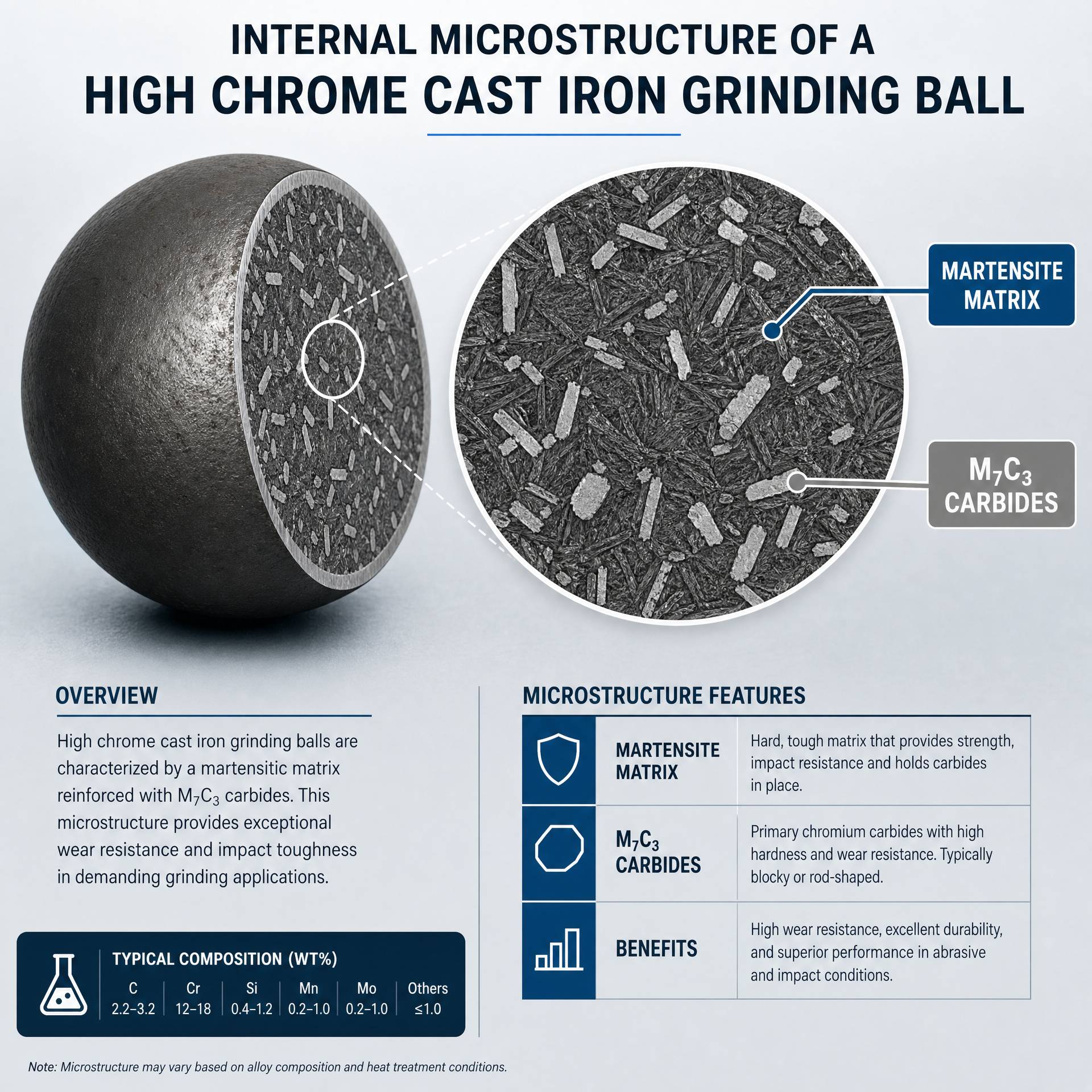
The advanced microstructure of high chrome grinding balls ensures exceptional wear resistance.
Manufacturing Process: From Molten Iron to Grinding Media
The production of cast iron grinding balls is a meticulous process that involves several stages, each critical to achieving the desired metallurgical properties and performance. Our factory partners utilize advanced casting techniques and strict quality control to ensure every ball meets the highest standards, contributing to responsible steel practices through efficient material use.
Key Steps in Production
- Melting: High-quality raw materials, including pig iron, scrap steel, and ferroalloys (like ferrochrome), are melted in induction furnaces to create a precise molten metal composition.
- Casting: The molten metal is poured into specialized sand molds or permanent metal molds. The design of these molds is crucial for achieving the spherical shape and preventing defects.
- Cooling and Solidification: Controlled cooling rates are applied to influence the microstructure formation, particularly the distribution and type of carbides.
- Heat Treatment: This is a critical step, especially for high chrome balls. It involves heating the balls to specific temperatures (e.g., austenitizing) followed by quenching (rapid cooling) and tempering. This process refines the microstructure, enhancing hardness and toughness.
- Inspection and Quality Control: Each batch undergoes rigorous inspection for size, hardness, impact resistance, and chemical composition to ensure compliance with specifications.
This sophisticated process ensures that each cast iron grinding ball is engineered for maximum efficiency and longevity in its intended application.
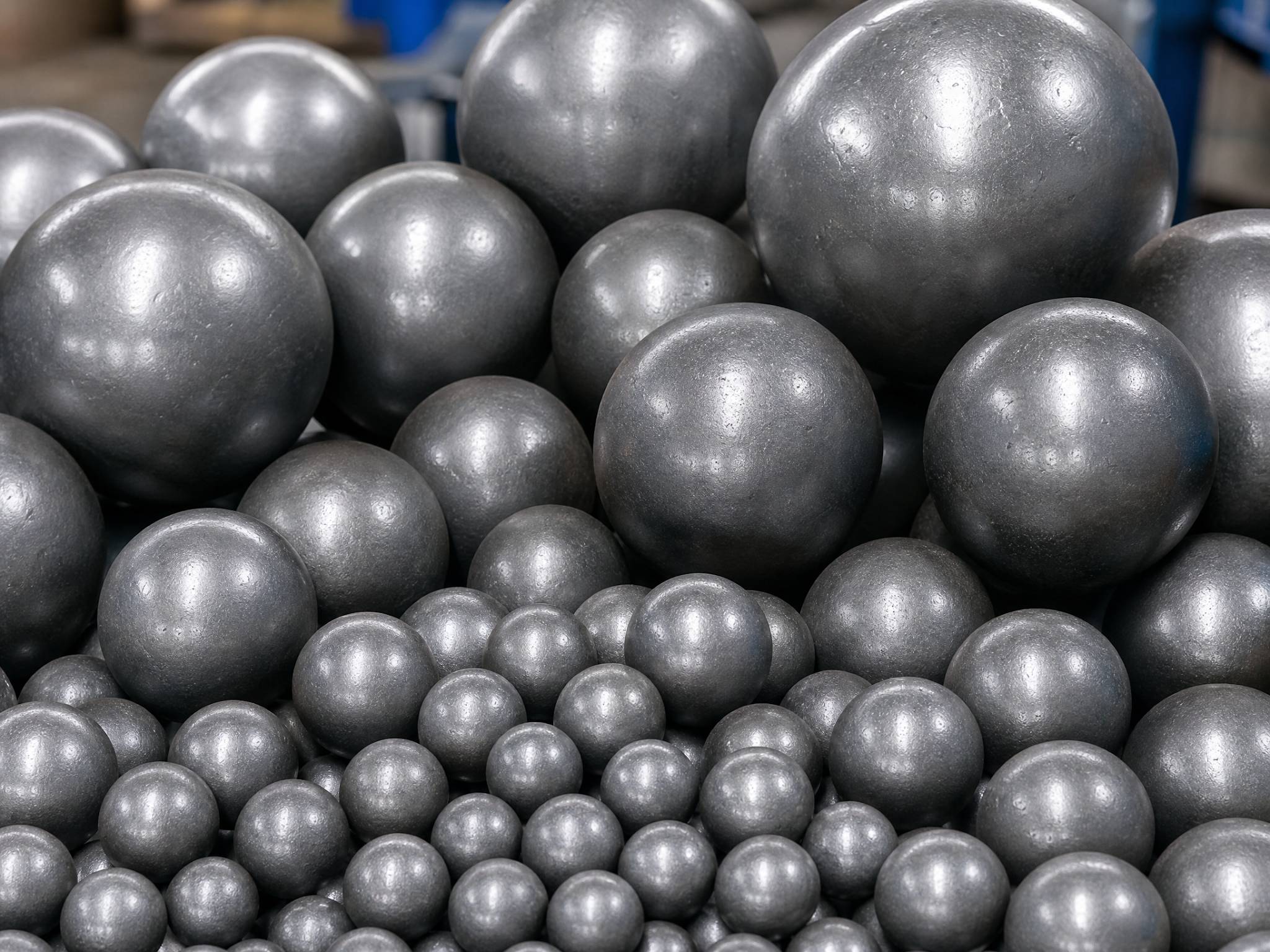
Our cast iron grinding balls are available in a wide range of sizes to suit diverse industrial grinding needs.
Applications of Cast Iron Grinding Balls
Cast iron grinding balls are essential components in a wide array of industries, facilitating the comminution (size reduction) of various materials. Their robust nature and wear resistance make them suitable for the most demanding grinding tasks.
Mining and Mineral Processing
This is one of the largest consumers of grinding media. Cast iron grinding balls are used to grind:
- Metallic Ores: Gold, copper, iron, lead, zinc, and other valuable minerals are ground to liberate the desired elements.
- Non-Metallic Minerals: Phosphate rock, limestone, and other industrial minerals.
Cement Industry
In cement production, grinding balls are crucial for:
- Cement Clinker Grinding: Reducing hard clinker into fine cement powder.
- Raw Material Grinding: Preparing limestone, clay, and other raw materials for the kiln.
Power Generation
Coal-fired power plants rely on grinding balls for:
- Coal Pulverization: Grinding coal into a fine powder to improve combustion efficiency.
Other Industrial Uses
Beyond these major sectors, cast iron grinding balls are also found in:
- Ceramics Production: Grinding raw materials for ceramic tiles and other products.
- Chemical Industry: Used in various grinding processes for chemical compounds.
- Building Materials: Grinding gypsum, sand, and other materials for construction products.
Technical Specifications and Performance Metrics
Selecting the correct cast iron grinding ball involves a detailed understanding of its technical specifications and how these relate to performance in a grinding mill. Key metrics include hardness, impact value, and chemical composition, all of which influence wear rate and grinding efficiency. Always refer to Mill Test Certificates (MTCs) for verified data.
Key Specifications
- Diameter: Ranging from 20mm to 150mm, chosen based on the material to be ground and mill size.
- Hardness (HRC): A measure of resistance to indentation, directly correlating with wear resistance.
- Impact Value: Indicates the ball’s resistance to fracture under impact, crucial for preventing breakage.
- Density: Affects the grinding energy and efficiency within the mill.
Typical Chemical Composition (High Chrome Cast Iron Grinding Balls)
| Element | Weight (%) Range |
| Carbon (C) | 2.0 – 3.0 |
| Chromium (Cr) | 11.0 – 16.0 |
| Silicon (Si) | 0.4 – 1.2 |
| Manganese (Mn) | 0.4 – 1.0 |
| Sulfur (S) | ≤ 0.06 |
| Phosphorus (P) | ≤ 0.06 |
Note: Exact compositions may vary based on specific grades and manufacturer processes.
Need help sourcing steel from China? Our team helps international buyers compare steel mills, verify certifications, inspect factories, confirm technical specifications, and secure mill-direct pricing before payment. Share your project requirements today for quotation support and supplier evaluation.
WhatsApp Us for Free a Consultation
How to Choose the Right Cast Iron Grinding Balls
Making the right choice of grinding media is critical for optimizing your grinding circuit’s performance and minimizing operational costs. It’s not a one-size-fits-all decision; it requires careful consideration of several factors. Working with an experienced partner like Camasteel can simplify this complex process.
Factors to Consider
- Material to be Ground: The hardness, abrasiveness, and particle size of your raw material are primary determinants. Harder, more abrasive materials typically require high chrome balls.
- Mill Type and Size: The design and operating parameters of your ball mill (e.g., speed, filling degree) influence the impact and abrasion forces on the grinding media.
- Desired Product Fineness: Finer grinding often requires a mix of ball sizes to achieve optimal particle size distribution.
- Cost-Effectiveness: Balance the initial cost of the grinding balls with their expected lifespan and grinding efficiency to calculate the true cost per ton of material processed.
- Supplier Reliability: Choose a supplier with a proven track record of consistent quality, reliable delivery, and excellent technical support. This is where success stories are built.
Packaging and Logistics for Global Delivery
Ensuring that your cast iron grinding balls arrive safely and efficiently at your facility, regardless of location, is a critical aspect of the procurement process. Proper packaging and a robust logistics network are essential to protect the product and streamline delivery.
Secure Packaging for Export
Cast iron grinding balls are typically packaged in durable materials designed for heavy industrial transport:
- Woven Bags (Ton Bags): Large, strong polypropylene woven bags, often holding 1000 kg (1 ton) of grinding balls, are commonly used for bulk shipments.
- Steel Drums/Crates: For smaller quantities or specific requirements, balls may be packed in steel drums or wooden crates to provide additional protection.
- Palletization: Bags and drums are often placed on sturdy wooden pallets for ease of handling with forklifts and cranes.
This packaging ensures the balls are protected from moisture, contamination, and physical damage during transit.
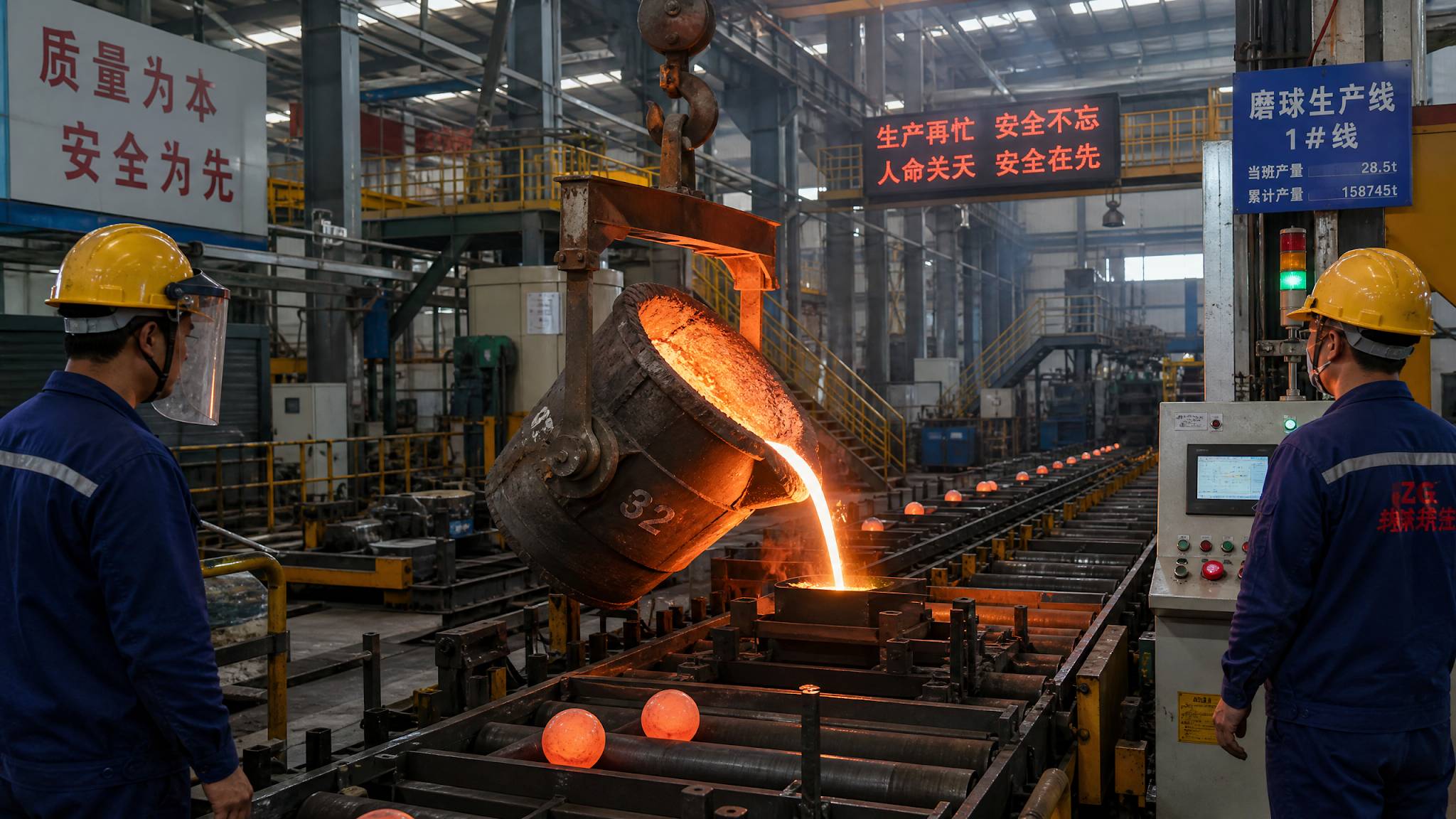
Our factory partners employ advanced casting techniques to produce high-quality cast iron grinding balls.
Efficient Global Logistics
Shipping heavy industrial products like grinding balls requires specialized logistics expertise. Our team manages the entire process, from factory loading to final delivery, ensuring seamless international trade. This includes:
- Containerization: Utilizing standard shipping containers for secure and efficient ocean freight.
- Break-Bulk Cargo: For very large orders, balls may be shipped as break-bulk cargo on specialized vessels.
- Documentation: Handling all necessary export and import documentation to ensure smooth customs clearance.
- Tracking: Providing comprehensive tracking to keep you informed of your shipment’s progress.
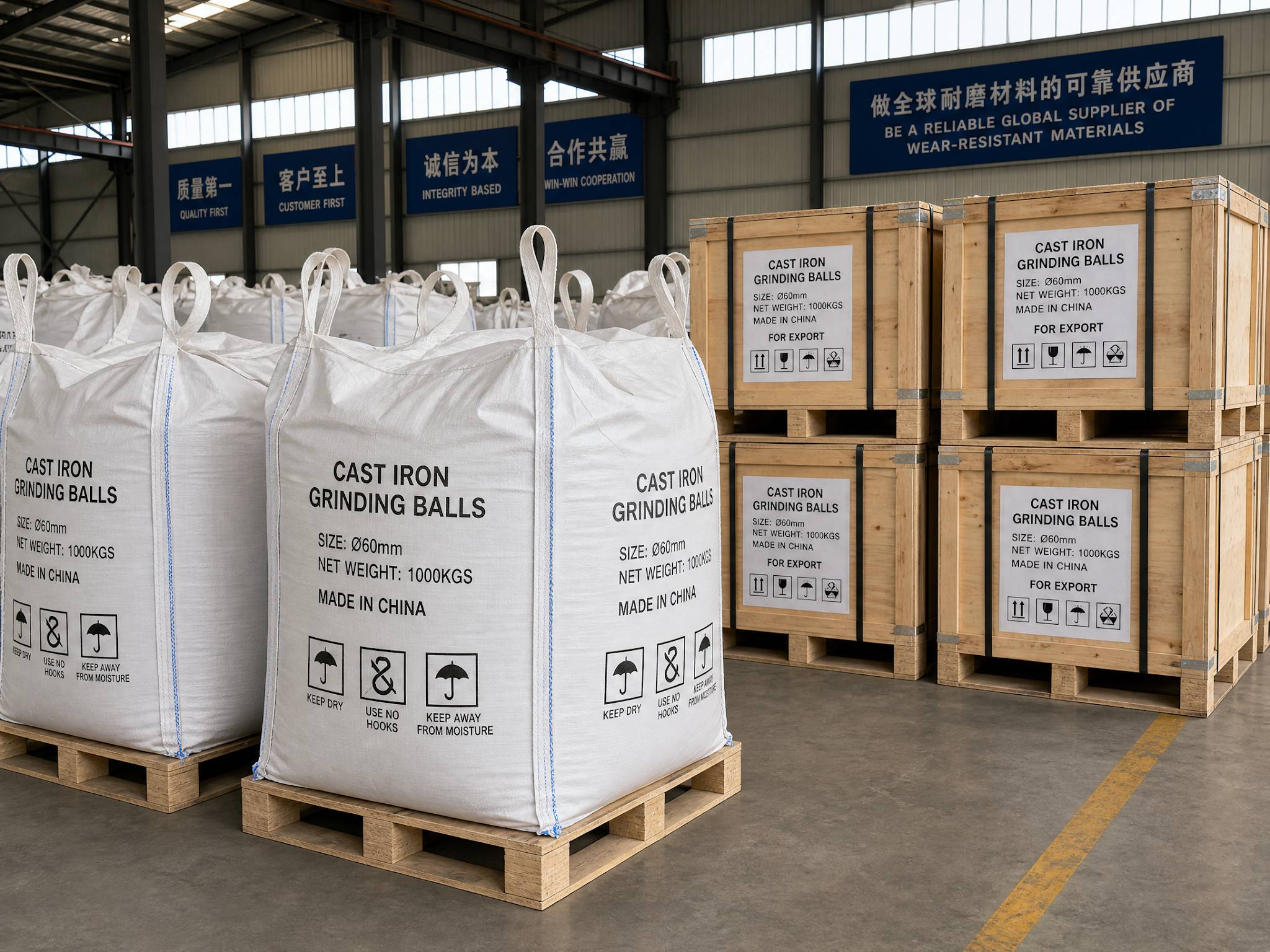
Meticulous packaging ensures the safe and secure delivery of our grinding balls to clients worldwide.
People Also Ask: Common Questions About Grinding Balls
We understand that choosing the right grinding media can raise several questions. Here are some frequently asked questions about cast iron grinding balls:
What is the difference between cast and forged grinding balls?
The main difference lies in their manufacturing process and resulting microstructure. Cast grinding balls are formed by pouring molten metal into molds, creating a microstructure rich in carbides that provides excellent abrasion resistance. Forged grinding balls are made by heating steel billets and shaping them through forging, resulting in a finer grain structure and superior impact toughness. Cast balls are generally preferred for high abrasion, low impact applications, while forged balls excel in high impact environments.
How does chromium content affect grinding ball performance?
Chromium is a key alloying element in cast iron grinding balls. Higher chromium content (e.g., 11-30%) leads to the formation of hard chromium carbides, significantly increasing the ball’s hardness and wear resistance, making them suitable for grinding very abrasive materials. Lower chromium content (e.g., 1-3%) results in less wear resistance but can be more cost-effective for less demanding applications.
What is the typical lifespan of cast iron grinding balls?
The lifespan of cast iron grinding balls varies greatly depending on the material being ground, the mill’s operating conditions, and the quality of the balls themselves. High chrome cast iron balls, known for their superior wear resistance, can have a significantly longer lifespan than low chrome balls, leading to reduced consumption rates and lower operational costs over time.
Are cast iron grinding balls recyclable?
Yes, like most ferrous metals, cast iron grinding balls are fully recyclable. Once they have reached the end of their useful life, they can be melted down and reprocessed into new steel or cast iron products. This contributes to a circular economy and reduces the environmental impact of industrial operations.
Conclusion: Powering Your Grinding Efficiency with Cast Iron Grinding Balls
Cast iron grinding balls are indispensable for industries that rely on efficient material comminution. Their diverse types, advanced manufacturing processes, and tailored properties make them a critical choice for optimizing grinding circuits. By understanding the technical specifications and selecting the appropriate grinding media, businesses can significantly enhance operational efficiency, reduce wear rates, and achieve substantial cost savings.
At Camasteel, we are committed to providing high-quality cast iron grinding balls that meet the rigorous demands of your operations. Our expertise in sourcing and quality control ensures you receive products that deliver consistent performance and value. Partner with us to secure your supply of premium grinding media and drive your industrial processes forward.
Industrial Buyers: Planning to Buy Steel from China?
✅ Do you know your steel specifications?
✅ Are you buying large quantities of steel?
✅ Do you need support to check if your supplier is a real steel mill (not trader)?
✅ Do you need factory verification before you pay a large deposit?
✅ Do you need pre-shipment inspection to make sure the steel grade is correct?
If yes, you may be handling a serious steel purchase. [Share Your Requirements]