
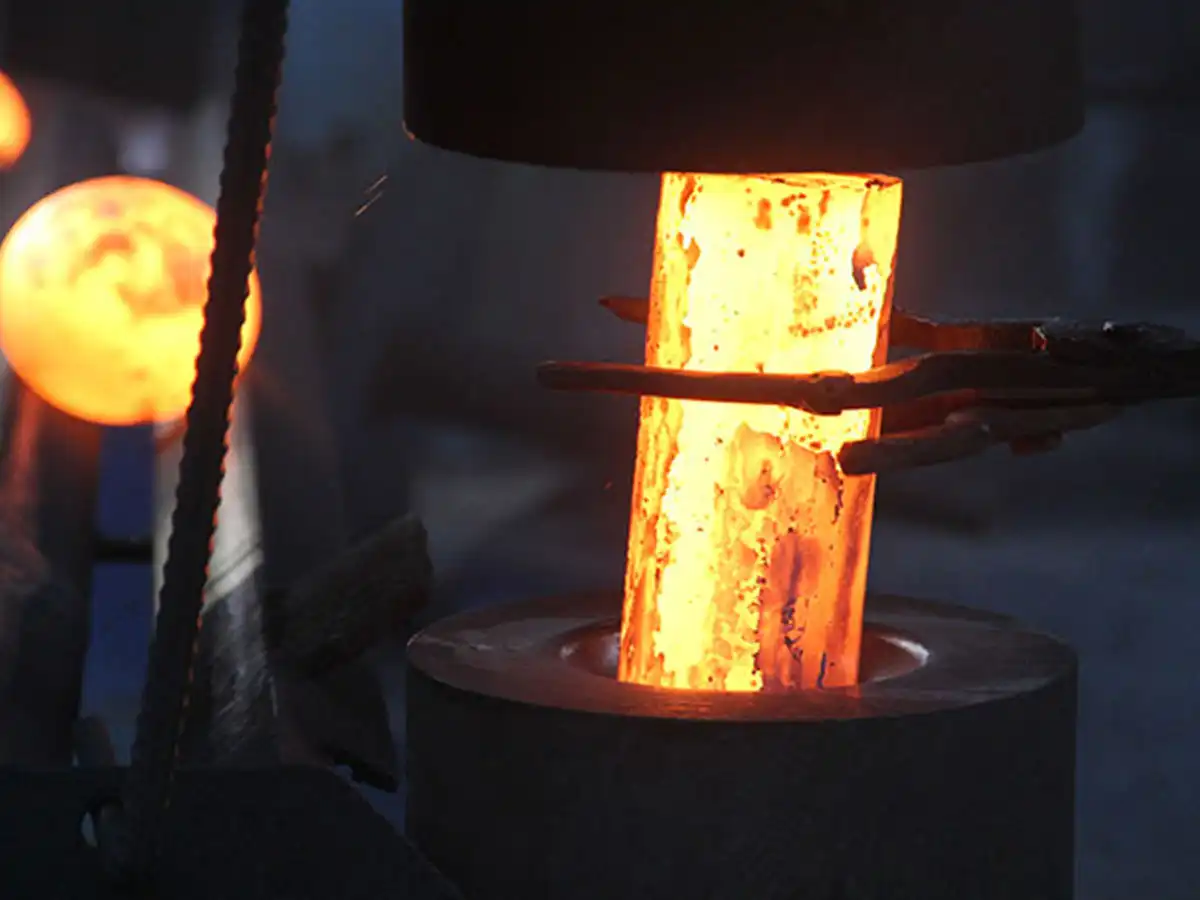


These grinding balls are engineered to withstand high-impact conditions inside grinding mills, where they are used for the size reduction of ores, minerals, and clinker. Their hardness, wear resistance, and impact strength play an important role in maintaining consistent grinding performance and reducing downtime.
Although simple in appearance, forged steel grinding balls are precision-manufactured products designed to handle demanding industrial environments. Their quality directly influences mill efficiency, operating costs, and the productivity of processing operations.
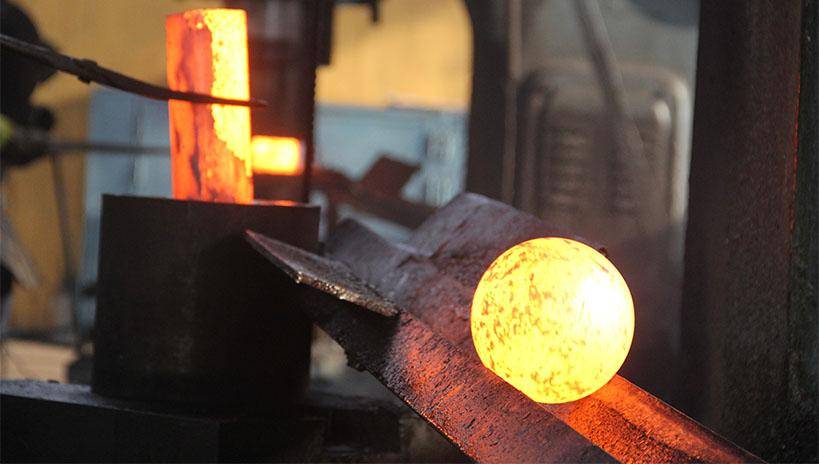
Direct from the heat treatment furnace: Our forged steel balls achieve superior strength and reliability through precise temperature control and expert craftsmanship.
At Camasteel, we understand the critical role these grinding media play. We’re dedicated to supplying top-tier, responsible steel products that meet the rigorous demands of your operations. Let’s delve into the world of forged steel grinding balls, exploring their unique properties, manufacturing process, and why they are the preferred choice for demanding grinding applications.
What Makes Forged Steel Grinding Balls Stand Out?
When it comes to grinding media, you have choices. However, forged steel grinding balls consistently rise above alternatives like cast iron balls due to their superior characteristics. Their manufacturing process imbues them with properties that are essential for longevity and efficiency in abrasive environments.
The Forging Advantage
Unlike cast grinding balls, which are poured into molds, forged balls are created by heating steel billets and then shaping them under immense pressure. This forging process refines the grain structure of the steel, eliminating internal defects and creating a denser, more uniform material. This leads to several key benefits:
- Exceptional Hardness: Achieved through precise heat treatment, ensuring high wear resistance.
- Superior Toughness: Less prone to breakage and spalling under high impact.
- Uniformity: Consistent size, shape, and internal structure for predictable performance.
- Low Breakage Rate: Significantly reduces operational downtime and replacement costs.
Key Properties and Chemical Composition
The performance of a forged steel grinding ball is directly linked to its chemical composition and subsequent heat treatment. Typically, these balls are made from high-carbon alloy steel, with specific elements contributing to their desired properties:
- Carbon (C): Crucial for hardness and strength, usually ranging from 0.6% to 1.1%.
- Manganese (Mn): Enhances hardenability and strength, typically 0.5% to 1.2%.
- Chromium (Cr): Improves wear resistance and hardenability, often between 0.2% and 1.2%.
- Silicon (Si): Acts as a deoxidizer and strengthens the steel, usually 0.15% to 0.40%.
These elements are carefully balanced to achieve optimal hardness (often HRC 55-65) and impact resistance, making them ideal for various grinding applications.
Applications: Where Forged Steel Grinding Balls Excel
Forged steel grinding balls are indispensable across a spectrum of industries where efficient material size reduction is critical. Their robust nature allows them to withstand the harshest conditions, ensuring consistent performance.
Mining Industry
In mining, these balls are the backbone of comminution circuits, particularly in ball mills and SAG (Semi-Autogenous Grinding) mills. They are used to grind down hard ores like:
- Copper and Gold Ores: Essential for liberating valuable minerals.
- Iron Ore: Preparing raw material for steel production.
- Coal: For power generation and other industrial uses.
Cement Production
The cement industry relies heavily on grinding balls for processing clinker, limestone, and other raw materials into fine powder. The high impact and abrasion resistance of forged steel balls ensure efficient grinding, which directly impacts the quality and consistency of the final cement product.
Other Industrial Uses
Beyond mining and cement, forged steel grinding balls find applications in:
- Power Plants: Grinding coal for combustion.
- Chemical Industry: Processing various raw materials.
- Ceramics and Pigments: Achieving fine particle sizes for specialized products.
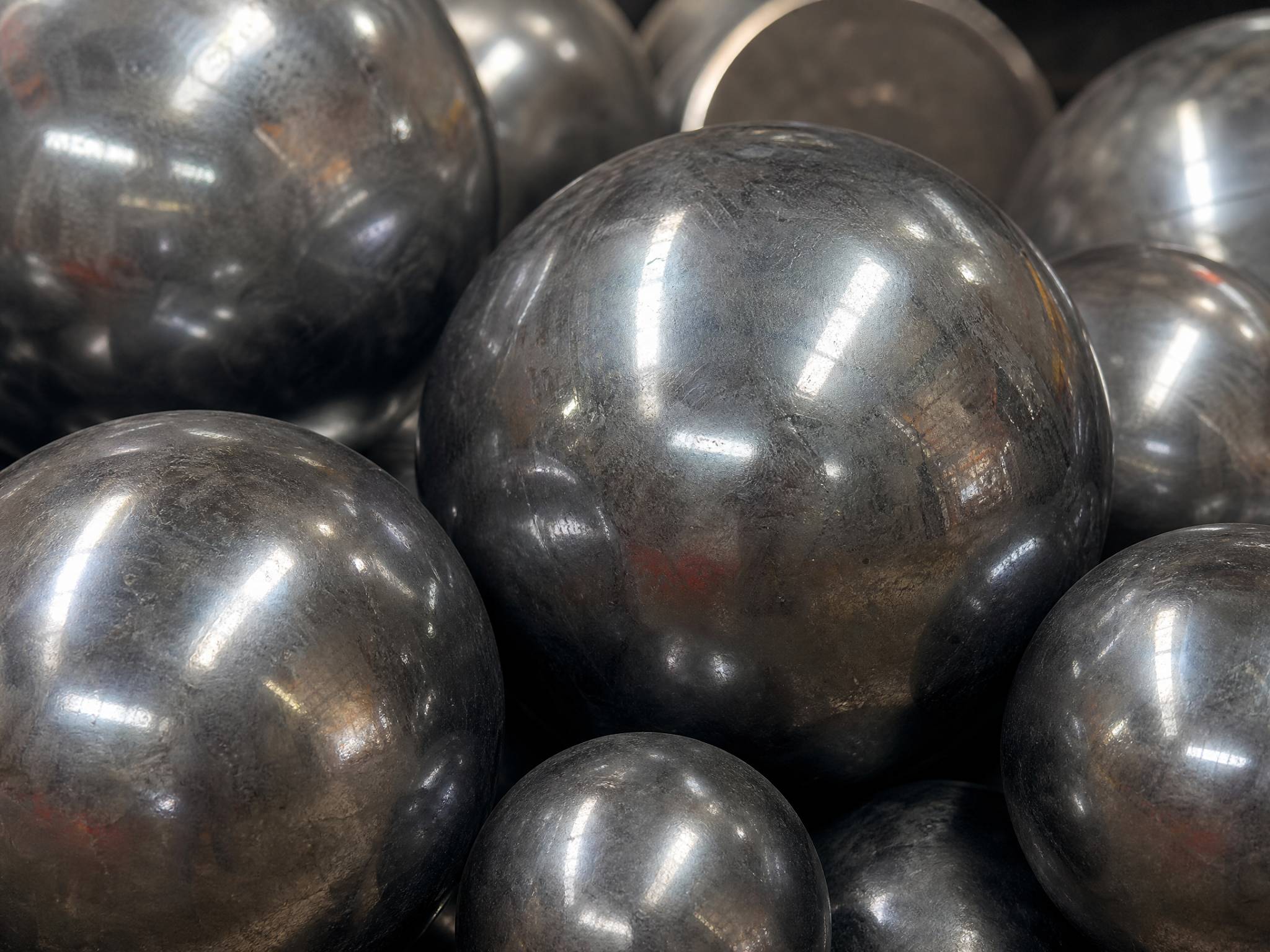
Precision-manufactured steel grinding balls, carefully forged, polished, and inspected for uniform hardness and reliable performance.
The Manufacturing Journey: From Billet to Ball
The creation of a high-quality forged steel grinding ball is a sophisticated process that combines advanced metallurgy with precision engineering. It’s a testament to modern manufacturing capabilities.
The Forging Process
The journey begins with high-quality steel billets. These are heated to specific temperatures and then subjected to a series of forging steps. This typically involves:
- Heating: Billets are heated in induction furnaces to a precise temperature, making them malleable.
- Rolling/Pressing: The heated billets are then fed into specialized forging machines that roll or press them into spherical shapes.
- Quenching: Immediately after forging, the hot balls are rapidly cooled in water or oil. This process, known as quenching, locks in the desired microstructure and significantly increases hardness.
- Tempering: The quenched balls undergo tempering, a heat treatment that reduces brittleness while maintaining hardness and improving toughness.
This meticulous process ensures that each ball possesses a uniform hardness throughout its core and surface, a critical factor for wear resistance and impact strength.
Quality Control and Standards
Ensuring the consistent quality of forged steel grinding balls is paramount. Manufacturers adhere to stringent quality control measures, including:
- Chemical Analysis: Verifying the exact composition of the steel.
- Hardness Testing: Measuring surface and core hardness (e.g., HRC values).
- Impact Testing: Assessing resistance to breakage.
- Metallographic Examination: Analyzing the microstructure for uniformity and defects.
These checks guarantee that the grinding balls meet international standards and client specifications, contributing to our numerous success stories in delivering reliable products.
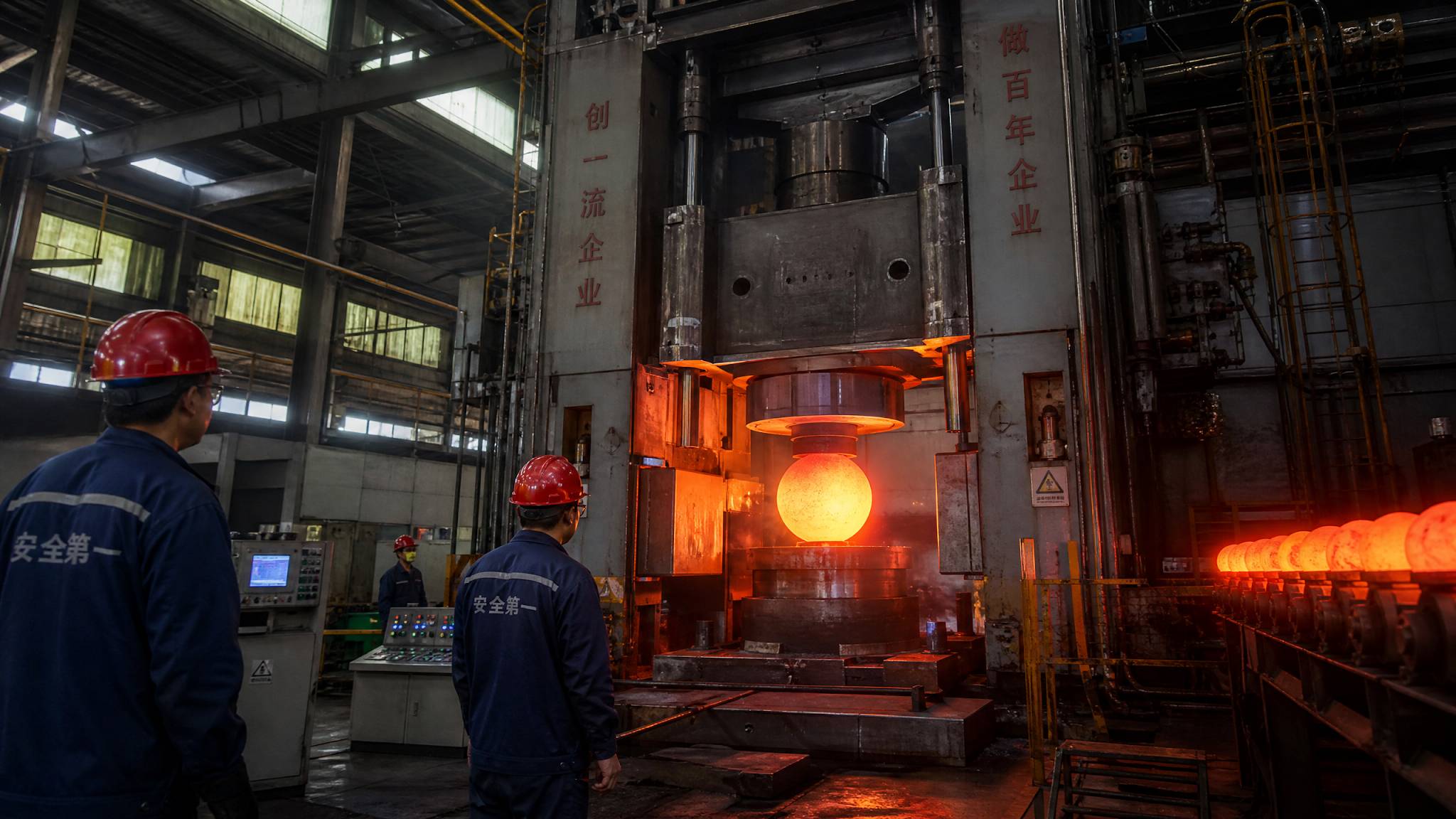
Precision forging ensures the superior quality of our grinding balls.
Forged vs. Cast: A Head-to-Head Comparison
While both forged and cast grinding balls serve the same purpose, their differences in manufacturing lead to distinct performance characteristics. Understanding these can help you make an informed decision for your operations.
| Feature | Forged Steel Grinding Balls | Cast Grinding Balls |
| Manufacturing | Hot forging and heat treatment | Molten metal poured into molds |
| Internal Structure | Dense, uniform, fine-grained | Can have porosity, segregation, and internal defects |
| Hardness Uniformity | High, from surface to core | Can vary, often harder on surface, softer core |
| Toughness/Impact Resistance | Excellent, low breakage rate | Lower, more prone to breakage and spalling |
| Wear Resistance | Superior, due to uniform hardness | Good, but can be inconsistent |
| Lifespan | Longer, more predictable | Shorter, more variable |
| Cost | Higher initial cost | Lower initial cost |
Need help sourcing steel from China? Our team helps international buyers compare steel mills, verify certifications, inspect factories, confirm technical specifications, and secure mill-direct pricing before payment. Share your project requirements today for quotation support and supplier evaluation.
WhatsApp Us for Free a Consultation
Optimizing Your Operations with the Right Grinding Media
Choosing the correct grinding media is not just about purchasing a product; it’s about optimizing your entire comminution circuit. The right choice can lead to significant improvements in efficiency, energy consumption, and overall operational costs.
Factors to Consider for Selection
When selecting forged steel grinding balls, consider:
- Mill Type: Ball mill, SAG mill, or other grinding equipment.
- Material to be Ground: Hardness, abrasiveness, and particle size of the feed material.
- Desired Product Fineness: The required output particle size.
- Operational Conditions: Temperature, pH, and presence of corrosive agents.
- Cost-Effectiveness: Balancing initial cost with wear rate and lifespan.
The Camasteel Advantage
At Camasteel, we don’t just supply products; we provide solutions. Our team works closely with clients to understand their specific grinding challenges and recommend the most suitable forged steel grinding balls. Our commitment to excellence is reflected in our partnerships with some of the best steel companies in China, ensuring you receive materials that perform.
Packaging and Logistics: Delivering Excellence
Ensuring that your forged steel grinding balls arrive safely and efficiently is as important as their quality. Proper packaging and streamlined logistics are key to protecting your investment.
Secure Packaging Solutions
Forged steel grinding balls are typically packaged in robust containers to withstand the rigors of transport. Common packaging methods include:
- Steel Drums: Ideal for smaller quantities, offering excellent protection and ease of handling.
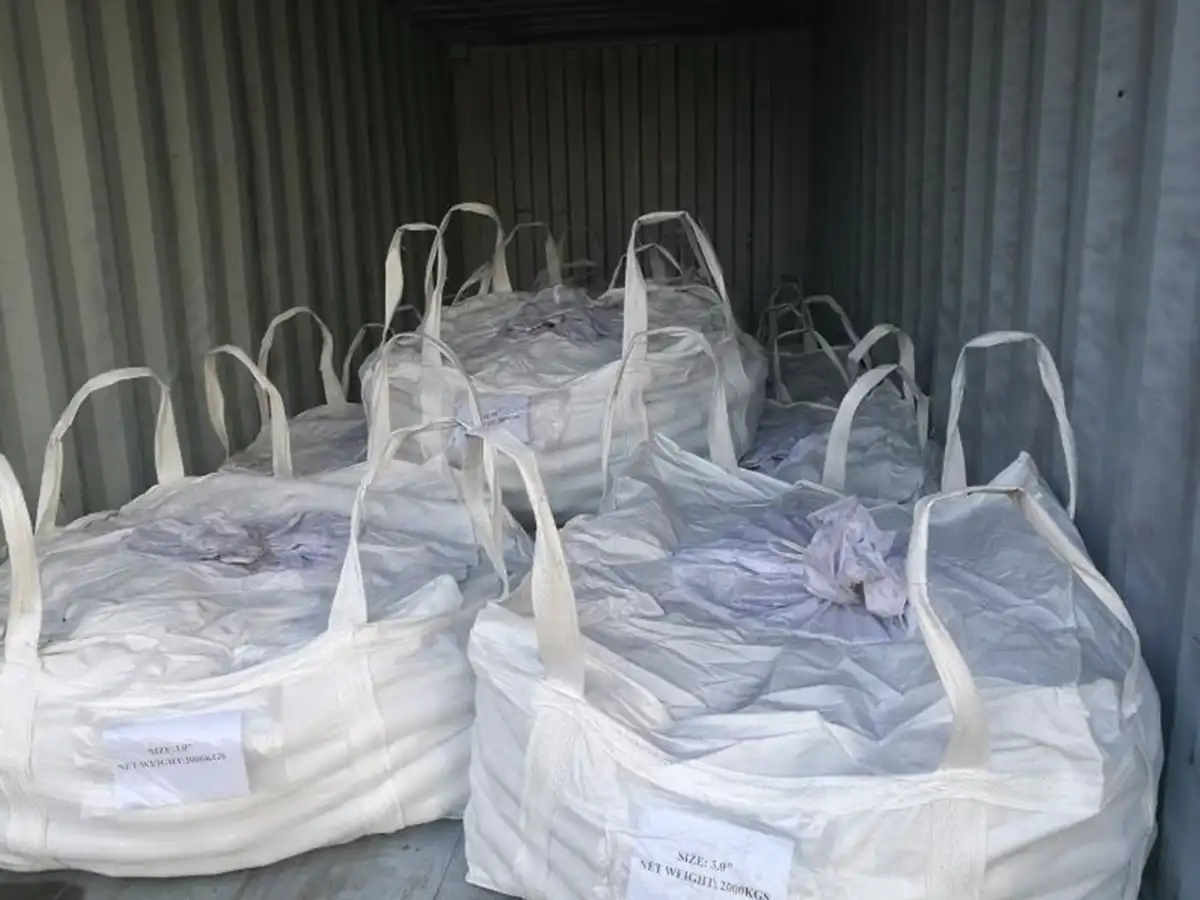
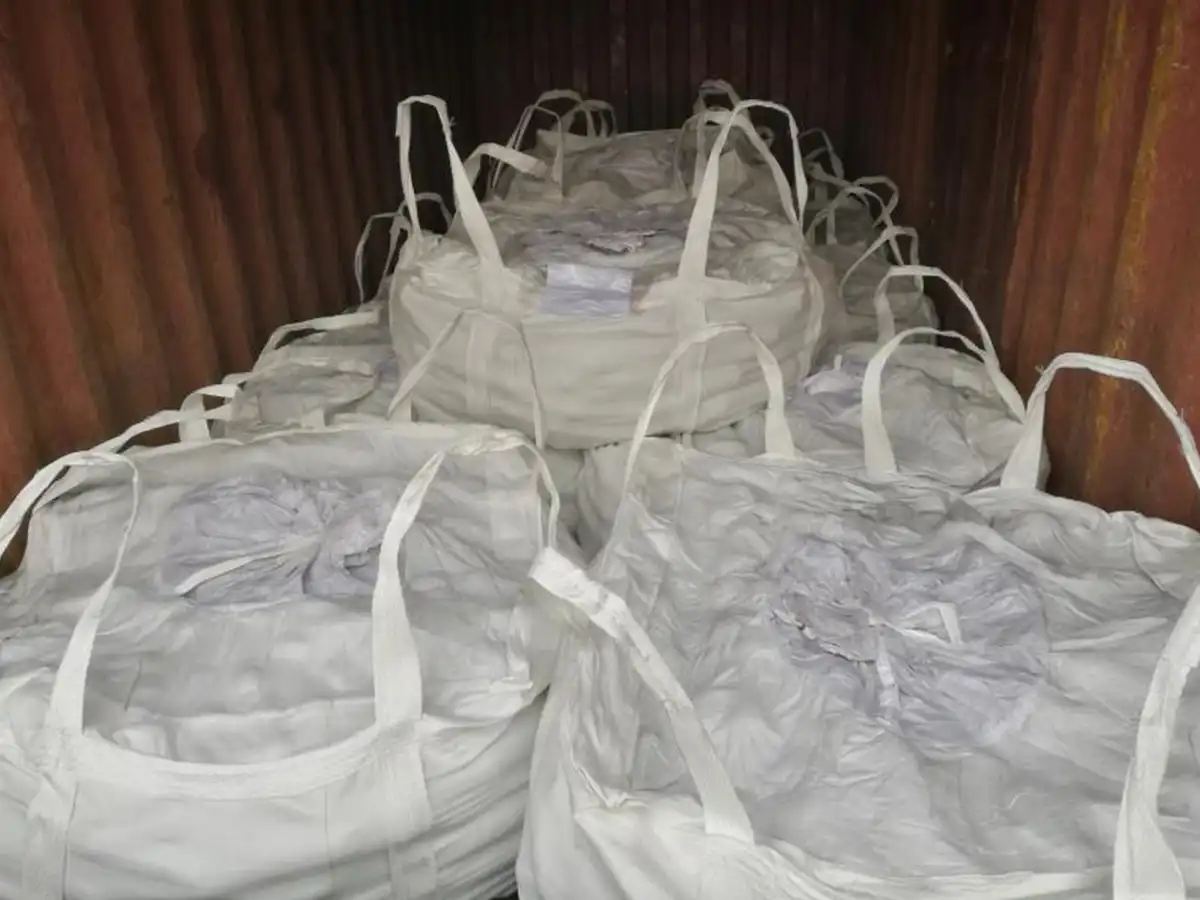
- Large Ton Bags (FIBCs): Cost-effective for bulk shipments, designed for heavy loads.
- Wooden Crates: For specialized orders or added protection.
Each package is securely sealed and clearly labeled to ensure accurate identification and safe handling.
Secure packaging ensures the safe delivery of grinding media.
Global Shipping Expertise
Navigating international logistics can be complex, but with Camasteel, you’re in expert hands. We manage the entire shipping process, from the factory floor to your destination port. Our global network ensures:
- Efficient Loading: Utilizing specialized equipment for safe handling of heavy cargo.
- Optimized Routes: Selecting the most cost-effective and timely shipping paths.
- Customs Clearance: Handling all necessary documentation and procedures.
Learn more about us and our comprehensive logistics solutions that ensure your materials arrive on time, every time.
Streamlined logistics for efficient global delivery of grinding balls.
People Also Ask: Your Grinding Ball Questions Answered
Let’s tackle some common questions about forged steel grinding balls that frequently arise in the industry.
Q: What is the typical lifespan of forged steel grinding balls?
A: The lifespan of forged steel grinding balls varies significantly based on the application, material being ground, and operational parameters. However, due to their superior hardness and toughness, they generally offer a much longer and more predictable lifespan compared to cast balls, often lasting for months or even years in continuous operation.
Q: How does hardness affect grinding ball performance?
A: Hardness is directly related to wear resistance. A higher, more uniform hardness throughout the ball means it will resist abrasion more effectively, leading to a slower wear rate. This translates to fewer ball replacements, reduced downtime, and more consistent grinding efficiency.
Q: Are forged steel grinding balls environmentally friendly?
A: Yes, steel is one of the most recycled materials globally. Forged steel grinding balls can be made from recycled steel, and once they reach the end of their operational life, they can be recycled again. This contributes to a circular economy and reduces the environmental impact of industrial operations.
Q: What is the significance of the chemical composition in grinding balls?
A: The precise chemical composition, particularly the balance of carbon, manganese, and chromium, dictates the steel’s hardenability and wear resistance. It allows manufacturers to tailor the properties of the grinding balls to specific applications, ensuring optimal performance against different types of ores and minerals.
Conclusion: Invest in Performance, Invest in Forged Steel
Choosing the right grinding media is a strategic decision that directly impacts your operational efficiency and profitability. Forged Steel Grinding Balls Product offers an unparalleled combination of hardness, toughness, and wear resistance, making them the superior choice for demanding industrial grinding applications in mining, cement, and beyond.
By understanding their unique properties, the meticulous manufacturing process, and the critical factors for selection, you can make an informed decision that drives long-term value for your business. Don’t compromise on the quality of your grinding media; it’s an investment that pays dividends in performance and reduced operational costs.
Industrial Buyers: Planning to Buy Steel from China?
 Do you know your steel specifications?
Are you buying large quantities of steel?
Do you need support to check if your supplier is a real steel mill (not trader)?
Do you need factory verification before you pay a large deposit?
Do you need pre-shipment inspection to make sure the steel grade is correct?
If yes, you may be handling a serious steel purchase. [Share Your Requirements]
What is Ball Grinding?