
Introduction
Steel is an important raw material in many different lines of production. The hot rolled and cold rolled steel are produced by a rigorous procedure. Understanding these disparities is of great importance to professionals, engineers and enthusiasts because at the end of it all they determine the suitability of the application, performance and durability of the final steel materials.
Different features characterize each steel type, and thus they are designated for particular uses. Understanding these differences is crucial for manufacturers and buyers to choose a good material effectively increasing effectiveness of various products and structures.
Hot rolled vs cold rolled steel explores the details about how hot rolled and cold rolled are different during manufacturing process, physical properties, how useful they are among others and why individuals should understand these aspects in the industries of iron and steel.
What is Hot Rolled Steel?
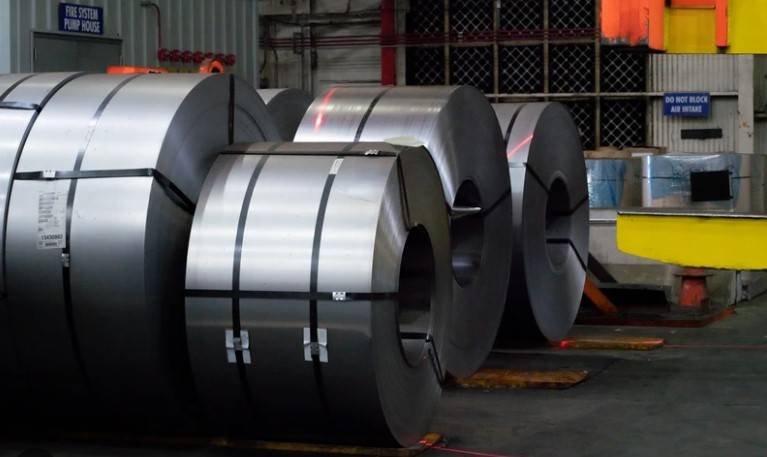
The hot-rolled steel goes through a special set of processes which are typically associated with high temperatures. This involves heating of large blanks or billets at recrystallization temperature of about 1700°F (900°C) with subsequent passing of these blanks/billets under several pairs of rollers in order to obtain the necessary thickness and shape. It is a very efficient and fast way of making large volumes of steel, which is cost saving.
Main Characteristics of Hot Rolled Steel
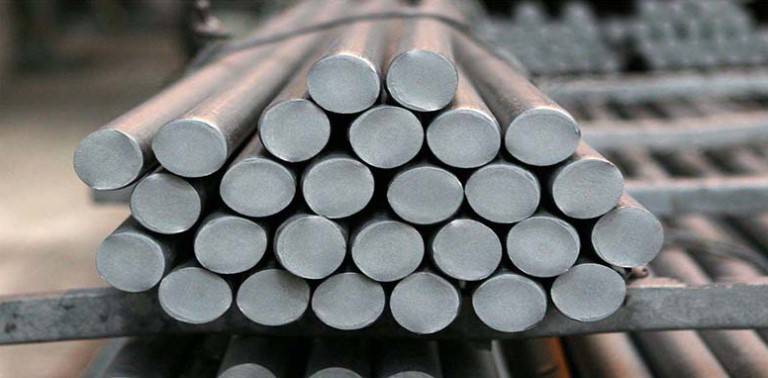
Hot-rolled steel is characterized by its cost-effectiveness, higher tensile strength, and good ductility. Here we discuss some characteristics of hot rolled steel in detail.
1. Surface finish
It is common for hot-rolled steel also to possess the so-called mill scale which appears on the surface of the metal while cooling down. It leaves hot rolled steel with coarse surface quality. It is possible to polish surfaces in some cases. Additional procedures such as pickling and abrasive blasting can be used to enhance the surface finish.
2. Tensile strength
Hot-rolled steel is stronger compared to its cold-rolled variety in tenacity. Alignment is achieved in the steel’s crystal structure through high temperatures generated during production that increase its strength. The result of this makes hot-rolled steel ideal for applications where strength has precedence, being a structural component of construction, and others.
3. Ductility
The good ductility of the steel is due to the hot-rolling that enables it to yield and not to crack. The material also exhibits desirable characteristics suitable for applications where it can be bent into shape or formed. However, balanced strength and formability make hot rolled steels a choice material for many structural product applications.
What is Cold Rolled Steel?
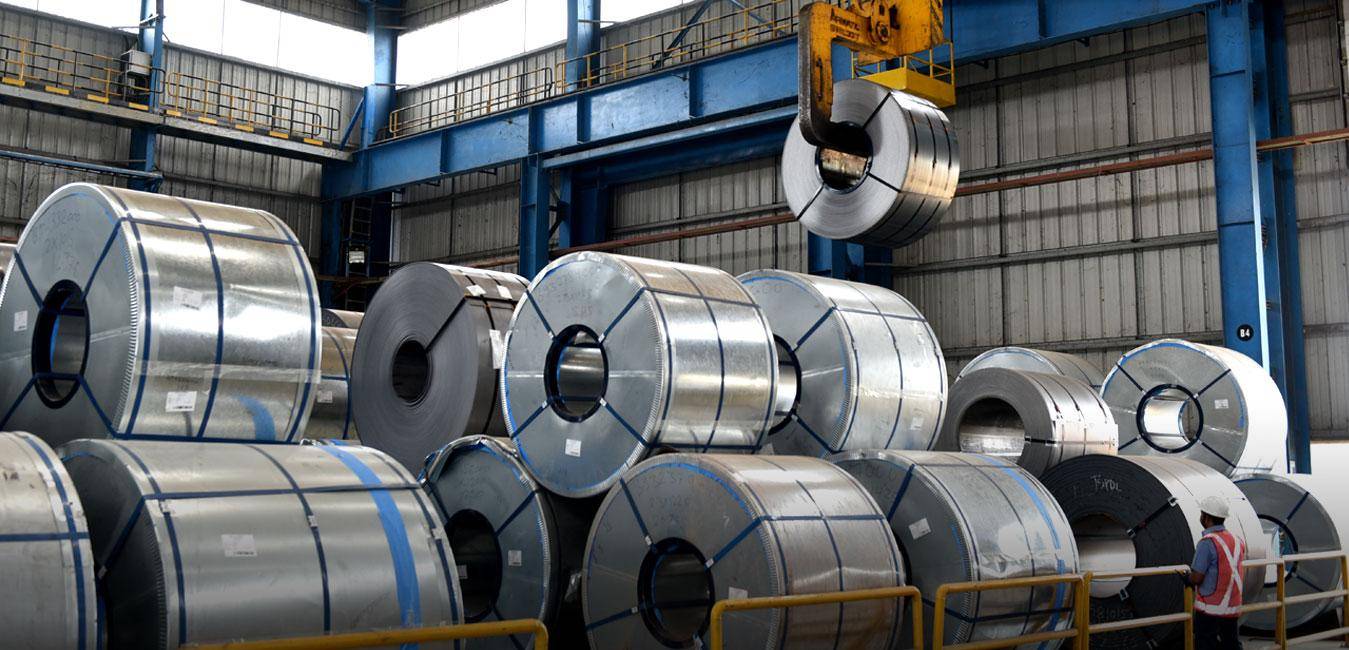
Different from other types of steel such as cold rolled steel which undergo manufacturing at or near room temperature as against the high temperatures in hot rolling. It involves hot rolling of steel while it undergoes a series of passes through rollers at room temperature or a little higher than that, resulting in a superior product in terms of surface finish and dimensional correctness. In particular, cold-rolled steel is one of the options used in applications that demand smooth surfaces and tight tolerances.
Key Characteristics of Cold Rolled Steel
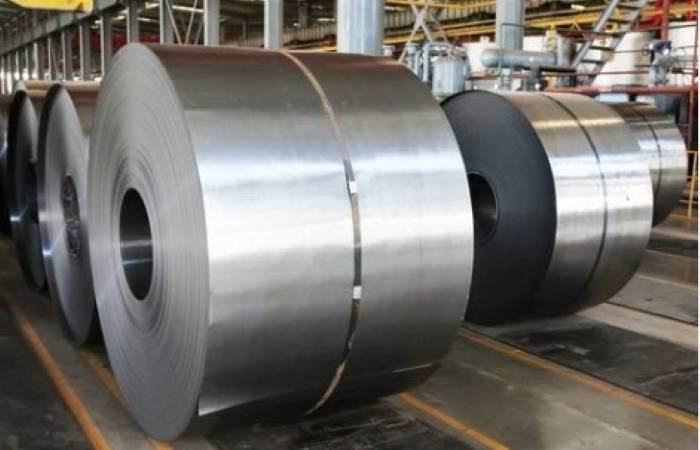
Cold-rolled steel is characterized by its refined surface finish, exceptional dimensional accuracy, and the ability to achieve significant strength and hardness. Here we discuss some characteristics of hot rolled steel in detail.
1. Surface finish refinement
An important benefit of cold-rolled steel is high surface quality. It helps the mill scale removal and provides a smooth and uniform surface on hot rolled steels. Cold-rolled steel is ideal for situations where the appearance plays a substantial role, for example, in making commodities or exposed structural parts.
2. Dimensional accuracy
Dimensional accuracy and repeatability of cold-rolled steels are very good. At lower temperatures, the controlled process enables tight tolerances for applications that demand sizes or shapes with minimal deviations. This is of utmost importance in industries like the automotive manufacturing industry where components should be compatible for smooth operation.
3. Strength and hardness
Cold-rolled steel may not show the same level of initial tensile strength as hot-rolled steel does but it becomes harder due to work-hardening in the process. Therefore, it is applicable for an application involving both strength and hardness in manufacturing items such as certain kinds of springs or high-strength components.
Comparing Production Processes Hot Rolled Vs Cold Rolled Steel
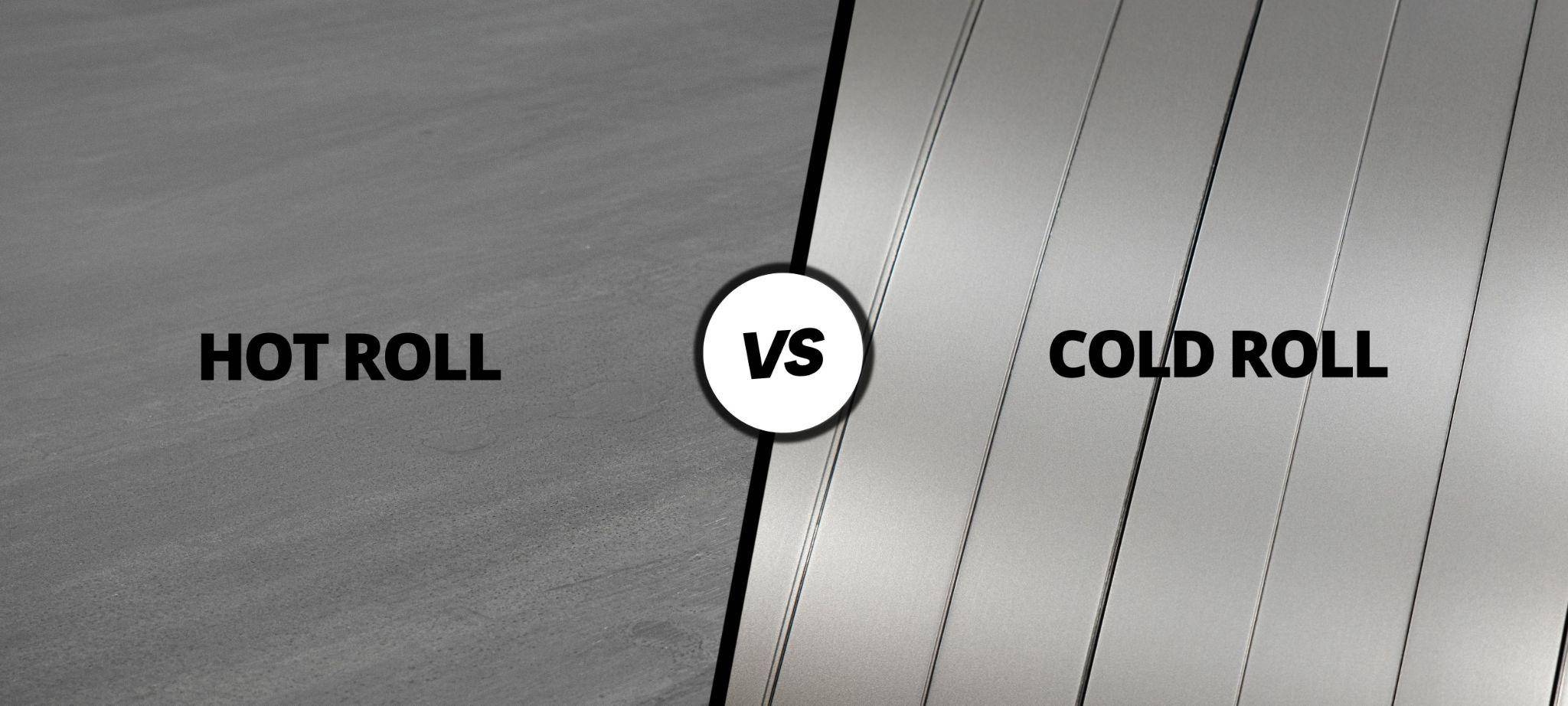
Production Process of Hot Rolled Steel
Hot-rolling is a fundamental process in steel manufacturing, playing a pivotal role in shaping raw materials into various forms with distinct properties. Understanding the intricacies of the hot-rolling process involves delving into the heating and shaping steps, the machinery and equipment employed, and the nuanced artistry required to achieve specific outcomes.
- Heating and Shaping Process: The slabs or billets of large steel are heated to a temperature exceeding 1700°F, allowing them to become pliable and be shaped without cracking it. Rollers are then used to shape the material into its final form, thus aligning its crystal structure and improving its mechanical features.
- Machinery and Equipment: The hot-rolling machine contains rollers, stands, and cooling devices. Rollers will reduce the steel thickness, support and guide the material, while cooling systems, controlling the temperature to avoid overheating, ensures the steels retain desired properties.
- Achieving Desired Thickness: Hot-rolling entails attaining the needed thickness is a question of pressure, temperature and speed. Precision depends on skilled operators as well as automation.
- Controlling Surface Finish: Hot-rolling art entails control of surface finish and mill scale as its characterizing features. The surface may be finished using skilled techniques and treatments such as pickling for particular application requirements.
Pros and Cons of Hot Rolled Steel
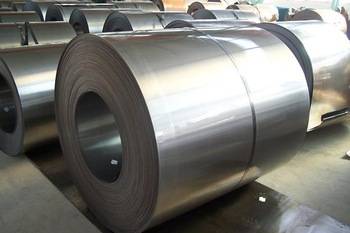
Advantages:
- Cost-Effective Production: Hot-rolling is efficient for mass production, making it cost-effective.
- Enhanced Tensile Strength: The process aligns the crystal structure, imparting higher tensile strength to the steel.
- Versatility: Hot-rolled steel finds applications in structural components, construction, and manufacturing.
Limitations and Challenges:
- Surface Finish: The presence of mill scale may require additional treatments for specific applications.
- Precision Challenges: Achieving precise dimensions can be challenging compared to cold-rolling.
- Material Wastage: The process may result in material wastage due to the initial shaping steps.
Production Process of Cold Rolled Steel
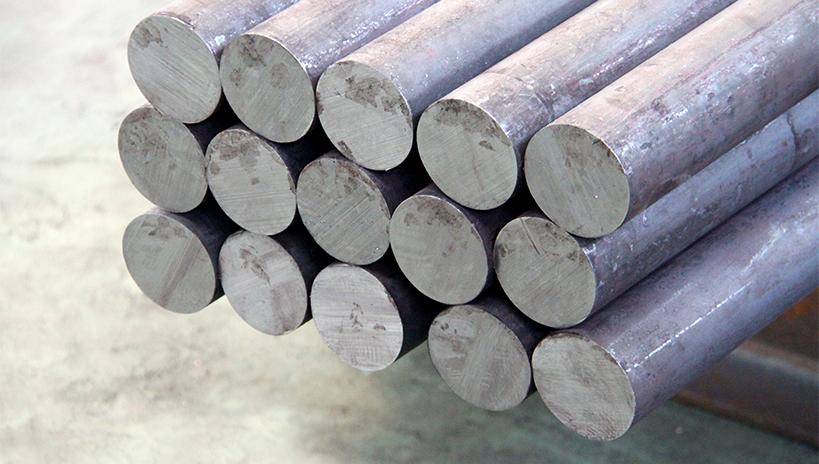
The transformation of steel into different shapes and attributes is only possible through cold-rolling, which is an important stage in manufacturing. In addition, this is done at room temperature using various successive operations which are meant for enhancement of the steel’s properties and dimensions.
- Material Preparation: The hot-rolled steel is prepared for cold-rolling, which occurs before being subjected to the annealing process. Before the cold rolling process, these materials are traced and checked for quality.
- Feeding into the Mill: At this point, the rolled and prepared steel gets fed into the cold-rolling mill, a specially dedicated series of machines. It consists of rollers that compress the steel, making it thinner and changing its form.
- Rolling and Dimensional Adjustment: It is then passed repeatedly between various sets of rollers to attain the required thickness and size. This takes more precision than usual, and it necessitates adjustment until certain tolerances are achieved.
- Surface Enhancement: Cold-rolling is essential for obtaining optimal surface finishes. Cold-rolled steel does not have the telltale “mill scale” found on hot-rolled steel thus giving it a smooth finish.
- Material Hardening: Cold-rolling also promotes material hardening, leading to improved strength or hardness of the finished product. It becomes more beneficial in cases of higher mechanical strength.
- Quality Control: Quality is maintained at each stage of cold rolling. This includes inspections, measurements, as well as tests to verify that the steel corresponds to the defined requirements of its roughness, dimensions and mechanical properties.
- Coiling or cutting at the end: After the cool rolling is finished, the steel is then either curled or sliced specifically lengths as per the motivation behind use. Cold-moving cycle is closing as of now.
Pros and Cons of Cold Rolled Steel
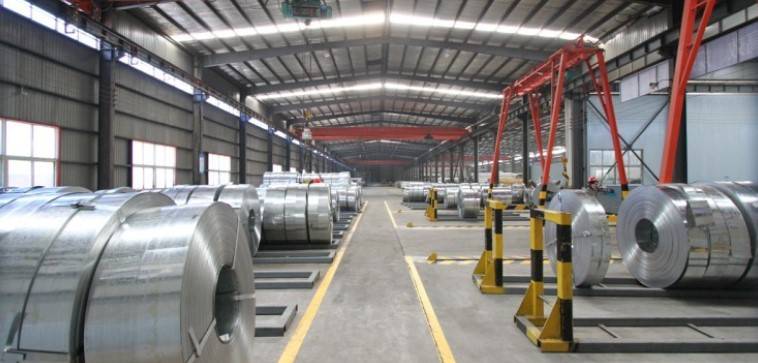
Pros:
- Cold-moving yields an unrivaled surface completion, ideal for applications where styles are urgent, because of the shortfall of plant scale.
- Cold-rolling is favored for applications requiring consistency because it excels at achieving precise dimensions and tight tolerances.
- Material solidifying in chilly rolling adds to expand strength and hardness, advantageous for applications requesting improved mechanical properties.
- The versatility of cold-rolled steel is used in a variety of industries, including precision engineering and automotive components.
- The controlled cold-moving cycle brings about less material wastage, adding to cost-viability and supportability.
Cons:
- Cold-rolling normally requires more energy because of lower temperatures, affecting the generally ecological impression.
- Cold-rolling material hardening can increase brittleness, especially in certain alloys, which should be taken into account for toughness-critical applications.
- Hardware in chilly moving factories is modern and requires exact upkeep, prompting higher beginning arrangement costs and progressing costs.
- Cold-rolling is generally slower than hot-rolling, potentially impacting throughput and efficiency, especially for large-scale production.
- Achieving a smooth surface in cold-rolling doesn’t eliminate the need for additional treatments, such as coating or pickling, depending on the application.
Applications of Hot Rolled Vs Cold Rolled Steel
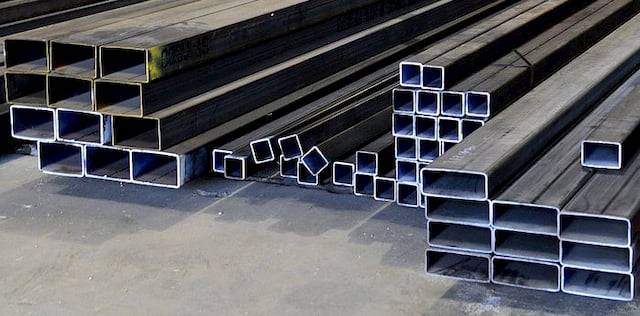
Applications of Hot Rolled Steel
Structural Components:
In the construction industry hot-rolled steel is commonly used to form structural components like beams, columns and I-beams. It is an important material that has high tensile strength for use as support for heavy loads on buildings or infrastructure.
Automotive Parts:
Hot-rolled steel is commonly used in manufacturing of automobiles for chassis, frames, and structural components. This is highly important because its strength, as well as formability, can affect both vehicle safety and its capacity for functionality.
Pipelines and Oil Rig Construction:
Pipelines made from hot rolled steels are often constructed to move fluids and gases. The material is also used in the making of components for oil rigs because of its hardness and strength in adverse regions.
Bridge Construction:
Bridges require strong supports and hot rolled steel provides this because it can carry heavy traffic loads. It can be employed for bridge beams, girders and other structural members.
General Construction:
The hot-rolled steel finds wide application use in general constructions like building of door, framing and roofing components. Due to its flexibility and affordability, it has become popular in the building of structures.
Applications of Cold Rolled Steel
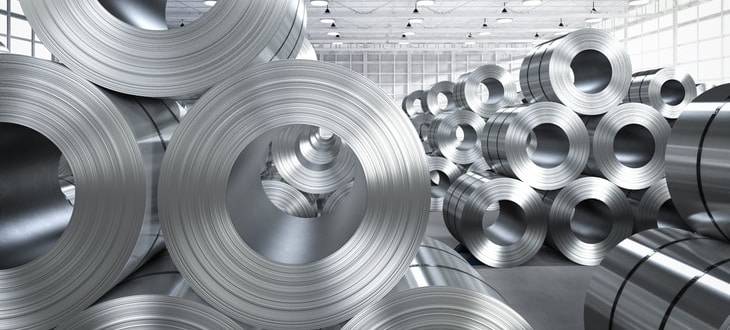
Automotive Manufacturing:
The automobile industry uses cold-rolled steel for the production of many items including body panels, hoods, fenders etc., to get accurate measurements and also smooth surfaces.
Consumer Goods:
Cold rolled steel is very vital in the making of products that people can use at home including refrigerators, beds, and other household goods. These products have a superb surface finish that boosts their appearance.
Precision Engineering:
Precision engineering industries such as those that require close tolerances or exact dimensional requirements use cold rolled steel. This involves making precision manufactured parts, machine tools, measuring tools, and various components.
Construction and Architectural Elements:
Cold rolled steel is applied mainly in constructions with high quality surface finishing – roofing, cladding or architecture. These are necessary when creating a structure and they enhance the aesthetic value of the constructed structure.
Metal Furniture:
Cold rolled steel is used in producing metal furniture items like tables, chairs, and cupboards amongst others for the furniture industry. This means that the material has a smooth finish as well as high machining tolerances contributing to the overall design and function of these products.
Main Differences Between Hot Rolled and Cold Rolled Steel

- Production Temperature:
- Hot-Rolled: Created at elevated temperatures above 1700°F (926°C).
- Cold-Rolled: Avoiding excessive heat in manufacturing at or nearly ambient temperatures.
- Structural Differences:
- Hot-Rolled: For structural members such as beam and column.
- Cold-Rolled: Due to this reason, they are most preferred in applications that require high precision and better finishing.
- Surface Finish Matters:
- Hot-Rolled: Contain mill scale and is therefore rougher in appearance.
- Cold-Rolled: It provides a more refined & beautiful finish.
- Strength and Durability:
- Hot-Rolled: Exhibits higher overall tensile strength.
- Cold-Rolled: Hardens more using work hardening for particular uses by becoming harder.
- Dimensional Precision:
- Hot-Rolled: Less dimensional tolerances, possible further polishing.
- Cold-Rolled: Good for dimensions and tolerances without extra machining additions.
- Cost Considerations:
- Hot-Rolled: Faster processing makes it generally more cost-effective for large-scale production.
- Cold-Rolled: Precision and other processing necessities may make it costlier.
- Environmental Impact:
- Hot-Rolled: Its energy demand is usually high that may affect the general environmental burden.
- Cold-Rolled: Sometimes more efficient, but could be pricier during installation.
Conclusion – Hot Rolled Vs Cold Rolled Steel
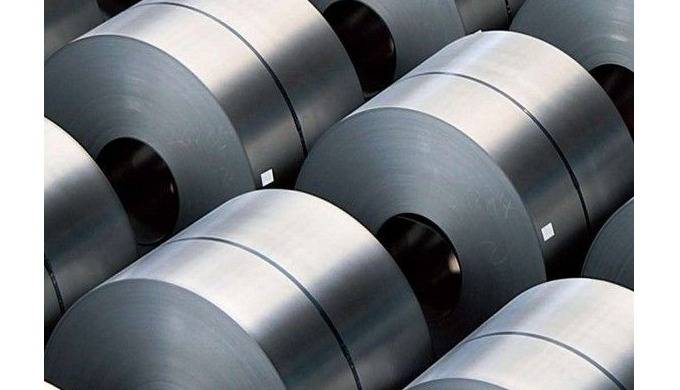
The choice between cold-rolled steel and hot-rolled steel is determined by the desired properties and application conditions. Choosing between hot-rolled and cold-rolled steel entails considering the strength, precision, cost, and greenness issues. Each option gives specific advantages and disadvantages that can be utilized for manufacturing products.
| Hot rolled steel | Cold rolled steel |
| Hot rolled steel manufactured at very high temperatures. | Cold rolled steel manufactured at near room temperature. |
| Hot rolled steel has great utility in applications involving structural strength, economic production of large volume products. | Cold rolled steel is renowned for high dimensional accuracy, smooth surface finish and fine applications. |
| Hot rolled steel will require more treatments because of its rougher surface. | Initial cost may be high of cold rolled steel but it becomes worthwhile in industries where there is a need for tight tolerances and good surface quality. |
In conclusion it is important to choose the right material based on unique features of hot rolled and cold rolled steel related to specific requirements of given application.
How can we help you with your steel requirements?
✅ Are you a company of 11 – 50 people?
✅ Do you use more than 500 tons of steel per year?
✅ Do you spend too much time finding the right steel manufacturers?
✅ Unsure each time whether you will get the right quality of steel?
If your answer is YES, Contact Us Now for a FREE Consultation.