
The Philippine steel industry is entering a transformative era in 2026, fueled by the government’s ambitious “Build Better More” infrastructure program. As the nation scales up its construction and manufacturing sectors, the demand for reliable, high-quality steel has never been higher. This guide provides a strategic overview for industrial buyers navigating this high-growth market.
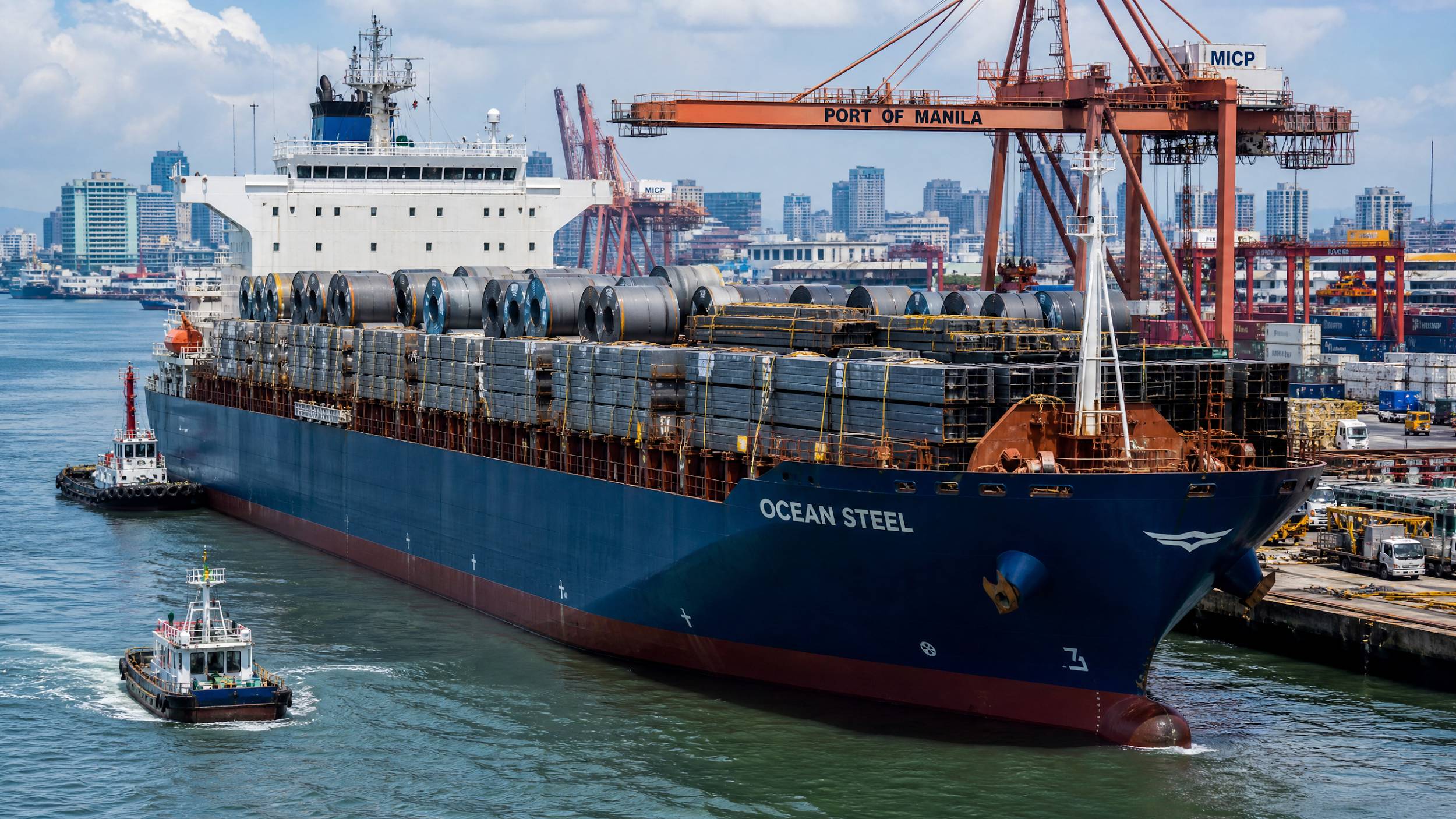
The Port of Manila remains the central hub for high-volume steel imports, serving as the primary gateway for materials destined for major infrastructure projects across Luzon.
Successfully procuring steel for Philippine projects requires more than just finding a supplier; it demands a deep understanding of local quality standards and rigorous import regulations. From mandatory PNS certifications to complex customs procedures, every step must be handled with precision. This article explores how to source steel safely and efficiently in the current 2026 landscape.
The Current State of the Philippine Steel Market
In 2026, the Philippine steel market is characterized by robust demand across the residential, commercial, and infrastructure sectors. Major projects like the Metro Manila Subway and various regional bridges are consuming vast quantities of structural steel and rebar. This environment presents a unique opportunity for buyers who can secure mill-direct pricing and reliable delivery.
To meet this growing demand, many Philippine industrial firms are looking beyond local suppliers and partnering with the best steel companies in China. At Camasteel, our about us mission is to provide professional procurement support that bridges the gap between international mills and local project requirements.
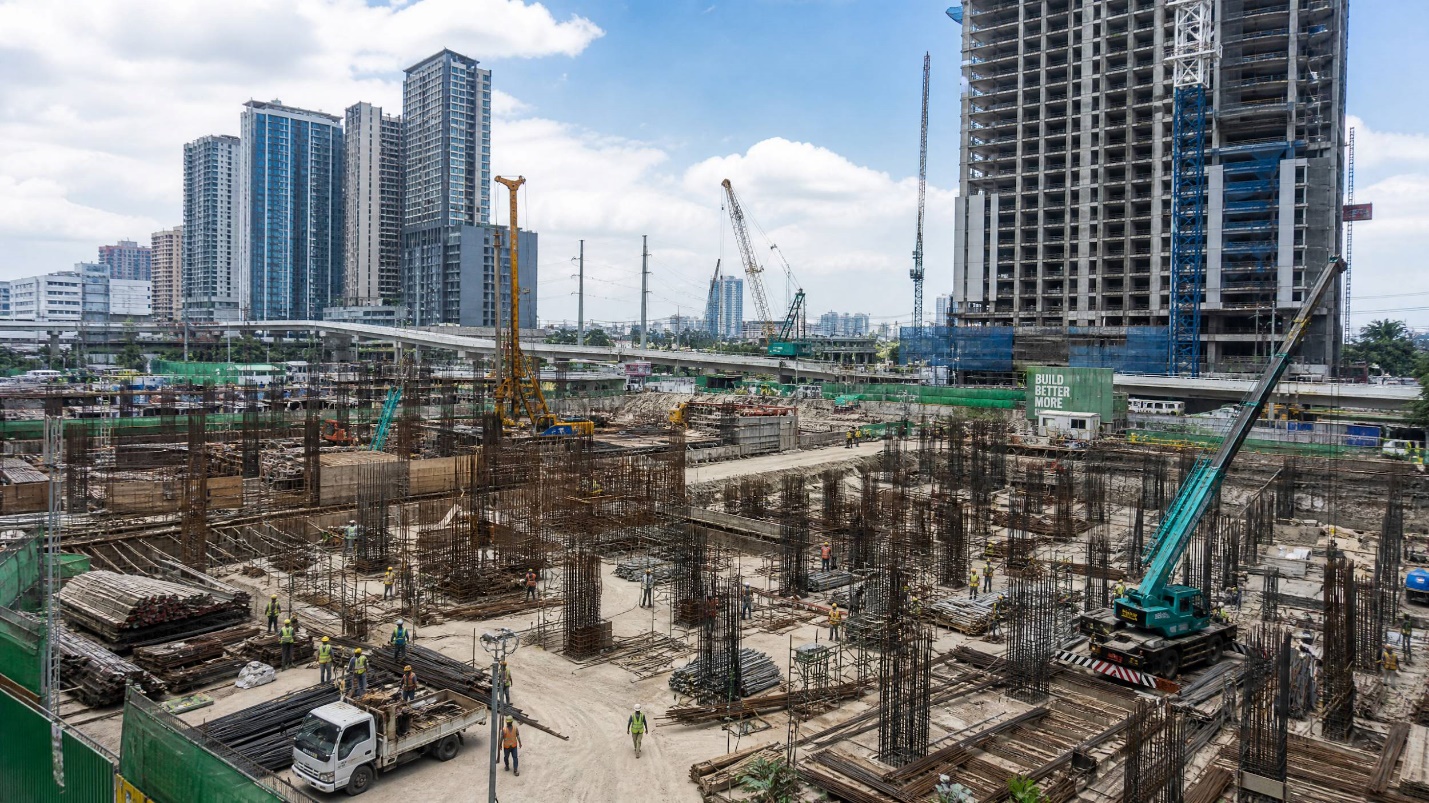
Steel is the backbone of the Philippines’ urban development, with massive quantities imported to support the construction of modern high-rise buildings and infrastructure.
Key Drivers of Steel Demand in 2026
The primary drivers of steel demand include the expansion of the renewable energy sector and the modernization of the national transportation network. These projects require specialized steel products, such as high-strength plates and corrosion-resistant pipes, that often exceed local production capacities. Sourcing these materials in bulk is essential for maintaining project timelines.
The Role of International Sourcing
International sourcing plays a vital role in providing the Philippine market with technical diversity and competitive pricing. By importing directly from verified global mills, buyers can access a broader range of specifications and grades. This commitment to technical excellence and quality is a core part of our responsible steel philosophy.
Understanding PNS Standards and DTI-BPS Compliance
For any steel product to be used in Philippine construction or industry, it must strictly comply with the Philippine National Standards (PNS). These standards are enforced by the Department of Trade and Industry’s Bureau of Philippine Standards (DTI-BPS). Compliance is non-negotiable and is verified through a rigorous certification process.
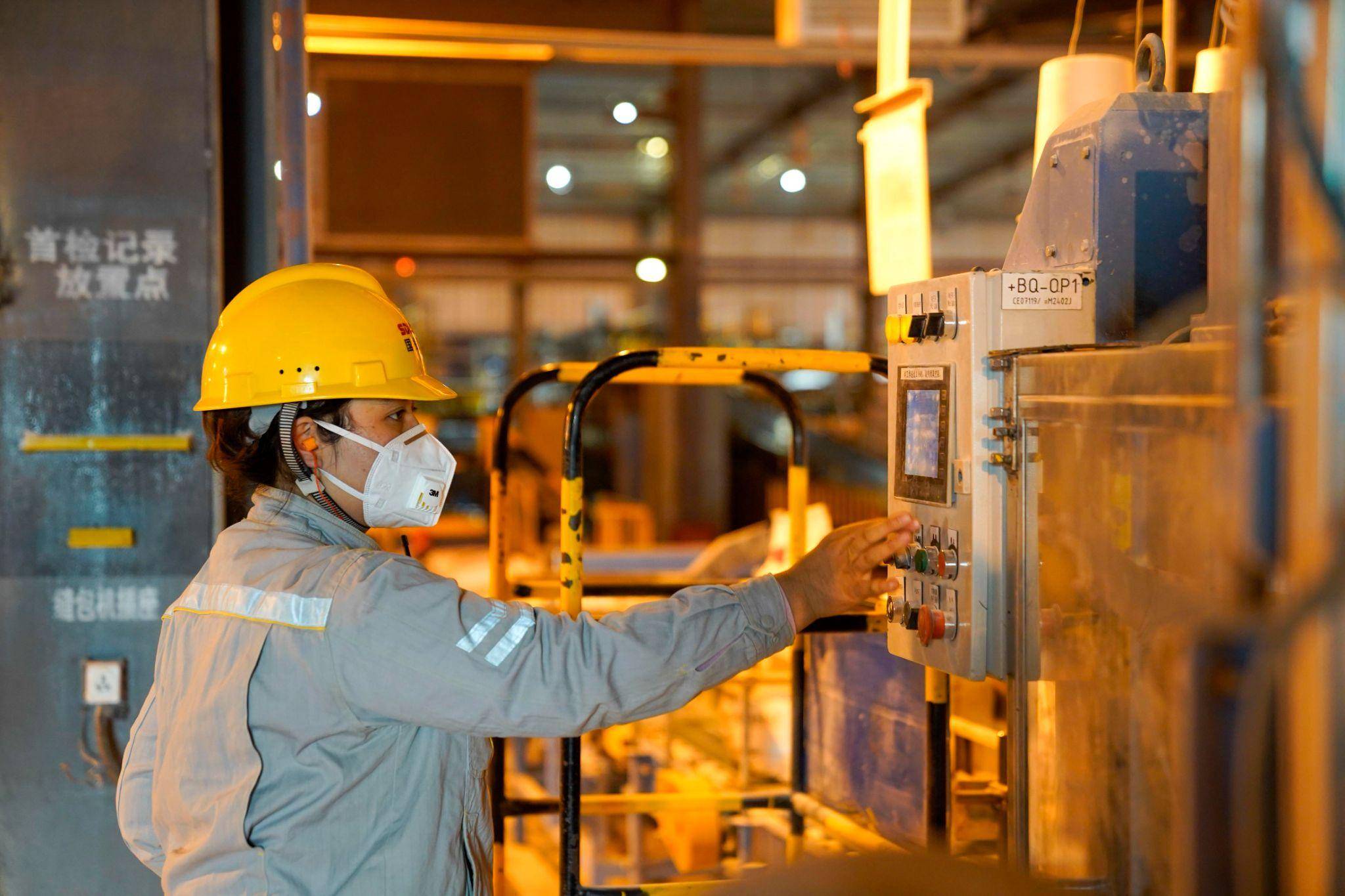
Technical verification and physical inspection of every steel bundle are essential steps in the 2026 procurement process to ensure all materials meet Philippine safety standards.
In 2026, the DTI-BPS has implemented even stricter monitoring for steel products, particularly reinforcing bars and structural sections. Every shipment must be accompanied by an Import Commodity Clearance (ICC) or a valid Philippine Standard (PS) Quality Mark. This technical diligence is the foundation of our many success stories in the region.
The Importance of the PS Quality Mark
The PS Quality Mark is a mandatory requirement for locally manufactured and imported steel products that fall under mandatory certification. It signifies that the manufacturing process and the final product consistently meet PNS requirements. Ensuring your supplier has a valid PS License is the most effective way to guarantee material quality and project safety.
ICC Stickers and SOC Certificates
For shipments that do not have a PS License, an Import Commodity Clearance (ICC) is required. This involves per-shipment inspection and testing by the BPS or its authorized representatives. Furthermore, a Statement of Confirmation (SOC) is often required for customs clearance. Professional oversight ensures that all these documents are in perfect order before the goods arrive.
2026 Philippines Steel Specification and Price Reference Table
| Product Category | Relevant PNS Standard | Common Grades | Estimated Price (PHP/tonne) |
| Reinforcing Bar | PNS 49:2020 | Grade 40, Grade 60 | ₱58,000 – ₱65,000 |
| Structural Steel | PNS 651:1988 | ASTM A36, Q235B | ₱62,000 – ₱72,000 |
| Steel Plates | PNS 651:1988 | A572 Grade 50 | ₱65,000 – ₱78,000 |
| Galvanized Coils | PNS 67:2014 | Z120, Z180 | ₱85,000 – ₱98,000 |
| Steel Pipes | PNS 26:1992 | Schedule 40, 80 | ₱75,000+ |
Need help sourcing steel from China? Our team helps international buyers compare steel mills, verify certifications, inspect factories, confirm technical specifications, and secure mill-direct pricing before payment. Share your project requirements today for quotation support and supplier evaluation.
WhatsApp Us for Free a Consultation
Navigating Import Regulations and Customs Procedures
Importing steel into the Philippines requires navigating a complex landscape of regulations designed to protect the local industry and ensure consumer safety. In 2026, the Bureau of Customs (BOC) and the DTI work closely to monitor all steel imports. Understanding these procedures is vital for avoiding costly delays and legal complications.
The Role of the Import Commodity Clearance (ICC)
The ICC process is a critical hurdle for many importers. It requires the submission of detailed technical documents, including Mill Test Certificates (MTC) and independent laboratory test results. Working with an experienced procurement partner can streamline this process, ensuring that all technical data is correctly presented to the BPS for rapid approval.
Anti-Dumping and Safeguard Duties
Industrial buyers must also be aware of any active anti-dumping or safeguard duties on specific steel products. These duties can significantly impact the total landed cost of your materials. A professional market analysis can help you identify the most cost-effective sourcing regions while remaining fully compliant with all Philippine trade laws.
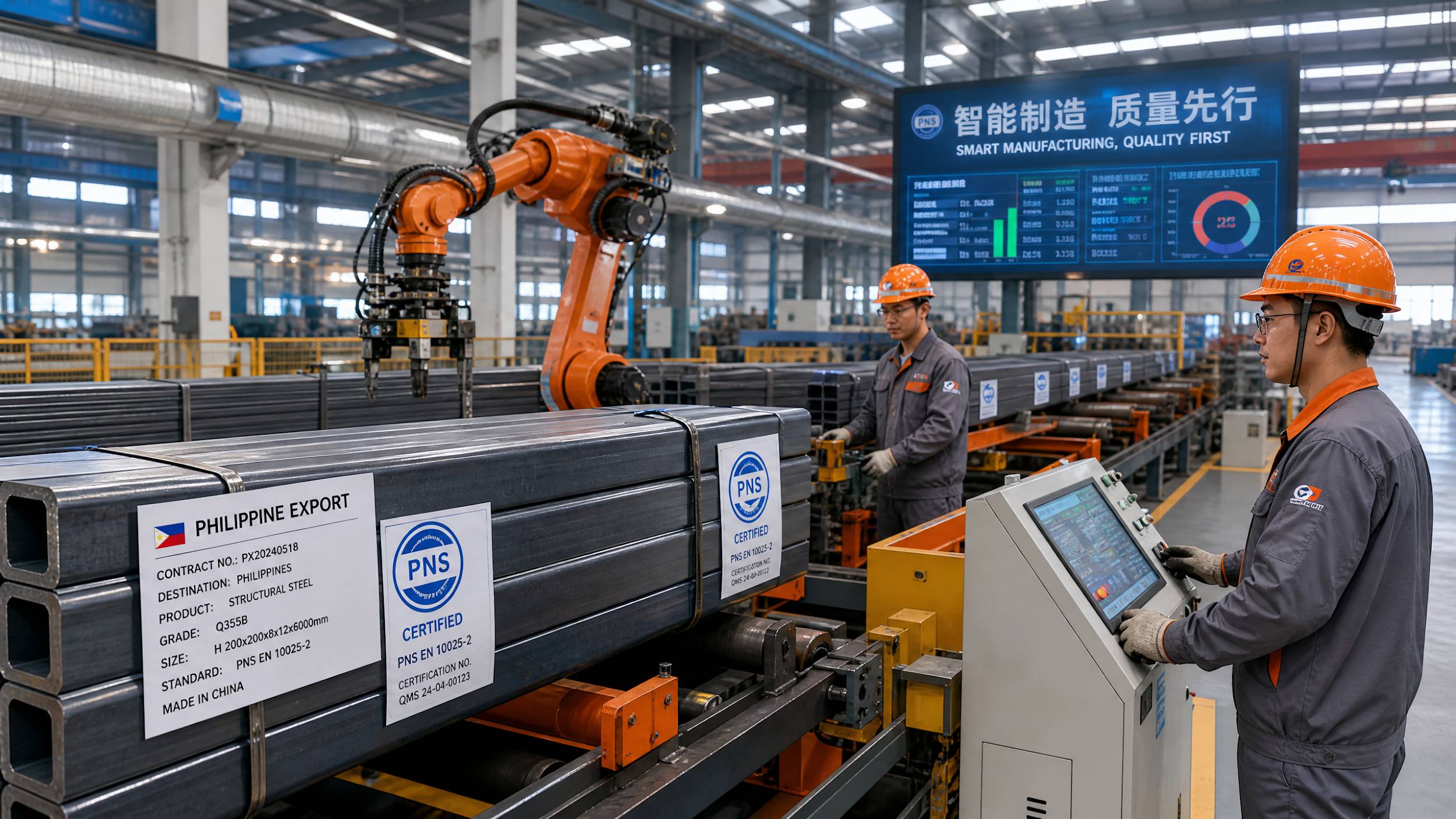
Advanced Chinese mills utilize sophisticated robotics and automated systems to ensure that every structural section produced for the Philippines meets the exact PNS 651 standards.
How to Buy Steel for the Philippines: A Procurement Guide
Buying steel in bulk for the Philippine market requires a structured and disciplined approach. In 2026, the process has become more data-driven and technically demanding. Follow this professional guide to ensure your steel procurement is efficient, compliant, and delivers the best value for your project.
1. Define Precise Technical Requirements
Start by defining your steel needs using the exact PNS codes and international equivalents. Don’t just ask for “steel plates”; specify the thickness, width, grade (e.g., A572), and any required surface treatments. Clear specifications are the only way to ensure the mill produces exactly what your engineers require.
2. Verify Supplier Certification and Track Record
Only partner with manufacturers who have a proven history of exporting to the Philippines. Verify their PS License or their experience with the ICC process. A thorough factory audit is highly recommended for project-scale orders to confirm the mill’s actual production capacity and quality management systems.
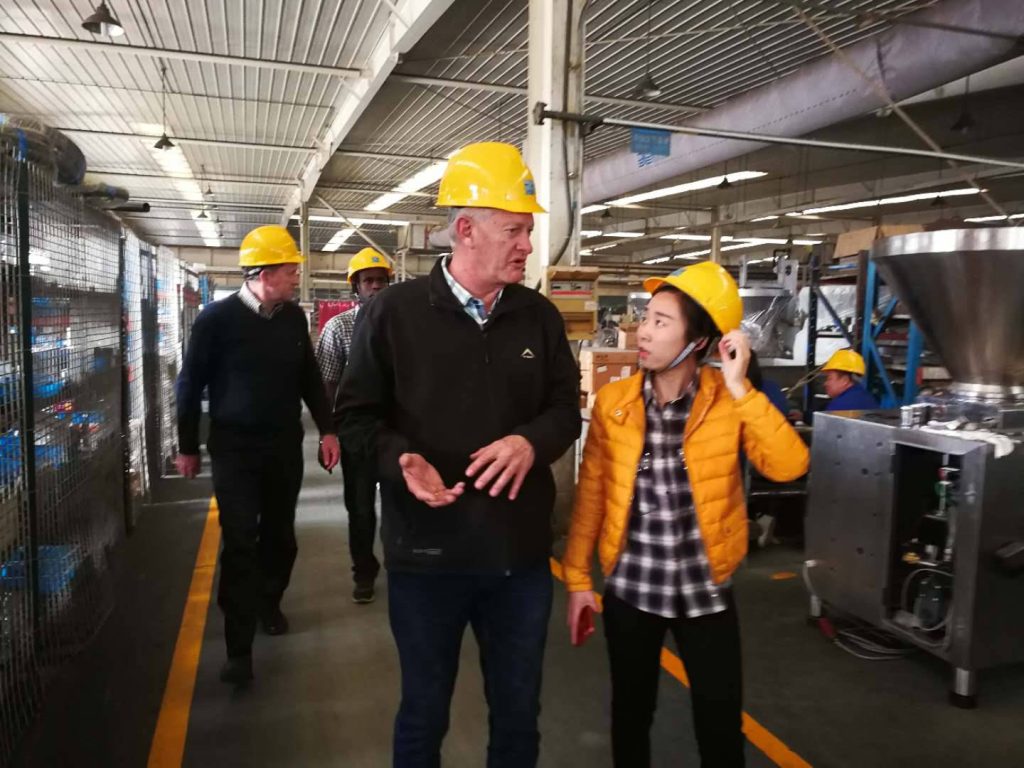
Direct consultation between Philippine industrial buyers and manufacturing experts is the key to ensuring technical compliance and project success in the 2026 market.
3. Implement Rigorous Pre-Shipment Inspection
Never allow a shipment to leave the factory without a comprehensive third-party inspection. This inspection should verify the quantity, physical dimensions, surface quality, and mandatory marking of the steel. Ensuring the PNS marks are correctly applied and the MTC is accurate is a critical step in protecting your project.
4. Coordinate Professional Logistics and Clearing
Work with an experienced customs broker and logistics partner who specializes in industrial materials. Ensure all documentation, including the Bill of Lading and the SOC, is perfectly aligned with DTI and BOC requirements. Proper planning will prevent costly storage fees and delays at the Port of Manila or Batangas.
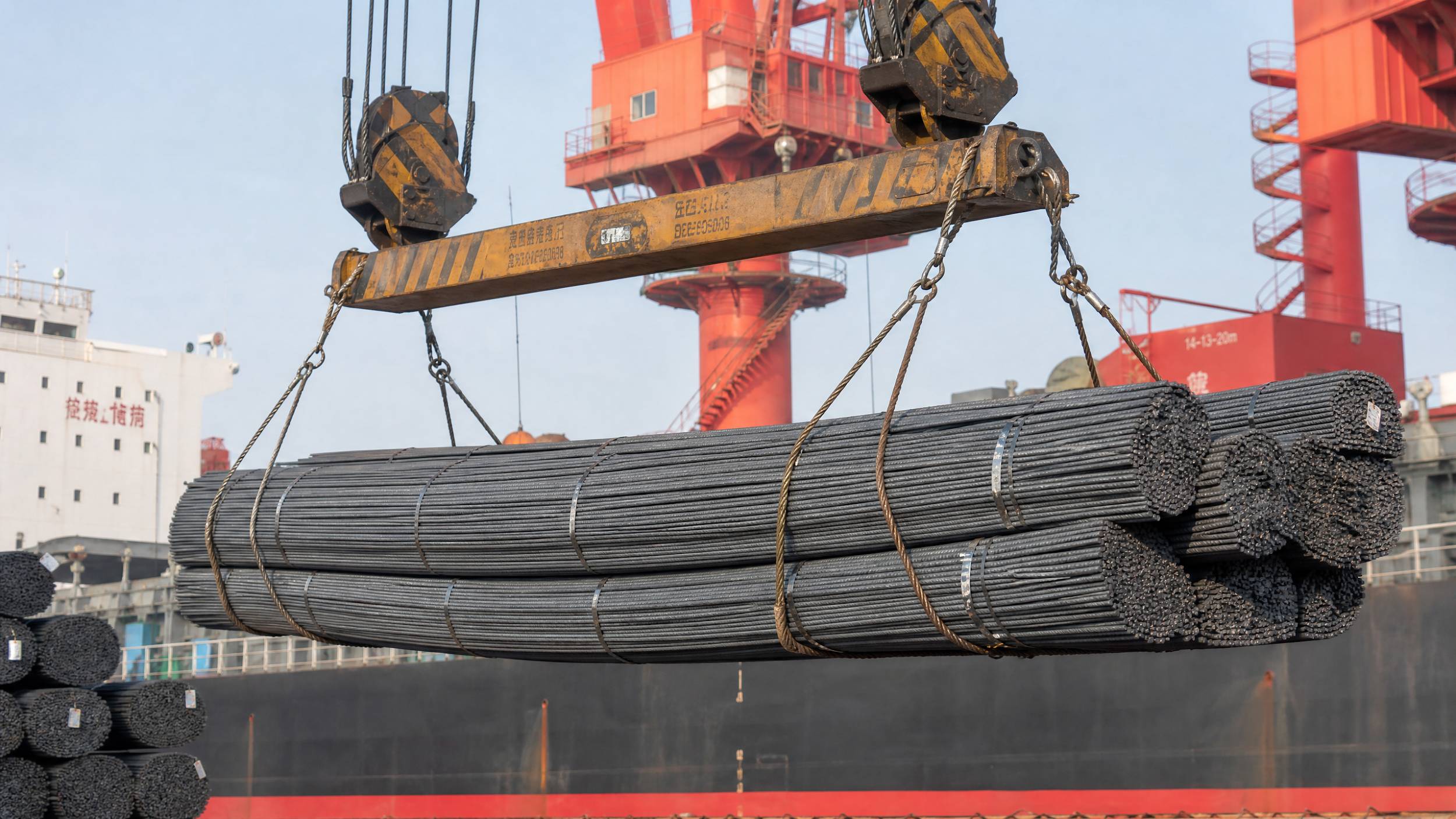
Efficient port handling and secure loading are essential to maintain the structural integrity of heavy steel bundles during the sea voyage to Philippine ports.
People Also Ask: Philippines Steel FAQ
What is the difference between Grade 40 and Grade 60 rebar?
These are grades of reinforcing bar defined by PNS 49:2020. Grade 40 has a minimum yield strength of 275 MPa, while Grade 60 has a higher minimum yield strength of 415 MPa. Grade 60 is typically used in high-rise buildings and heavy infrastructure where superior load-bearing capacity is required.
How long does it take to ship steel from China to the Philippines?
The typical transit time for sea freight from major Chinese ports to the Port of Manila is between 5 to 10 days. However, you must also factor in production lead times, port handling, and the ICC inspection process, which can add several weeks to the total procurement timeline.
Do I need an ICC sticker for every steel bundle?
Yes, for products under mandatory certification that do not have a PS License, each bundle or unit must bear an ICC sticker. This sticker serves as proof that the specific shipment has been inspected and tested by the DTI-BPS and is safe for use in the Philippines.
Conclusion: Navigating the Future of Philippine Steel
The Philippine steel industry in 2026 offers both challenges and significant opportunities for those who understand its complexities. By prioritizing PNS compliance, navigating DTI-BPS regulations with care, and leveraging high-quality global imports, you can build a resilient and cost-effective supply chain.
At Camasteel, we are dedicated to helping our Philippine clients achieve their goals through expert procurement support and world-class steel products. Whether you are building a new high-rise in BGC or a regional bridge, our team is ready to help you succeed. Contact us today for a professional consultation.
Industrial Buyers: Importing Steel to Philippines?
Are you navigating a serious steel purchase? We understand the complexities involved.
✅ Do you know your steel specifications?
✅ Are you buying in bulk?
✅ Do you need supplier verification in China?
✅ Do you need inspection before shipment?
✅ Do you need support shipping to Philippines?
If you answered yes to these questions, you’re likely handling a significant steel procurement. Share Your Requirements with us today to streamline your import process.