
Importing steel to Mexico is not simply about finding the lowest price. Large steel purchases from China often involve supplier fraud, incorrect material grades, fake certifications, delayed shipments, and major payment exposure before production begins. We support container-load and project-scale steel procurement for manufacturers, EPC contractors, and industrial buyers—not small local purchases or spot-buy price requests.
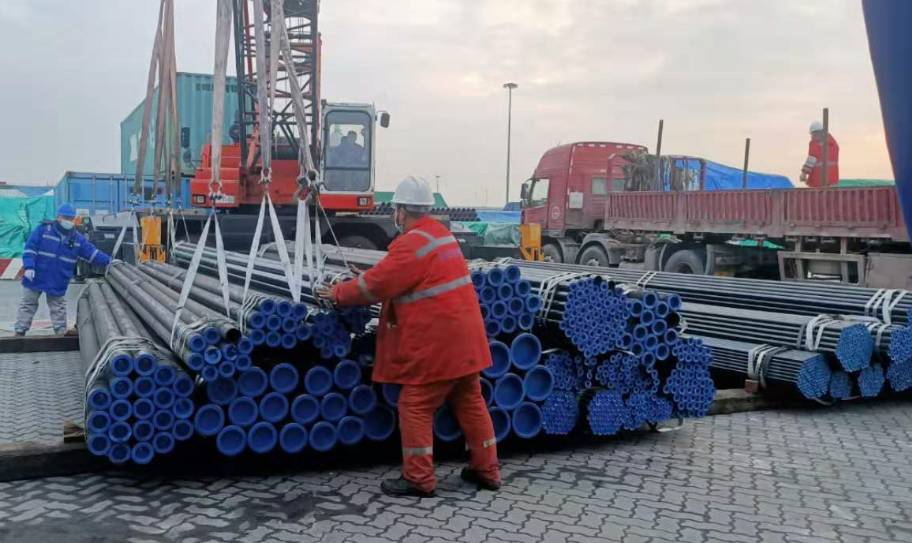
Professional loading of steel pipes for export shipment
When Should You Import Steel to Mexico?
Navigating the global steel market requires strategic decisions. For Mexican industrial buyers, understanding when to look beyond local suppliers is crucial. Importing steel becomes a clear advantage under several key circumstances.
Limited Local Supply
Sometimes, the specific type or volume of steel you need simply isn’t readily available within Mexico. This scarcity can drive up local prices and extend lead times, making international sourcing a more viable option.
High Local Pricing
Are you finding local steel prices eating into your project’s budget? When domestic prices become prohibitively high, importing from competitive markets like China can offer significant cost savings, especially for large-scale purchases.
Need for Specific Grades or Custom Specifications
Many industrial projects demand specialized steel grades or custom specifications that local mills might not produce. China’s vast steel industry, home to some of the best steel companies in China, offers an unparalleled variety of products to meet precise technical requirements.
Large Project Volume
For major infrastructure projects or large manufacturing runs, the sheer volume of steel required often exceeds the capacity of local suppliers. Importing in bulk from China allows for economies of scale, ensuring consistent supply and often better pricing.
Most Imported Steel Products in Mexico
Mexico’s diverse industrial landscape drives demand for a wide array of steel products. Understanding these categories can help you streamline your procurement strategy.
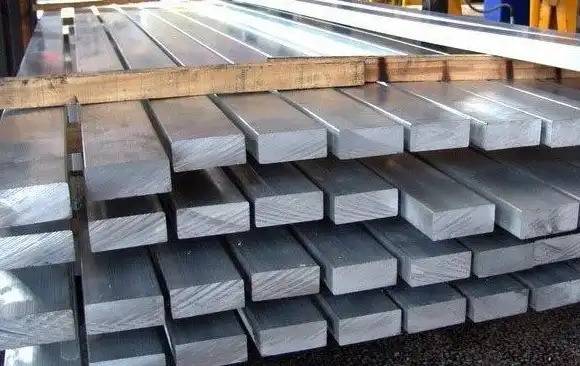
Premium square steel bars in warehouse storage
Flat Products
Flat products, such as Hot-Rolled Coil (HRC) and Cold-Rolled Coil (CRC), are fundamental to many industries, including automotive, construction, and appliance manufacturing. Their versatility makes them consistently high-demand imports.
Long Products
Long products like rebar and steel beams are the backbone of Mexico’s booming construction sector. From residential buildings to large-scale infrastructure, these materials are indispensable.
Pipes & Tubes
Seamless and welded pipes and tubes are critical for the oil and gas, water infrastructure, and general manufacturing industries. Mexico’s energy sector, in particular, relies heavily on these specialized steel products.
Galvanized Steel
Known for its corrosion resistance, galvanized steel is widely used in construction, automotive, and agricultural applications, especially in environments where durability and longevity are paramount.
Why Import Steel from China to Mexico?
China has solidified its position as the world’s largest steel producer, making it an attractive sourcing destination for global buyers. For Mexican importers, several factors make China an ideal partner.
Price Advantage
Chinese steel mills often benefit from economies of scale and efficient production processes, translating into more competitive pricing, especially for bulk orders. This can significantly reduce overall project costs.
Unmatched Scale for Bulk Orders
When your project demands massive quantities of steel, Chinese suppliers have the capacity to meet those needs without compromising on delivery schedules. Their production scale is simply unparalleled.
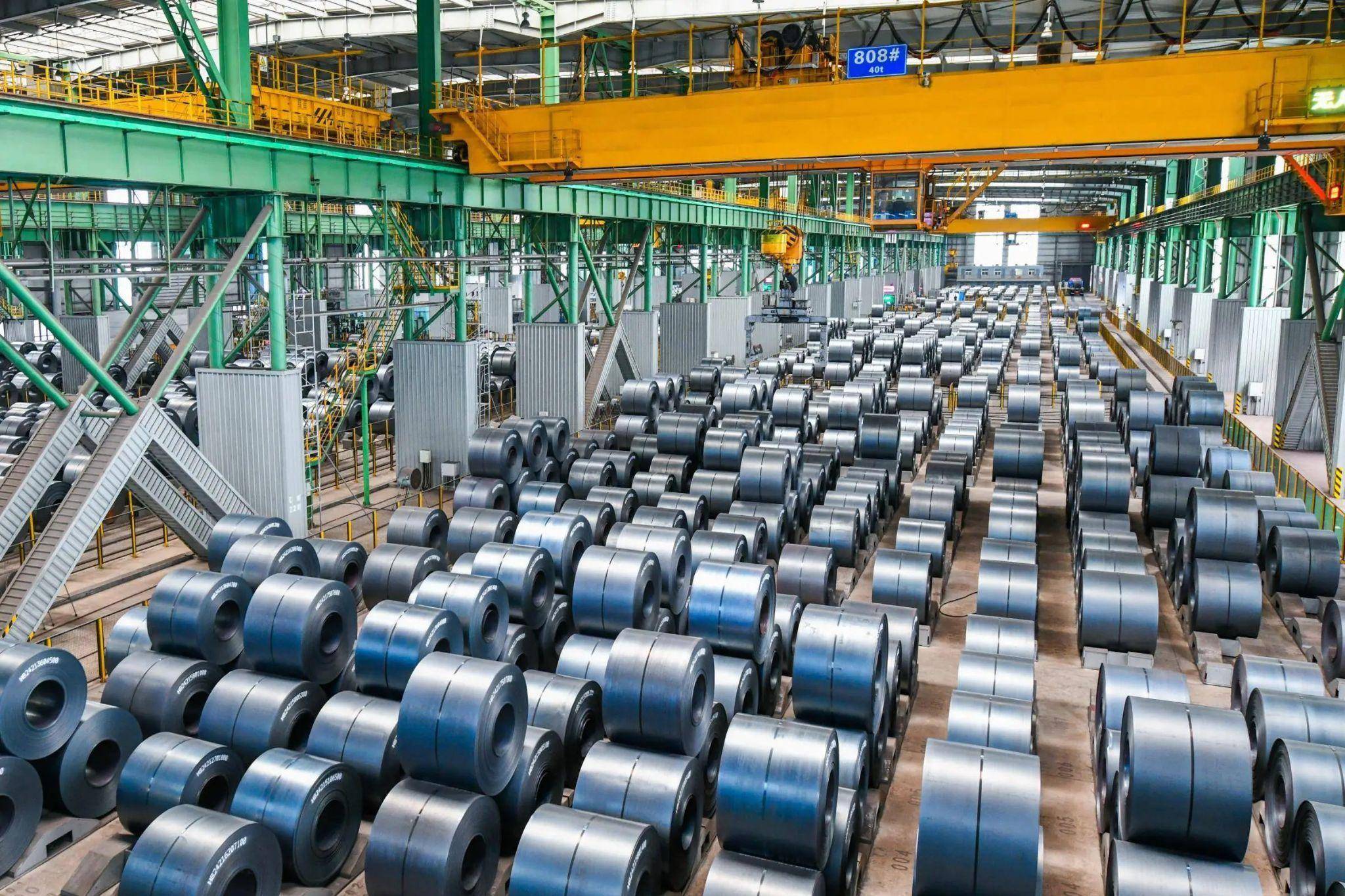
High-capacity steel mill producing coils in China
Extensive Product Variety
From standard grades to highly specialized alloys, China’s steel industry offers an incredibly diverse product range. This ensures that even the most unique project specifications can be met.
Robust Export Experience
Chinese steel manufacturers and traders possess extensive experience in international logistics, documentation, and customs procedures, making the import process smoother and more reliable for buyers.
Mexico vs China Steel Supply: What Should Buyers Consider?
Making an informed procurement decision involves weighing the pros and cons of local versus international sourcing. Here’s a practical comparison to guide your strategy:
| Factor | Mexico (Local Supply) | China (Import Supply) |
| Price | Higher in many cases | More competitive for bulk |
| Availability | Limited for some grades | Wide range of products |
| Lead Time | Faster (local) | Longer (shipping required) |
| Minimum Order | Smaller orders possible | Better for large volume |
| Quality Control | Easier to check locally | Needs inspection process |
| Product Range | More limited | Very broad |
Need help sourcing steel from China? Our team helps international buyers compare steel mills, verify certifications, inspect factories, confirm technical specifications, and secure mill-direct pricing before payment. Share your project requirements today for quotation support and supplier evaluation.
WhatsApp Us for Free a Consultation
When Should You Buy Locally vs. Import from China?
This decision often boils down to your specific project needs and priorities.
Buy Locally in Mexico if:
- You require a small quantity of steel.
- You have urgent delivery timelines.
- Your project uses standard, readily available materials.
Import from China if:
- You need a large volume (containers or bulk shipments).
- Your project demands specific grades or sizes not easily found locally.
- Price competitiveness is a critical factor for your budget.
- You have sufficient lead time to plan for international shipping.
How to Import Steel from China to Mexico (Step-by-Step)
Importing steel can seem complex, but breaking it down into manageable steps makes the process clear. Here’s a guide to ensure a smooth transaction.
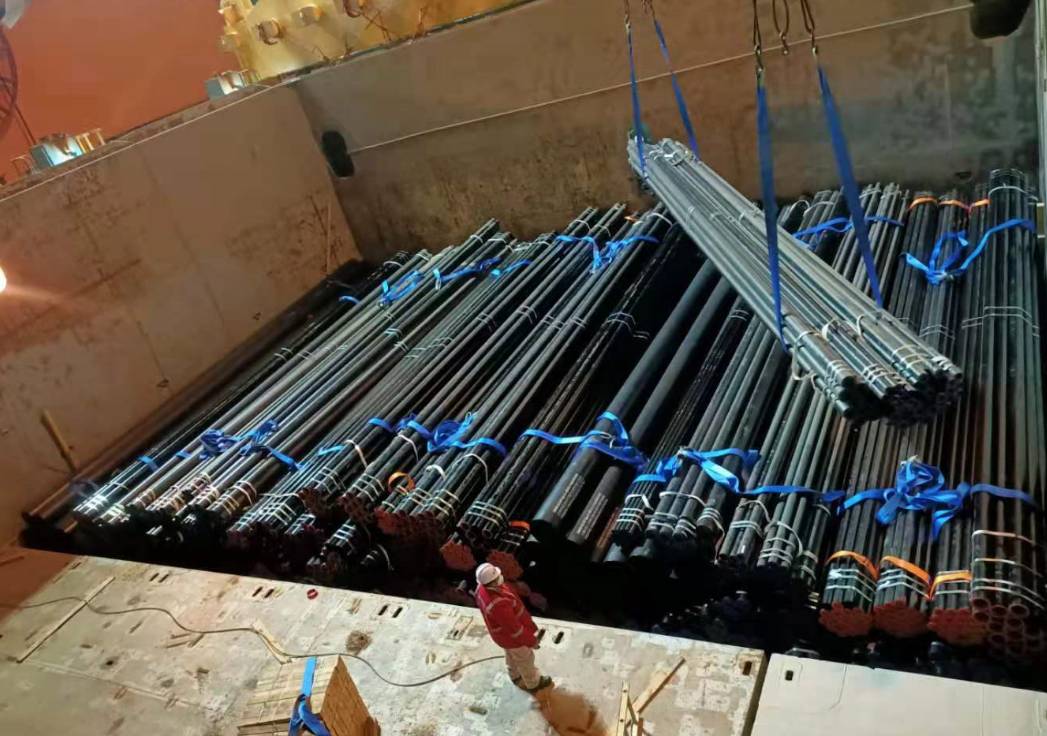
Bulk steel rebar prepared for container loading
1. Define Your Specifications
Before anything else, precisely define the type, grade, dimensions, and quantity of steel you need. This clarity is paramount for accurate quotations and successful procurement.
2. Why Buyers Lose Money Choosing the Wrong Supplier : Mill vs Trader
Decide whether to source directly from a steel mill or through a reputable trading company. Each has its advantages, with mills often offering better pricing for large volumes and traders providing more flexibility and consolidated services.
3. Verify the Factory
For high-value, high-risk procurement, verifying the factory’s legitimacy and production capabilities is crucial. This can involve factory audits and background checks to ensure you’re dealing with a reliable supplier.
4. Implement Inspection Protocols (MTC, SGS)
Quality assurance is non-negotiable. Request Mill Test Certificates (MTCs) to confirm material properties and consider third-party inspections like SGS before shipment to verify product quality and quantity.
5. Arrange Shipping to Mexico Ports
Work with experienced logistics partners to manage the sea freight from China to Mexico. This includes customs clearance, documentation, and inland transportation to your final destination.
Main Ports for Steel Imports in Mexico
Mexico’s Pacific and Gulf coasts host several key ports vital for international trade. When importing steel from China, two ports stand out as primary entry points.
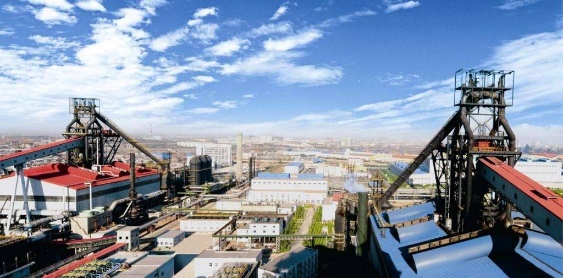
State-of-the-art steel manufacturing complex in China
Most steel from China ships to Manzanillo and Lázaro Cárdenas. These ports are strategically located and equipped to handle large volumes of cargo, including heavy industrial materials like steel.
What You Need to Import Steel into Mexico
Successful steel importation requires adherence to Mexican customs regulations. Being prepared with the necessary documentation and authorizations will prevent delays and complications.
Import Authorization
Ensure you have the proper import permits and licenses required by the Mexican government for steel products. These vary based on the type of steel and its intended use.
Mill Test Certificates (MTC) / Quality Certifications
These documents are crucial for verifying the chemical composition and mechanical properties of the steel, ensuring it meets your specified standards and regulatory requirements.
Certified quality and environmental management standards
Customs Declaration
Accurate and complete customs declarations are essential. This includes detailed information about the goods, their value, origin, and classification under the Harmonized System (HS) codes.
Conclusion
Importing steel to Mexico from China presents a strategic advantage for industrial buyers seeking competitive pricing, vast product variety, and reliable supply for large-scale projects. By understanding the market dynamics, navigating the import process diligently, and partnering with experienced sourcing experts, you can ensure a seamless and cost-effective procurement experience. Whether it’s for construction, manufacturing, or specialized industrial applications, the global market offers robust solutions to Mexico’s growing steel demands.
Industrial Buyers: Importing Steel to Mexico?
Are you navigating a serious steel purchase? We understand the complexities involved.
✅ Do you know your steel specifications?
✅ Are you buying in bulk?
✅ Do you need supplier verification in China?
✅ Do you need inspection before shipment?
✅ Do you need support shipping to Mexico?
If you answered yes to these questions, you’re likely handling a significant steel procurement. Share Your Requirements with us today to streamline your import process.