In the world of industrial manufacturing, steel billets serve as the essential foundation for a vast array of finished products. As a primary member of the semi-finished casting category, these solid steel blocks are the starting point for everything from reinforcing bars to intricate wire stocks.
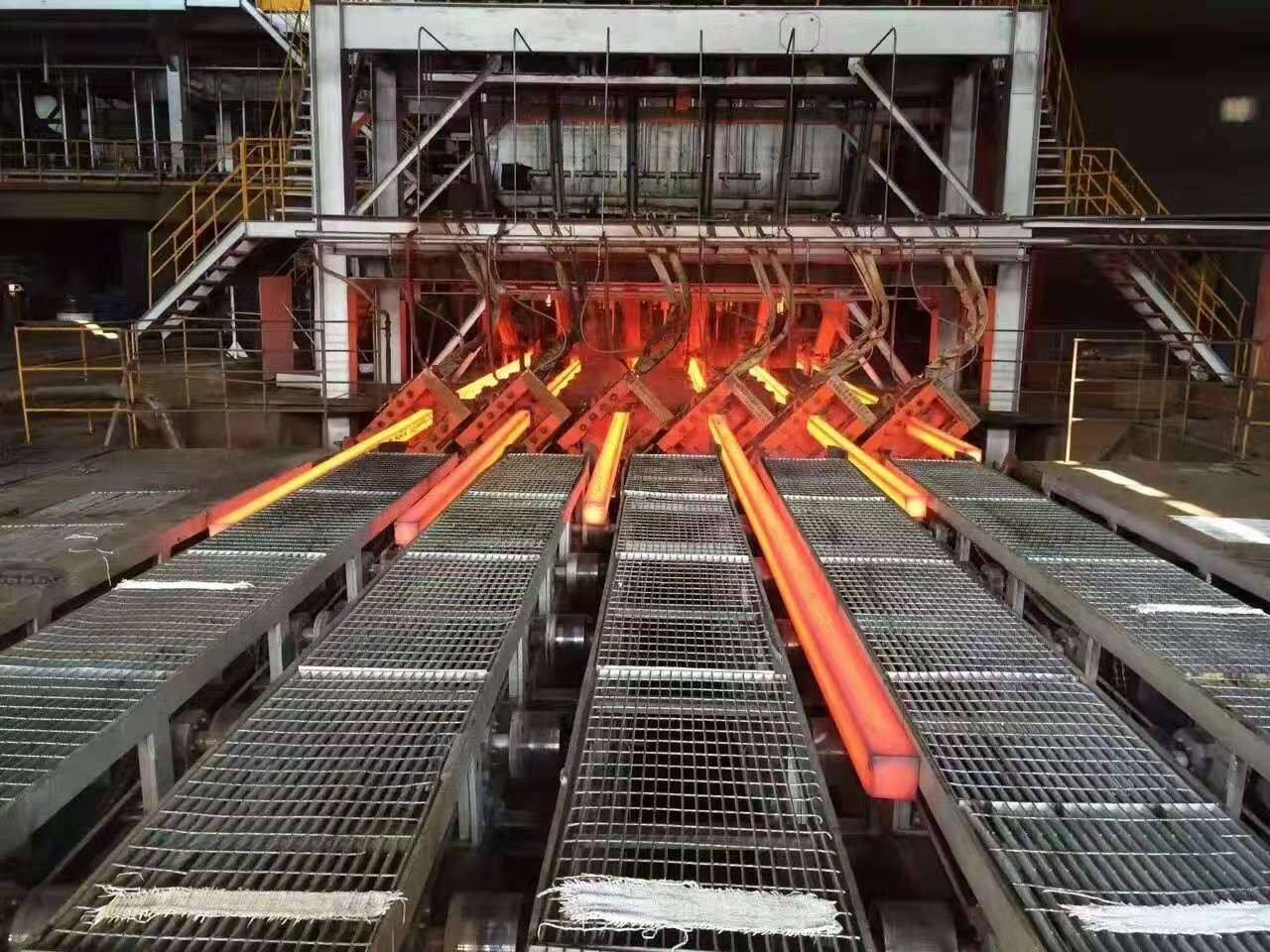
Our procurement experts work directly with top Chinese mills to ensure every batch of steel billets meets the highest international quality standards.
In 2026, the global demand for high-quality billets continues to grow, driven by massive infrastructure projects and the expansion of the manufacturing sector. Understanding the nuances of billet production and procurement is vital for any business looking to secure a reliable supply chain.
What are Steel Billets? Defining the Basics
At its core, a steel billet is a semi-finished product with a square or rectangular cross-section. Unlike finished steel products that are ready for immediate use, steel billets must undergo further processing, such as hot rolling or cold drawing, to achieve their final shape. They are typically produced through a continuous casting process or by rolling larger steel ingots. This versatile feedstock is the lifeblood of rolling mills, where it is transformed into the structural components that build our modern world.
The Role of Billets in the Steel Lifecycle
The importance of steel billets cannot be overstated. They act as the bridge between raw molten steel and the finished products we see in construction and machinery. By casting steel into billets, manufacturers can easily transport and store the material before it is needed for final production. This flexibility allows for a more efficient global trade in steel, as billets can be produced in one location and shipped to rolling mills thousands of miles away for final processing.
Technical Specifications and Standard Sizes

Precision-engineered square steel billets are the preferred feedstock for high-quality rebar and wire rod production.
When you look to source steel billets, understanding the technical specifications is crucial. Billets are categorized by their dimensions, chemical composition, and the standards they meet. In 2026, the most common sizes in international trade are square sections ranging from 100mm to 150mm. These dimensions are carefully controlled to ensure they fit perfectly into the heating furnaces and rolling stands of modern mills. Working with the best steel companies in China ensures that you receive billets with the exact specifications required for your project.
Common Grades and Chemical Composition
The performance of the final steel product is directly linked to the chemical makeup of the steel billets. Common grades like 3SP and 5SP are widely used for general construction and structural purposes. These grades are defined by their carbon, manganese, and silicon content, which determine the steel’s strength, ductility, and weldability. For more specialized applications, alloy billets containing elements like chromium or nickel are used to provide enhanced corrosion resistance or high-temperature performance.
2026 Steel Billet Specification and Price Reference Table
| Grade | Common Sizes (mm) | Typical Application | Estimated Price (USD/ton) |
| 3SP | 130×130, 150×150 | Rebar, Wire Rods, Small Sections | $470 – $485 |
| 5SP | 130×130, 150×150 | High-Strength Rebar, Structural Steel | $480 – $495 |
| Q235 | 100×100, 120×120 | General Purpose Mild Steel Products | $465 – $480 |
| Q275 | 130×130, 150×150 | Heavy-Duty Structural Components | $485 – $505 |
| Alloy Steel | Custom Sizes | Specialized Machinery, Automotive Parts | $550+ |
Need help sourcing steel from China? Our team helps international buyers compare steel mills, verify certifications, inspect factories, confirm technical specifications, and secure mill-direct pricing before payment. Share your project requirements today for quotation support and supplier evaluation.
WhatsApp Us for Free a Consultation
The Steel Billet Manufacturing Process
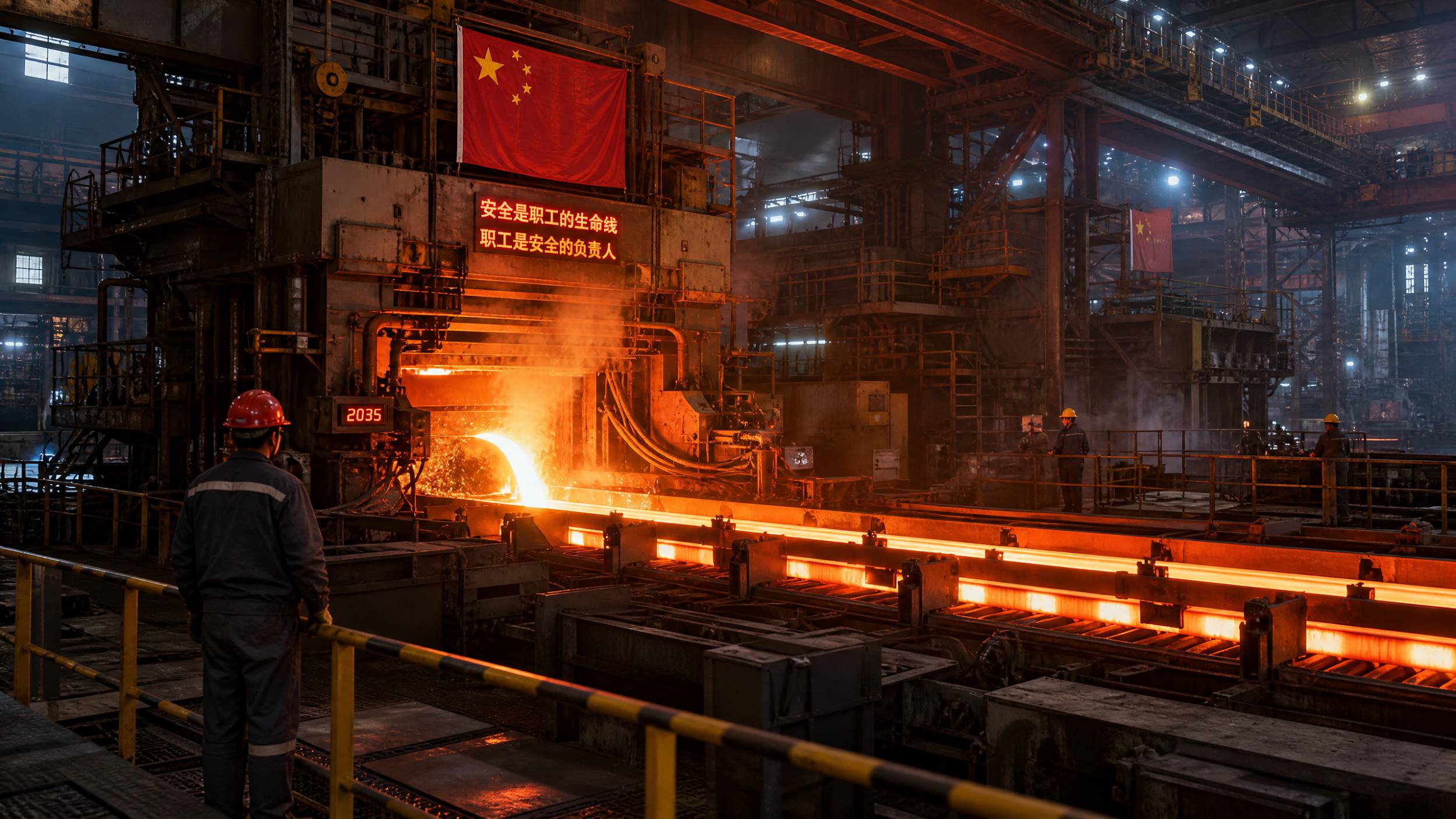
Our factory partners utilize state-of-the-art continuous casting technology to produce steel billets with a highly uniform internal structure.
The production of steel billets is a marvel of modern engineering. In 2026, the vast majority of billets are produced through continuous casting. In this process, molten steel is poured from a ladle into a tundish and then into a water-cooled copper mold. As the steel passes through the mold, it begins to solidify into a continuous strand. This strand is then cooled further by water sprays and cut into the desired lengths by flying shears or torches. This method is far more efficient than traditional ingot casting and results in a much more uniform product.
Heat Treatment and Microstructure Control
After casting, steel billets often undergo heat treatment to achieve specific mechanical properties. This process involves heating the billets to a precise temperature and then cooling them at a controlled rate. For example, normalizing involves cooling the billets in still air to create a uniform grain structure of pearlite and ferrite. This careful control of the microstructure is what allows the final steel products to meet the rigorous demands of modern engineering and responsible steel practices.
How to Buy Steel Billets: A Procurement Guide
Buying steel billets in bulk requires a deep understanding of the market and a commitment to quality. In 2026, the process has become more transparent, but it still requires a professional approach to avoid common pitfalls. Whether you are a large-scale manufacturer or a specialized rolling mill, following a structured procurement process is essential for your success stories. Working with an experienced partner like Camasteel ensures that every step of your purchase is handled with expertise.
The Procurement Journey
- Define Your Technical Needs: Clearly specify the grade, dimensions, and chemical composition required for your final products.
- Select a Verified Mill: Choose a mill with a proven track record of quality and reliability in the international market.
- Request a Comprehensive Quote: Ensure the quote covers the price, lead times, and all relevant shipping terms.
- Insist on Quality Documentation: Always require a Mill Test Certificate (MTC) and consider third-party inspections before shipment.
- Coordinate Logistics: Work with a logistics expert to manage the shipping and delivery of your billets to their final destination.
Packaging and Shipping for Global Export
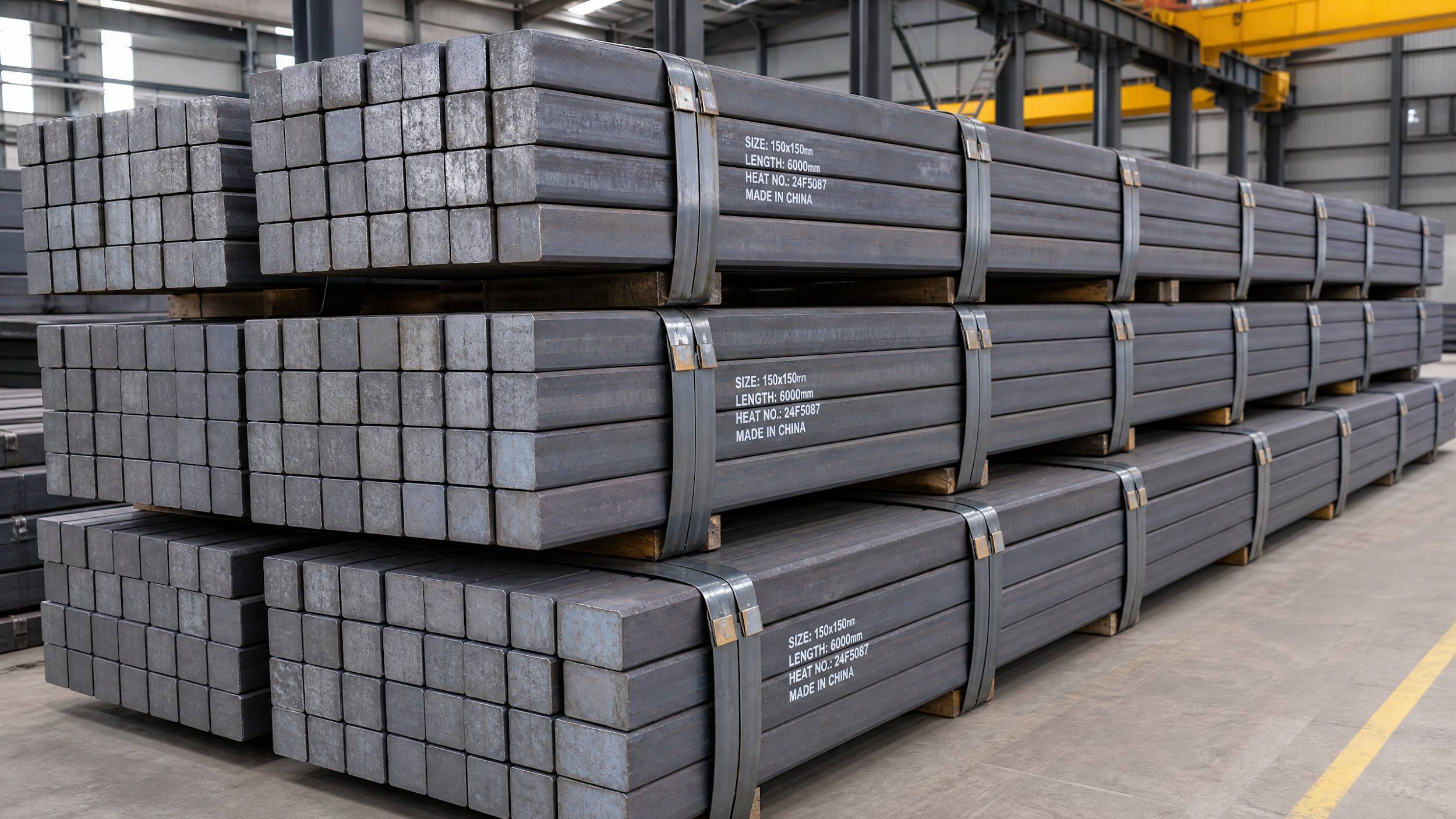
We ensure that every bundle of steel billets is securely strapped and clearly labeled to facilitate efficient handling and transport.
Once your steel billets are produced, ensuring they reach your facility in perfect condition is the final challenge. Billets are typically shipped in large bundles, secured with heavy-duty steel straps to prevent movement during transit. While they are relatively robust, proper handling is still essential to avoid surface damage that could affect the quality of the final rolled products. At Camasteel, we take great pride in our packaging and logistics processes, ensuring that your order arrives exactly as expected.
Efficient Logistics and Port Handling
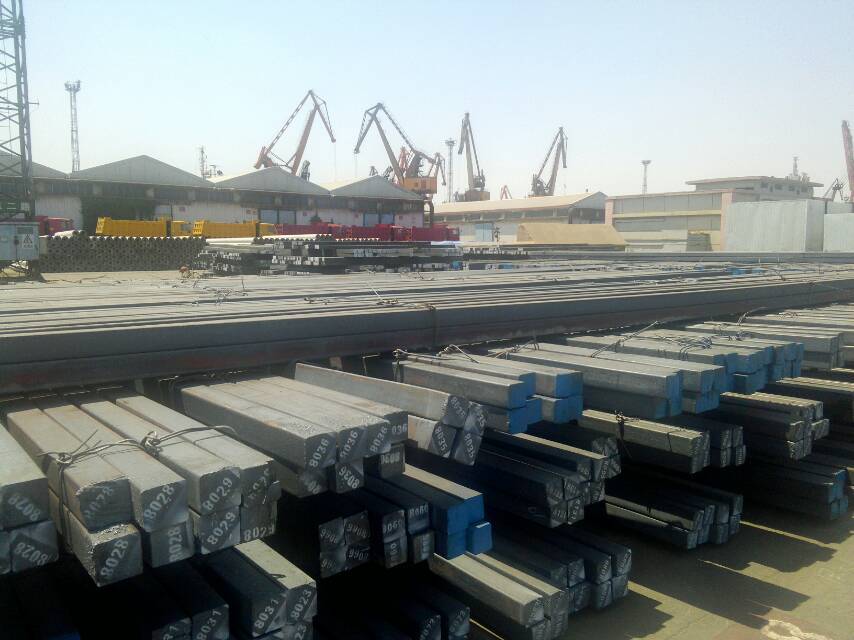
Our world-class logistics network manages the efficient loading and transport of steel billets to major ports worldwide.
Shipping thousands of tons of steel billets requires a sophisticated logistics operation. Most international shipments are handled as break-bulk cargo on large ocean-going vessels. This requires careful coordination with port authorities and stevedores to ensure the billets are loaded and secured correctly. Our team’s deep experience in international trade means you can source your billets with the confidence that your shipment will be handled professionally from the mill to your doorstep.
People Also Ask: Steel Billet FAQ
What is the difference between a billet, a bloom, and a slab?
The primary difference is the size and shape of the cross-section. Steel billets are typically square and have a cross-section of less than 155mm x 155mm. Blooms are larger square or rectangular sections, while slabs are much wider and flatter, used primarily for rolling into plates and coils.
Can steel billets be recycled?
Absolutely. Steel is one of the most recycled materials in the world. Old steel scrap can be melted down in an Electric Arc Furnace (EAF) and cast into new steel billets, which can then be processed into new products. This circular economy is a key part of the industry’s move toward more sustainable production.
Why is China the leading producer of steel billets?
China’s massive investment in modern, high-capacity steel mills and its robust infrastructure have made it the world’s largest producer. The scale of the Chinese industry allows for significant cost efficiencies and the ability to produce a wide range of grades and sizes to meet global demand.
How do I verify the quality of a steel billet shipment?
The most important document is the Mill Test Certificate (MTC), which provides the chemical and mechanical properties of the steel. Additionally, you can hire third-party inspection services like SGS or BV to perform visual inspections and independent testing before the billets are loaded for shipment.
Conclusion: Secure Your Supply of High-Quality Steel Billets
Securing a reliable supply of steel billets is a fundamental requirement for any successful rolling mill or manufacturing operation. By understanding the technical specifications, the manufacturing process, and the best practices for procurement, you can ensure that your business has the high-quality feedstock it needs to thrive. In 2026, the global steel market offers incredible opportunities for those who know how to navigate it with professional expertise.
At Camasteel, we are dedicated to helping our clients succeed by providing the best steel products and procurement support in the industry. Our team is ready to help you find the perfect billets for your specific needs. Contact us today to discuss your requirements and get a free, no-obligation quote for your next order.
Industrial Buyers: Planning to Buy Steel from China?
✅ Do you know your steel specifications?
✅ Are you buying large quantities of steel?
✅ Do you need support to check if your supplier is a real steel mill (not trader)?
✅ Do you need factory verification before you pay a large deposit?
✅ Do you need pre-shipment inspection to make sure the steel grade is correct?
If yes, you may be handling a serious steel purchase. [Share Your Requirements]