Blast furnace steel billets are semi-finished steel products used in the production of rebar, wire rod, structural sections, and forged components. They are commonly purchased by rolling mills, manufacturers, and construction material suppliers that require consistent chemical composition, dimensional accuracy, and reliable mechanical properties.
When sourcing steel billets, buyers typically evaluate:
- Steel grade and standards compliance
- Billet dimensions and tolerance
- Surface quality and defect control
- Chemical composition
- Heat number traceability
- Mill origin and production method
- Delivery schedule and export logistics
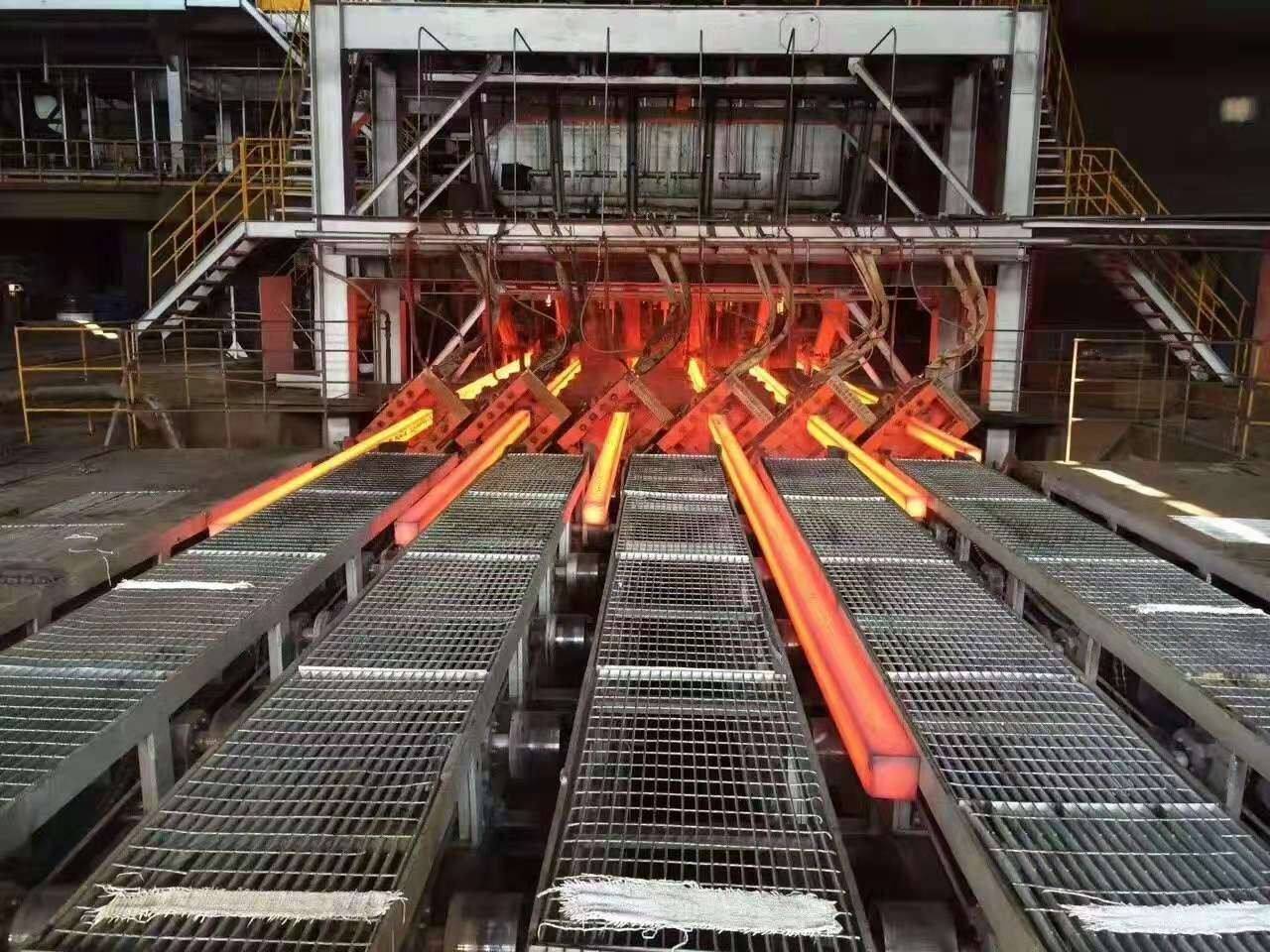
Freshly cast hot steel billets straight from the continuous casting process at a modern steel mill.
Our procurement experts work directly with top Chinese mills to ensure every batch of steel billets meets the highest international quality standards. In 2026, the global demand for high-quality billets continues to grow, driven by massive infrastructure projects and the expansion of the manufacturing sector.
What Are Blast Furnace Steel Billets?
- Blast furnace steel billets are semi-finished steel products with a square or rectangular cross-section.
They are not final products and require further processing such as:
- hot rolling
- cold drawing
- forging
- Billets are typically produced through continuous casting using molten iron from a blast furnace.
They serve as the raw material for downstream steel products such as:
- rebar
- wire rods
- structural sections
- engineering components
The Role of Billets in Steel Production
- Steel billets act as the link between molten steel production and finished steel manufacturing.
They allow manufacturers to:
- store semi-finished steel inventory
- transport steel efficiently across markets
- process material later based on production demand
- Billets are commonly shipped from steel mills to rolling mills or manufacturers for final conversion.
Reliable billet quality is critical for:
- dimensional consistency
- chemical composition control
- downstream production efficiency
- supply chain stability
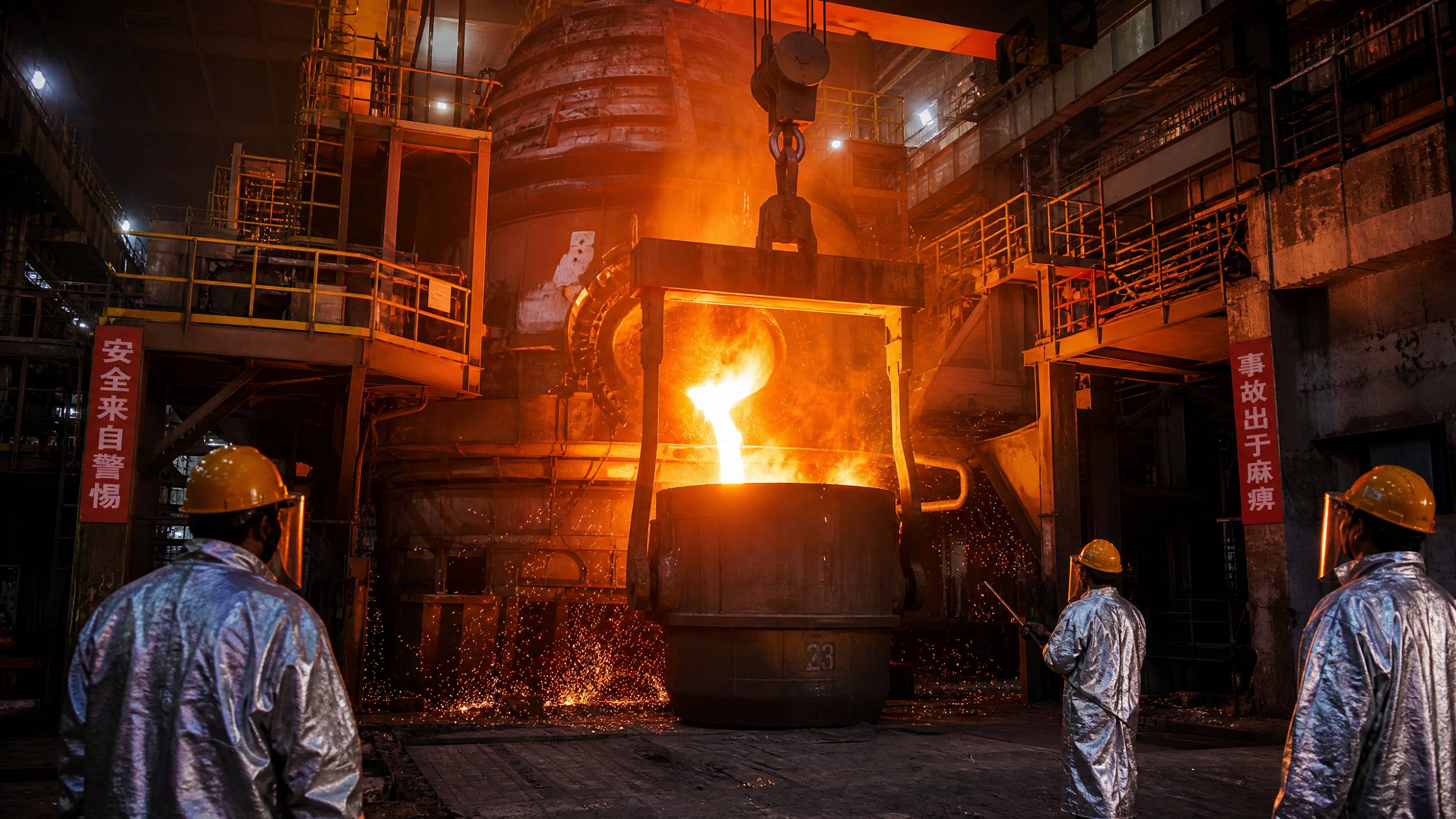
The blast furnace process is the first critical step in producing high-purity iron for premium steel billet manufacturing.
Technical Specifications and Standard Sizes
When you look to source blast furnace steel billets, understanding the technical specifications is absolutely crucial for your project’s success. Billets are categorized by their dimensions, chemical composition, and the international standards they meet. Chinese steel mills supplying export billets have improved production consistency through tighter dimensional control, better continuous casting processes, and stricter quality inspection standards.
In 2026, the most common sizes in international trade are square sections ranging from 100mm to 150mm. These dimensions are carefully controlled to ensure they fit perfectly into the heating furnaces of modern rolling mills. Working with the best steel companies in China ensures you receive billets with exact specifications.
Common Grades and Chemical Composition
The performance of the final steel product is directly linked to the chemical makeup of the steel billets. Common grades like 3SP and 5SP are widely used for general construction and structural purposes. These grades are defined by their carbon, manganese, and silicon content, which determine strength.
For more specialized applications, alloy billets containing elements like chromium or nickel are used to provide enhanced performance. These materials are essential for responsible steel practices, ensuring that the final products are durable and safe for long-term infrastructure use. Every grade serves a specific industrial purpose.
2026 Steel Billet Specification and Price Reference Table
| Grade | Common Sizes (mm) | Typical Application | Estimated Price (USD/ton) |
| 3SP | 130×130, 150×150 | Rebar, Wire Rods, Small Sections | $470 – $485 |
| 5SP | 130×130, 150×150 | High-Strength Rebar, Structural Steel | $480 – $495 |
| Q235 | 100×100, 120×120 | General Purpose Mild Steel Products | $465 – $480 |
| Q275 | 130×130, 150×150 | Heavy-Duty Structural Components | $485 – $505 |
| Alloy Steel | Custom Sizes | Specialized Machinery, Automotive Parts | $550+ |
Need help sourcing steel from China? Our team helps international buyers compare steel mills, verify certifications, inspect factories, confirm technical specifications, and secure mill-direct pricing before payment. Share your project requirements today for quotation support and supplier evaluation.
WhatsApp Us for Free a Consultation
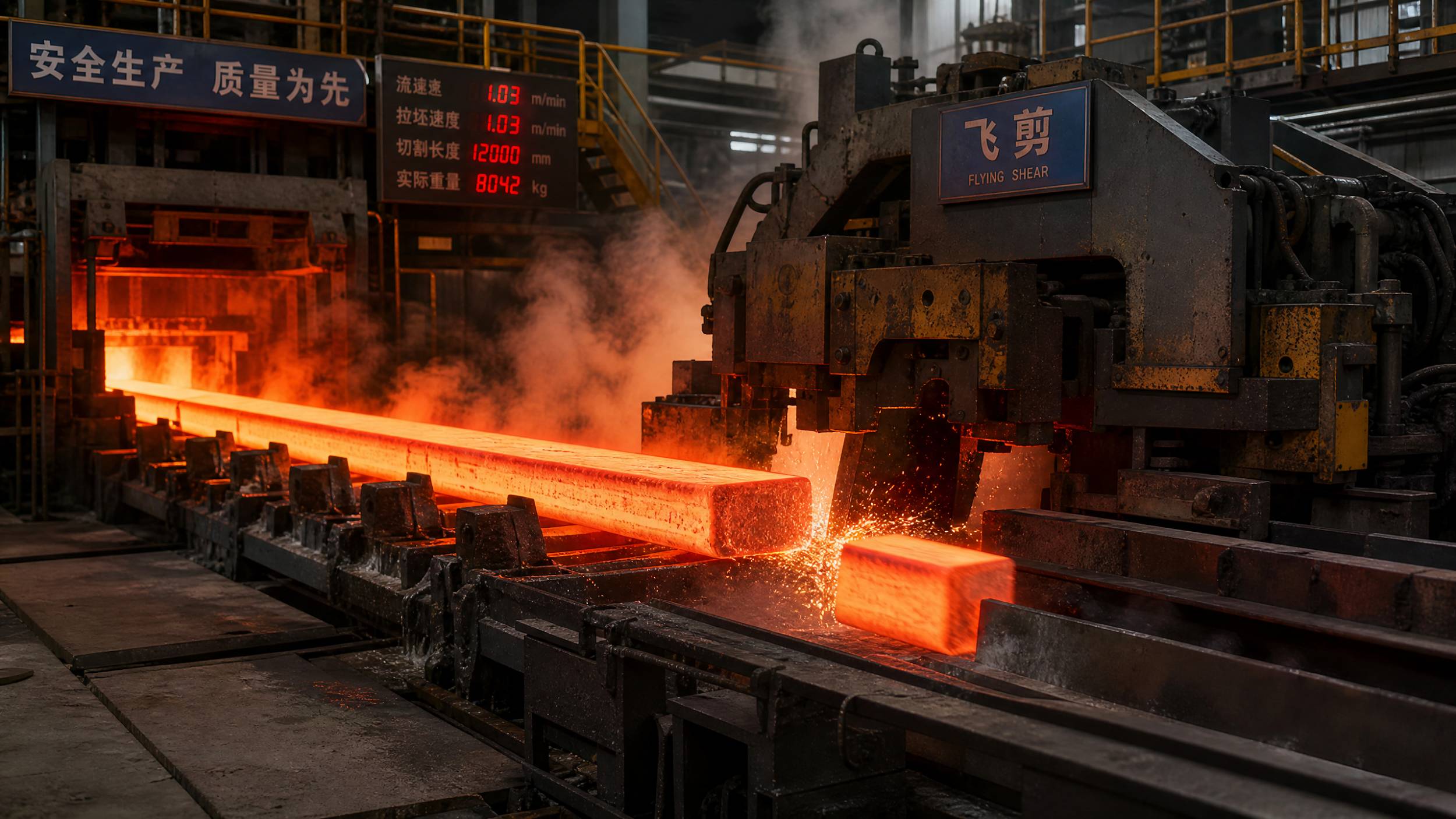
Continuous casting technology ensures a highly uniform internal structure and consistent surface quality for every steel billet produced.
Steel Billet Manufacturing Process
- Most steel billets are produced using continuous casting, the standard method in modern steel mills.
This process is preferred over traditional ingot casting because it improves:
- dimensional consistency
- surface quality
- production efficiency
Typical production steps include:
- Molten steel is poured into a water-cooled copper mold.
- The steel begins to solidify into a continuous strand.
- Water spray cooling further reduces temperature and stabilizes the billet.
- The strand is cut into required billet lengths using automated cutting systems.
Process control is critical to ensure:
- consistent chemical composition
- structural integrity
- export-grade billet quality for downstream manufacturing
Heat Treatment and Microstructure Control
After casting, steel billets often undergo heat treatment to achieve specific mechanical properties for their final application. This process involves heating the billets to a precise temperature and then cooling them at a carefully controlled rate. This ensures the steel has the correct grain structure.
For example, normalizing involves cooling the billets in still air to create a uniform grain structure of pearlite and ferrite. This careful control of the microstructure is what allows the final steel products to meet rigorous demands. These technical details are why we have so many success stories globally.
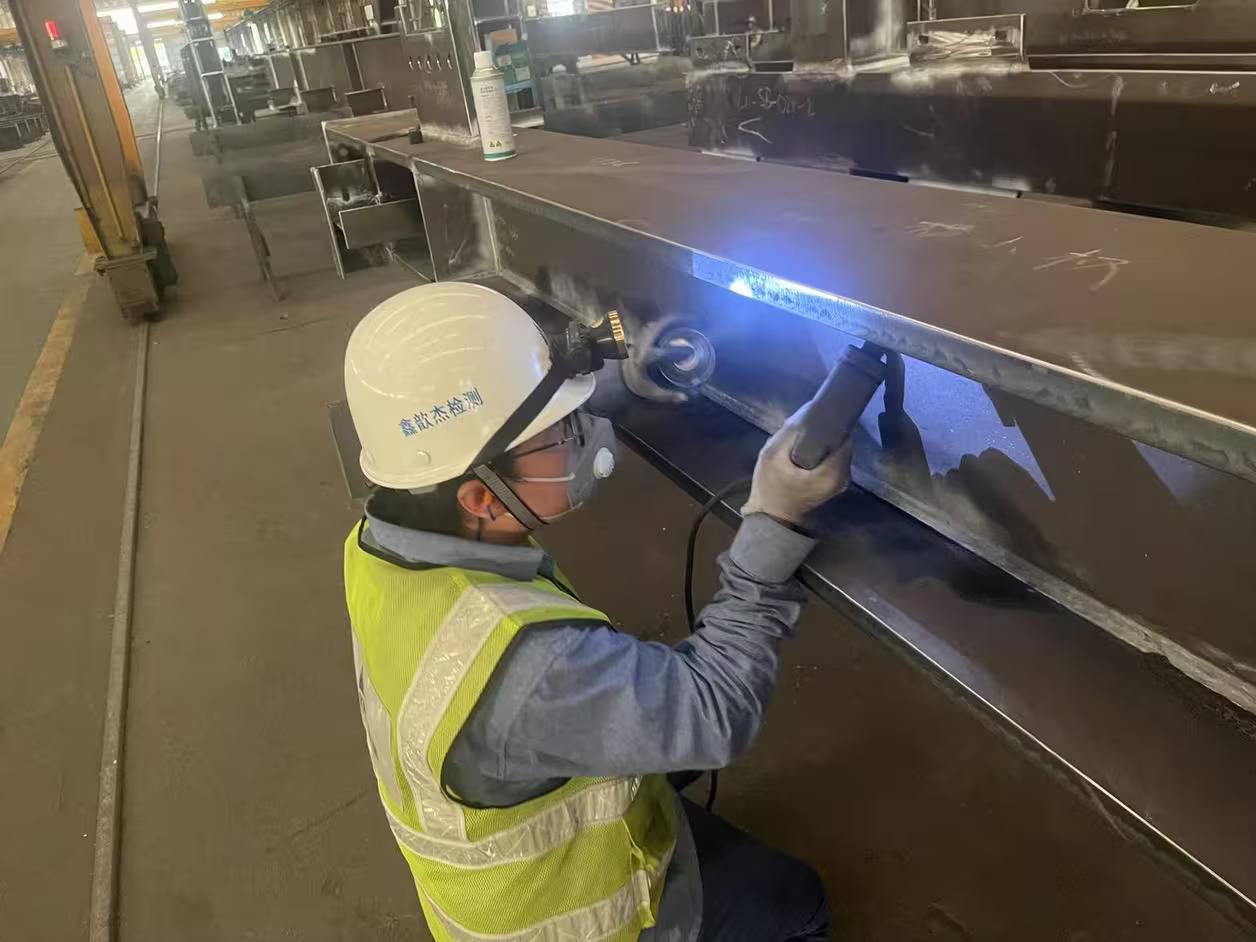
Rigorous quality control protocols, including laser measurement and surface inspection, are mandatory for all export-grade steel billets.
How to Buy Steel Billets: A Procurement Guide
Bulk steel billet procurement depends on evaluating supplier reliability, grade consistency, pricing structure, production capacity, and delivery timelines. Before placing large-volume orders, buyers typically review mill certificates, chemical composition, dimensional tolerances, surface quality, and export logistics capability.
Whether you are a large-scale manufacturer or a specialized rolling mill, you must verify every detail of your order. Working with an experienced partner ensures that every step of your purchase is handled with expertise. We manage everything from mill selection to final delivery, protecting your investment at every stage.
The Procurement Journey
- Define Your Technical Needs:
Clearly specify the grade, dimensions, and chemical composition required for your final products.
- Select a Verified Mill:
Choose a mill with a proven track record of quality and reliability in the international market.
- Request a Comprehensive Quote:
Ensure the quote covers the price, lead times, and all relevant shipping terms like FOB or CIF.
- Insist on Quality Documentation:
Always require a Mill Test Certificate (MTC) and consider third-party inspections before shipment.
- Coordinate Logistics:
Work with a logistics expert to manage the shipping and delivery of your billets to their final destination.
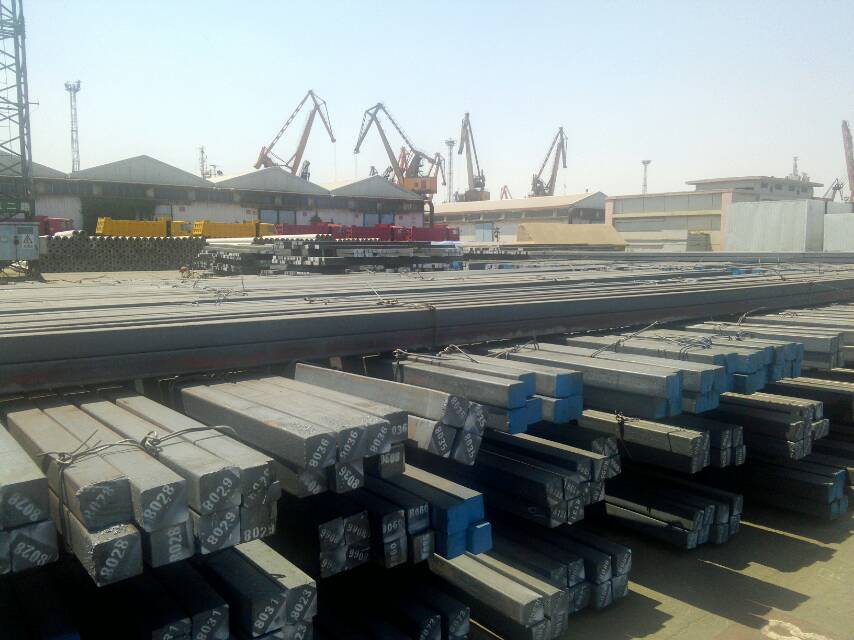
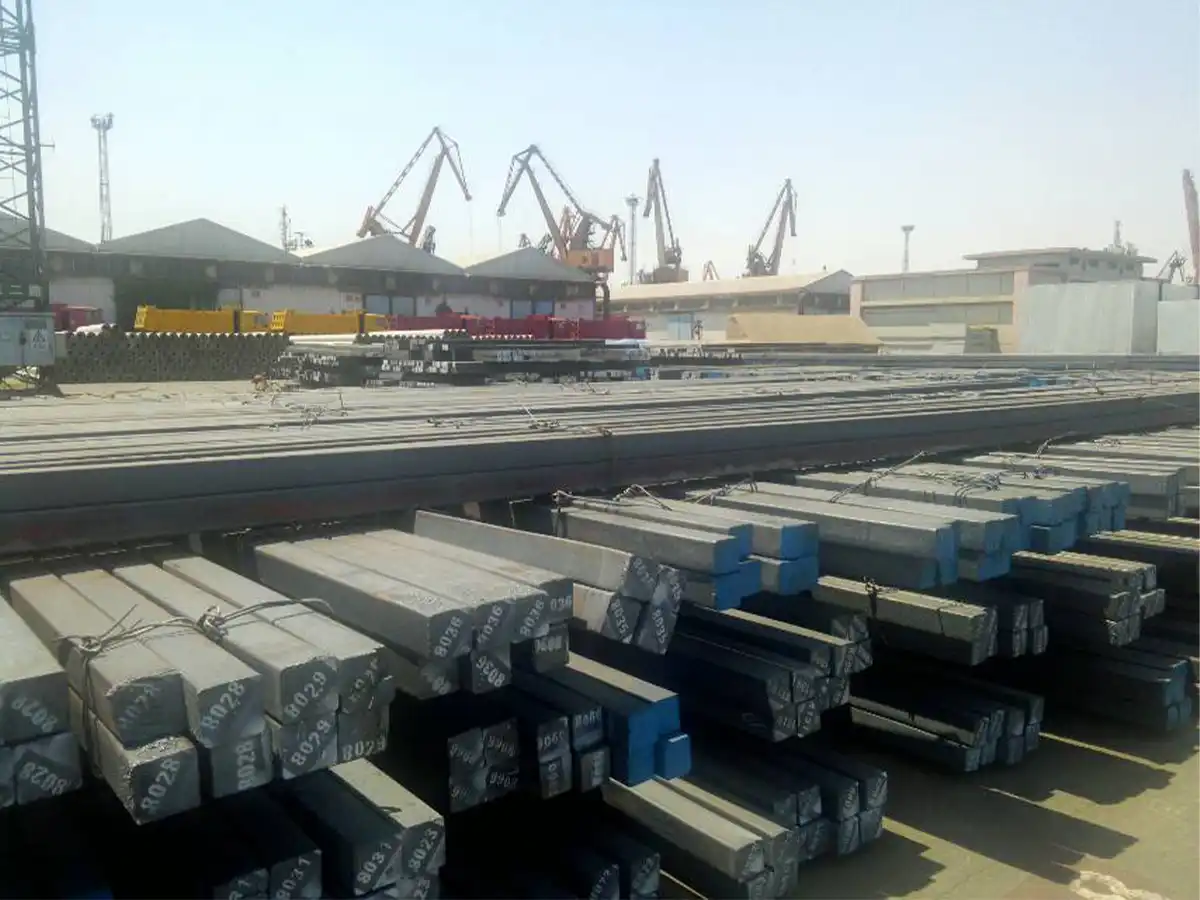
Efficient port handling and secure loading are vital to ensure that heavy steel billets reach international destinations without damage.
People Also Ask: Steel Billet FAQ
What is the difference between a billet, a bloom, and a slab?
The primary difference is the size and shape of the cross-section of the semi-finished product. Steel billets are typically square and have a cross-section of less than 155mm x 155mm. Blooms are larger square or rectangular sections, while slabs are much wider and flatter, used primarily for rolling into plates.
Can blast furnace steel billets be recycled?
Absolutely, steel is one of the most recycled materials in the world and can be reused indefinitely. Old steel scrap can be melted down in an Electric Arc Furnace (EAF) and cast into new steel billets. This circular economy is a key part of the industry’s move toward more sustainable production.
Why is China the leading producer of steel billets?
China’s massive investment in modern, high-capacity steel mills and its robust infrastructure have made it the global leader. The scale of the Chinese industry allows for significant cost efficiencies and the ability to produce a wide range of grades. This ensures they can meet the diverse needs of global buyers.
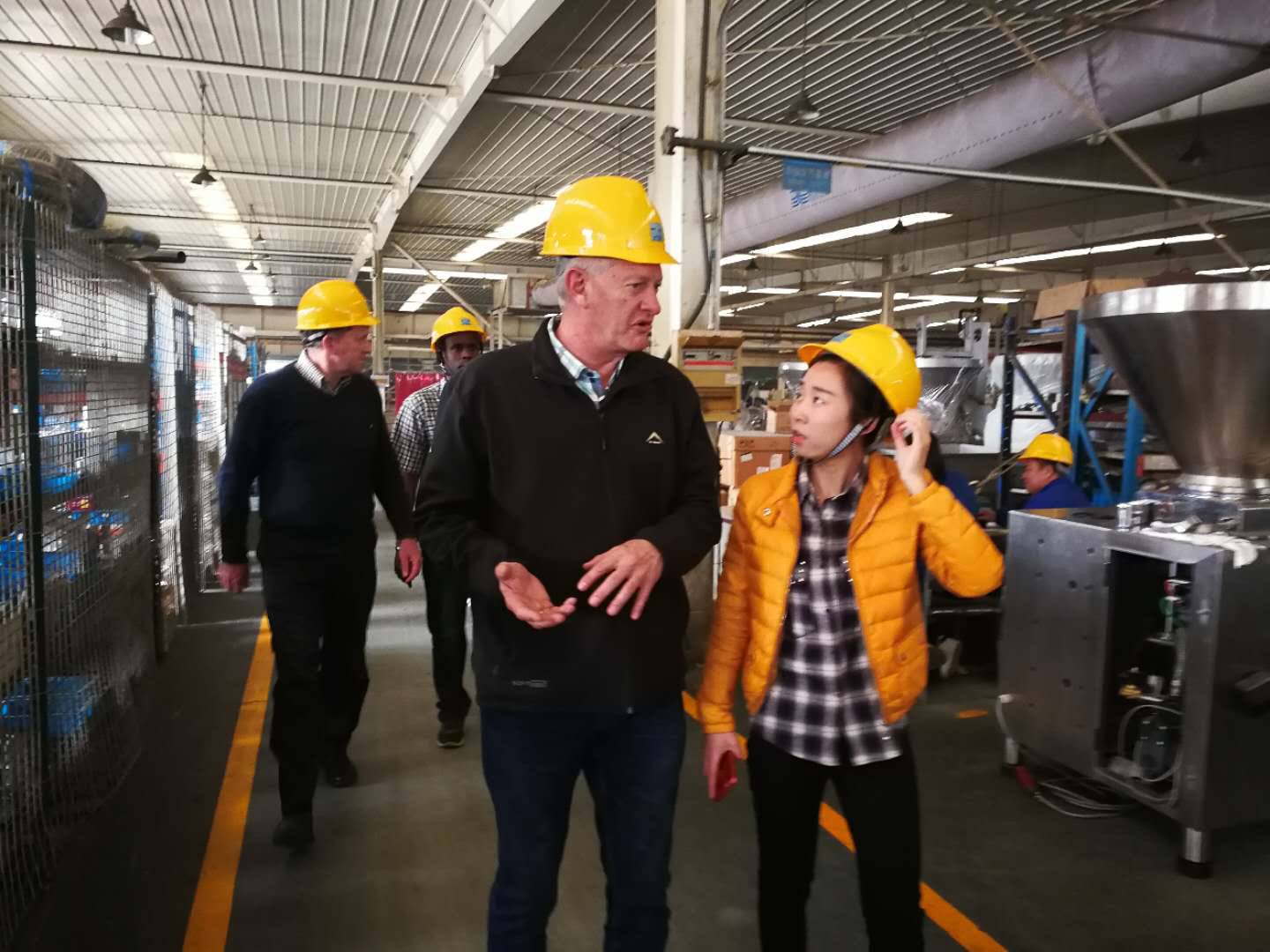
Strategic partnerships and clear communication are the foundations of successful international steel procurement and supply chain management.
Conclusion: Secure Your Supply of High-Quality Steel Billets
Securing a reliable supply of steel billets is a fundamental requirement for any successful rolling mill operation. By understanding the technical specifications and the manufacturing process, you can ensure that your business has the high-quality feedstock it needs to thrive. The global market offers incredible opportunities for professional buyers.
At Camasteel, we are dedicated to helping our clients succeed by providing the best steel products and procurement support. Our team is ready to help you find the perfect billets for your specific needs. Contact us today to discuss your requirements and get a free, no-obligation quote for your next order.
Industrial Buyers: Planning to Buy Steel from China?
✅ Do you know your steel specifications?
✅ Are you buying large quantities of steel?
✅ Do you need support to check if your supplier is a real steel mill (not trader)?
✅ Do you need factory verification before you pay a large deposit?
✅ Do you need pre-shipment inspection to make sure the steel grade is correct?
If yes, you may be handling a serious steel purchase. [Share Your Requirements]