
In the vast and complex world of industrial materials, steel stands as a fundamental pillar, literally and figuratively, supporting everything from towering skyscrapers to critical infrastructure. For projects in the United States, adhering to specific quality and performance benchmarks is not just good practice—it’s often a legal and safety imperative. This is where the USA ASTM Steel Standards come into play, setting the bar for reliability, durability, and safety.

Global steel procurement experts discussing ASTM compliant solutions
But what exactly are ASTM standards, and how do they compare to other global benchmarks, particularly those from a major steel producer like China? For international buyers, understanding these distinctions is absolutely crucial. It directly impacts your project’s integrity, budget, and compliance.
This comprehensive guide will demystify ASTM standards, compare them with Chinese GB standards, and provide you with a clear roadmap on how to confidently buy steel that meets American requirements.
What Are ASTM Steel Standards?
ASTM International, formerly known as the American Society for Testing and Materials, is one of the world’s largest and most respected organizations for developing and publishing voluntary consensus technical standards for a wide range of materials, products, systems, and services.
For steel, ASTM standards provide detailed specifications for chemical composition, mechanical properties, testing methods, and manufacturing processes. These standards are universally recognized and adopted across various industries in the USA and globally, ensuring consistency and quality.
- Voluntary Consensus:
ASTM standards are developed through a consensus process involving producers, users, consumers, government, and academia, ensuring they reflect current best practices and technological advancements.
- Comprehensive Coverage:
There are thousands of ASTM standards, covering virtually every type of steel product, from structural shapes and plates to pipes, tubes, and fasteners.
- Ensuring Reliability:
Adherence to ASTM standards provides assurance that steel products will perform as expected under specified conditions, crucial for safety and longevity in construction and manufacturing.
The Global Reach of Chinese Steel and GB Standards
China’s steel industry is the largest in the world, producing an immense volume and variety of steel products. The primary domestic framework for Chinese steel is the Guobiao (GB) standards.
These national standards cover a vast spectrum of steel types and applications, continuously evolving to keep pace with industrial growth and technological innovation. While GB standards govern domestic production, many Chinese mills are also equipped to produce steel according to international standards like ASTM, EN, or JIS, especially for export markets.
- Massive Production Capacity:
China’s steel mills possess an unparalleled capacity, making them a go-to source for large-scale projects requiring significant volumes of steel.
- Diverse Product Portfolio:
From common construction steel to highly specialized alloys, Chinese suppliers offer an incredibly broad range of products, often at competitive prices due to economies of scale.
- Evolving Standards:
GB standards are comprehensive and regularly updated, reflecting China’s commitment to quality and technological advancement in its steel sector.
USA ASTM Steel Standards vs. China Steel Standards (GB): A Critical Comparison
When sourcing steel for projects in the United States, a thorough understanding of the differences and equivalencies between USA ASTM and Chinese GB standards is absolutely essential. While both systems aim to ensure quality, their approaches, specific requirements, and common applications can vary. Let’s break down the key aspects you need to consider.
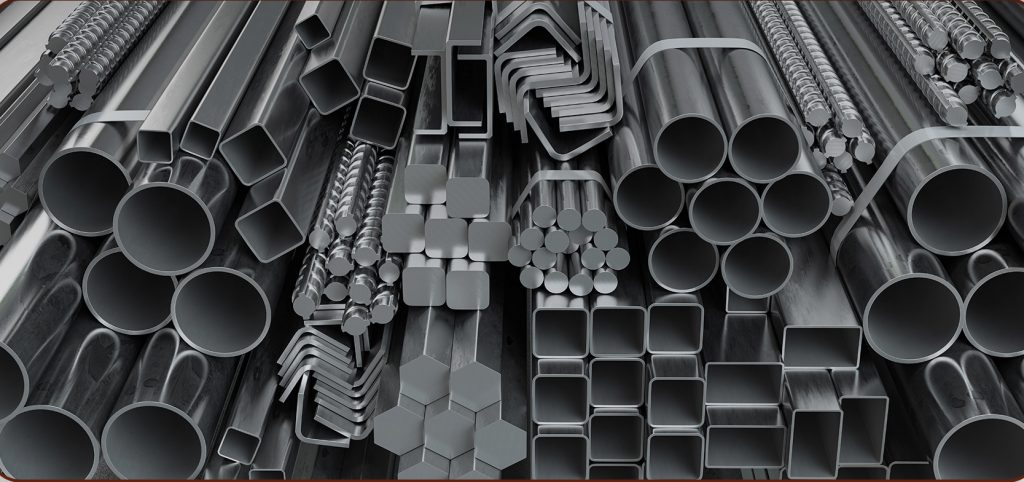
Comprehensive range of steel products for construction and industrial use
1. Material Specifications: Chemical Composition and Mechanical Properties
Both ASTM and GB standards define the chemical composition and mechanical properties (like yield strength, tensile strength, and elongation) of steel. However, the exact values and testing methods can differ, making direct comparisons complex.
- ASTM Precision:
ASTM standards, such as ASTM A36 for carbon structural steel or ASTM A572 for high-strength low-alloy structural steel, provide precise requirements for chemical elements and mechanical performance. For instance, ASTM A36 specifies a minimum yield strength of 36 ksi (250 MPa), while ASTM A572 Grade 50 requires a minimum yield strength of 50 ksi (345 MPa).
- GB Equivalents:
Chinese GB standards have equivalent grades, but they may not always be a direct one-to-one match. For example, GB/T 700 Q235 is often considered an equivalent to ASTM A36, both having a minimum yield strength around 235-250 MPa. Similarly, GB/T 1591 Q345B is comparable to ASTM A572 Grade 50, with a minimum yield strength of 345 MPa.
However, minor differences in chemical composition or other properties might exist, necessitating careful review.
2. Dimensional Tolerances and Shapes
Dimensional accuracy is crucial for fabrication and structural fit-up. Both standards specify tolerances, but their strictness can vary.
- ASTM Consistency:
ASTM standards for structural shapes (e.g., ASTM A6 for rolled structural steel) and hollow structural sections (e.g., ASTM A500) define specific dimensional tolerances. These are critical for ensuring that components fit together correctly during construction, minimizing rework and ensuring structural integrity.
- GB Tolerances:
GB standards, such as GB/T 6728 for cold-formed structural steel hollow sections, also provide dimensional tolerances. While generally robust, it’s vital to ensure that the GB-compliant steel meets the specific tighter tolerances often required by ASTM for certain applications, especially when importing for US projects.
3. Testing Protocols and Certification
The methods used to test steel and the documentation provided are fundamental to quality assurance. This is where diligent verification becomes paramount.
- ASTM Verification:
Compliance with ASTM standards is typically verified through comprehensive Mill Test Certificates (MTCs) issued by the producing mill. These MTCs detail the steel’s chemical composition, mechanical properties, and compliance with the specific ASTM standard.
For critical applications, independent third-party testing by accredited laboratories is often recommended.
- GB Testing:
Chinese mills issue MTCs based on GB testing protocols. When sourcing for US projects, it is imperative that these MTCs explicitly state compliance with the relevant ASTM standards and are verifiable.
Relying solely on GB standards without explicit ASTM compliance can lead to issues. Independent third-party inspection services are highly recommended to confirm both the MTC data and the physical product’s conformity.
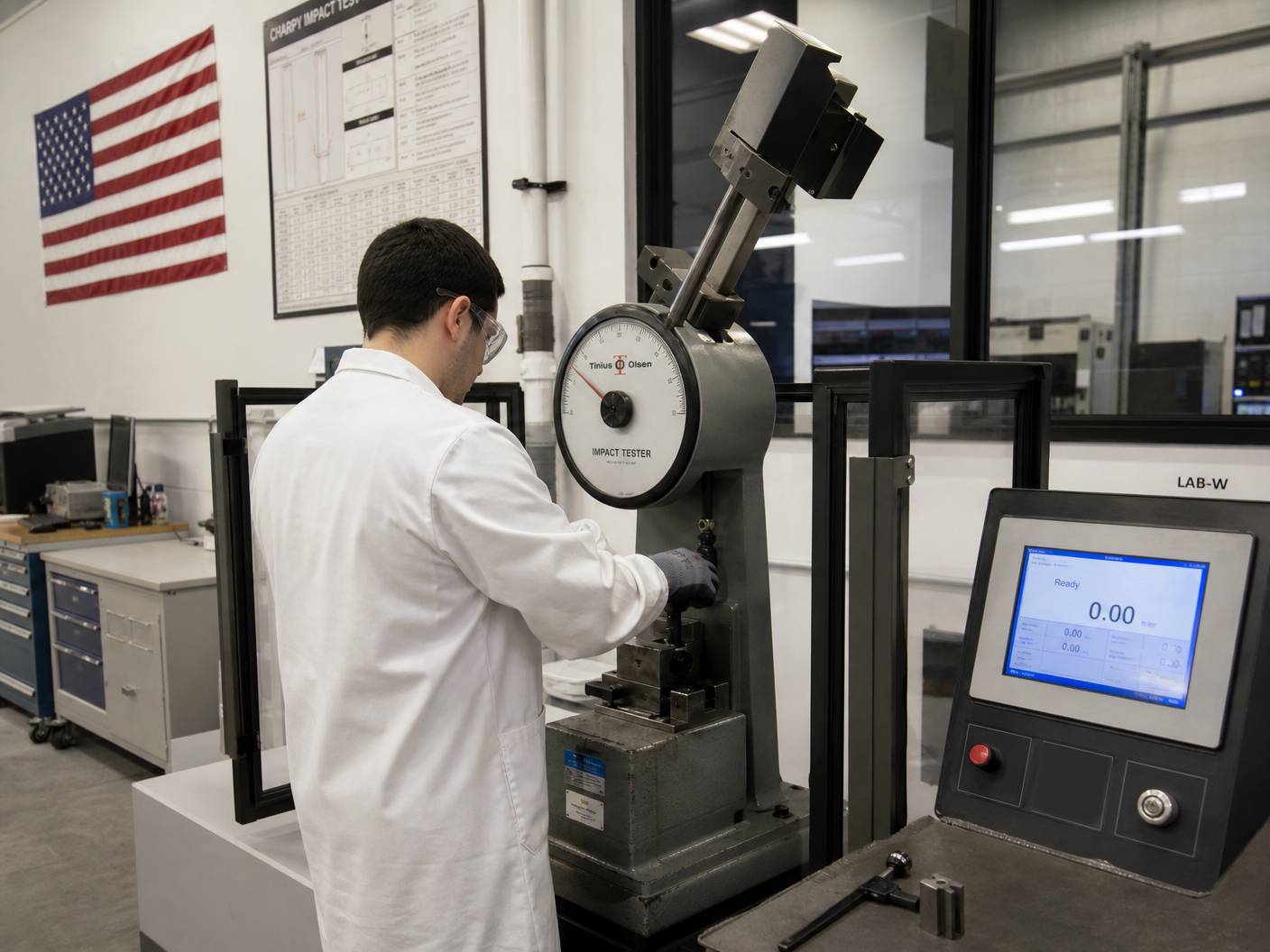
Rigorous quality testing to ensure compliance with ASTM steel standards
4. Weldability and Fabrication Considerations
Weldability is a key characteristic for structural steel, directly influencing the ease and safety of fabrication. Differences in chemical composition can affect how steel behaves during welding.
- ASTM Weldability:
ASTM standards often consider weldability in their specifications, providing guidelines for carbon equivalent values (CEV) and other elements that influence how steel responds to welding processes. This helps ensure predictable and reliable welds in US fabrication practices.
- GB Weldability:
Chinese steels are generally designed to be weldable. However, due to potential slight variations in chemical composition compared to ASTM equivalents, it’s always wise to consult with your fabricator. They may need to adjust welding procedures to achieve optimal results and prevent issues like cracking or reduced joint strength. Always ensure the steel’s weldability is compatible with your project’s specific fabrication methods.
How to Buy Steel Meeting USA ASTM Standards: A Practical Guide
Sourcing steel, especially from international markets like China, for projects requiring USA ASTM standards demands a meticulous and informed approach. Here’s a step-by-step guide to ensure your procurement process is successful and compliant.

USA ASTM Steel Standards for structural steel products
Step 1: Precisely Define Your ASTM Steel Specifications
Before initiating any contact with suppliers, you must have an absolutely clear and detailed understanding of the specific ASTM standards your project requires. This includes the exact ASTM designation (e.g., ASTM A36, ASTM A572 Grade 50, ASTM A500 Grade B), the precise steel grade, exact dimensions, the required quantity, and any additional mechanical or chemical properties that are critical. Provide these specifications in explicit detail to all potential suppliers to avoid any ambiguity.
Step 2: Identify and Thoroughly Vet Suppliers with ASTM Expertise
Seek out Chinese steel mills or trading companies that possess a proven track record of supplying steel explicitly compliant with ASTM standards. Look for suppliers who regularly export to the USA and are intimately familiar with ASTM requirements and the associated documentation.
It’s crucial to verify their experience and capability to produce or source steel that meets your exact specifications. Consider partnering with experienced sourcing experts, such as Camasteel, who can significantly assist you in vetting suppliers, verifying their certifications, and ensuring their adherence to stringent ASTM standards.
Step 3: Mandate Comprehensive Mill Test Certificates (MTCs) with ASTM Compliance
Always demand Mill Test Certificates (MTCs) that explicitly state compliance with the relevant ASTM standards, not just GB standards. These certificates are your primary documentation for verifying the steel’s chemical composition, mechanical properties, and heat treatment for the specific batch. Verify the authenticity of these documents and meticulously cross-reference them with your specified requirements. For critical applications, requesting MTCs from an independent, accredited laboratory provides an invaluable layer of assurance.
Step 4: Implement Independent Third-Party Inspections
To proactively mitigate risks and ensure quality, engage an independent third-party inspection agency (e.g., SGS, Bureau Veritas) to conduct thorough pre-shipment inspections at the mill. This inspection should meticulously verify dimensions, quantity, visual quality, and crucially, confirm that the MTCs accurately match the physical product. This vital step helps confirm compliance before the steel even leaves the factory, saving you potential headaches and costs down the line.
Step 5: Understand US Import Regulations and Trade Policies
The United States has specific import regulations and can impose anti-dumping and countervailing duties on certain steel products from various countries, including China. It is absolutely essential to stay informed about these duties and regulations to avoid unexpected costs, delays, and potential legal issues. Consult with experienced customs brokers or trade experts who are well-versed in US import laws to ensure full compliance and a smooth importation process.
Key Differences: USA ASTM Steel Standards vs. China Steel Standards (GB)
To provide a clear and concise overview, here’s a comparative table summarizing the key distinctions when sourcing steel for projects requiring USA ASTM standards:
| Feature | USA ASTM Standards | China Standards (GB) |
| Primary Focus | Voluntary consensus standards for quality, safety, and performance in the USA | Comprehensive national standards for domestic production and export |
| Common Standards | ASTM A36 (Carbon Steel), ASTM A572 (HSLA Steel), ASTM A500 (HSS) | GB/T 700 (Carbon Steel), GB/T 1591 (HSLA Steel), GB/T 6728 (HSS) |
| Yield Strength | Specific minimums (e.g., A36: 250 MPa, A572 Gr 50: 345 MPa) | Equivalent grades exist (e.g., Q235: 235 MPa, Q345: 345 MPa) |
| Tolerances | Generally precise dimensional and straightness tolerances | Can be slightly broader; ASTM tolerances must be explicitly specified |
| Certification | MTCs explicitly stating ASTM compliance; third-party verification common | MTCs based on GB standards; ASTM compliance needs explicit statement and verification |
| Weldability | Specifications often consider weldability for US fabrication practices | Generally weldable, but may require procedure adjustments for optimal results |
| Regulatory Env. | Subject to US import regulations, anti-dumping duties possible | Export-oriented, but subject to import duties in other countries |
Need help sourcing steel from China? Our team helps international buyers compare steel mills, verify certifications, inspect factories, confirm technical specifications, and secure mill-direct pricing before payment. Share your project requirements today for quotation support and supplier evaluation.
WhatsApp Us for Free a Consultation
Why Choose Camasteel for Your ASTM Compliant Steel Procurement?
Navigating the intricate landscape of international steel procurement, especially when strict adherence to USA ASTM Steel Standards is required, can be incredibly challenging. At Camasteel, we specialize in simplifying this complex process for our clients, ensuring that every steel product sourced meets the highest quality and compliance benchmarks demanded by American projects.
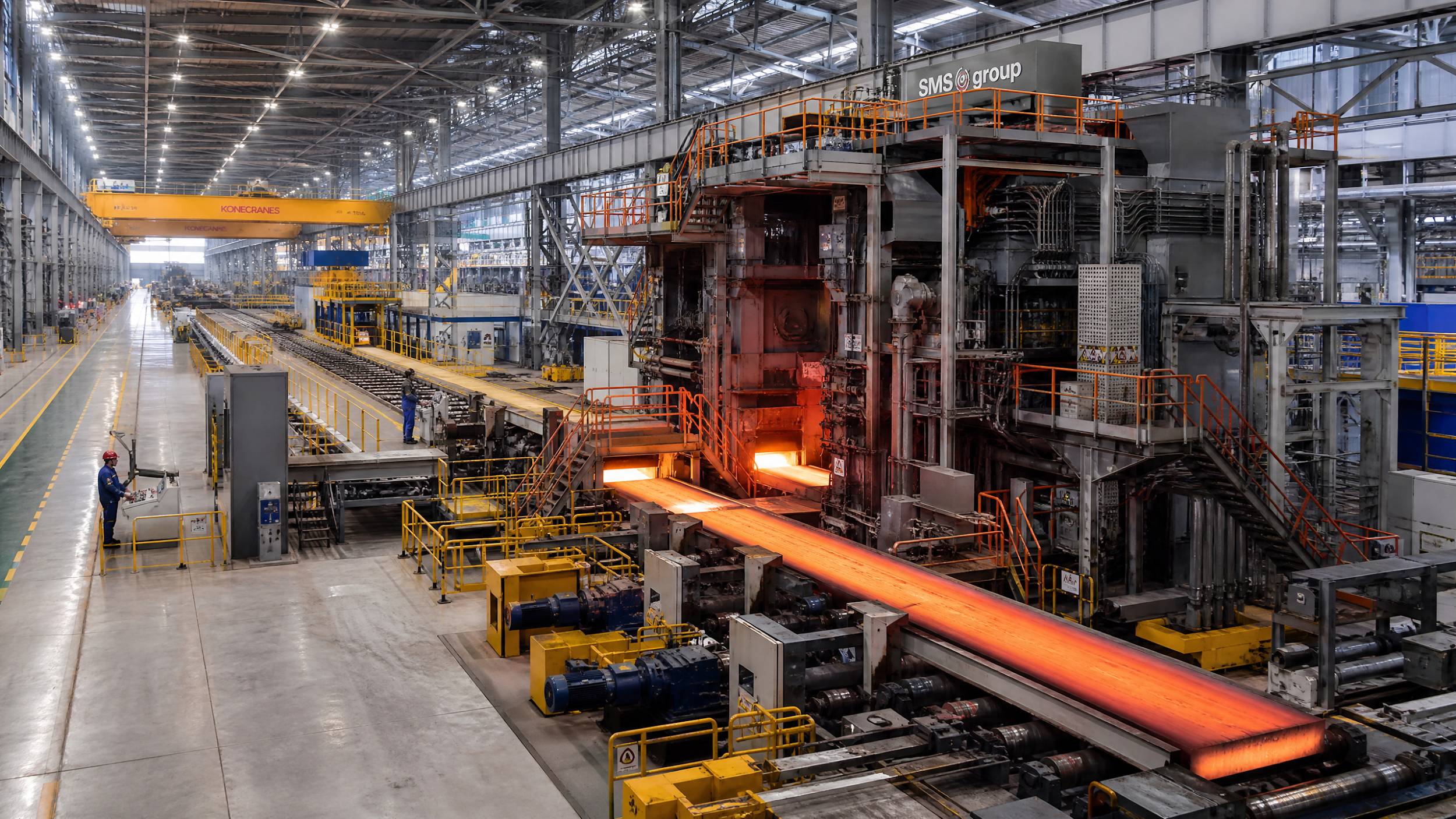
State-of-the-art steel production facility meeting international standards
Our unwavering commitment to responsible steel sourcing means we partner only with mills that uphold ethical and sustainable practices, providing you with complete peace of mind.
We offer unparalleled expertise in:
- Supplier Vetting:
We connect you with thoroughly verified Chinese mills that have a proven track record of producing steel explicitly compliant with ASTM standards.
- Standard Compliance:
Our team meticulously verifies that all steel products and their accompanying documentation (MTCs) explicitly meet your required ASTM standards.
- Quality Assurance:
We facilitate independent third-party inspections and rigorous testing by accredited laboratories to guarantee the quality and conformity of your order.
- Logistics and Customs:
We streamline the entire shipping process, from the mill to your US port, expertly handling all documentation and complex customs requirements efficiently.
Our dedication to client success is powerfully reflected in our numerous success stories. We invite you to learn more about us and discover how Camasteel can be your trusted partner in securing high-quality, ASTM-compliant steel for your American projects.
Frequently Asked Questions (FAQs) About USA ASTM Steel Standards and Sourcing
Can Chinese steel truly meet USA ASTM Steel Standards?
Absolutely. Many advanced Chinese steel mills possess the technology and expertise to produce steel that fully complies with USA ASTM standards. The key is to clearly specify your ASTM requirements to the supplier from the outset.
It is also crucial to ensure that the Mill Test Certificates (MTCs) explicitly state ASTM compliance and to engage independent third-party inspections to verify the quality and conformity of the steel before shipment. For more insights into reliable sourcing, you can explore our guide on the best steel companies in China.
What are the primary risks of importing steel that doesn’t meet ASTM standards?
The risks of using non-compliant steel in the USA are significant and can include catastrophic structural failures, severe safety hazards, substantial legal liabilities, costly project delays due to rework or replacement, and irreparable damage to your company’s reputation. US regulatory bodies are extremely strict on compliance, and non-conforming materials can lead to severe penalties and mandatory rectification orders. It is simply not a risk worth taking.
How can I verify the authenticity of Mill Test Certificates (MTCs) for imported steel?
To verify MTC authenticity, first, ensure the certificate is issued directly by the actual mill that produced the steel, not merely a trading company. Cross-reference the heat numbers on the MTC with the physical markings on the steel product itself.
For an added layer of assurance, you can request the MTC directly from the mill or through an independent third-party inspection agency. Many buyers also send samples from the delivered steel to an accredited local laboratory for independent testing and comparison with the MTC data.
Are there anti-dumping duties on Chinese steel imported into the USA?
Yes, the United States has historically imposed and continues to review anti-dumping and countervailing duties on various steel products originating from China and other countries. These duties are designed to protect the domestic steel industry from unfairly priced imports.
The specific duties and products covered can change frequently, so it is absolutely crucial to consult the US Department of Commerce and the US Customs and Border Protection (CBP) websites, or a qualified customs broker, for the most up-to-date information relevant to your specific steel product before importing.
What is the typical lead time for importing steel from China to the USA?
The lead time for importing steel from China to the USA can vary significantly, but generally, you should anticipate a total timeframe of approximately 8 to 12 weeks. This duration accounts for several key stages: the production time at the mill (which can range from 3 to 6 weeks depending on the product and order volume), the sea freight transit time (typically 4 to 6 weeks to major US ports), and the time required for customs clearance and local delivery in the USA (usually 1 to 2 weeks). It is always advisable to factor in additional buffer time for any unforeseen delays.
Conclusion: Your Partner in Compliant Steel Procurement for the USA
Navigating the complexities of USA ASTM Steel Standards and sourcing from international markets like China demands unparalleled expertise and unwavering diligence. While Chinese steel offers significant advantages in terms of scale and variety, ensuring its explicit compliance with ASTM is absolutely paramount for the success, safety, and legal adherence of your projects in the United States.
Don’t allow the inherent complexities of global steel standards to become a barrier to your project’s success. Camasteel is your dedicated partner, providing the expertise and unwavering support needed to source steel that meets America’s rigorous requirements, ensuring quality, compliance, and complete peace of mind.
Industrial Buyers: Importing Steel to China?
Are you navigating a serious steel purchase? We understand the complexities involved.
✅ Do you know your steel specifications?
✅ Are you buying in bulk?
✅ Do you need supplier verification in China?
✅ Do you need inspection before shipment?
✅ Do you need support shipping to China?
If you answered yes to these questions, you’re likely handling a significant steel procurement. Share Your Requirements with us today to streamline your import process.