
Forged vs Cast Grinding Balls: Which Grinding Media Is Better for Mining?
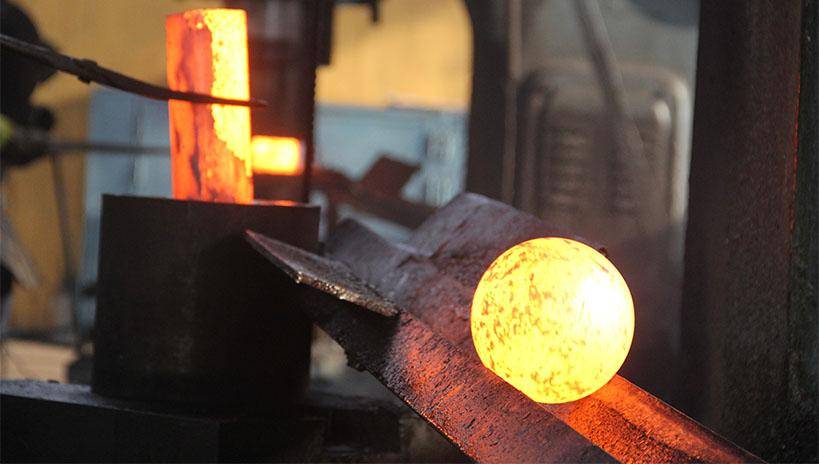
Steel Balls Introduction Grinding balls are important parts of mining and industrial grinding operations. Choosing the right grinding media is an important decision for mining companies because grinding balls directly affect mill performance, operating costs, and production efficiency. The two most common types of grinding media are: Forged steel grinding balls Cast grinding balls Both products are used for grinding, but they are made differently. This affects their: Hardness Wear resistance Impact strength Service life Overall cost Choosing the right grinding balls can help companies improve grinding efficiency and reduce replacement costs. In this article, we will compare forged and cast grinding balls and explain the key differences to help you choose the right grinding media for your application. What Are Grinding Balls and How Do They Work in Ball Mills? Grinding balls are steel balls used inside grinding mills to crush and grind materials into smaller particles. In mining operations, grinding balls are mainly used in ball mills. A ball mill is a large rotating machine that contains grinding balls and the material being processed. Forged Steel Grinding Balls vs Cast Grinding Balls: What Is the Difference? Both forged and cast grinding balls are used as grinding media in mining and industrial applications. The main difference is how they are made. The manufacturing process affects their strength, toughness, wear resistance, and performance during grinding. Forged vs Cast Grinding Balls Comparison Item Forged Steel Grinding Balls Cast Grinding Balls Manufacturing process Made by heating and forging steel Made by pouring molten metal into molds Strength Higher toughness and impact resistance Lower toughness compared with forged balls Breakage Lower risk of cracking and breaking Higher risk of breakage under heavy impact Wear resistance Good wear resistance for demanding applications Depends on alloy and application Best suited for Mining, large ball mills, and high-impact grinding Cement and general grinding applications For mining operations, where grinding balls experience continuous impact inside ball mills, forged steel grinding balls are usually the preferred choice because they provide better durability and lower breakage rates. How Are Forged and Cast Grinding Balls Made? The manufacturing process is one of the main differences between forged and cast grinding balls. Different production methods create different material structures, which affect the strength, toughness, and performance of the grinding balls. How Are Forged Steel Grinding Balls Made? Forged steel grinding balls are made from high-quality steel bars or billets. The steel is heated to a high temperature and then shaped into balls using forging equipment. After forging, the balls go through heat treatment to improve hardness and toughness. This process creates a strong internal structure, helping forged grinding balls resist impact and reduce breakage during heavy grinding operations. Manufacturing steps: Steel billets are heated Steel is forged into grinding balls Balls are heat treated Balls are inspected and tested How Are Cast Grinding Balls Made? Cast grinding balls are made by melting steel or alloy materials and pouring the molten metal into molds. After cooling and solidification, the balls are removed from the molds and processed to achieve the required size and hardness. Manufacturing steps: Metal or alloy is melted Molten metal is poured into molds Balls are cooled and removed Balls are processed and inspected Which Grinding Balls Should You Choose for Mining? For most mining applications, forged steel grinding balls are the preferred choice because they provide better impact resistance, lower breakage rates, and longer service life. Mining ball mills operate under heavy conditions. Grinding balls are continuously dropped, impacted, and worn during the grinding process. This means the grinding media must have enough strength to handle repeated impact. Forged Steel Grinding Balls Production Video VIDEO: Forged Steel Grinding Balls — Production & Buying Guide Choose Grinding Balls Based on Your Application When selecting grinding balls, consider: Mining operationDifferent ores and minerals require different grinding conditions. Harder materials usually need stronger grinding media. Ball mill type and sizeLarge ball mills with higher impact forces often require tougher grinding balls. Material being processedThe hardness and size of the material affect grinding performance and ball wear. Operating conditionsFactors such as mill speed, impact level, and grinding environment can affect the service life of grinding balls. While cast grinding balls may work for some applications, forged steel grinding balls are commonly chosen for demanding mining operations where reliability and low breakage are important. Why Do Mining Companies Prefer Forged Steel Grinding Balls? Mining companies often choose forged steel grinding balls because mining operations require grinding media that can handle heavy impact and continuous wear. Inside a ball mill, grinding balls repeatedly hit the ore and each other. This creates strong impact forces that can cause weaker balls to crack or break. Forged steel grinding balls offer several advantages: Higher Impact Resistance Forged balls have a strong internal structure, allowing them to handle repeated impact inside large ball mills. Lower Breakage Rate Because of their higher toughness, forged grinding balls are less likely to crack or break during operation. Longer Service Life Better wear resistance means forged balls can last longer, reducing the need for frequent replacement. More Consistent Performance High-quality forged grinding balls provide stable performance throughout the grinding process, helping mining companies maintain efficient operations. For demanding mining applications, forged steel grinding balls are widely used because they provide a reliable balance of strength, durability, and cost efficiency. What Should You Check Before Buying Grinding Balls From China? Buying grinding balls from China can provide cost advantages, but choosing the right manufacturer is important. Before placing an order, buyers should check several key factors to ensure they receive reliable grinding media. Steel Grade and Specifications Grinding balls should meet the required specifications for your application, including size, material grade, hardness, and chemical composition. Manufacturer Experience An experienced grinding ball manufacturer should understand mining requirements and have the production capability to supply consistent quality. Quality Inspection and Testing Reliable suppliers should inspect grinding balls before shipment. Important checks include hardness testing, size inspection, impact testing, and surface quality
Aluminium v. Galvanized Steel: Corrosion, Weight, and Cost Compared
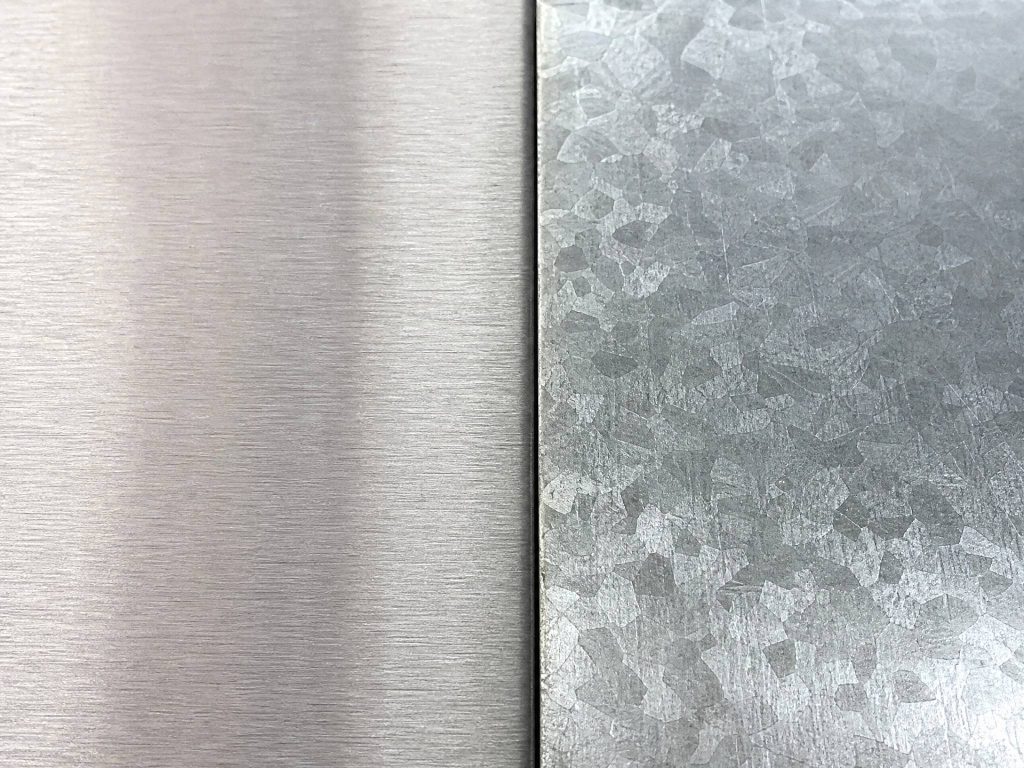
Have you ever found yourself at a crossroads, pondering which metal to choose for your next big project? The decision between Aluminium v. Galvanized Steel is a common one, and it’s far more critical than you might think. Both materials are workhorses in various industries, from construction to automotive, but they each bring a unique set of properties to the table. Making the right material choice is crucial for project success. Understanding these differences, especially concerning corrosion resistance, weight, and cost, is paramount to making an informed choice that ensures the longevity and success of your application. At Camasteel, we understand the complexities of material selection. We’re committed to providing high-quality, responsible steel solutions and expert guidance to help you navigate these choices. Let’s dive deep into the characteristics of aluminium and galvanized steel to uncover which material might be the perfect fit for your specific needs. Understanding the Core Differences: Aluminium vs. Galvanized Steel When we talk about metals, it’s easy to lump them all together. However, aluminium and galvanized steel are distinct in their fundamental composition and how they behave under different conditions. Steel, primarily an alloy of iron and carbon, gains its “galvanized” status from a protective zinc coating. Aluminium, on the other hand, is a lightweight, non-ferrous metal known for its natural resistance to corrosion. What is Aluminium? Aluminium is a silvery-white, lightweight metal, celebrated for its low density and excellent thermal and electrical conductivity. It’s the most abundant metallic element in the Earth’s crust, making it a readily available resource. Its natural corrosion resistance comes from a passive oxide layer that forms on its surface when exposed to air, acting as a protective barrier. What is Galvanized Steel? Galvanized steel is essentially steel that has been coated with a layer of zinc. This process, known as galvanization, is primarily done to protect the steel from rusting. The zinc acts as a sacrificial layer, corroding before the steel underneath, thereby extending the lifespan of the material, especially in harsh environments. Corrosion Resistance: A Critical Comparison Corrosion is the enemy of metal, leading to degradation and structural failure over time. Both aluminium and galvanized steel offer good corrosion resistance, but they achieve it through different mechanisms and perform differently in various environments. How Aluminium Resists Corrosion Aluminium’s inherent corrosion resistance is due to its ability to form a thin, tough, and self-repairing oxide layer. This passive layer prevents further oxidation and protects the underlying metal. This makes aluminium particularly effective in: Atmospheric exposure: Excellent resistance to weathering. Water environments: Good performance in freshwater and many saltwater applications, though specific alloys are better for marine use. Chemical resistance: Generally resistant to a wide range of chemicals, but can be attacked by strong acids and alkalis. How Galvanized Steel Fights Rust Galvanized steel relies on its zinc coating for protection. The zinc layer provides two main forms of defense: Barrier Protection: The zinc physically separates the steel from corrosive elements. Sacrificial Protection (Cathodic Protection): If the coating is scratched or damaged, the zinc, being more reactive than steel, corrodes first, protecting the exposed steel. This self-healing property is a significant advantage. However, the effectiveness of galvanized steel’s corrosion resistance can vary: Environmental Factors: Performance depends heavily on the thickness of the zinc coating and the corrosivity of the environment (e.g., humidity, industrial pollutants, salt spray). Damage: Deep scratches that penetrate both the zinc and steel layers can lead to rust if the sacrificial protection is overwhelmed. Weight: The Lightweight Champion vs. The Sturdy Contender Weight is a significant factor in many applications, influencing everything from fuel efficiency in transportation to ease of installation in construction. The Advantage of Aluminium’s Low Density Aluminium is remarkably lightweight, with a density approximately one-third that of steel. This characteristic makes it highly desirable for applications where weight reduction is critical, such as: Aerospace and Automotive: Improves fuel efficiency and performance. Portable Structures: Easier to transport and assemble. Consumer Goods: Lighter products for everyday use. The Strength and Density of Galvanized Steel Steel, even when galvanized, is considerably denser and heavier than aluminium. While this might be a disadvantage in weight-sensitive applications, it contributes to steel’s renowned strength and rigidity. For structures where robustness and load-bearing capacity are paramount, the weight of steel is often a necessary trade-off for its superior mechanical properties. Cost Considerations: Initial Investment vs. Long-Term Value Cost is almost always a deciding factor. When comparing Aluminium v. Galvanized Steel, it’s essential to look beyond the initial purchase price and consider the total cost of ownership, including installation, maintenance, and lifespan. The Price Tag of Aluminium Generally, aluminium has a higher upfront material cost per pound than galvanized steel. However, its lightweight nature can lead to savings in other areas: Transportation: Lower shipping costs due to reduced weight. Installation: Easier handling and faster assembly can reduce labor costs. Maintenance: Excellent corrosion resistance often translates to lower long-term maintenance expenses. The Economic Appeal of Galvanized Steel Galvanized steel typically boasts a lower initial material cost. This makes it an attractive option for budget-conscious projects. Its durability and corrosion resistance (thanks to the zinc coating) also contribute to a good cost-to-performance ratio over its lifespan, especially in less aggressive environments. However, factors like weight can increase transportation and installation costs compared to aluminium. Visualizing the surface differences between aluminium and galvanized steel. Applications: Where Each Metal Shines Both metals have found their niche, excelling in applications that leverage their unique properties. Common Uses for Aluminium Aluminium’s combination of lightness, strength, and corrosion resistance makes it ideal for: Aerospace: Aircraft components, fuselage. Automotive: Car bodies, engine parts, wheels. Construction: Window frames, roofing, architectural panels. Packaging: Cans, foils. Electronics: Heat sinks, casings. Common Uses for Galvanized Steel Galvanized steel is preferred where strength, durability, and cost-effectiveness are key, particularly in environments prone to rust: Construction: Structural beams, roofing, fencing, guardrails. Automotive: Car chassis, exhaust systems. Agriculture: Farm equipment, silos. Utilities: Electrical towers, pipelines. Key Factors to Consider When Choosing Making the right choice between
Steel Tube v. Steel Pipes: Strength, Use, Cost, & Dimensions
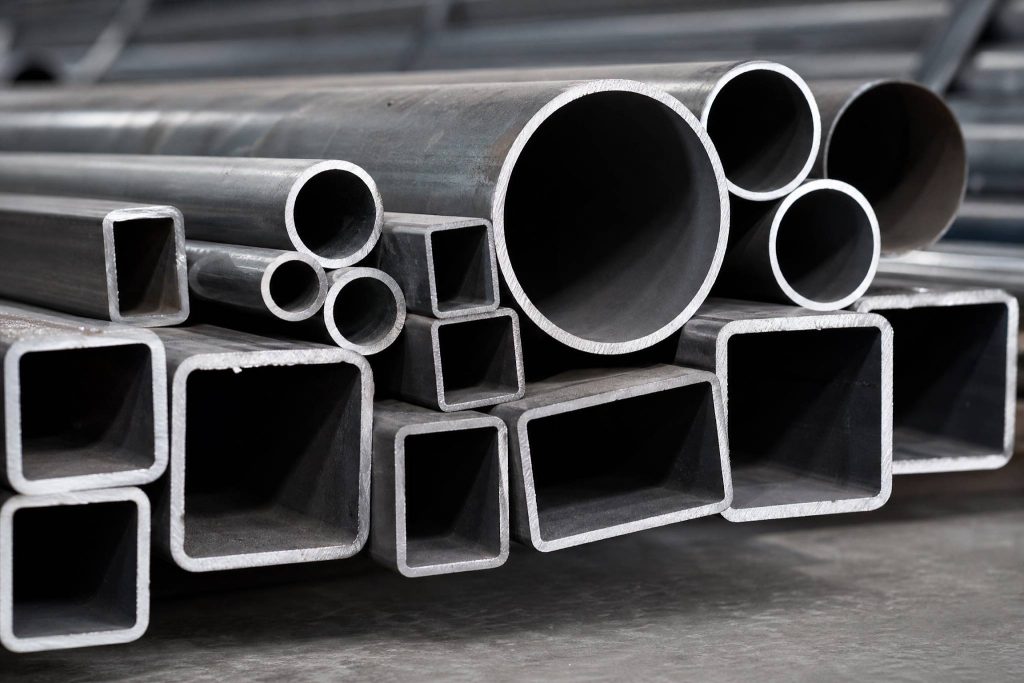
When you’re working with steel, whether it’s for a massive construction project or a specialized manufacturing application, you’ll inevitably encounter two fundamental terms: steel tubes and steel pipes. While they might seem interchangeable at first glance, these two products have distinct characteristics that dictate their ideal applications, performance, and even cost. Ignoring these differences can lead to costly mistakes, project delays, and even safety hazards. So, how do you tell them apart, and why does it matter? Our team of engineers ensures every project, from design to execution, adheres to the highest standards of responsible steel usage. Think of it this way: a pipe is primarily designed to transport fluids or gases, while a tube is often used for structural support or mechanical applications. This core distinction influences everything from their manufacturing process to their precise dimensional specifications. Let’s dive deeper into what makes each unique. The Core Differences: Pipe vs. Tube The most significant differences between steel pipes and steel tubes lie in their shape, measurement, and manufacturing tolerances. These factors directly impact how they perform under stress and in various environments. Shape and Application Steel Pipes: Almost exclusively round. Their primary function is to convey liquids or gases. This means they need to withstand internal pressure effectively. Steel Tubes: Can be round, square, rectangular, or even oval. Their versatility makes them suitable for a broader range of applications, often where structural integrity or aesthetic appeal is crucial. Dimensional Measurement: A Critical Distinction This is where things get particularly technical and important for procurement. Understanding how each is measured is key to getting the right product. Steel Pipe Dimensions: Nominal Pipe Size (NPS) and Schedule For steel pipes, you’ll typically hear terms like Nominal Pipe Size (NPS) and Schedule (SCH). It’s a system that can be a bit counter-intuitive at first: NPS: This refers to the approximate inside diameter (ID) of the pipe, but it’s not an exact measurement. For example, a 2-inch NPS pipe doesn’t have an exact 2-inch ID. It’s a standardized reference. Schedule: This number (e.g., SCH 40, SCH 80) indicates the wall thickness of the pipe. A higher schedule number means a thicker wall, which translates to greater strength and pressure resistance. The outer diameter (OD) of a given NPS pipe remains relatively constant, while the ID changes with the schedule. This standardization ensures interchangeability and compatibility across different manufacturers and systems, which is vital for fluid transport networks. Steel Tube Dimensions: Exact Outer Diameter (OD) and Wall Thickness Steel tubes, on the other hand, are measured much more precisely: Outer Diameter (OD): This is the exact, specified measurement. If you order a 2-inch OD tube, it will be precisely 2 inches on the outside. Wall Thickness: This is also specified precisely, often in inches or millimeters. The inner diameter (ID) is then derived from the OD minus twice the wall thickness. This precision is crucial for applications where tubes need to fit together perfectly, slide into other components, or maintain specific structural dimensions. Manufacturing Process and Tolerances The way they’re made also highlights their differences: Pipes: Often manufactured to withstand high internal pressures, they typically have looser dimensional tolerances. They can be seamless or welded. Tubes: Generally produced with tighter dimensional tolerances and a smoother finish, making them ideal for applications requiring precision, such as machinery parts or structural frameworks. They are also available in seamless or welded forms. Our factory in China utilizes advanced technology to produce a wide range of steel tubes and pipes, adhering to strict quality controls. Strength and Performance: What Can They Withstand? The inherent design and manufacturing of steel pipes and tubes mean they excel in different areas of strength and performance. Pressure Resistance (Pipes) Because pipes are designed for conveying substances, their strength is primarily measured by their ability to handle internal pressure. The wall thickness (schedule) is the key factor here. Thicker walls mean higher pressure ratings, making them suitable for demanding oil and gas pipelines or water distribution systems. Structural Integrity (Tubes) Tubes, especially square and rectangular ones, are engineered for structural applications. Their strength is often related to their ability to resist bending, torsion, and compression. They are commonly used in frameworks, machinery, and automotive components where precise load-bearing capabilities are essential. Cost Considerations: Making the Right Investment Cost is always a significant factor in any project. The price difference between steel tubes and pipes can vary based on several elements. Material and Manufacturing: Due to tighter tolerances and often more specialized manufacturing processes, steel tubes can sometimes be more expensive per foot or meter than pipes of comparable material. Volume: Pipes are often produced in larger volumes and standardized sizes, which can lead to economies of scale and lower unit costs for bulk purchases. Application-Specific Needs: The “cheaper” option isn’t always the most cost-effective in the long run. Choosing the wrong product can lead to premature failure, increased maintenance, or the need for costly replacements. Investing in the correct material upfront saves money and ensures project longevity. Common Uses: Where Do You Find Them? Understanding their typical applications can further clarify the distinction. Applications of Steel Pipes Steel pipes are the workhorses of fluid and gas transport. You’ll find them in: Oil and Gas Industry: Transporting crude oil, natural gas, and refined products across vast distances. Water and Wastewater Systems: Delivering potable water and managing sewage. HVAC Systems: Circulating refrigerants and heating/cooling fluids in large buildings. Industrial Processing: Moving chemicals and other materials within factories. Applications of Steel Tubes Steel tubes are incredibly versatile and are found in a wide array of structural and mechanical applications: Construction: Structural supports, scaffolding, handrails, and architectural elements. Automotive Industry: Chassis components, exhaust systems, and roll cages. Machinery and Equipment: Frames, hydraulic cylinders, and conveyor systems. Furniture: Modern and industrial-style furniture frames. Aerospace: Lightweight yet strong structural components. From round pipes designed for flow to square tubes for structural support, the variety of steel products is vast. Key Comparison Table: Steel Tube vs. Steel Pipe To
Mild Steel Vs. Galvanized Iron: Understanding the Difference Between Galvanized Iron and Steel
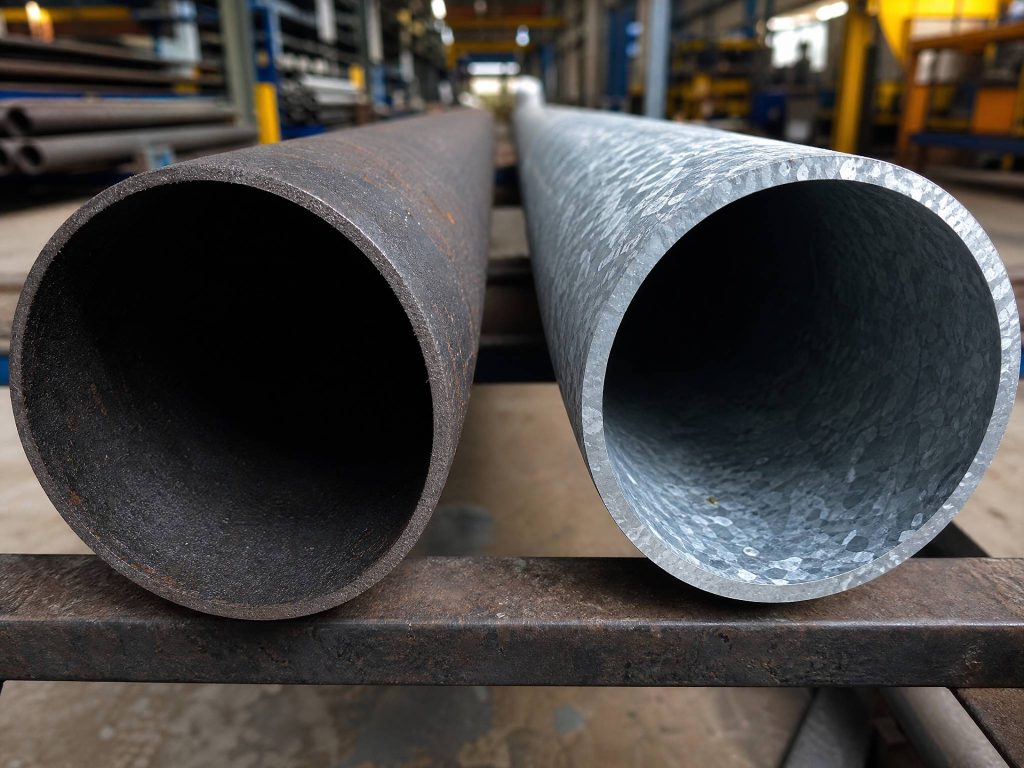
Choosing the right metal is essential for ensuring durability, performance, and cost efficiency. Two of the most commonly used materials are mild steel and galvanized iron (GI). While both are iron-based products, they differ in corrosion resistance, lifespan, and applications. Our customers during a China visit. Collaborating on a modern construction site, highlighting the importance of material selection. Key Differences at a Glance Mild Steel: Strong, versatile, and cost-effective. Galvanized Iron: Steel or iron coated with zinc for corrosion protection. Rust Resistance: GI performs better in outdoor and humid environments. Cost: Mild steel is generally more affordable. Applications: Mild steel is used in structures and machinery, while GI is preferred for roofing, fencing, pipes, and outdoor projects. Understanding these differences helps buyers, engineers, and manufacturers choose the right material for their specific project requirements. What is Mild Steel? The Backbone of Modern Industry Mild steel, often referred to as low carbon steel, is arguably the most common and versatile form of steel used today. It is an alloy composed primarily of iron, with a small percentage of carbon—typically ranging from 0.05% to 0.25% by weight.This specific composition gives mild steel its unique set of properties that make it highly desirable for a vast array of applications. Key Properties of Mild Steel High Malleability and Ductility: Because of its low carbon content, mild steel is relatively soft compared to other high-carbon steels. This makes it incredibly easy to bend, shape, weld, and machine without cracking or breaking. Cost-Effectiveness: Mild steel is relatively inexpensive to produce, making it an economically attractive option for large-scale projects where massive quantities of material are required. Magnetic Properties: The high iron content in mild steel ensures that it retains strong magnetic properties, which is essential for certain electrical and industrial applications. The Achilles Heel: Susceptibility to Rust Despite its many advantages, mild steel has one significant drawback: it is highly susceptible to corrosion. When exposed to moisture and oxygen, the iron in the steel reacts to form iron oxide, commonly known as rust. Without proper surface treatments, such as painting, powder coating, or regular maintenance, mild steel structures can degrade rapidly, compromising their strength and lifespan. What is Galvanized Iron? The Champion of Corrosion Resistance To combat the inherent rusting problem of iron and standard steel, the process of galvanization was developed. Galvanized iron is essentially iron or steel that has been coated with a protective layer of zinc. This zinc coating serves as a robust barrier between the underlying metal and the corrosive elements in the environment. A clear visual comparison showing a dark, slightly rusted mild steel pipe next to a bright, spangled galvanized iron pipe, illustrating the difference in surface finish and corrosion resistance. How Galvanization Protects Metal The zinc coating protects the base metal in three primary ways: 1.Barrier Protection: The zinc layer acts as a physical shield, preventing water, oxygen, and other corrosive substances from reaching the vulnerable iron or steel surface. 2.Sacrificial Anode: Zinc is more reactive than iron. If the coating is scratched or damaged, the zinc will corrode first, sacrificing itself to protect the exposed iron beneath. 3.Patina Formation: As zinc weathers, it forms a tough, insoluble patina (zinc carbonate) that further seals the surface and slows down the corrosion process. The Manufacturing Process: Hot-Dip vs. Electro-Galvanizing The most common method for creating galvanized iron is hot-dip galvanizing. This involves submerging the iron or steel component into a bath of molten zinc at temperatures around 450°C (842°F). This process creates a thick, durable, and tightly bonded alloy coating. Another method is electro-galvanizing, which uses an electrical current to deposit a thinner layer of zinc, often used for automotive parts where a smooth finish is required. The Core Difference Between Galvanized Iron and Steel When we discuss the difference between galvanized iron and steel (specifically mild steel), we are primarily comparing an uncoated alloy with a coated one. The fundamental distinction lies in their resistance to environmental degradation and their resulting longevity in specific applications. A close-up view of high-quality galvanized steel sheets, clearly showing the unique crystalline zinc coating that defines the difference between galvanized iron and steel. 1. Rust Protection: The Biggest Difference If rust is a concern, galvanized iron has a clear advantage. Mild steel rusts quickly when exposed to rain, humidity, or outdoor conditions. It usually needs painting and regular maintenance to stay protected. Galvanized iron has a zinc coating that protects the metal from rust. It can last for many years outdoors with very little maintenance. Best choice for outdoor use: Galvanized iron. 2. Strength Both materials are strong, but there is an important difference. The zinc coating on galvanized iron does not make the metal stronger. It mainly acts as a protective layer against rust. In most cases, the base steel strength is similar. Best choice if you need strength and rust protection: Galvanized steel. 3. Cost: Upfront vs. Long-Term Many buyers only look at the purchase price, but maintenance costs matter too. Mild steel is usually cheaper to buy. However, it may require painting, repairs, and rust treatment over time. Galvanized iron costs more initially, but it often saves money on maintenance. Best value over the long run: Galvanized iron. 4. Appearance The two materials also look different. Mild Steel Dark grey finish Plain industrial appearance Usually painted before use Galvanized Iron Bright silver-grey finish Often has a visible crystal-like pattern called “spangle” Can be painted if needed Best choice for a clean metallic look: Galvanized iron. Applications: When to Use Mild Steel vs. Galvanized Iron Choosing between these two materials depends entirely on the specific requirements of your project and the environment in which the metal will be used. Ideal Uses for Mild Steel Mild steel is best suited for indoor applications or situations where it will be completely sealed off from the elements. Structural Frameworks: Used extensively in the internal skeletons of buildings where it is protected by concrete or cladding. Automobile Manufacturing: The body panels and chassis of
Overview of the Brazil (ABNT Standards) and How to Buy Steel

When you’re looking to buy steel, especially for projects in Brazil, understanding the local standards isn’t just good practice—it’s essential. Brazil operates under the technical guidelines set by the Associação Brasileira de Normas Técnicas, or ABNT. These standards ensure that steel products meet specific quality, safety, and performance criteria, aligning with both national requirements and often, international benchmarks. Our team collaborates to ensure every steel product meets stringent ABNT standards, guaranteeing quality and reliability. Ignoring these standards can lead to significant issues, from project delays and cost overruns to structural failures. So, if you’re planning to source steel for construction, manufacturing, or any industrial application in Brazil, getting familiar with ABNT is your first crucial step. It’s about ensuring your investment is sound and your projects stand strong. What is ABNT? ABNT (Brazilian Association of Technical Standards) is Brazil’s official standards organization. Founded in 1940, it develops technical standards that ensure the quality, safety, and consistency of products across industries, including steel. As a founding member of ISO, many ABNT standards align with international best practices. Key ABNT Steel Standards ABNT NBR 7480 – Covers steel bars and wire used for concrete reinforcement, including CA-25, CA-50, and CA-60 grades. ABNT NBR 6648 – Specifies requirements for heavy carbon steel plates and coils used in structural applications. ABNT NBR 6330 – Defines standards for carbon steel wire rod used in manufacturing wire products and mesh. ABNT vs International Standards Many ABNT steel standards are comparable to ASTM and other international specifications. However, differences in chemical composition, testing methods, and certification requirements may exist, so buyers should always verify the exact standard before purchasing. Steel Production in Brazil Brazilian steel mills follow strict ABNT requirements throughout the manufacturing process, ensuring steel products meet the quality and performance standards required for construction, infrastructure, and industrial projects. Our factory partners utilize state-of-the-art high-speed rolling mills to produce steel with exceptional quality and precision. Manufacturing Excellence and Quality Control Brazilian steel mills maintain strict quality control to ensure compliance with ABNT standards. Every stage of production—from raw material selection to final testing—is carefully monitored to guarantee consistent quality and performance. Key quality control steps include: Raw Material Selection: High-quality iron ore and alloys are chosen to achieve required steel properties. Melting and Refining: Advanced processes remove impurities and ensure the correct chemical composition. Hot Rolling: Steel is formed into bars, rods, plates, and other products while meeting dimensional requirements. Controlled Cooling: Cooling methods are carefully managed to achieve the desired strength and ductility. Testing and Certification: Steel undergoes chemical, mechanical, and dimensional testing before a Mill Test Certificate (MTC) is issued. ABNT Steel Grades and Applications ABNT steel grades are designed for specific applications, ranging from concrete reinforcement and structural construction to industrial manufacturing. Selecting the correct grade ensures compliance, safety, and long-term performance for your project. ABNT NBR Standard Grade Common Applications ABNT NBR 7480 CA-25 General concrete reinforcement, less demanding structures ABNT NBR 7480 CA-50 Standard concrete reinforcement, beams, columns, slabs ABNT NBR 7480 CA-60 High-strength concrete reinforcement, pre-stressed concrete, smaller diameter wires ABNT NBR 6648 CG-26 Heavy structural components, thick plates, industrial machinery frames ABNT NBR 6330 MR-250 Wire rod for drawing, nails, mesh, general purpose wires This table provides a quick reference, but always refer to the full ABNT NBR document for complete specifications and requirements. Choosing the correct grade is a critical decision that impacts the safety and longevity of your project. Need help sourcing steel from China? Our team helps international buyers compare steel mills, verify certifications, inspect factories, confirm technical specifications, and secure mill-direct pricing before payment. Share your project requirements today for quotation support and supplier evaluation. WhatsApp Us for Free a Consultation How to Buy Steel in Brazil Buying steel in Brazil requires a clear understanding of ABNT standards, supplier capabilities, and quality verification procedures. Define Your Requirements Before requesting quotations, specify: ABNT standard and steel grade (e.g., NBR 7480 CA-50) Dimensions and tolerances Required mechanical and chemical properties Surface finish or coating requirements Clear specifications help prevent costly errors and ensure compliance. Choose a Reliable Supplier Work with suppliers that offer: ABNT and ISO certifications Proven experience in the Brazilian steel market Strong quality control procedures Technical support and transparent documentation Always verify the supplier’s reputation and production capabilities before placing an order. Verify Documentation and Quality To ensure compliance: Review the Mill Test Certificate (MTC) Confirm chemical and mechanical properties Consider third-party inspections for large or critical orders Verify packaging and shipping arrangements before dispatch A structured procurement process helps buyers secure high-quality, ABNT-compliant steel while reducing risks related to quality, delays, and documentation issues. Our steel wire rod coils are meticulously produced to ensure exceptional surface quality and dimensional precision. The Importance of Proper Packaging and Shipping Steel products, especially heavy items like wire rods and plates, require robust packaging and careful handling during transit. This is particularly true for international shipments to Brazil. Coils are typically secured with heavy-duty steel straps to prevent movement and damage. Proper labeling ensures efficient identification and handling at ports and warehouses. Our world-class logistics network manages the efficient loading and transport of steel wire rod to major ports worldwide. Our team ensures that every coil of steel wire rod is securely strapped and clearly labeled to facilitate efficient handling and prevent damage during transit. This meticulous approach minimizes risks and ensures your order arrives in perfect condition. We ensure every steel product is securely packaged and clearly labeled for safe and efficient global export. People Also Ask What is the purpose of ABNT steel standards? ABNT standards ensure the quality, safety, and consistency of steel products used in Brazil. They define technical requirements for manufacturing, testing, and performance. How do ABNT standards compare with ASTM or EN standards? Many ABNT standards are similar to ASTM and EN specifications, but differences in testing methods, chemical composition, and certification requirements may apply. Always verify the exact standard before purchasing. Can non-ABNT steel be used in Brazil? For
Overview of the Canada CSA Standards and How to Buy Steel

If you are sourcing steel for a Canadian construction or manufacturing project, one thing you cannot skip is understanding the Canada CSA Standards. Miss this step, and your shipment could fail inspection, delay your project, or get rejected at the border. This guide breaks down what CSA Standards actually mean for steel buyers, how they compare with Chinese mill output, and what a practical procurement process looks like in 2026. Whether you are importing wire rod, rebar, or structural steel, the information below will help you buy with confidence. Understanding Canada CSA Standards is the first step before placing any steel import order. Our team at Camasteel has supported buyers across North America in sourcing mill-direct steel that meets international project standards. We also hold responsible steel sourcing as a core operating principle — so quality documentation is always part of the process. What Are Canada CSA Standards for Steel? The CSA Group (formerly Canadian Standards Association) sets the technical rules that govern how steel products are manufactured, tested, and used across Canada. These standards apply to everything from structural shapes and plates to wire rod and reinforcing bar. CSA does not manufacture steel. Instead, it publishes the accepted specifications that mills and suppliers must meet. If a product carries CSA conformance, it means the steel has been produced and tested against a defined set of chemical and mechanical requirements. Key steel-related standards include: CSA G40.20/G40.21 – Structural quality steel (plates, bars, shapes) CSA A23.1/A23.2 – Concrete requirements, which indirectly govern rebar spec CSA G30.18 – Billet steel bar for concrete reinforcement CAN/CSA-W47.1 – Certification for fusion welding of steel structures For more detail directly from the source, visit the CSA Group’s official standards portal. CSA Group issues the technical specifications that define acceptable steel quality for Canadian projects. Canada CSA Steel vs China Steel Standards: What’s the Difference? This is one of the most common questions we get from Canadian buyers. The honest answer: Chinese mills are absolutely capable of producing steel that meets CSA requirements — but you must specify this upfront and verify it with proper documentation. China’s domestic steel standards follow the GB/T system (Guobiao, or National Standard). These differ in how chemical composition, yield strength, and testing methods are framed. They are not identical to CSA specs, but many Chinese mills have experience rolling to international standards including CSA, ASTM, and EN grades. Where the Real Difference Shows Up Chemical composition – Small differences in carbon, manganese, and silicon tolerances can matter for downstream fabrication Mechanical testing – Yield strength and elongation reporting methods may vary Certification – A GB/T Mill Test Certificate is not the same as a CSA-compliant MTC Third-party verification – Canadian buyers typically need an independent inspection report The table below gives a practical side-by-side overview. CSA vs Chinese Mill Specs: Quick Reference Table Consideration Canada CSA Standards Chinese Mill Export Specs Primary standard body CSA Group (Canada) GB/T (China National Standard) Structural steel key standard CSA G40.20/G40.21 GB/T 700, GB/T 1591 Rebar standard CSA G30.18 GB/T 1499.2 Yield strength reporting MPa, CSA test method MPa, GB test method (may differ) Chemical composition control Defined per grade in CSA spec Defined per grade in GB/T spec MTC requirement CSA-format MTC required GB/T MTC by default; CSA format on request Third-party inspection Strongly recommended Available via SGS, BV, or equivalent Compliance for Canadian projects Required for regulated applications Must be specifically ordered and verified Note: All specifications must be confirmed against current CSA publications and the mill’s own MTC for your specific order. This table is a general orientation guide only. Need help sourcing steel from China? Our team helps international buyers compare steel mills, verify certifications, inspect factories, confirm technical specifications, and secure mill-direct pricing before payment. Share your project requirements today for quotation support and supplier evaluation. WhatsApp Us for Free a Consultation Our factory partners operate high-speed rolling mills capable of producing steel to CSA and other international standards on request. How to Buy Steel That Meets Canada CSA Standards Sourcing CSA-compliant steel from China is a structured process. It is not complicated, but it does require you to be precise from day one. Step 1 — Define Your Specification Start with the exact CSA standard your project requires. Is it G40.21 Grade 350W structural steel? CSA G30.18 rebar? Write it down before you contact any mill. Step 2 — Find a Mill with Export Experience Not every Chinese mill has produced to CSA grades before. Work with mills that have a record of exporting to North America. Our guide on the best steel companies in China covers what to look for in a qualified supplier. Step 3 — Request a CSA-Format Mill Test Certificate Ask for the MTC to be issued in a format that reflects CSA chemical and mechanical requirements — not just the domestic GB/T version. This is a standard request; experienced mills handle it regularly. Step 4 — Schedule Third-Party Inspection Before the steel ships, have an independent inspector (SGS, Bureau Veritas, or equivalent) verify: Chemical composition against your CSA grade Mechanical test results (yield, tensile, elongation) Dimensional tolerances Surface condition Step 5 — Coordinate Import Documentation Canadian customs and project engineers will want your MTC, inspection certificate, and packing list aligned. Keep all documents consistent — grade, heat number, and dimensions should match across every form. Independent pre-shipment inspections confirm that chemical and mechanical properties match CSA grade requirements. Common CSA Steel Grades and Price Guide (2026) CSA Grade Equivalent Use Typical Chinese Export Price (USD/ton) G40.21 Grade 300W General structural steel $520 – $550 G40.21 Grade 350W High-strength structural $540 – $570 CSA G30.18 (400R/400W) Reinforcing bar $500 – $530 CSA G40.21 Grade 260W Mild structural fabrication $510 – $540 Prices are indicative for 2026 and subject to change based on order volume, rolling schedule, and freight terms. Confirm pricing directly with your supplier. Need help sourcing steel from China? Our team helps international buyers compare steel mills, verify certifications, inspect factories,
Forged Steel Balls vs. Cast Steel Balls
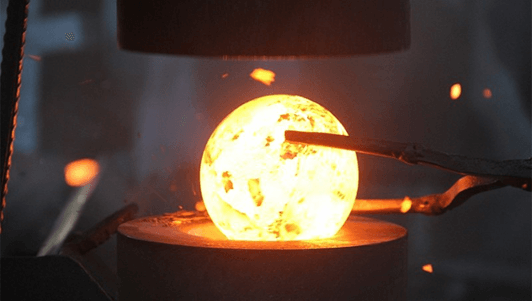
If you source grinding media for mining, cement, or industrial milling, you already know this choice matters. Forged steel balls and cast steel balls are not interchangeable. The wrong choice can increase your breakage rate, raise your cost per ton, and slow down production. This guide breaks down exactly how each type is made, where each performs best, and which one makes more sense depending on your application and budget. By the end, you will have a clear answer — not a vague “it depends.” What Are Forged Steel Balls? Forged steel balls are produced by heating a solid steel billet, then mechanically pressing or hammering it into a spherical shape under high force. After forming, the balls go through heat treatment — typically quenching and tempering — to reach the required hardness and toughness. Quality inspection of forged steel balls at our manufacturing facility — each batch is tested before shipment. This process does something important to the steel’s internal structure. Forging refines the grain flow and aligns it throughout the ball. That means fewer internal voids, less porosity, and a more uniform microstructure compared to cast alternatives. The result is a ball with higher impact toughness and better resistance to cracking under repeated stress. Key characteristics of forged steel balls: Hardness typically ranges from 60–68 HRC depending on alloy and heat treatment Dense, refined grain structure with fewer internal defects High impact toughness — important in high-energy ball mills Consistent roundness, which reduces uneven wear and mill liner damage Lower breakage rates over the service life How Forged Steel Balls Are Made The manufacturing process follows a defined sequence: Billet selection — High-quality steel stock is chosen based on the required alloy composition (typically carbon steel or alloy steel with chromium or manganese). Heating — The billet is heated to forging temperature, usually between 1,100°C and 1,250°C. Forging — The heated steel is formed under mechanical press or hammer into a sphere shape. This step compresses the grain structure and eliminates voids. Heat treatment — Quenching (rapid cooling) followed by tempering sets the final hardness and toughness balance. Surface finishing and inspection — Balls are measured for roundness, surface defects, and hardness before packaging. Where Forged Steel Balls Work Best Forged balls are the standard choice in: Hard-rock mining (gold, copper, iron ore) where mills run at high impact velocities Cement grinding in ball mills where wear rate and breakage cost is closely tracked Power plants using coal grinding systems SAG (Semi-Autogenous Grinding) mills where impact energy is high What Are Cast Steel Balls? Cast steel balls are made by pouring molten steel into a mold — either through sand casting or a precision method like permanent mold casting. Once cooled, the ball solidifies in the shape of the mold. Some manufacturers apply heat treatment after casting to improve hardness. The casting process can produce a wide variety of shapes at lower tooling costs. However, it also introduces a higher risk of internal porosity, shrinkage cavities, and inconsistent microstructure — particularly without rigorous quality controls. Key characteristics of cast steel balls: Hardness range varies widely — typically 45–65 HRC depending on alloy and process Internal structure may contain porosity or micro-voids depending on foundry controls Can achieve complex shapes and larger diameters more easily than forging Generally lower upfront production cost at equivalent volume Breakage risk is higher in high-impact milling environments Cast steel balls used in cement and chemical processing applications — available in multiple size ranges. How Cast Steel Balls Are Made Mold preparation — Sand molds or permanent metal molds are prepared in the shape of the ball. Melting and pouring — Steel is melted in a furnace and poured into the prepared mold. Cooling and shakeout — The mold is removed after the steel solidifies. Optional heat treatment — Some cast balls undergo quenching and tempering to improve hardness, though this step varies by manufacturer. Inspection — Dimensional and hardness checks are performed before shipment. Where Cast Steel Balls Are Commonly Used Cement ball mills where grinding conditions are moderate Chemical processing with mixing and milling needs Non-ferrous mineral processing with lower impact requirements Applications where budget is the primary constraint and breakage rate is acceptable Forged Steel Balls vs. Cast Steel Balls: Head-to-Head Comparison This table gives procurement managers a direct comparison across the factors that affect purchasing decisions most. Factor Forged Steel Balls Cast Steel Balls Manufacturing process Heated and mechanically pressed/forged Molten steel poured into mold Internal structure Dense, refined grain — fewer defects Higher porosity risk without tight process controls Hardness range 60–68 HRC (typical) 45–65 HRC (varies by alloy and process) Impact toughness High — suited for high-energy mills Lower — higher breakage risk under heavy impact Breakage rate Low Moderate to high in high-impact conditions Roundness and consistency Tightly controlled Can vary depending on mold quality Unit cost Higher upfront Lower upfront Cost per ton of ore ground Often lower over service life Can be higher due to faster consumption Best application Mining, SAG mills, high-energy cement grinding Moderate milling, chemical processing, budget-constrained jobs ISO compliance potential Yes Yes — depends on manufacturer’s QC process Heat treatment included? Standard Varies by manufacturer — confirm before buying Need help sourcing steel from China? Our team helps international buyers compare steel mills, verify certifications, inspect factories, confirm technical specifications, and secure mill-direct pricing before payment. Share your project requirements today for quotation support and supplier evaluation. WhatsApp Us for Free a Consultation What Procurement Managers Get Wrong When Choosing Between the Two Buyers often make this decision based on unit price alone. That approach is understandable — procurement has cost targets. But it can lead to higher total spend. Here is what typically goes wrong: 1. Choosing cast because the per-ball price is lower If your mill is running hard-rock ore at high energy, cast balls break faster. You replace them more often. The savings on unit price disappear quickly. Ask suppliers for breakage rate data at your specific
Overview of the South Africa SANS Steel Standards and How to Buy Steel

Keyword: South Africa SANS Steel Standards South Africa, a nation with a dynamic economy and significant infrastructure development, relies heavily on high-quality, reliable steel. The integrity and performance of this essential material are primarily governed by South Africa SANS Steel Standards (South African National Standards). These standards are comprehensive, setting forth stringent criteria for the chemical composition, mechanical properties, and manufacturing processes of steel products used across various sectors, from mining and construction to manufacturing and energy. High-quality ductile iron tees produced to SANS 657 standards, ideal for water and sewerage infrastructure projects in South Africa. This comprehensive guide will demystify South African SANS steel standards, compare them with Chinese GB standards, and provide you with a clear, actionable roadmap on how to confidently procure steel that meets the rigorous demands of the South African market. What Are South Africa SANS Steel Standards? SANS standards are developed and maintained by the South African Bureau of Standards (SABS), the national standards body of South Africa. For steel, SANS standards provide detailed specifications for a wide array of products, ensuring consistent quality, safety, and performance. They are deeply integrated into the South African industrial and construction sectors, serving as the official benchmark for material quality and safety. National Authority: SANS standards are the official national standards for South Africa, ensuring products meet local regulatory and safety requirements. Comprehensive Coverage: These standards cover a broad spectrum of steel products, including common structural steels like SANS 1431 Grade 300WA, which is widely used in construction, and specialized alloys for various industrial applications. Emphasis on Local Conditions: SANS standards often consider the unique environmental and operational conditions prevalent in South Africa, ensuring steel products are suitable for local applications. Experienced construction team performing site assessment on a major building project in South Africa. The Global Influence of Chinese Steel and GB Standards China is the world’s largest steel producer, characterized by its immense production capacity and extensive product range. The national standards governing Chinese steel are known as Guobiao (GB) standards. These standards are comprehensive, covering a wide variety of steel types and applications, and are continually updated to reflect advancements in technology and market demands. While GB standards are primarily for domestic use, many Chinese mills are also capable of producing steel to international standards, including SANS, ASTM, EN, and JIS, to cater to their significant export markets. Unrivaled Production Scale: Chinese steel mills offer an unparalleled production capacity, making them a vital global source for large-scale projects requiring substantial volumes of steel. Extensive Product Diversity: From standard construction grades to highly specialized alloys, the Chinese steel industry provides an incredibly diverse product range, capable of meeting even the most unique project specifications. Adaptability to International Standards: Many Chinese manufacturers have the flexibility and technical capability to produce steel according to international standards, including SANS, when explicitly requested and properly specified by buyers. South Africa SANS Steel Standards vs. China Steel Standards (GB): A Detailed Comparison When sourcing steel for projects that require adherence to South Africa SANS standards, it’s essential to understand the nuances and potential equivalencies between SANS and Chinese GB standards. While both systems aim for quality, their specific requirements, testing methodologies, and common applications can differ. Let’s explore the key aspects for informed procurement decisions. 1. Material Specifications: Chemical Composition and Mechanical Properties Both SANS and GB standards meticulously define the chemical composition and mechanical properties of steel, such as yield strength, tensile strength, and elongation. However, the precise values, allowable ranges, and testing procedures can vary, making direct, uncritical comparisons challenging. SANS Precision: South African standards, such as SANS 1431 for structural steel, provide detailed specifications for various grades. For instance, Grade 300WA has a minimum yield strength of 300 MPa and a tensile strength of 430-580 MPa. These standards often include specific requirements for elements like phosphorus and sulfur, which impact steel’s properties and suitability for local conditions. GB Equivalents: Chinese GB standards offer equivalent grades, but they may not always be a perfect match. For example, GB/T 700 Q235B is often considered a general structural steel, but its properties might not directly align with SANS 1431 Grade 300WA, which has higher strength requirements. While similar in application, subtle differences in chemical composition or impact properties might exist, necessitating a careful review of the full specifications for critical applications. 2. Dimensional Tolerances and Product Forms Dimensional accuracy is crucial for seamless fabrication and structural assembly. Both standards specify tolerances, but their strictness and specific definitions can vary. SANS Consistency: South African standards for hot-rolled products (e.g., SANS 1431 for structural steel) define precise dimensional tolerances. These are vital for ensuring that steel components fit together accurately during construction, minimizing rework and maintaining structural integrity in accordance with local building codes. GB Tolerances: GB standards, such as GB/T 706 for hot-rolled I-beams and GB/T 709 for hot-rolled steel plates, also provide dimensional tolerances. While generally robust, it is crucial to ensure that GB-compliant steel meets the potentially tighter or differently defined tolerances often required by SANS standards for specific South African applications. Explicitly specifying SANS tolerances when ordering from Chinese mills is a best practice. 3. Testing Protocols and Certification Requirements The methods for testing steel and the accompanying documentation are fundamental to ensuring quality assurance and compliance. This is an area where diligent verification is paramount. SANS Verification: Compliance with SANS standards is typically verified through comprehensive Mill Test Certificates (MTCs) that detail the steel’s chemical composition, mechanical properties, and heat treatment, explicitly confirming adherence to the relevant SANS standard. For critical applications, independent third-party certification by accredited bodies (like SABS) is frequently required, often involving SABS certification. GB Testing: Chinese mills issue MTCs based on GB testing protocols. When sourcing for SANS-compliant projects, it is absolutely imperative that these MTCs explicitly state compliance with the relevant SANS standards and are verifiable. Relying solely on GB standards without explicit SANS compliance can lead to significant issues during inspection and project approval. Engaging independent third-party inspection services is
Overview of the Russian GOST Steel Standards and How to Buy Steel

The Backbone of Russian Industry: Understanding GOST Steel Standards Russia, with its vast industrial landscape and ambitious infrastructure projects, relies heavily on robust and reliable steel. The quality and performance of this critical material are primarily governed by Russian GOST Steel Standards (GOST stands for Gosudarstvennyy Standart, meaning State Standard). But what exactly do these GOST standards entail, and how do they compare to the global steel giant, China, and its GB standards? High-quality steel pipes compliant with Russian GOST standards This comprehensive guide will demystify Russian GOST steel standards, compare them with Chinese GB standards, and provide you with a clear, actionable roadmap on how to confidently procure steel that meets the rigorous demands of the Russian market. What Are Russian GOST Steel Standards? GOST standards are a set of technical regulations and specifications developed and maintained by the Euro-Asian Council for Standardization, Metrology and Certification (EASC), which includes Russia and other CIS countries. For steel, GOST standards provide detailed specifications for a wide array of products, ensuring consistent quality, safety, and performance. They are deeply integrated into the Russian industrial and construction sectors, serving as the official benchmark for material quality. Historical Significance: GOST standards have a long history, evolving from Soviet-era standardization, and continue to be the primary regulatory framework in Russia and several post-Soviet states. Comprehensive Coverage: These standards cover a broad spectrum of steel products, including common structural steels like GOST 380 St3sp, which is widely used in construction, and specialized alloys for various industrial applications. Emphasis on Performance: GOST standards often focus on the performance characteristics of steel, including strength, ductility, and resistance to various environmental conditions, crucial for diverse applications across Russia’s vast climate zones. Building strong partnerships with global steel buyers The Global Influence of Chinese Steel and GB Standards China is the world’s largest steel producer, characterized by its immense production capacity and extensive product range. The national standards governing Chinese steel are known as Guobiao (GB) standards. These standards are comprehensive, covering a wide variety of steel types and applications, and are continually updated to reflect advancements in technology and market demands. While GB standards are primarily for domestic use, many Chinese mills are also capable of producing steel to international standards, including GOST, ASTM, EN, and JIS, to cater to their significant export markets. Unrivaled Production Scale: Chinese steel mills offer an unparalleled production capacity, making them a vital global source for large-scale projects requiring substantial volumes of steel. Extensive Product Diversity: From standard construction grades to highly specialized alloys, the Chinese steel industry provides an incredibly diverse product range, capable of meeting even the most unique project specifications. Adaptability to International Standards: Many Chinese manufacturers have the flexibility and technical capability to produce steel according to international standards, including GOST, when explicitly requested and properly specified by buyers. Russian GOST Steel Standards vs. China Steel Standards (GB): A Detailed Comparison When sourcing steel for projects that require adherence to Russian GOST standards, it’s essential to understand the nuances and potential equivalencies between GOST and Chinese GB standards. While both systems aim for quality, their specific requirements, testing methodologies, and common applications can differ. Let’s explore the key aspects for informed procurement decisions. 1. Material Specifications: Chemical Composition and Mechanical Properties Both GOST and GB standards meticulously define the chemical composition and mechanical properties of steel, such as yield strength, tensile strength, and elongation. However, the precise values, allowable ranges, and testing procedures can vary, making direct, uncritical comparisons challenging. GOST Precision: Russian standards, such as GOST 380 for carbon steel of ordinary quality, provide detailed specifications for various grades. For instance, St3sp has a minimum yield strength of 235 MPa and a tensile strength of 370-490 MPa. These standards often include specific requirements for impact energy at certain temperatures, which is crucial for performance in colder climates or demanding applications. GB Equivalents: Chinese GB standards offer equivalent grades, but they may not always be a perfect match. For example, GB/T 700 Q235B is often considered equivalent to GOST 380 St3sp, both being general structural steels with similar yield strengths. While similar in application, subtle differences in trace elements or impact properties might exist, necessitating a careful review of the full specifications for critical applications. 2. Dimensional Tolerances and Product Forms Dimensional accuracy is crucial for seamless fabrication and structural assembly. Both standards specify tolerances, but their strictness and specific definitions can vary. GOST Consistency: Russian standards for hot-rolled products (e.g., GOST 19903 for hot-rolled steel sheets) define precise dimensional tolerances. These are vital for ensuring that steel components fit together accurately during construction, minimizing rework and maintaining structural integrity. GB Tolerances: GB standards, such as GB/T 706 for hot-rolled I-beams and GB/T 709 for hot-rolled steel plates, also provide dimensional tolerances. While generally robust, it is crucial to ensure that GB-compliant steel meets the potentially tighter or differently defined tolerances often required by GOST standards for specific Russian applications. Explicitly specifying GOST tolerances when ordering from Chinese mills is a best practice. 3. Testing Protocols and Certification Requirements The methods for testing steel and the accompanying documentation are fundamental to ensuring quality assurance and compliance. This is an area where diligent verification is paramount. GOST Verification: Compliance with GOST standards is typically verified through comprehensive Mill Test Certificates (MTCs) that detail the steel’s chemical composition, mechanical properties, and heat treatment, explicitly confirming adherence to the relevant GOST standard. For critical applications, independent third-party certification by accredited bodies is frequently required, often involving GOST R certification. GB Testing: Chinese mills issue MTCs based on GB testing protocols. When sourcing for GOST-compliant projects, it is absolutely imperative that these MTCs explicitly state compliance with the relevant GOST standards and are verifiable. Relying solely on GB standards without explicit GOST compliance can lead to significant issues during inspection and project approval. Engaging independent third-party inspection services is highly recommended to confirm both the MTC data and the physical product’s conformity before shipment. Rigorous mechanical testing to ensure GOST steel standard
Overview of the Japan JIS Steel Standards and How to Buy Steel

Japan has long been synonymous with precision engineering, technological innovation, and an unwavering commitment to quality. These principles are deeply embedded in the country’s industrial landscape, particularly within its steel sector. For any project demanding the highest levels of reliability and performance, Japan JIS Steel Standards (Japanese Industrial Standards) serve as a critical benchmark. These standards ensure that steel products meet stringent criteria for chemical composition, mechanical properties, and manufacturing consistency, reflecting Japan’s global reputation for excellence. Wide range of structural steel products for construction and engineering This comprehensive guide will demystify Japan JIS steel standards, compare them with Chinese GB standards, and provide you with a clear, actionable roadmap on how to confidently procure steel that meets the rigorous demands of the Japanese market, whether sourced directly or through international channels. What Are Japan JIS Steel Standards? Japanese Industrial Standards (JIS) are a set of national standards for industrial activities in Japan, established by the Japanese Industrial Standards Committee (JISC). For steel, JIS standards provide detailed specifications for a vast array of products, from structural steels to stainless steels, tool steels, and more. They are renowned globally for their meticulous detail and emphasis on consistent quality, making them a preferred choice for applications where performance and durability are paramount. Global Recognition: JIS standards are widely recognized and respected worldwide, particularly in Asia and other regions that value Japanese manufacturing quality. Comprehensive Coverage: These standards cover a broad spectrum of steel products, including common structural steels like JIS G3101 SS400, which is widely used in general structures, and specialized alloys for high-performance applications. Emphasis on Quality Control: JIS standards incorporate rigorous testing and quality control measures throughout the production process, ensuring that the final product consistently meets specified requirements. The Global Influence of Chinese Steel and GB Standards China’s steel industry is the largest in the world, characterized by its enormous production capacity and extensive product range. The national standards governing Chinese steel are known as Guobiao (GB) standards. These standards are comprehensive, covering a wide variety of steel types and applications, and are continually updated to reflect advancements in technology and market demands. While GB standards are primarily for domestic use, many Chinese mills are also capable of producing steel to international standards, including JIS, ASTM, and EN, to cater to their significant export markets. Unrivaled Production Scale: Chinese steel mills offer an unparalleled production capacity, making them a vital global source for large-scale projects requiring substantial volumes of steel. Extensive Product Diversity: From standard construction grades to highly specialized alloys, the Chinese steel industry provides an incredibly diverse product range, capable of meeting even the most unique project specifications. Adaptability to International Standards: Many Chinese manufacturers have the flexibility and technical capability to produce steel according to international standards, including JIS, when explicitly requested and properly specified by buyers. Japan JIS Steel Standards vs. China Steel Standards (GB): A Detailed Comparison When sourcing steel for projects that require adherence to Japan JIS standards, it’s essential to understand the nuances and potential equivalencies between JIS and Chinese GB standards. While both systems aim for quality, their specific requirements, testing methodologies, and common applications can differ. Let’s explore the key aspects for informed procurement decisions. 1. Material Specifications: Chemical Composition and Mechanical Properties Both JIS and GB standards meticulously define the chemical composition and mechanical properties of steel, such as yield strength, tensile strength, and elongation. However, the precise values, allowable ranges, and testing procedures can vary, making direct, uncritical comparisons challenging. High-volume steel inventory ready for international export JIS Precision: Japanese standards, such as JIS G3101 for rolled steel for general structure, provide detailed specifications for various grades. For instance, SS400 has a minimum tensile strength of 400-510 MPa and a yield strength typically above 245 MPa for thicknesses up to 16mm These standards often include specific requirements for elements like phosphorus and sulfur, which impact steel’s properties. GB Equivalents: Chinese GB standards offer equivalent grades, but they may not always be a perfect match. For example, GB/T 700 Q235B is often considered equivalent to JIS G3101 SS400, both being general structural steels. Q235B has a minimum yield strength of 235 MPa, while SS400’s yield strength is slightly higher While similar in application, subtle differences in chemical composition or impact properties might exist, necessitating a careful review of the full specifications for critical applications. 2. Dimensional Tolerances and Product Forms Dimensional accuracy is crucial for seamless fabrication and structural assembly. Both standards specify tolerances, but their strictness and specific definitions can vary. JIS Consistency: Japanese standards for hot-rolled products (e.g., JIS G3192 for dimensions, mass and permissible variations of hot rolled steel sections) define precise dimensional tolerances. These are vital for ensuring that steel components fit together accurately during construction, minimizing rework and maintaining structural integrity. GB Tolerances: GB standards, such as GB/T 706 for hot-rolled I-beams and GB/T 709 for hot-rolled steel plates, also provide dimensional tolerances. While generally robust, it is crucial to ensure that GB-compliant steel meets the potentially tighter or differently defined tolerances often required by JIS standards for specific Japanese applications. Explicitly specifying JIS tolerances when ordering from Chinese mills is a best practice. 3. Testing Protocols and Certification Requirements The methods for testing steel and the accompanying documentation are fundamental to ensuring quality assurance and compliance. This is an area where diligent verification is paramount. JIS Verification: Compliance with JIS standards is typically verified through comprehensive Mill Test Certificates (MTCs) that detail the steel’s chemical composition, mechanical properties, and heat treatment, explicitly confirming adherence to the relevant JIS standard. For critical applications, independent third-party certification by accredited bodies is frequently required. GB Testing: Chinese mills issue MTCs based on GB testing protocols. When sourcing for JIS-compliant projects, it is absolutely imperative that these MTCs explicitly state compliance with the relevant JIS standards and are verifiable. Relying solely on GB standards without explicit JIS compliance can lead to significant issues during inspection and project approval. Engaging independent third-party inspection services is highly