
Overview of the Steel Industry in South Africa and How to Buy Steel (2026)

Importing steel to South Africa requires more than finding a supplier. Buyers must manage SABS compliance, ITAC import rules, anti-dumping duties, and supplier verification before placing large orders. Large infrastructure, mining, energy, and manufacturing projects continue to drive steel demand in South Africa, especially for structural sections, rebar, plates, pipes, and galvanized steel. For bulk imports, the biggest risks are non-compliant steel grades, fake mill documentation, delayed customs clearance, and unexpected duty costs. The Port of Durban remains the primary gateway for high-volume steel imports, serving as a critical hub for the South African construction and manufacturing sectors in 2026. Local supply does not always cover project volume, delivery timelines, or specialized grades, which is why many industrial buyers source steel directly from China.Chinese mills are often used for large-volume procurement, but buyers must verify whether the supplier is a real mill, whether the steel meets SANS standards, and whether export documents are genuine. For serious procurement, supplier verification, factory audits, pre-shipment inspection, and proper ITAC planning are often more important than price negotiation. The Current State of the South African Steel Market In 2026, the South African steel market is characterized by a strategic shift toward high-performance and specialized materials. While domestic demand has stabilized, the industry is focusing on modernization and meeting international quality benchmarks. This evolution is driven by the need for more durable and efficient structural components in large-scale projects. Understanding these market trends is crucial for any business looking to secure a reliable supply chain. The best steel companies in China have become key partners for South African firms, offering a wide range of products that complement local production. For high-value orders, buyers should focus on compliance, mill verification, and shipment control instead of relying only on quotations and email communication. Key Drivers of Steel Demand in 2026 The primary drivers of steel demand in South Africa include massive energy infrastructure upgrades and the expansion of the regional transport network. These projects require vast quantities of structural steel, rebar, and specialized piping. The ability to source these materials in bulk, often through international imports, is essential for maintaining project timelines and budgets. The Role of Specialized Imports Specialized imports are increasingly used to fill technical gaps in the local supply chain. Whether it’s high-strength alloys for the mining sector or corrosion-resistant plates for coastal infrastructure, international sourcing provides access to a broader technological base. This focus on quality and innovation is a core part of our responsible steel commitment. Professional physical inspection are mandatory steps in the 2026 procurement process to ensure all imported steel meets South African safety codes. Understanding SABS Standards and Compliance For any steel product to be used in South African construction or manufacturing, it must comply with the South African Bureau of Standards (SABS) requirements. These standards, such as SANS 1431 for structural steel, are designed to ensure the safety and longevity of the country’s built environment. Non-compliant steel is a major risk factor. In 2026, the SABS framework has been updated to include more rigorous testing for chemical composition and mechanical performance. Every batch of imported steel must be accompanied by a valid Mill Test Certificate (MTC) that demonstrates full compliance with these updated SANS codes. Missing SABS compliance or incorrect import permits can create major project delays, rejected shipments, and significant financial loss. The Importance of SANS 1431 Compliance SANS 1431 is the benchmark for structural steel in South Africa, covering everything from mild steel to high-strength grades. Ensuring that your supplier understands the nuances of these standards is vital. Working with experienced procurement partners ensures that every ton of steel delivered meets these exact professional requirements. Third-Party Verification and SABS Marks For major industrial projects, we highly recommend independent third-party verification. This involves on-site inspections and laboratory testing to confirm that the steel’s properties match the MTC. Proactive verification is the only way to protect your project from the risks associated with sub-standard materials in the global market. 2026 South Africa Steel Specification and Price Reference Table Product Category Relevant SANS Standard Common Grades Estimated Price (ZAR/tonne) Structural Sections SANS 1431 300WA, 350WA R 18,500 – R 22,000 Steel Plate SANS 1431 S275JR, S355JR R 17,000 – R 20,500 Reinforcing Bar SANS 920 250N, 500N R 14,500 – R 17,000 Galvanized Sheet SANS 3575 Z275, Z450 R 22,000 – R 26,000 Seamless Pipe SANS 62 Medium, Heavy R 24,000+ Need help sourcing steel from China? Our team helps international buyers compare steel mills, verify certifications, inspect factories, confirm technical specifications, and secure mill-direct pricing before payment. Share your project requirements today for quotation support and supplier evaluation. WhatsApp Us for Free a Consultation Navigating ITAC Regulations and Duties The International Trade Administration Commission of South Africa (ITAC) plays a central role in regulating steel imports through tariffs and anti-dumping measures. In 2026, these regulations are designed to balance the need for competitive imports with the protection of the domestic manufacturing base. Understanding these costs is vital for accurate budgeting. The Impact of Anti-Dumping Duties Anti-dumping duties can significantly affect the final landed cost of specific steel products, such as certain types of wire rod or structural sections. These duties are often country-specific and are reviewed regularly by ITAC. Buyers must stay informed about the latest rulings to avoid unexpected financial exposure during the import process. Import Permits and ITAC Certificates Most steel products require a specific import permit from ITAC before they can be cleared through South African customs. Obtaining these permits requires detailed technical information and a clear justification for the import. Professional procurement support can streamline this process, ensuring all regulatory hurdles are cleared before the shipment arrives. Advanced Chinese mills utilize sophisticated automated machinery to ensure that every structural section produced for the South African market meets the exact SANS 1431 specifications. How to Buy Steel for South Africa: A Procurement Guide Buying steel in bulk for the South African market requires a structured and disciplined approach. In 2026, the process has become
How to Buy Galvanized Steel from China: Prices, Suppliers & Quality Guide (2026)
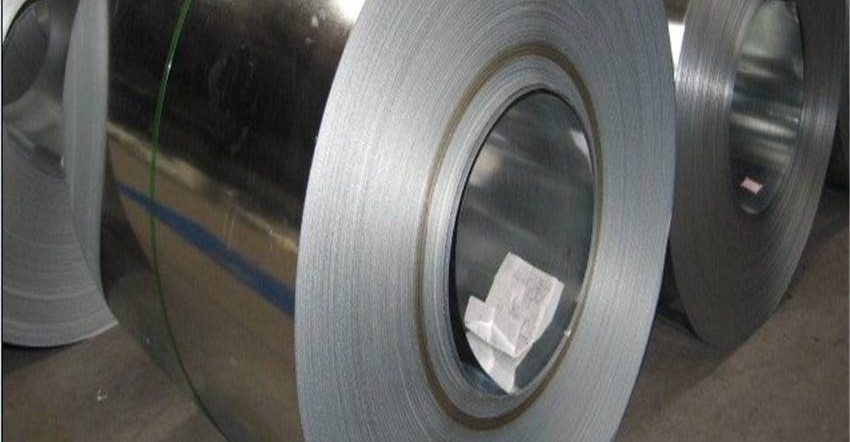
Buying galvanized steel in bulk requires more than comparing price per ton. Buyers must verify zinc coating quality, supplier legitimacy, and production consistency before placing large orders. Galvanized steel is widely used in roofing, structural framing, HVAC systems, fencing, and industrial fabrication where corrosion resistance is critical. China’s leading hot-dip galvanizing mills to ensure every shipment of galvanized steel meets your exact zinc coating and dimensional specifications. In 2026, China continues to dominate the global market, offering an unparalleled combination of scale, quality, and competitive pricing.This guide explains how industrial buyers source galvanized steel safely from China by verifying coating specifications, supplier capability, and export quality control. What is Galvanized Iron? Defining the Protective Barrier Galvanized iron, or more accurately, galvanized steel, is a metal product that has been coated with a protective layer of zinc to prevent corrosion. This process, typically achieved through hot-dip galvanizing, creates a metallurgical bond between the zinc and the underlying steel, providing a robust barrier that can withstand decades of exposure to the elements. When you buy galvanized steel, you are purchasing a material that is ready for immediate use in roofing, fencing, and structural reinforcements. The Role of Galvanized Steel in Modern Infrastructure For large construction and manufacturing projects, galvanized steel is selected because long-term corrosion resistance directly affects maintenance cost and service life. In 2026, as global infrastructure projects become more complex and demanding, the need for high-quality galvanized steel with precise zinc coating masses is at an all-time high. Working with the best steel companies in China ensures that your project is built on a foundation of strength and long-term reliability. Technical Specifications: Zinc Coatings and Spangles The characteristic spangle pattern is a hallmark of high-quality hot-dip galvanizing, indicating a uniform and well-bonded zinc protective layer. When you look to buy galvanized steel, understanding the grading system and coating specifications is crucial. The most common international standards define the zinc coating mass, often referred to by “Z” or “G” designations. For general construction, a Z275 (or G90) coating is the industry workhorse, providing 275 grams of zinc per square meter. This level of protection is perfect for outdoor applications where moisture and oxidation are constant threats. Always insist on a Mill Test Certificate (MTC) that details the exact chemical and physical properties of your order to ensure it meets responsible steel standards. Understanding Spangles and Surface Treatments The surface appearance of galvanized iron can vary based on the cooling process of the molten zinc. “Regular spangle” features the classic crystalline pattern, while “minimized” or “zero spangle” offers a smoother finish that is ideal for painting. Furthermore, surface treatments like chromating or oiling are applied to prevent “white rust” during storage and transit. Correct surface treatment and coating consistency help prevent white rust, coating failure, and costly quality claims after delivery. 2026 Galvanized Steel Specification and Price Reference Table Coating Designation Zinc Mass (g/m2) Typical Application Estimated Price (USD/ton) Z40 / G30 40 Indoor Appliances, Light Ducting $550 – $580 Z100 / G40 100 General Construction, HVAC $580 – $620 Z180 / G60 180 Roofing, Fencing, Outdoor Panels $620 – $680 Z275 / G90 275 Heavy Construction, Coastal Areas $680 – $750 Z350+ 350+ Specialized Industrial, Marine $750+ Need help sourcing steel from China? Our team helps international buyers compare steel mills, verify certifications, inspect factories, confirm technical specifications, and secure mill-direct pricing before payment. Share your project requirements today for quotation support and supplier evaluation. WhatsApp Us for Free a Consultation The Hot-Dip Galvanizing Manufacturing Process Our factory partners utilize state-of-the-art continuous galvanizing lines to ensure absolute coating uniformity and superior corrosion protection for every galvanized steel coil. The production of galvanized iron is a high-temperature, high-precision operation. In 2026, the leading Chinese mills utilize advanced continuous hot-dip technology where a steel strip is passed through a series of cleaning baths before being submerged in a molten zinc bath at approximately 450°C. As the steel emerges, air knives precisely control the thickness of the zinc layer. This rapid processing, followed by controlled cooling, is what gives the galvanized steel its uniform coating and consistent mechanical properties. Quality Control and Surface Integrity After the galvanizing bath, the steel is carefully inspected for surface defects and coating uniformity. Modern mills use sophisticated sensors to ensure the zinc layer meets the required specifications across the entire width of the strip. This careful control prevents the formation of bare spots and ensures a smooth finish, which is essential for downstream fabrication. This commitment to process excellence is a core part of our about us philosophy, ensuring that every ton of steel we deliver meets the highest international standards. How to Buy Galvanized Steel: A Procurement Guide Large galvanized steel orders involve risks beyond price, including wrong zinc coating, fake mill documentation, trader misrepresentation, and payment exposure before production begins. Whether you are a large-scale manufacturer or a construction firm, following a structured procurement process is essential for securing the best value. Working with an experienced partner like Camasteel ensures that every step of your purchase is handled with expertise and transparency. The Procurement Journey 1. Define Your Technical Requirements: Clearly specify the zinc coating mass (e.g., Z275), thickness, width, and spangle type required. 2. Select a Verified Mill: Do not rely only on supplier profiles or emails. Verify whether the supplier owns a real galvanizing line, check export history, and confirm production capability before sending any deposit. 3. Request a Comprehensive Quote: Ensure the quote covers the price, lead times, and all relevant shipping terms (FOB, CIF). 4. Insist on Quality Documentation: Always require a Mill Test Certificate (MTC) and consider third-party inspections before shipment. 5. Coordinate Logistics: Work with a logistics expert to manage the shipping and delivery of your coils to their final destination. Packaging and Shipping for Global Export We ensure that every galvanized steel coil is securely wrapped in waterproof paper and strapped to prevent any damage or moisture ingress during international transit. Once your galvanized iron is produced, ensuring
How to Import Steel to Australia: The Complete 2026 Procurement Guide

Importing steel to Australia is a sophisticated process that demands more than just finding a competitive price. In 2026, the Australian market is governed by some of the world’s strictest quality standards and complex trade regulations. For industrial buyers, EPC contractors, and large-scale manufacturers, navigating this landscape requires a strategic and professional approach. Major Australian ports like Sydney, Melbourne, and Brisbane serve as the primary gateways for high-quality steel imports destined for large-scale infrastructure projects. The Australian construction and manufacturing sectors rely heavily on high-quality steel imports to supplement local production. However, failure to comply with AS/NZS standards or a misunderstanding of anti-dumping duties can lead to catastrophic project delays and financial losses. This guide provides the essential roadmap for a successful and safe procurement journey. Why Import Steel to Australia? The decision to import steel is often driven by the need for specific technical capabilities and economic efficiency. While Australia has a robust domestic steel industry, international sourcing offers several critical advantages for large-scale projects. Understanding these drivers is the first step in your procurement strategy. In 2026, the global steel market is highly dynamic, and the best steel companies in China have invested heavily in meeting Australian technical requirements. This allows buyers to access a broader range of specialized products that may not be available locally in the required volumes. Access to Specialized Steel Grades Many advanced infrastructure and energy projects require specialized steel grades that local mills may not produce in bulk. Importing allows you to source high-performance materials like weather-resistant steel or specialized alloys directly from world-class mills. This ensures your project utilizes the most appropriate materials for its specific environment. Cost Competitiveness for Large Volumes For major construction projects, the economies of scale offered by international mills can provide significant cost savings. Even with shipping costs and tariffs, importing large volumes often remains more cost-effective than local sourcing. At Camasteel, our about us mission is to help you leverage these global advantages safely. Navigating Australian Steel Standards (AS/NZS) The most critical factor in importing steel to Australia is compliance with the relevant Australian Standards. The AS/NZS framework is designed to ensure the safety and structural integrity of buildings and infrastructure across the continent. Non-compliant steel is not just a regulatory risk; it’s a safety hazard. In 2026, the primary standards for structural steel include AS/NZS 3678, AS/NZS 3679.1, and the comprehensive AS/NZS 5131 for structural steelwork. Every batch of imported steel must be accompanied by a Mill Test Certificate (MTC) that explicitly demonstrates compliance with these specific codes. The Importance of AS/NZS 5131 Compliance AS/NZS 5131 defines the requirements for the fabrication and erection of structural steelwork. It categorizes projects into “Construction Categories” (CC1 to CC4) based on risk. Ensuring your supplier understands these categories is vital for project success. This focus on technical excellence is central to our responsible steel commitment. Verification and Third-Party Testing Never rely solely on a supplier’s word; independent verification is essential. For high-risk projects, we recommend third-party laboratory testing in Australia to confirm the chemical and mechanical properties of the imported steel. This proactive approach is a hallmark of the many success stories we’ve facilitated for Australian clients. Professional on-site inspection is mandatory steps to ensure that every imported steel beam meets Australia’s strict structural safety standards. 2026 Australia Steel Import Reference Table Product Category Relevant AS/NZS Standard Common Grades Estimated Price (AUD/tonne) Structural Beams AS/NZS 3679.1 300, 350, 350L0 $1,800 – $2,200 Steel Plate AS/NZS 3678 250, 350, 450 $1,650 – $2,100 Hollow Sections AS/NZS 1163 C250L0, C350L0 $1,900 – $2,400 Reinforcing Bar AS/NZS 4671 500N, 500E $1,400 – $1,750 Coated Coils AS/NZS 2728 G300, G550 $2,200 – $2,800 Need help sourcing steel from China? Our team helps international buyers compare steel mills, verify certifications, inspect factories, confirm technical specifications, and secure mill-direct pricing before payment. Share your project requirements today for quotation support and supplier evaluation. WhatsApp Us for Free a Consultation Understanding Tariffs and Anti-Dumping Duties Australia actively protects its domestic steel industry through a series of anti-dumping and countervailing duties. In 2026, these duties can significantly impact the final landed cost of your steel. It is essential to check the latest findings from the Anti-Dumping Commission before finalizing any purchase. The Impact of Anti-Dumping Measures Anti-dumping duties are applied to specific products from specific countries to prevent unfair competition. For example, certain types of hot-rolled coil or structural sections from various countries may be subject to duties ranging from 5% to over 80%. Accurately calculating these costs is a vital part of your financial planning. Tariff Concession System (TCS) If a specific steel product is not produced in Australia, you may be eligible for a Tariff Concession Order (TCO). This can reduce the general duty rate to zero, providing a significant cost advantage. Navigating the TCS requires detailed technical knowledge of both the imported product and the local manufacturing landscape. Top-tier Chinese mills utilize advanced automated production lines specifically calibrated to meet the chemical and mechanical requirements of Australian steel standards. How to Import Steel to Australia: A Step-by-Step Guide A successful import operation requires a structured and disciplined approach. In 2026, the process has become more data-driven, but the fundamental steps remain the same. Follow this professional guide to ensure your steel procurement is efficient, compliant, and cost-effective. 1. Detailed Technical Specification Start by defining your requirements using the exact AS/NZS codes. Don’t just ask for “Grade 350 steel”; specify the standard, the thickness tolerances, and any specific testing requirements (like Charpy V-notch impact testing). Clear specifications are the only way to ensure you receive what you pay for. 2. Rigorous Supplier Prequalification Only work with mills that have a proven track record of exporting to Australia. Ask for previous MTCs and evidence of third-party certifications. If possible, conduct a factory audit to verify their quality management systems and production capacity. A verified supplier is your best insurance against project delays. 3. Comprehensive Quality Control Plan Implement a quality control plan that includes
How to Buy Steel Grinding Rods from China: Prices, Manufacturers & Quality Guide (2026)
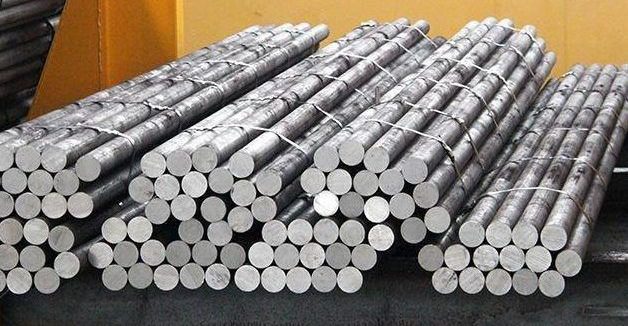
In the high-stakes world of mining and industrial milling, the quality of your grinding media can make or break your operational efficiency. As we navigate through 2026, the decision to buy steel grinding rod from the global market has become a strategic necessity for companies aiming to optimize their cost-per-ton of processed material. Premium steel grinding rods in bulk storage at Chinese mill China remains the undisputed leader in this sector, providing a robust ecosystem of manufacturers that blend traditional metallurgical expertise with cutting-edge production technology. This guide is designed to help you navigate this complex landscape and secure a reliable supply of premium grinding media for your mining operations. What are Steel Grinding Rods? Steel grinding rods are long, cylindrical bars made from specialized high-carbon or alloy steel. They are the primary grinding media used in rod mills, where they tumble and crush ore through line contact. This unique action makes them ideal for applications requiring a uniform particle size distribution. When you look to buy steel grinding rod, you aren’t just buying metal; you’re investing in the crushing efficiency of your entire facility. The rods must be perfectly straight and have a uniform hardness from surface to core. They must also possess high wear resistance to withstand the brutal environment inside a rotating mill. The Role of Grinding Rods in Modern Mining In 2026, as mining operations move toward more challenging ores, the demand for high-performance grinding media has skyrocketed. Working with the best steel companies in China ensures that your rod mill operates at peak capacity. This directly reduces the frequency of mill shutdowns for media replacement. High-quality rods significantly impact your bottom line by maintaining operational consistency. Their ability to maintain straightness under intense pressure is what separates premium Chinese manufacturers from lower-tier suppliers. This reliability is essential for large-scale mining projects that require consistent output and minimal maintenance. State-of-the-art Chinese mills utilize automated heat-treatment processes to ensure every grinding rod meets strict industrial hardness standards. Common Specifications and Technical Grades Understanding the technical nuances is crucial when you decide to buy steel grinding rod. Most industrial applications utilize high-carbon steel grades, often micro-alloyed with elements like chromium or manganese. These elements are carefully balanced to enhance durability and prevent breakage during the grinding process. Standard Dimensions and Hardness The most common diameters range from 40mm to 120mm, with lengths typically cut to match the internal dimensions of your specific rod mill. Surface hardness is usually maintained between 45 and 55 HRC (Rockwell C). Custom heat treatments can achieve even higher levels for extremely abrasive ores. Chemical Composition and Wear Resistance The wear rate of your grinding rods is directly linked to their chemical makeup. Precise control of carbon, silicon, and manganese levels ensures the rods don’t break or “mushroom” at the ends. Always insist on a comprehensive Mill Test Certificate (MTC) to verify these properties before finalizing any large-scale procurement. 2026 Steel Grinding Rod Price and Spec Reference Table Grade / Type Diameter Range (mm) Typical Hardness (HRC) Estimated Price (USD/ton) High Carbon (Standard) 40 – 100 45 – 50 $620 – $680 Alloy Steel (Premium) 50 – 120 52 – 58 $720 – $850 Custom Wear-Resistant 40 – 110 55 – 60 $850+ Standard Mining Grade 60 – 100 40 – 48 $580 – $630 Need help sourcing steel from China? Our team helps international buyers compare steel mills, verify certifications, inspect factories, confirm technical specifications, and secure mill-direct pricing before payment. Share your project requirements today for quotation support and supplier evaluation. WhatsApp Us for Free a Consultation Why Buy Steel Grinding Rods from China? The decision to source from China is driven by more than just the initial price tag. In 2026, Chinese manufacturers offer a unique value proposition that combines massive scale with specialized technical support. This combination ensures that industrial buyers can meet their production targets while maintaining strict quality standards. Unparalleled Production Scale Whether you need a single container or a thousand tons for a major project, Chinese mills have the capacity to deliver. This scale allows for more consistent quality across large batches, which is essential for stable mill performance. It also provides the flexibility to handle sudden increases in production demand. Advanced Heat Treatment Technology Modern Chinese factories utilize sophisticated quenching and tempering lines that ensure the rods have a uniform metallurgical structure. This prevents the common problem of “soft cores,” where the rod wears down rapidly once the surface layer is gone. This technology is a key differentiator for premium Chinese grinding media. Rigorous dimensional checks and surface inspections are performed on every batch of grinding rods to ensure perfect fit and performance in the mill. How to Buy Steel Grinding Rod: A Step-by-Step Procurement Guide Buying in bulk requires a structured approach to mitigate risk and ensure value. Follow these steps to streamline your procurement process in 2026. Working with an experienced partner like Camasteel ensures that every step of your purchase is handled with professional expertise and complete transparency. Massive inventory levels in Chinese warehouses allow for rapid dispatch, minimizing lead times for critical mining operations. 1. Define Your Mill’s Technical Requirements Start by identifying the exact diameter, length, and hardness your mill requires. Consider the abrasiveness of the ore you are processing, as this will dictate the steel grade needed. Having clear specifications from the start prevents costly errors and ensures the media performs as expected. 2. Verify the Manufacturer’s Credentials Don’t just take a supplier’s word for it; conduct factory audits to verify their legitimacy. Hire a third-party service to ensure the manufacturer has the necessary quality certifications, such as ISO 9001. This step is critical for high-value orders where quality consistency is paramount. 3. Request and Review Samples For new suppliers, always request a small sample batch for testing before placing a full order. This allows you to verify the wear rate and breakage resistance in a controlled environment. Testing ensures that the rods can withstand the specific conditions of
How to Buy PPGI Steel Coils from China: Prices, Suppliers & Quality Guide (2026)

In the vibrant world of modern architecture and industrial manufacturing, few materials offer the combination of aesthetic appeal and long-lasting protection quite like PPGI steel coils. As the primary material for everything from sleek residential roofing to durable home appliance panels, the decision to buy PPGI steel coils is a critical step for businesses looking to balance cost with high-end performance. China’s leading color-coating mills to ensure every PPGI steel coil meets your exact RAL color and coating thickness specifications. In 2026, China continues to lead the global market, providing an incredible array of colors, finishes, and technical specifications. This guide will walk you through the essential steps to secure a reliable supply of premium color-coated steel from the world’s top producers. What are PPGI Steel Coils? The Fusion of Color and Strength PPGI, or Pre-Painted Galvanized Iron, is a factory-painted steel product that combines the structural strength of steel with the corrosion resistance of a zinc coating and the aesthetic versatility of a high-quality paint finish. Unlike traditional painting methods, PPGI is produced through a continuous coil coating process, ensuring a uniform and durable finish that is far superior to field-applied coatings. When you buy PPGI steel coils, you are purchasing a material that is ready for immediate fabrication into roofing sheets, wall cladding, or decorative panels. The Versatility of Color-Coated Steel in 2026 The demand for PPGI steel coils has surged in 2026 as global construction projects prioritize both durability and design. The ability to choose from thousands of RAL colors allows architects and manufacturers to create visually stunning structures that also stand the test of time. Whether it’s a bold red for an industrial warehouse or a clean white for a modern office building, working with the best steel companies in China ensures that your project benefits from the latest advancements in coating technology and color consistency. Technical Specifications: Substrates, Coatings, and Colors Precision-applied color coatings provide exceptional weather resistance and a flawless finish, making our PPGI coils the ideal choice for premium roofing and cladding projects. When you look to buy PPGI steel coils, understanding the technical specifications is paramount. The performance of the coil is determined by the quality of the galvanized substrate, the mass of the zinc coating, and the type of paint used. In 2026, the industry standard for high-quality PPGI includes a topcoat thickness of 15-25 microns and a backcoat of 5-10 microns. This multi-layer protection ensures that the steel remains vibrant and rust-free even in harsh environmental conditions. Always insist on a Mill Test Certificate (MTC) that confirms these specs to ensure your purchase meets responsible steel standards. Choosing the Right Paint System for Your Environment The type of paint you choose when you buy PPGI steel coils should be dictated by the final application’s environment. For standard indoor use, a Polyester (PE) coating is often sufficient and cost-effective. However, for outdoor applications in high-UV or coastal areas, High Durability Polyester (HDP) or Polyvinylidene Fluoride (PVDF) coatings are recommended for their superior resistance to fading and corrosion. This careful selection process is what drives our success stories in diverse climates around the world. 2026 PPGI Steel Coil Specification and Price Reference Table Coating Type Typical Thickness (mm) Zinc Coating (g/m2) Estimated Price (USD/ton) PE (Polyester) 0.3 – 0.8 Z40 – Z60 $750 – $820 SMP (Silicon Modified) 0.4 – 1.0 Z60 – Z100 $800 – $880 HDP (High Durability) 0.4 – 1.2 Z100 – Z180 $850 – $920 PVDF (Premium) 0.5 – 1.5 Z120 – Z275 $950 – $1,100 Textured / Wood Grain Custom Z60+ $900+ Need help sourcing steel from China? Our team helps international buyers compare steel mills, verify certifications, inspect factories, confirm technical specifications, and secure mill-direct pricing before payment. Share your project requirements today for quotation support and supplier evaluation. WhatsApp Us for Free a Consultation The PPGI Steel Coil Manufacturing Process Our factory partners utilize state-of-the-art continuous coating lines to ensure absolute color uniformity and superior paint adhesion for every PPGI steel coil. The production of a PPGI steel coil is a highly controlled, multi-stage process. In 2026, the leading Chinese mills utilize advanced continuous coating lines where the galvanized steel strip is first cleaned and chemically pre-treated to ensure maximum paint adhesion. A primer is then applied and cured, followed by the final topcoat and backcoat. This “two-coat, two-bake” process ensures that the paint is permanently bonded to the steel, providing a finish that can withstand the rigors of roll-forming and long-term exposure to the elements. Quality Control and Color Matching Consistency is the hallmark of a high-quality PPGI steel coil. Modern mills use sophisticated color-matching technology to ensure that every batch of steel perfectly matches the requested RAL code. Furthermore, rigorous testing for paint thickness, T-bend flexibility, and impact resistance is performed to ensure the coating will not crack or peel during fabrication. When you buy PPGI steel coils from a top-tier producer, you are getting a product that has been engineered for both beauty and brawn. This commitment to excellence is a core part of our about us philosophy. How to Buy PPGI Steel Coils: A Procurement Guide Buying PPGI steel coils in bulk requires a professional approach to navigate the global market effectively. In 2026, while the market is highly efficient, it still requires a deep understanding of coating technologies, RAL color standards, and international trade regulations. Whether you are a large-scale roofing manufacturer or a construction firm, following a structured procurement process is essential for securing the best value. Working with an experienced partner like Camasteel ensures that every step of your purchase is handled with expertise and transparency. The Procurement Journey 1. Define Your Technical Requirements: Clearly specify the thickness, width, zinc coating mass, and the exact RAL color code required. 2. Select a Verified Mill: Choose a mill with a proven track record of quality and reliability in the international color-coated steel market. 3. Request a Comprehensive Quote: Ensure the quote covers the price, lead times, and all
What is Forged Steel Grinding Ball and How to Buy Forged Steel Grinding Ball?
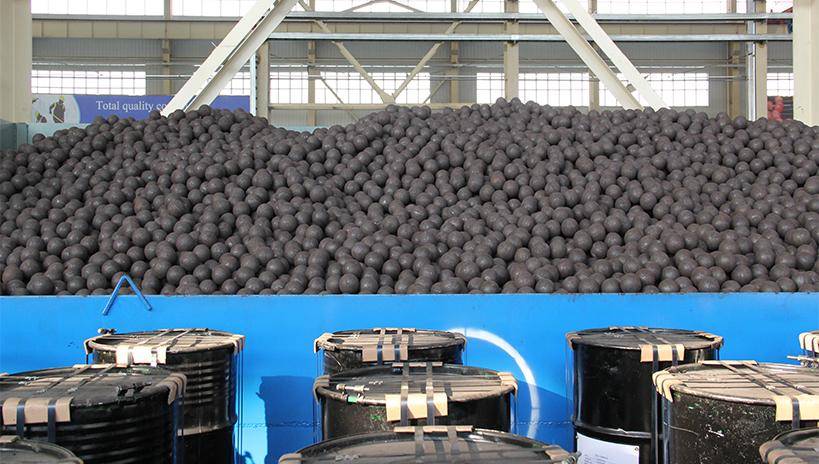
In the high-stakes world of mineral processing and industrial milling, the durability of your grinding media is a direct driver of your operational efficiency. When you decide to buy forged grinding balls, you are investing in the most robust and reliable media available for high-impact environments. In 2026, China remains the global leader in the production of these essential components, offering a sophisticated range of forged steel balls that power the world’s largest SAG and ball mills. High-volume stock of forged grinding balls ready for industrial export This guide will help you navigate the procurement process, understand the technical nuances, and secure the best value for your operation. What are Forged Grinding Balls? The Pinnacle of Durability Forged grinding balls are semi-finished steel spheres produced through a high-energy forging process. Unlike cast balls, which are made by pouring molten metal into molds, forged balls are created by heating a high-quality steel bar and then hammering or rolling it into a sphere. This process creates a dense, uniform internal structure that is free from the porosity and casting defects often found in other media. When you buy forged grinding balls, you are getting a product that is specifically engineered to withstand the constant, high-velocity impacts of modern industrial mills. The Role of Forged Media in High-Impact Milling The primary advantage of forged media is its exceptional impact toughness. In large-scale SAG (Semi-Autogenous Grinding) mills, the grinding balls are subjected to massive forces as they are lifted and dropped onto the ore. Forged balls are uniquely capable of absorbing these impacts without cracking or breaking. By choosing to buy forged grinding balls for your high-impact stages, you can significantly reduce media consumption and avoid the costly downtime associated with mill cleanouts. This commitment to efficiency is a core part of responsible steel practices. Technical Specifications: Hardness, Toughness, and Composition Precision-engineered forged steel balls offer a perfect balance of surface hardness and core toughness, ensuring even wear and a long service life. To ensure you get the right product when you buy forged grinding balls, you must understand the technical specifications that define their performance. The most critical factors are surface hardness, volumetric hardness, and impact toughness. In 2026, the best steel companies in China utilize advanced heat treatment processes to achieve a hardness profile that is consistent from the surface to the core. This ensures that the balls maintain their shape and grinding efficiency as they wear down over time. Chemical Composition and Material Grades The performance of a forged ball is rooted in its chemical makeup. High-carbon steel (typically 0.6% to 1.0% carbon) is used to provide the necessary hardness, while elements like manganese and chromium are added to enhance toughness and wear resistance. Common grades like B2 and B3 are widely used in the international market. When you buy forged grinding balls, always insist on a Mill Test Certificate (MTC) that details the exact chemical composition and physical properties of your order. This transparency is essential for building your own success stories. 2026 Forged Grinding Ball Specification and Price Reference Table Diameter (mm) Surface Hardness (HRC) Impact Toughness (J/cm2) Estimated Price (USD/ton) 20 – 40 60 – 68 12 – 15 $510 – $550 50 – 80 60 – 65 12 – 18 $530 – $580 90 – 120 58 – 63 15 – 20 $560 – $620 130 – 150 55 – 60 18 – 25 $600 – $680 Custom Alloy 60+ 20+ $700+ Need help sourcing steel from China? Our team helps international buyers compare steel mills, verify certifications, inspect factories, confirm technical specifications, and secure mill-direct pricing before payment. Share your project requirements today for quotation support and supplier evaluation. WhatsApp Us for Free a Consultation The Forged Grinding Ball Manufacturing Process Our factory partners utilize fully automated forging lines to ensure every ball is produced with consistent dimensional accuracy and a uniform internal structure. The production of high-quality forged media is a marvel of modern industrial engineering. In 2026, the leading Chinese factories use fully automated production lines to ensure absolute consistency across every batch. The process begins with high-quality steel round bars that are heated in an induction furnace and then forged into spheres using automatic hammers or rolling machines. This is followed by a sophisticated heat treatment process, including quenching and tempering, to achieve the desired hardness and toughness. When you buy forged grinding balls from a top-tier factory, you are getting a product that has been engineered for maximum durability. Quality Control and Rigorous Testing Rigorous testing is essential for ensuring the reliability of your forged media. Top manufacturers perform a variety of tests, including drop ball tests (to simulate high-impact conditions), hardness testing, and chemical analysis. A breakage rate of less than 1% is the industry standard for high-quality forged balls. By insisting on these tests before you buy forged grinding balls, you can avoid the costly downtime associated with media failure in your mill. This commitment to quality is a core part of our about us philosophy. How to Buy Forged Grinding Balls: A Procurement Guide Procuring forged grinding balls in bulk requires a strategic approach to ensure you get the right quality at a competitive price. In 2026, the global market is more accessible than ever, but it still requires careful management to ensure your supply chain remains robust. Whether you are a large mining conglomerate or a specialized industrial mill, following a structured process will help you buy forged grinding balls with confidence. Working with an experienced partner like Camasteel ensures that every aspect of your procurement is handled professionally. The Procurement Journey 1. Analyze Your Milling Environment: Determine the impact forces and abrasiveness of your material to select the right ball size and hardness. 2. Select a Verified Manufacturer: Choose a manufacturer with a proven track record of supplying major mining and industrial operations. 3. Request a Detailed Quote: Ensure the quote includes technical specs, lead times, and shipping terms (e.g., FOB, CIF). 4. Verify Quality Documentation:
How to Buy Steel Wire Rod
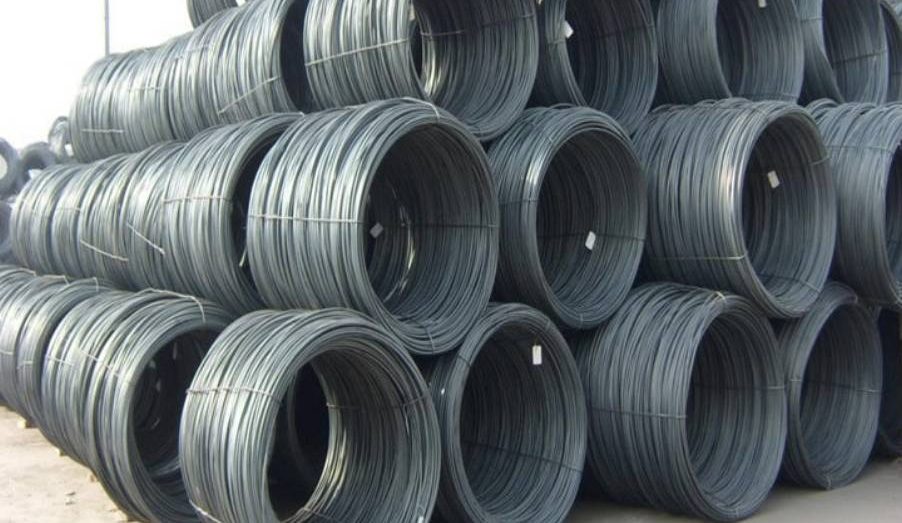
In the vast landscape of industrial materials, few products are as versatile or as essential as the steel wire rod. As the primary feedstock for thousands of downstream products—from the nails in your walls to the high-tensile springs in your car—the decision to buy steel wire rod is a foundational step for any manufacturing or construction business. Premium steel wire rod coils in bulk storage at Chinese mills. In 2026, China continues to dominate the global market, offering an unparalleled combination of scale, quality, and competitive pricing. This guide will walk you through everything you need to know to secure a reliable supply of high-quality wire rod from the world’s leading producers. What is Steel Wire Rod? Defining the Feedstock At its core, a steel wire rod is a hot-rolled product, typically delivered in large coils, with a diameter ranging from 5.5mm to 20mm. Unlike finished wire, which has been cold-drawn to a precise gauge, the wire rod is a semi-finished product that is ready for further processing. When you buy steel wire rod, you are purchasing a highly adaptable material that can be transformed into wire mesh, fasteners, fencing, and structural reinforcements. Its circular cross-section and consistent metallurgical properties make it the ideal starting point for high-speed industrial drawing machines. The Role of Wire Rod in Modern Infrastructure The importance of the steel wire rod in modern construction cannot be overstated. It is the lifeblood of the wire drawing industry, where it is reduced in diameter to create the reinforcing mesh that strengthens our concrete structures. In 2026, as global infrastructure projects become more complex, the demand for high-quality wire rod with precise chemical compositions is at an all-time high. Working with the best steel companies in China ensures that your project is built on a foundation of strength and reliability. Common Grades and Technical Specifications Precision-rolled 5.5mm wire rod is the industry standard for high-speed wire drawing and the production of high-quality industrial fasteners. When you look to buy steel wire rod, understanding the grading system is crucial. The most common international standards are the SAE/AISI grades, which define the steel’s chemical composition. For general construction and wire drawing, low-carbon grades like SAE 1006 and SAE 1008 are the industry workhorses. These grades offer excellent ductility and weldability, making them perfect for everything from common nails to welded wire mesh. For more specialized applications, high-carbon and alloy wire rods are used to provide the strength and durability required for springs and wire ropes. Understanding Chemical Composition and Tolerances The performance of your final product is directly linked to the chemical makeup of the steel wire rod. Elements like carbon, manganese, and silicon are carefully controlled to ensure the steel has the right balance of strength and flexibility. Furthermore, dimensional tolerances are critical; a wire rod that is out of round or has surface defects can cause significant issues during the drawing process. Always insist on a Mill Test Certificate (MTC) that details the exact chemical and physical properties of your order to ensure it meets responsible steel standards. 2026 Steel Wire Rod Specification and Price Reference Table Grade Common Sizes (mm) Typical Application Estimated Price (USD/ton) SAE 1006 5.5, 6.5, 8.0 High-Quality Wire Drawing, Galvanized Wire $510 – $530 SAE 1008 5.5, 6.5, 8.0 Nails, Mesh, General Construction $500 – $520 Q195 / Q235 5.5 – 12.0 Construction Mesh, Fencing, Small Parts $490 – $510 High Carbon 5.5 – 10.0 Springs, Wire Ropes, High-Strength Wire $580 – $650 Alloy Steel Custom Sizes Specialized Industrial Fasteners, Automotive $650+ Need help sourcing steel from China? Our team helps international buyers compare steel mills, verify certifications, inspect factories, confirm technical specifications, and secure mill-direct pricing before payment. Share your project requirements today for quotation support and supplier evaluation. WhatsApp Us for Free a Consultation The Steel Wire Rod Manufacturing Process Our factory partners utilize state-of-the-art high-speed rolling mills to produce wire rods with exceptional surface quality and dimensional precision. The production of a steel wire rod is a high-speed, high-precision operation. In 2026, the leading Chinese mills utilize advanced hot-rolling technology where a steel billet is heated to over 1,100°C and then passed through a series of rolling stands. As the billet is reduced in diameter, its speed increases dramatically, often reaching over 100 meters per second by the time it reaches the coiler. This rapid processing, followed by controlled cooling, is what gives the wire rod its uniform grain structure and consistent mechanical properties. Controlled Cooling and Surface Quality After the final rolling pass, the steel wire rod is laid into a series of overlapping loops on a conveyor belt. This stage is critical, as the rate of cooling determines the steel’s final hardness and ductility. Modern mills use sophisticated air-cooling systems to ensure the rod reaches the desired temperature profile. This careful control prevents the formation of scale and ensures a smooth surface finish, which is essential for downstream drawing operations. This commitment to process excellence is what drives our success stories across the globe. How to Buy Steel Wire Rod: A Procurement Guide Buying steel wire rod in bulk requires a professional approach to navigate the global market effectively. In 2026, while the market is highly efficient, it still requires a deep understanding of logistics, quality control, and trade regulations. Whether you are a large-scale wire manufacturer or a construction firm, following a structured procurement process is essential for securing the best value. Working with an experienced partner like Camasteel ensures that every step of your purchase is handled with expertise and transparency. The Procurement Journey 1. Define Your Technical Requirements: Clearly specify the grade (e.g., SAE 1008), diameter, and any specific chemical tolerances required. 2. Select a Verified Mill: Choose a mill with a proven track record of quality and reliability in the international market. 3. Request a Comprehensive Quote: Ensure the quote covers the price, lead times, and all relevant shipping terms (FOB, CIF). 4. Insist on Quality Documentation: Always require a Mill Test Certificate
How to Buy Grinding Media from China: Prices, Suppliers & Quality Guide (2026)
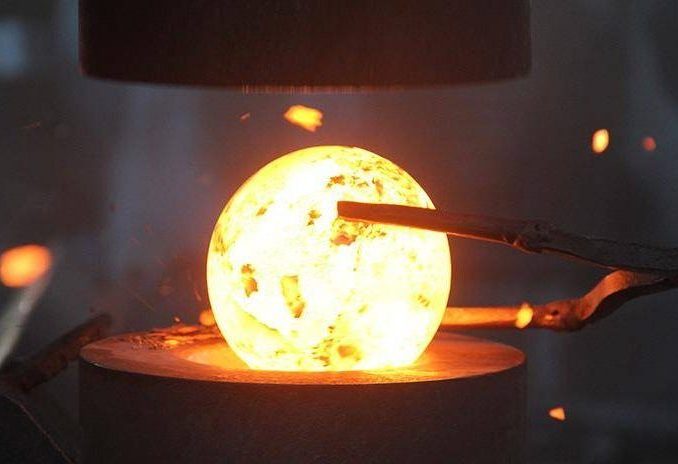
In the demanding world of mining and mineral processing, the efficiency of your milling operation often comes down to a single, critical component: your grinding media. Whether you are crushing ore or cement clinker, the decision to buy grinding media is one of the most significant procurement choices you will make. High-temperature forging process of premium grinding media balls In 2026, China remains the global powerhouse for high-quality steel balls, offering a sophisticated range of forged and cast options that meet the rigorous demands of modern industrial mills. This guide will help you navigate the complexities of the market and ensure you get the best value for your operation. What is Steel Grinding Media? Understanding the Basics Steel grinding media are the high-density balls or rods used in a mill to crush and grind bulk materials into finer powders. When you buy grinding media, you are essentially purchasing the “teeth” of your milling machine. These media work through a combination of impact and attrition, where the falling balls strike the material and the rolling action grinds it down. The quality of the steel used is paramount, as it must be hard enough to resist wear but tough enough to withstand constant high-impact collisions without breaking. The Role of Grinding Balls in Industrial Milling The performance of a ball mill is directly tied to the quality of the grinding balls inside it. High-quality media ensure a consistent particle size distribution, which is essential for downstream processes like flotation or leaching in mining. By choosing to buy grinding media that is engineered for your specific material, you can significantly reduce your energy consumption and lower your overall cost per ton of ground material. In 2026, as sustainability becomes a priority, the efficiency of your grinding media is more important than ever. Forged vs. Cast Steel Balls: Which Should You Choose? Forged steel balls are renowned for their high density and superior impact toughness, making them the ideal choice for high-impact SAG mills. One of the most common questions when looking to buy grinding media is whether to choose forged or cast steel balls. While they may look similar, the manufacturing processes result in very different performance characteristics. Forged balls are made by heating a steel bar and then hammering or rolling it into a sphere, which creates a dense, uniform internal structure. Cast balls, on the other hand, are made by pouring molten steel into molds, often with high chromium content to provide exceptional wear resistance in abrasive environments. Matching Media to Your Milling Environment Forged Steel Balls: These are the preferred choice for high-impact environments like SAG (Semi-Autogenous Grinding) mills. Their superior toughness means they are less likely to break or chip under heavy impact. High Chrome Cast Balls: These are ideal for abrasive environments where impact is lower, such as in cement mills or secondary grinding stages. The high chromium content provides a hard surface that resists wear from abrasive materials. Grinding Rods: Used in rod mills for coarse grinding, these provide a more uniform product with fewer fines, which is critical for certain mineral processing applications. Technical Specifications and Quality Standards To ensure you get the right product when you buy grinding media, you must understand the technical specifications. Grinding balls are categorized by their diameter, hardness, and chemical composition. In 2026, the best steel companies in China produce media that comply with all major international standards, ensuring they can handle the stresses of global mining operations. Strict quality control inspection ensuring precise dimensions of grinding media balls Hardness and Wear Resistance The hardness of a grinding ball is typically measured on the Rockwell C scale (HRC). Most high-quality steel balls have a surface hardness of 55-65 HRC. However, it’s not just the surface that matters; the volumetric hardness (the hardness throughout the ball) is also critical for ensuring even wear as the ball gets smaller. When you buy grinding media, always request a detailed hardness profile to ensure the balls will perform consistently throughout their lifecycle. 2026 Grinding Media Specification and Price Reference Table Media Type Common Sizes (mm) Typical Hardness (HRC) Estimated Price (USD/ton) Forged Steel Balls 20 – 150 58 – 65 $550 – $650 High Chrome Cast 20 – 120 60 – 66 $600 – $750 Low Chrome Cast 20 – 120 45 – 55 $450 – $550 Grinding Rods 40 – 100 (Dia) 45 – 55 $580 – $680 Steel Cylpebs 12×12 – 35×35 55 – 62 $520 – $620 Need help sourcing steel from China? Our team helps international buyers compare steel mills, verify certifications, inspect factories, confirm technical specifications, and secure mill-direct pricing before payment. Share your project requirements today for quotation support and supplier evaluation. WhatsApp Us for Free a Consultation The Grinding Media Manufacturing Process Our factory partners utilize state-of-the-art automatic forging lines to produce grinding balls with exceptional dimensional accuracy and internal density. The production of high-quality grinding media is a precision process. In 2026, the leading Chinese factories use fully automated production lines to ensure consistency across every batch. For forged balls, the process begins with high-quality steel round bars that are heated in an induction furnace and then forged into spheres. This is followed by a sophisticated heat treatment process, including quenching and tempering, to achieve the desired hardness and toughness. When you buy grinding media from a top-tier factory, you are getting a product that has been engineered for maximum durability. Quality Control and Testing Rigorous testing is essential for ensuring the reliability of your grinding media. Top manufacturers perform a variety of tests, including drop ball tests (to simulate high-impact conditions), hardness testing, and chemical analysis. A breakage rate of less than 1% is the industry standard for high-quality forged balls. By insisting on these tests before you buy grinding media, you can avoid the costly downtime associated with media failure in your mill. This commitment to quality is a core part of responsible steel practices. How to Buy Grinding Media: A Step-by-Step Guide
What is Seamless Steel Pipe and How to Buy Seamless Steel Pipes
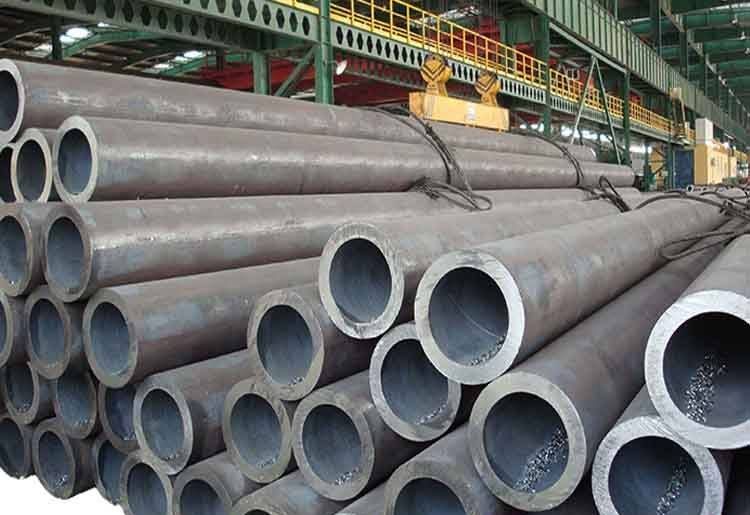
When you’re in the market for high-pressure or high-temperature applications, the decision to buy a seamless pipe is often the most critical choice you’ll make. Unlike welded alternatives, seamless pipes offer superior strength and uniformity, making them indispensable for the oil and gas, chemical, and power generation industries. In 2026, China continues to lead the world in seamless pipe production, offering a sophisticated blend of traditional manufacturing excellence and cutting-edge quality control. High-quality seamless steel pipes ready for bulk export This guide will help you navigate the complexities of the Chinese market to secure the best products for your needs. Why Choose Seamless Pipe for Your Industrial Projects? The primary reason to buy a seamless pipe is its inherent structural integrity. Because these pipes are manufactured from a solid steel billet that is pierced and rolled, they have no longitudinal weld seam. This absence of a seam eliminates a potential point of failure, allowing the pipe to withstand much higher internal pressures and more aggressive environments than welded pipes. In 2026, as industrial projects become more demanding, the reliability of seamless technology is more valuable than ever. Superior Strength and Pressure Resistance Seamless pipes are the gold standard for high-pressure environments. Their uniform wall thickness and lack of seams mean they can handle extreme stress without the risk of bursting or leaking. This makes them the preferred choice for critical applications like boiler tubes, hydraulic systems, and high-pressure gas lines. When you buy a seamless pipe, you’re investing in the long-term safety and efficiency of your infrastructure. Understanding Seamless Pipe Prices in 2026 The smooth, uniform finish of our seamless pipes is a testament to the advanced manufacturing processes used in our partner mills. Pricing for seamless pipes is influenced by a variety of factors, from raw material costs to the complexity of the manufacturing process. In 2026, the market will see some upward pressure due to rising energy costs and the demand for higher-grade alloys. Generally, you can expect to buy seamless pipe at prices ranging from $670 to $1,350 per metric ton for carbon and alloy steel, while stainless steel options can exceed $5,000 per ton. Factors Influencing Your Procurement Costs Several key elements will determine the final price when you decide to buy seamless pipe: Material Grade: Higher grades like API 5L X70 or ASTM A335 P22 command a premium due to their specialized chemical composition and mechanical properties. Manufacturing Method: Cold-drawn pipes, which offer tighter tolerances and a smoother finish, are typically 10-30% more expensive than hot-rolled pipes. Dimensions and Wall Thickness: Thicker walls and non-standard diameters require more material and more intensive processing, driving up the cost. Surface Treatments: Options like galvanizing or specialized anti-corrosion coatings add to the final price but are essential for many environments. 2026 Seamless Pipe Price Reference Table Material Type Standard Typical Price Range (USD/ton) Carbon Steel ASTM A106 / GB/T 8163 $670 – $780 Line Pipe API 5L (X42 – X60) $750 – $920 High-Strength Line Pipe API 5L (X65 – X70) $860 – $980 Alloy Steel ASTM A335 (P11 – P22) $1,080 – $1,350 Stainless Steel ASTM A312 (304/316L) $3,600 – $5,200 Need help sourcing steel from China? Our team helps international buyers compare steel mills, verify certifications, inspect factories, confirm technical specifications, and secure mill-direct pricing before payment. Share your project requirements today for quotation support and supplier evaluation. WhatsApp Us for Free a Consultation Top Seamless Pipe Mills in China Finding a reliable mill is the most important step when you buy seamless pipe. China is home to some of the world’s most advanced steel production facilities, many of which are featured in our best steel companies in China pillar page. These mills have invested heavily in automation and quality control to meet the rigorous demands of international buyers. Leading Manufacturers to Consider When sourcing, look for mills with a strong reputation for quality and consistency. Companies like Baosteel, TPCO (Tianjin Pipe Corporation), and Hengyang Steel Pipe are global leaders in the seamless sector. These mills not only produce high-quality products but also provide the comprehensive documentation and success stories that give international buyers peace of mind. The Seamless Pipe Manufacturing Process Our factory partners use advanced piercing and rolling technology to create seamless pipes with exceptional structural integrity. The process of creating a seamless pipe is a marvel of modern engineering. It begins with a solid round steel billet that is heated to a high temperature and then pierced through its center to create a hollow shell. This shell is then rolled and stretched to achieve the desired diameter and wall thickness. This intensive process is what gives the pipe its superior strength and makes it the preferred choice when you buy seamless pipe for critical applications. Hot Rolled vs. Cold Drawn Pipes Depending on your project’s requirements, you may choose between hot-rolled and cold-drawn seamless pipes. Hot-rolled pipes are the most common and cost-effective, suitable for most structural and industrial uses. Cold-drawn pipes, however, undergo an additional process at room temperature to achieve much tighter dimensional tolerances and a superior surface finish. If your application requires high precision, you should buy a seamless pipe that has been cold-drawn. Essential Inspection Guide for Seamless Pipes We conduct comprehensive non-destructive testing, including ultrasonic and hydrostatic tests, to ensure every pipe is defect-free. Quality assurance is non-negotiable when you buy a seamless pipe. Because these pipes are often used in high-stakes environments, they must undergo a series of rigorous tests to ensure they meet the required standards. A comprehensive inspection should cover everything from visual appearance to internal structural integrity. Key Inspection Steps and Tests Visual and Dimensional Inspection: Checking for surface defects, proper markings, and verifying that the outer diameter, wall thickness, and length meet the specifications. Mechanical Testing: Performing tensile, yield, and elongation tests to confirm the pipe’s strength and ductility. Non-Destructive Testing (NDT): Using methods like Ultrasonic Testing (UT) or Eddy Current Testing (ET) to detect any internal flaws or cracks that aren’t
What are U Beams and How to Buy U Beams (2026 Guide)
When it comes to structural steel, the U beam is one of the most versatile and widely used profiles in the industry. Whether you’re building a massive warehouse, a modern bridge, or a specialized piece of machinery, the decision to buy U beams is often at the core of your structural design. In 2026, the global steel market offers a sophisticated range of U beam options, with China leading the way in both production volume and technical innovation. Our team of expert engineers works closely with international clients to ensure that every U beam order meets the precise structural requirements of their projects. This guide explains how industrial buyers source U beams from China safely, avoid supplier risks, and verify steel quality before placing large-volume orders. What are U Beams? Understanding the Basics A U beam, also called a Parallel Flange Channel (PFC) or U-channel, is a structural steel profile with a U-shaped cross-section. It has a flat web and two parallel flanges, making it strong, easy to connect, and suitable for heavy structural work. Industrial buyers often choose U beams for: Warehouse structures Bridge supports Steel framing systems Machinery bases Industrial platforms Their design provides strong load capacity while keeping steel usage efficient. The Structural Advantages of the U Shape For project-scale procurement, U beams are preferred because they offer: Strong load-bearing performance Easier bolting and welding Better structural alignment Faster installation on site Lower fabrication and labor costs The parallel flanges make connections more reliable than tapered channels, which is especially important for large industrial construction projects. U Beam vs. C Channel: What’s the Difference? The parallel flanges of our high-quality U beams make them easier to join and bolt, providing a superior structural solution for modern framing. U beams and C channels look similar, but the main difference is the flange shape. U Beams (PFC): parallel flanges with equal thickness C Channels: tapered flanges, thicker near the web and thinner at the edges For industrial projects, U beams are usually preferred because parallel flanges make bolting, welding, and structural alignment easier and more accurate. Why Parallel Flanges Matter for Your Project For large steel projects, parallel flange U beams help reduce installation problems by improving: Bolt connection accuracy Welding reliability Structural alignment Installation speed Labor efficiency on site This reduces delays and improves joint strength, especially in high-precision construction work. Technical Specifications and Standards for U Beams Before buying U beams, buyers should confirm the correct grade, size, and international standard required for the project. Many Chinese mills can produce U beams to: ASTM A36 EN 10025 (S235JR / S355JR) JIS G3101 (SS400) GB/T 700 (Q235 / Q355) However, buyers should always verify mill capability, certifications, and production quality before placing any deposit. Common Steel Grades and Standards ASTM A36: The most common carbon structural steel standard in North America, known for its excellent weldability and strength. EN 10025 (S235JR, S355JR): The European standard for structural steel, with S355JR being a popular high-strength option for more demanding projects. JIS G3101 (SS400): A widely used Japanese standard for general structural purposes, often found in projects across Asia. GB/T 700 (Q235, Q355): The Chinese national standard, which is equivalent to many international benchmarks and offers exceptional value. 2026 U Beam Specification and Price Reference Table Standard Common Grade Typical Application Estimated Price (USD/ton) ASTM A36 A36 General Construction, Framing $580 – $680 EN 10025 S235JR Light Structural Work, Bracing $590 – $690 EN 10025 S355JR Heavy Construction, Bridges $650 – $780 JIS G3101 SS400 General Industrial Use $580 – $670 GB/T 700 Q235B Cost-Effective Structural Support $570 – $660 Need help sourcing steel from China? Our team helps international buyers compare steel mills, verify certifications, inspect factories, confirm technical specifications, and secure mill-direct pricing before payment. Share your project requirements today for quotation support and supplier evaluation. WhatsApp Us for Free a Consultation The U Beam Manufacturing Process Our factory partners utilize state-of-the-art hot-rolling technology to produce U beams with exceptional strength and dimensional accuracy. Most U beams are produced through a hot-rolling process in steel mills. The process includes: Heating steel billets to high temperatures Passing them through heavy rollers Forming the final U-shaped profile Cooling and straightening Quality testing before shipment This process gives U beams strong load capacity, uniform structure, and reliable mechanical performance for industrial use. Hot-Rolled vs. Cold-Formed U Beams There are two common production methods: Hot-Rolled U Beams Best for: Heavy structural projects Bridges Warehouses Industrial buildings They offer higher strength and better load-bearing performance. Cold-Formed U Beams Best for: Lighter applications Smaller fabricated parts Projects needing tighter tolerances They provide smoother surfaces but lower structural strength than hot-rolled sections. How to Buy U Beams: A Step-by-Step Procurement Guide Large U beam orders involve risks beyond price. Buyers must check supplier authenticity, steel grade accuracy, certifications, and payment security before placing an order. For safe procurement: Confirm technical specifications Verify if the supplier is a real mill or trader Check certifications and Mill Test Certificates Inspect production capability Arrange pre-shipment inspection before export For project-scale imports, supplier verification is often more important than the lowest quoted price. The Procurement Checklist Define Your Requirements: Start by identifying the exact dimensions, steel grade, and standard required for your project. Select a Verified Supplier: Choose a supplier with a strong reputation and a history of success stories in the international market. Request a Detailed Quote: Ensure the quote includes the price per ton, lead times, and shipping terms (e.g., FOB, CIF). Verify Quality Documentation: Always request a Mill Test Certificate (MTC) to confirm the steel meets the specified standards. Plan for Logistics: Coordinate the shipping and delivery to your site, ensuring the beams are properly packaged and protected. Packaging and Shipping Your U Beam Orders We take great care in packaging our U beams to ensure they arrive at your site in perfect condition, free from damage or corrosion. Once you’ve decided to buy U beams, the final step is ensuring they reach your project